字画

Search documents
老人花20万买保健品不敢往家拿
Xin Lang Cai Jing· 2026-02-07 07:22
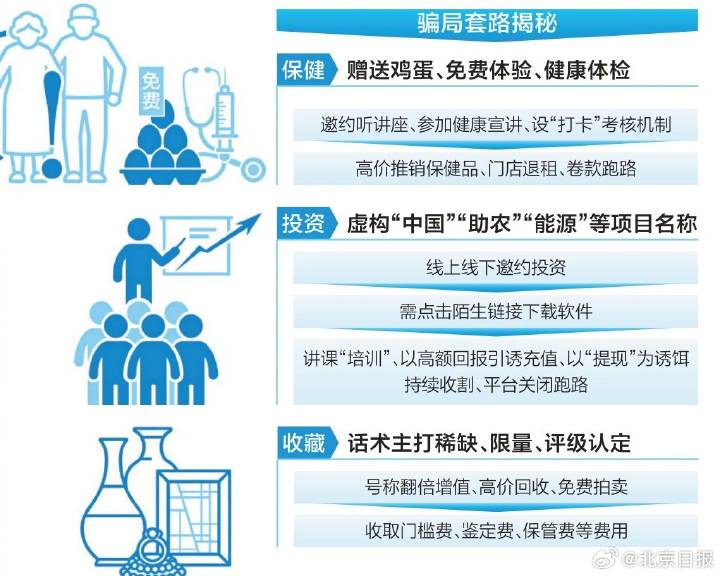
Core Viewpoint - The article highlights the increasing prevalence of marketing scams and investment fraud targeting the elderly, especially as the Spring Festival approaches, urging families to remain vigilant and take action if they fall victim to such schemes [1] Group 1: Health Products Scams - Elderly individuals are being lured into purchasing expensive health products, such as bee glue, through deceptive marketing tactics that exploit their health concerns and loneliness [3][4] - A case is presented where an elderly woman spent 5,000 yuan on health products after being drawn in by a free experience at a local store, which used a rewards system to encourage repeat visits [3][4] - The store staff engage in friendly conversation to assess the financial situation of the elderly customers, making it easier to manipulate them into making purchases [4] Group 2: Investment Scams - Elderly individuals are being misled into investing in fraudulent projects disguised as charitable initiatives, such as a supposed "assist the disabled" investment scheme, which has been disavowed by the China Disabled Persons' Federation [5][6] - The fraudulent scheme encourages elderly participants to invest in various projects through a software platform that promises high returns, but ultimately leads to financial loss and difficulty in withdrawing funds [6] Group 3: Collectibles and Auction Scams - Elderly individuals are falling prey to scams involving collectibles, where they are convinced to purchase items based on exaggerated claims of value appreciation, often through social media influencers [7] - The article describes a case where an elderly man has spent nearly 20,000 yuan on collectibles, driven by the belief that these items will significantly increase in value [7] Group 4: Prevention and Awareness - Experts suggest that the elderly and their families should recognize the lack of free offers and avoid blindly trusting others, while also collecting evidence if they suspect fraud [8] - It is recommended that families stay informed about the daily lives and social interactions of elderly relatives to identify potential scams early [8]

青海开展专项行动整治直播带货乱象
Xin Lang Cai Jing· 2026-01-13 18:48
Group 1 - The Qinghai Provincial Market Supervision Administration has launched a special action to rectify the chaos in the live-streaming e-commerce sector, aiming to regulate business practices and protect consumer rights [1] - The action focuses on three major issues: incomplete qualifications of business entities, non-compliance in information disclosure, and fraudulent claims regarding ordinary food products being marketed as health products or medicines [1][2] - Over 1,600 live-streaming hosts have been monitored, with 5 hosts interviewed, 10 administrative guidance sessions conducted, and 12 suspected illegal leads effectively handled [1] Group 2 - The regulatory efforts utilize technology for dynamic monitoring of live-streaming platforms and rooms, particularly focusing on high-risk categories such as food, health products, and crafts [2] - The initiative includes a closed-loop management system for monitoring, which involves discovering violations, transferring leads, initiating investigations, and public exposure of issues [2] - Consumer complaint channels have been established to address prominent issues raised by the public, enhancing the effectiveness of the regulatory actions [2]
什刹海这三条斜街胡同彰显独特意蕴
Xin Lang Cai Jing· 2025-12-29 05:51
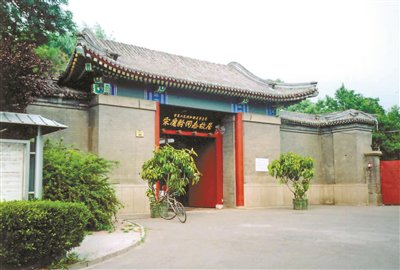
Group 1 - Shichahai includes Qianhai, Houhai, and Xihai, contributing to the vibrant atmosphere of Beijing with unique alleys and traditional architecture [3] - The area around Shichahai has historical significance, with various alleys like Baimi Xiejie and Yandai Xiejie showcasing the cultural heritage of the region [4][5] - Baimi Xiejie is notable for its historical figures, including Zhang Zhidong and philosopher Feng Youlan, who lived in the area, reflecting the rich intellectual history [5] Group 2 - Yandai Xiejie, originally known for its tobacco shops, has transformed into a bustling commercial street, maintaining its historical charm while adapting to modern tourism [6][7] - The street's name is linked to its historical significance in the tobacco trade, with many shops still retaining architectural features from the past [7] - The famous Guangfu Temple located on Yandai Xiejie dates back to the Ming Dynasty, highlighting the area's long-standing cultural and religious importance [8] Group 3 - Qianhai West Street has historical roots, originally part of a waterway system, and has evolved into a market area, reflecting urban development over the decades [9][10] - The area features notable historical sites, including the residence of Prince Gong, which showcases traditional Chinese architecture and royal history [10] - The transformation of Qianhai North Bank into a vibrant area with restaurants and cultural spots illustrates the blend of history and modernity in Beijing [11][12]
2030年:九大“狠招”激活艺术品市场!
Sou Hu Cai Jing· 2025-09-22 21:19
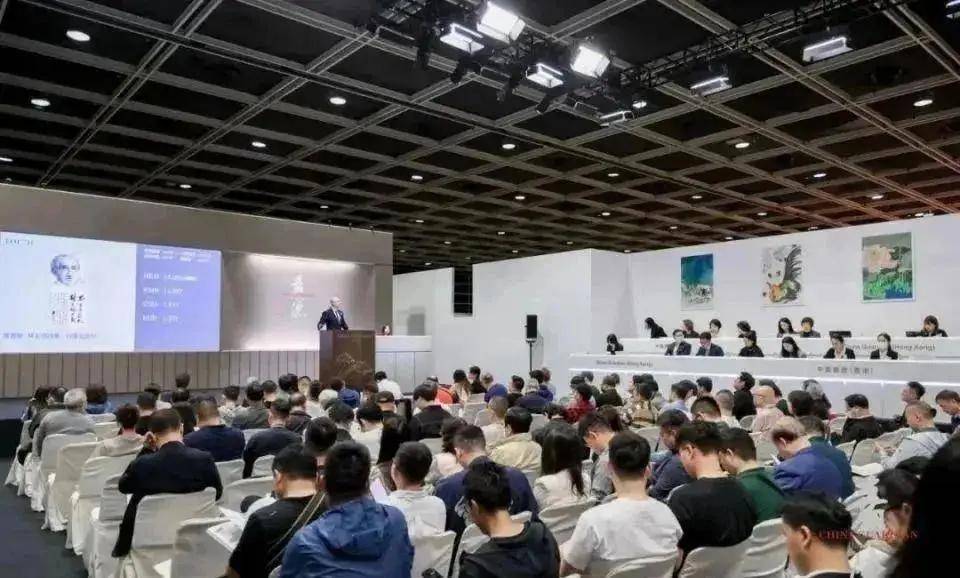
Core Viewpoint - The Chinese government plans to implement nine significant measures to revitalize the art market by 2030, which could enhance the value of existing art collections and create new investment opportunities for collectors and investors [1]. Group 1: Establishing Trading Infrastructure - The government aims to establish 1,000 art trading centers across the country, making it easier for individuals to buy and sell art locally, with services including authentication and online-offline transaction support [3][5]. - These centers will help mitigate the risks of counterfeit art and high intermediary fees, providing a more secure environment for transactions [5]. Group 2: Technological Integration - Each artwork will be assigned a "digital ID" on a blockchain, detailing its provenance, ownership history, and other relevant characteristics, making it easier for buyers to verify authenticity [6]. - Banks will be encouraged to offer "art quality pledge loans," allowing collectors to use their art as collateral for loans, with cash available based on the artwork's blockchain ID valuation [6]. Group 3: Investment Accessibility - The government plans to support the creation of art funds that allow individuals to invest in fractional shares of high-value artworks, lowering the entry barrier for art investment [7][9]. - This initiative aims to democratize art investment, enabling more people to participate in the art market [9]. Group 4: Tax Incentives - Tax reductions will be introduced for art transactions, potentially allowing individuals to avoid capital gains tax on certain sales and providing tax deductions for businesses purchasing art for cultural promotion [12]. Group 5: Cultural Engagement - Museums will be encouraged to collect private artworks, allowing collectors to donate or rent their pieces for exhibitions, thus increasing public access to art and enhancing the visibility of private collections [14]. Group 6: Market Regulation - The government will implement strict penalties for counterfeit art, including a blacklist for offenders and promoting "genuine transaction" guarantees [16]. - Regulations will also be established for the digital art market, ensuring that digital artworks are treated similarly to traditional art in terms of rights and protections [17]. Group 7: International Trade Facilitation - The process for importing and exporting art will be simplified, with reduced tariffs and the establishment of "Chinese Art Centers" abroad to facilitate the sale of Chinese artworks in international markets [18][20].
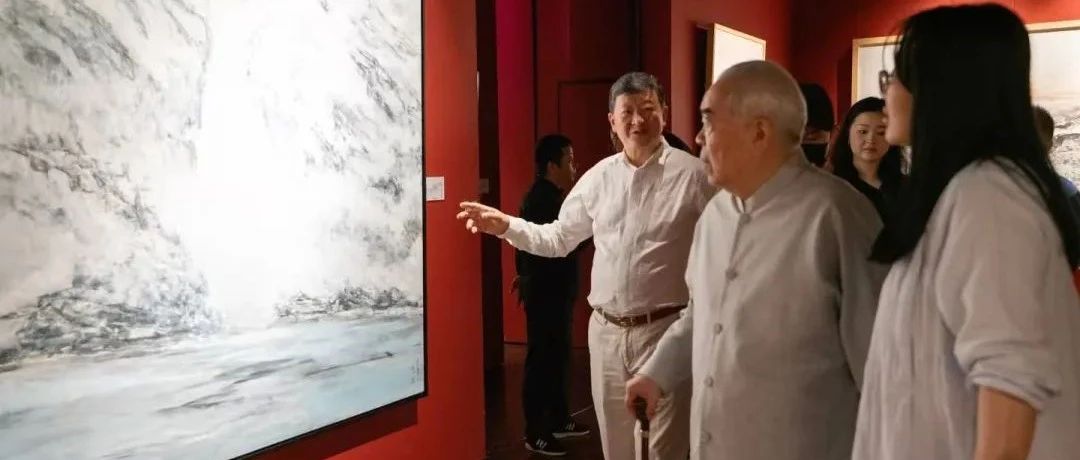
画家范曾“失联”有新消息!朋友称其正闭门写书;画展工作人员:范曾只是搬家
第一财经· 2025-08-18 11:43
Core Viewpoint - Recent rumors regarding artist Fan Zeng have sparked significant online discussion, but sources indicate he is well and engaged in writing a book, dismissing concerns about his well-being [2][4]. Group 1: Background Information - Fan Zeng's daughter, Fan Xiaohui, expressed concerns about her father's well-being on social media, stating she could not reach him [2]. - A social media account associated with Fan Zeng shared photos of him at an art exhibition in France, which was interpreted as a response to the rumors, although the timing of the visit was not specified [2][4]. Group 2: Family Dynamics - Fan Zeng's recent marriage to Xu Meng, who is 50 years younger, has led to family tensions, described as "internal strife" within the family [4]. - Reports indicate that Xu Meng has been involved in moving Fan Zeng's belongings and has restricted access to his residence, raising concerns about his situation [4][9]. Group 3: Current Status - Staff at a recent art exhibition confirmed that the rumors of Fan Zeng being "missing" are unfounded, stating he has merely relocated and attended the exhibition shortly before the rumors surfaced [4]. - Fan Zeng's art company continues to operate, selling artworks and addressing the rumors as "false" [4].
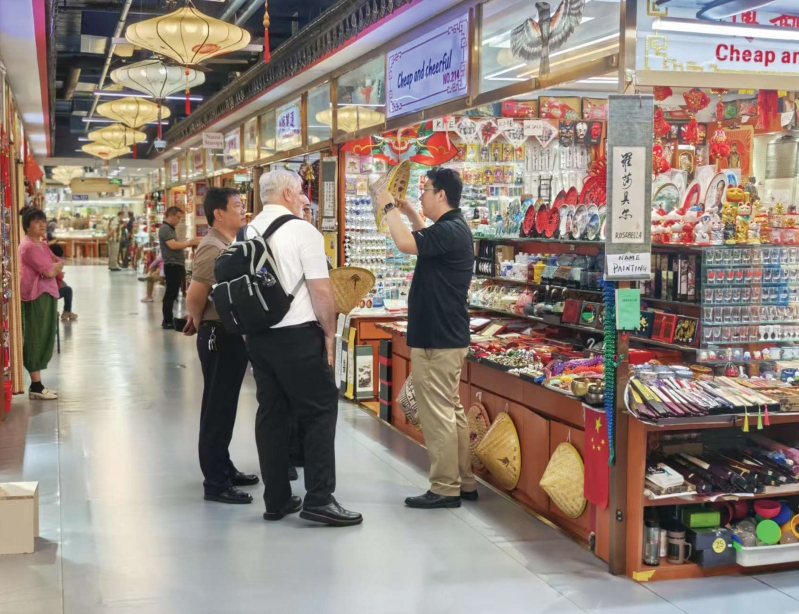
游客行李箱变身“跨国贸易新载体”
Xiao Fei Ri Bao Wang· 2025-05-20 02:44
Core Viewpoint - The rise of "reverse purchasing" by international travelers reflects the global recognition of the competitiveness of Chinese manufacturing and signifies China's transition from being the "world's factory" to a "global market" [1] Group 1: Market Trends - International travelers are increasingly using their luggage as "mobile warehouses" to carry back Chinese-made products such as electronics, toys, and home goods for resale or personal use [2][4] - The TikTok trend "ChinaTravel" has garnered nearly 1 billion views, indicating a growing interest in shopping in China among foreign tourists [2] Group 2: Consumer Preferences - High-margin products like data cables, small appliances, and unique souvenirs are particularly favored by foreign consumers, with significant price differences compared to their home markets [5][4] - Tourists are purchasing a variety of items, including traditional crafts and modern gadgets, which serve both as souvenirs and practical goods [4][5] Group 3: Quality Perception - The perception of Chinese manufacturing has shifted from being seen as cheap to being recognized for quality, with improvements in design and material noted by consumers [7][9] - The trend of "reverse purchasing" highlights the dual recognition of Chinese manufacturing's cost-effectiveness and innovation in the international market [9] Group 4: Economic Impact - The "reverse purchasing" trend is driven by policy openness and manufacturing upgrades, injecting new vitality into the Chinese consumer market and showcasing the transition from "Made in China" to "Created in China" [9]