
区块链应用

Search documents
提升有色金属大宗商品能级 助力“五个中心”建设
Jin Rong Shi Bao· 2026-01-22 02:03
Core Viewpoint - The Shanghai Municipal Government has launched an action plan to enhance the linkage between futures and spot markets for non-ferrous metals, aiming to improve the global pricing influence and commodity trading capacity of Shanghai by December 2025 [1][3]. Group 1: Current Market Landscape - Shanghai has developed a linked market structure for non-ferrous metals, including futures, spot, and over-the-counter derivatives, leveraging its financial market advantages and manufacturing base in the Yangtze River Delta [2]. - The Shanghai Futures Exchange (SHFE) has listed 11 non-ferrous metal futures and 10 options, with "Shanghai Copper" recognized as one of the three major global pricing centers for non-ferrous metals [2]. - The Shanghai Clearing House has been providing central counterparty clearing services for 20 swap and forward products across six industries since 2013, enhancing the risk management framework for non-ferrous metals [2]. Group 2: Challenges and Action Plan - The non-ferrous metals trade in Shanghai faces challenges such as insufficient linkage between futures, spot, and derivatives markets, limited international pricing power, and a lack of major international commodity traders [3]. - The action plan includes 18 specific measures across three main areas: enhancing market connectivity, increasing internationalization of the non-ferrous metals market, and fostering a supportive ecosystem for market participants [3]. - Proposed measures include improving settlement efficiency through the Commodity Clearing Link, exploring cross-border transactions, and establishing a market maker system for over-the-counter derivatives [3]. Group 3: Future Steps - The Shanghai Municipal Government and relevant departments will expedite the implementation of the action plan to strengthen market linkages and support the high-quality development of the non-ferrous metals industry [4]. - The goal is to create a collaborative policy environment that enhances Shanghai's resource allocation capabilities and global pricing influence in the non-ferrous metals sector [4].
利好来了!上海最新发布
Zhong Guo Ji Jin Bao· 2026-01-20 13:26
Core Viewpoint - Shanghai has released an action plan consisting of 18 measures aimed at enhancing the competitiveness and global pricing influence of non-ferrous metal commodities [1] Group 1: Promoting Market Connectivity - The plan supports the establishment of communication between Shanghai Clearing House and Shanghai Futures Exchange for risk management and clearing [2][5] - It encourages local non-ferrous metal trading venues to utilize commodity clearing channels for efficient fund settlement [2][5] - The initiative aims to involve various industries, such as automotive and construction, in futures and derivatives markets to better manage price risks [2][5][6] Group 2: Enhancing Internationalization - The action plan seeks to expand the international openness of Shanghai's non-ferrous metal futures market, gradually including eligible products in the list of open varieties [2][6] - It promotes cross-border delivery mechanisms and aims to establish overseas warehouses and cross-border delivery business models [2][6][7] - The plan emphasizes cooperation with foreign regulatory bodies and exchanges to explore cross-border business and product innovations [6][7] Group 3: Cultivating a Robust Market Ecosystem - The initiative focuses on nurturing competitive trading entities and fostering collaboration between commodity enterprises and their supply chain partners [3][7] - It explores the establishment of a market-making system for non-ferrous metal OTC derivatives [3][7] - The plan encourages the application of blockchain technology in the non-ferrous metal sector to enhance data sharing across platforms and institutions [3][7]

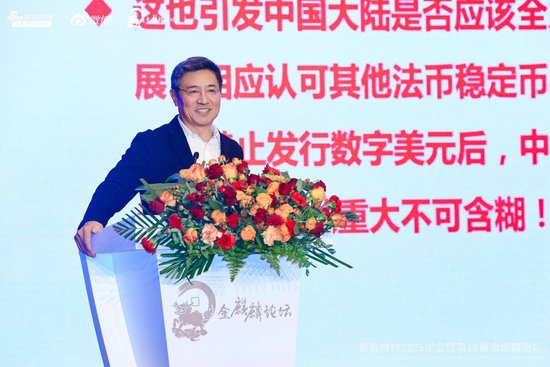
王永利:稳定币立法可能会严重反噬稳定币
Xin Lang Cai Jing· 2026-01-15 07:18
Core Viewpoint - The legislation surrounding stablecoins may have adverse effects on their development, potentially limiting participation from licensed financial institutions and creating opportunities for non-financial entities like Tesla [3][5]. Group 1: Stablecoin Legislation - The lack of clear legal status for stablecoins and the associated crypto assets makes it difficult for banks and licensed institutions to engage in this market [3][5]. - Once stablecoins are recognized as legal, financial institutions such as banks, securities firms, and funds will aggressively compete for market share [3][5]. Group 2: Market Dynamics - Recent trends indicate a shift towards tokenization of deposits and rapid on-chain integration of real-world assets (RWA) like stocks, bonds, and ETFs, driven by licensed financial institutions rather than non-licensed entities [3][5]. - The regulatory framework for financial institutions is more robust compared to that of non-licensed issuers, which could significantly alter the competitive landscape if these institutions adopt blockchain technology [3][5].
和讯投顾高璐明:12月28日!这五大消息将影响下周走势!
Sou Hu Cai Jing· 2025-12-28 09:03
Group 1: Positive Developments in Technology Sector - The National Bureau of Statistics announced measures to guide financial institutions in supporting data technology innovation, promoting long-term and quality capital investment in data research [1] - The Ministry of Industry and Information Technology emphasized the systematic advancement of 6G technology research and development, as well as the optimization of computing power layout [1] - The Financial Regulatory Authority is exploring the application of cutting-edge technologies such as quantum computing, blockchain, and artificial intelligence in the financial sector, which provides a broad space for these technologies [1] Group 2: Negative Developments in Commercial Aerospace - The commercial aerospace sector faced negative news as leading domestic company Zhenlei Technology was investigated for alleged information disclosure violations, potentially impacting the sector in the short term [2] - The U.S. stock market saw a collective drop in commercial aerospace concepts, which may lead to short-term pressure on domestic commercial aerospace stocks [2] Group 3: Market Outlook and Reactions - The market is expected to experience volatility due to the interplay of positive and negative news, with a potential need for a technical pullback after a series of gains [3] - Despite the anticipated short-term fluctuations, the overall upward trend in the market is expected to remain intact, supported by positive policy signals [3] - Investors are advised to focus on quality companies in the technology sector while being cautious of short-term risks in the commercial aerospace sector [3]
数据破壁、物流提效,融汇数易为济宁亿吨港筑牢数字化底座
Qi Lu Wan Bao· 2025-12-22 05:19
Core Insights - The article highlights the digital transformation of Jining Port, which is becoming a significant hub for bulk commodity trading through the launch of the "Ronghui Shuyi" supply chain platform, marking a shift in inland shipping history [1] Group 1: Digital Transformation - The "Ronghui Shuyi" platform integrates previously isolated data across various sectors such as port operations, shipping, logistics, finance, and trade, enabling a one-stop service for bulk commodity transactions [1] - The platform allows shippers to complete the entire process from order placement to delivery and settlement online, achieving a "single order" closed-loop service [1] Group 2: Benefits to Stakeholders - All participants in the logistics ecosystem benefit from the platform, with ports able to predict cargo volumes and optimize scheduling, logistics companies reducing empty runs, and small traders accessing financial services to address cash flow issues [2] - The platform has achieved full-process digital control from shipment to delivery, resulting in an average cost reduction of over 15% for customers [2] Group 3: Platform Architecture and Security - The platform employs a "1+3+5N" architecture, integrating bulk commodity trading, multimodal transport, port systems, and supply chain finance into a comprehensive digital framework [2] - A full-link security assurance system is established, including encrypted data transmission, multiple backups, and strict access management to protect transaction data and logistics information [2] Group 4: Future Developments - Future iterations will focus on enhancing AI capabilities, expanding service scenarios, and strengthening ecosystem collaboration [3] - AI algorithms will be introduced for intelligent scheduling, optimizing logistics routes based on port efficiency and traffic conditions [3] - The platform will also explore blockchain technology for applications in cargo traceability and credit certification, aiming to provide more precise and reliable digital services [3]
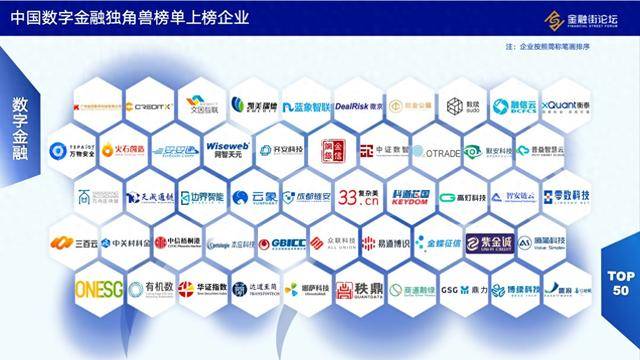
中国数字金融独角兽榜单发布,京企占比超四成
Sou Hu Cai Jing· 2025-10-30 12:50
Core Insights - Beijing has been recognized as the "unicorn city" of digital finance, with over 40% of the digital finance enterprises listed in the "China Digital Finance Unicorn List (2025)" originating from the city [1][3]. Group 1: Overview of the Unicorn List - The "China Digital Finance Unicorn List" was organized by the Beijing Financial Street Research Institute for three consecutive years, featuring 50 selected enterprises across five categories [1]. - The five categories include Comprehensive Technology Platforms, Regulatory Technology and Security Technology, Blockchain and Payment Technology, Artificial Intelligence and Big Data, and Green Financial Technology, with 10 companies selected in each category [1]. Group 2: Distribution and Characteristics of Listed Enterprises - Over 60% of the companies in the Artificial Intelligence and Big Data category are based in Beijing, while over 50% in the Green Financial Technology category are also located there [3]. - 72% of the listed companies were established between 2 to 10 years ago, indicating a relatively young industry [3]. - In terms of valuation, 46% of the companies are valued at over 700 million yuan, and 38% are valued between 100 million to 700 million yuan, showcasing significant market potential [3]. Group 3: Trends in Digital Finance Development - Key trends identified include the deep integration of large models into financial services, accelerated development of multimodal technology, and a growing emphasis on data security and privacy protection [3]. - The competitive landscape is evolving with differentiated competition, deeper integration of digital finance with the real economy, and increasing attention to stablecoins [3].
2030年:九大“狠招”激活艺术品市场!
Sou Hu Cai Jing· 2025-09-22 21:19
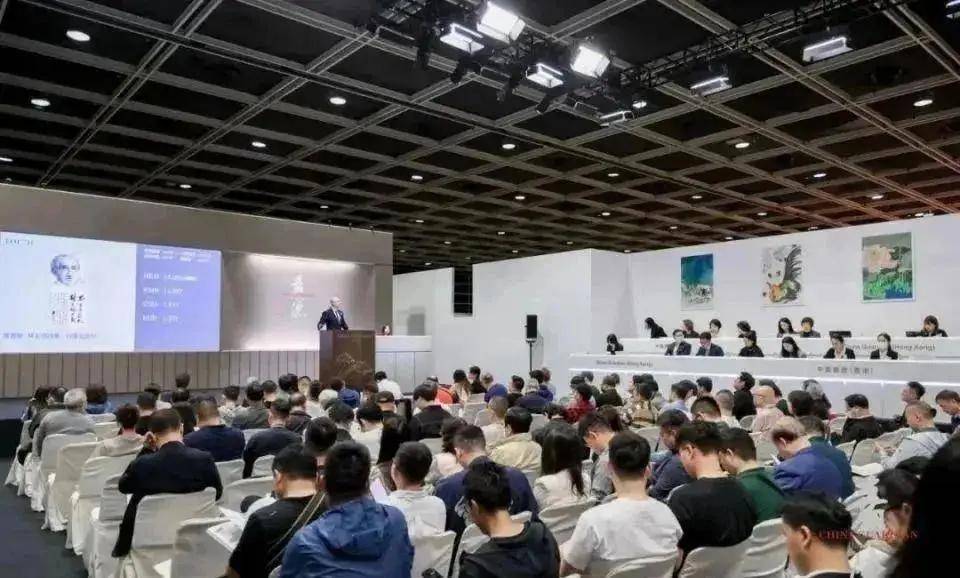
Core Viewpoint - The Chinese government plans to implement nine significant measures to revitalize the art market by 2030, which could enhance the value of existing art collections and create new investment opportunities for collectors and investors [1]. Group 1: Establishing Trading Infrastructure - The government aims to establish 1,000 art trading centers across the country, making it easier for individuals to buy and sell art locally, with services including authentication and online-offline transaction support [3][5]. - These centers will help mitigate the risks of counterfeit art and high intermediary fees, providing a more secure environment for transactions [5]. Group 2: Technological Integration - Each artwork will be assigned a "digital ID" on a blockchain, detailing its provenance, ownership history, and other relevant characteristics, making it easier for buyers to verify authenticity [6]. - Banks will be encouraged to offer "art quality pledge loans," allowing collectors to use their art as collateral for loans, with cash available based on the artwork's blockchain ID valuation [6]. Group 3: Investment Accessibility - The government plans to support the creation of art funds that allow individuals to invest in fractional shares of high-value artworks, lowering the entry barrier for art investment [7][9]. - This initiative aims to democratize art investment, enabling more people to participate in the art market [9]. Group 4: Tax Incentives - Tax reductions will be introduced for art transactions, potentially allowing individuals to avoid capital gains tax on certain sales and providing tax deductions for businesses purchasing art for cultural promotion [12]. Group 5: Cultural Engagement - Museums will be encouraged to collect private artworks, allowing collectors to donate or rent their pieces for exhibitions, thus increasing public access to art and enhancing the visibility of private collections [14]. Group 6: Market Regulation - The government will implement strict penalties for counterfeit art, including a blacklist for offenders and promoting "genuine transaction" guarantees [16]. - Regulations will also be established for the digital art market, ensuring that digital artworks are treated similarly to traditional art in terms of rights and protections [17]. Group 7: International Trade Facilitation - The process for importing and exporting art will be simplified, with reduced tariffs and the establishment of "Chinese Art Centers" abroad to facilitate the sale of Chinese artworks in international markets [18][20].
飞扬集团(01901.HK)拟与Conflux于全球文旅资产数字化领域开展合作
Ge Long Hui· 2025-09-09 14:12
Core Viewpoint - The company has signed a Memorandum of Understanding (MOU) with Conflux Hong Kong Management Limited to explore cooperation in the digitalization of global cultural and tourism assets, aiming to enhance the company's digital transformation and innovative development in the tourism sector [1] Group 1: Cooperation Details - The collaboration will focus on the following areas: 1. Digitalization of cultural and tourism assets by building a platform based on Conflux blockchain for asset rights confirmation [1] 2. Application of stablecoins in tourism transactions to create a compliant payment and settlement framework [1] 3. Global market promotion utilizing both parties' resources to advance digital assets and blockchain applications in the tourism sector [1] Group 2: Strategic Implications - This partnership aligns with the company's digital transformation strategy and is expected to improve operational efficiency and expand innovative business models, which is beneficial for long-term development [1] - The board expresses optimism about the collaboration with Conflux, believing it will bring long-term benefits to the company and its shareholders [1]
Klarna leads IPO wave as Wall Street eyes fall rebound
Yahoo Finance· 2025-09-08 20:18
Group 1: IPO Market Overview - The upcoming fall season is expected to feature a significant number of high-profile IPOs, including Klarna and Gemini, marking a crucial test for the U.S. IPO market [1][5] - As of the end of August, IPOs have raised $23 billion in 2023, aligning with the same period in 2024, indicating a potential rebound in the market [2] - Analysts suggest that if the IPOs proceed as planned, it will be the busiest week for sizable IPOs since 2021 [5] Group 2: Klarna's IPO Details - Klarna aims to raise up to $1.27 billion in its IPO, with an implied valuation between $12.5 billion and $14 billion, following delays due to tariff uncertainties [3] - The company is attempting to shift its business model from short-term lending to becoming a digital bank, which will be a key focus for investors during the IPO [4] Group 3: Other Companies Going Public - Other notable firms going public include Gemini, Figure Technology, Black Rock Coffee Bar, Legence, and Via Transportation, reflecting a diverse range of industries [4][6] - The listings for companies like Gemini will test investor sentiment towards crypto in a more favorable regulatory environment [6] Group 4: Market Sentiment and Trends - A turning point in June saw several IPOs priced above their range and opening more than 20% higher on their first day, boosting confidence among bankers for the fall season [7]
支付巨头Stripe联手Paradigm孵化新区块链Tempo,专注稳定币现实支付
智通财经网· 2025-09-05 03:56
Group 1 - Stripe Inc. and Paradigm are collaborating to launch a new blockchain project called Tempo, specifically designed for stablecoin payments [1] - Tempo aims to support global payments, payroll, cross-border remittances, tokenized deposits, and other financial flows, operated by a 15-member independent team led by Matt Huang [1] - The project is in partnership with technology companies like Shopify and Anthropic, as well as financial institutions such as Lead Bank, Deutsche Bank, and Standard Chartered [1] Group 2 - Stripe's CEO Patrick Collison noted that existing blockchains are not optimized for mainstream financial applications, emphasizing the practicality of charging fees in traditional currencies rather than specific blockchain tokens [2] - Tempo will allow users to pay fees using any stablecoin and aims for a processing capacity of over 100,000 transactions per second to facilitate real-time global payments [2] - The project promises predictable low fees and built-in privacy features, similar to Circle's recently launched blockchain Arc, which also focuses on stablecoin payments and offers low fees and near-instant finality [2]