宠物洗护

Search documents
排到凌晨!节前宠物扎堆“挤”进门店,店员:忙到没空吃饭
Xin Lang Cai Jing· 2026-02-14 08:18
Group 1 - The pet service industry is experiencing a surge in demand as the Chinese New Year approaches, with services like grooming, bathing, and boarding becoming extremely busy [1][3][14] - Pet owners are increasingly willing to pay higher prices for grooming services, with price increases ranging from 30% to 50% as demand spikes [9][13] - Many pet grooming businesses are fully booked weeks in advance, with some even extending their operating hours to accommodate the influx of customers [10][11][14] Group 2 - The demand for pet boarding services is also high, with many facilities fully booked well ahead of the holiday season, reflecting a trend similar to "spring transportation" for pets [14][17] - Some pet grooming studios are implementing price increases to manage the high volume of appointments and maintain service quality, indicating a strong customer loyalty and demand for specialized services [11][13] - The overall trend shows that pet owners are prioritizing their pets' grooming and care during the festive season, leading to a busy and profitable period for pet service providers [1][20]

洗护排长队,寄养预订火热!宁波春节前宠物经济持续升温
Sou Hu Cai Jing· 2026-01-29 12:44
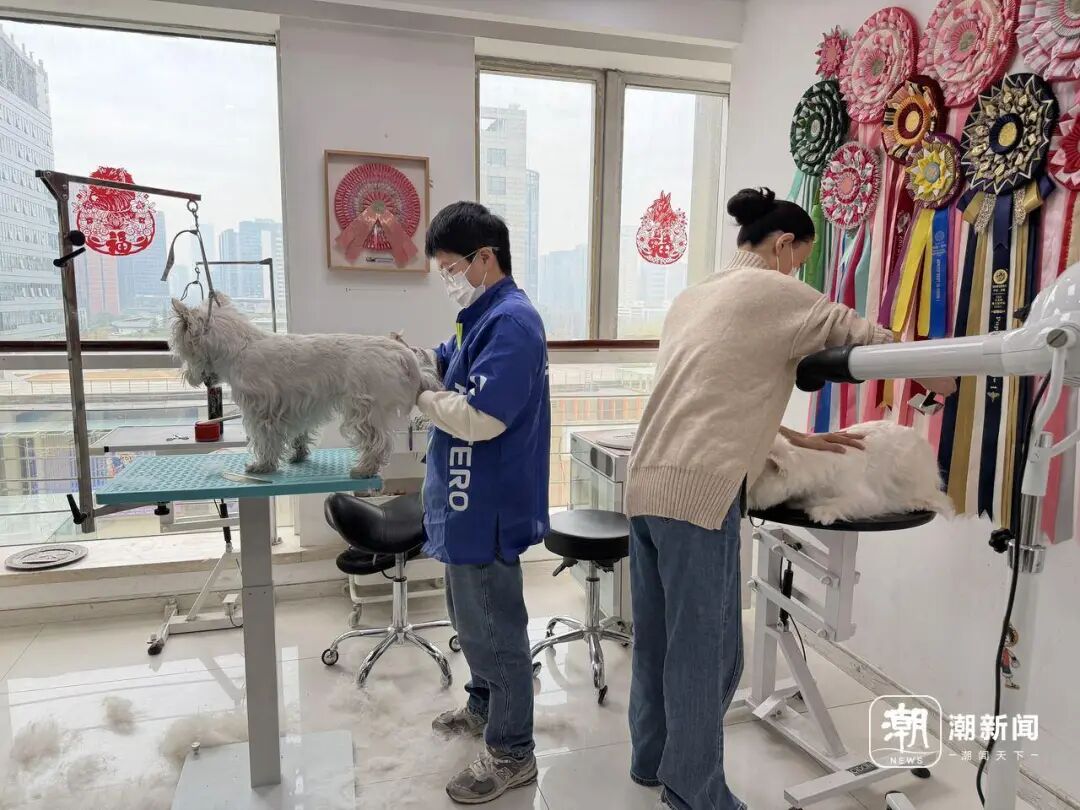
Group 1 - The pet economy in Ningbo, Zhejiang is experiencing a surge in demand for services such as grooming and boarding, particularly during the Spring Festival [1][6] - Pet grooming services are busy, with many pets waiting for baths, haircuts, and styling to prepare for the New Year [4][3] - The price for grooming services has increased by 50% to 100% during the holiday period, and advance bookings for these services are now required a week in advance instead of the usual one to two days [6][8] Group 2 - The occupancy rate for pet boarding services typically ranges from 20% to 50%, but it is expected to be fully booked during the Spring Festival due to high demand [8]
不靠吃喝靠“社交”,宠物咖啡店如何打开都市年轻人的心房与钱包?
Xin Lang Cai Jing· 2026-01-22 05:49
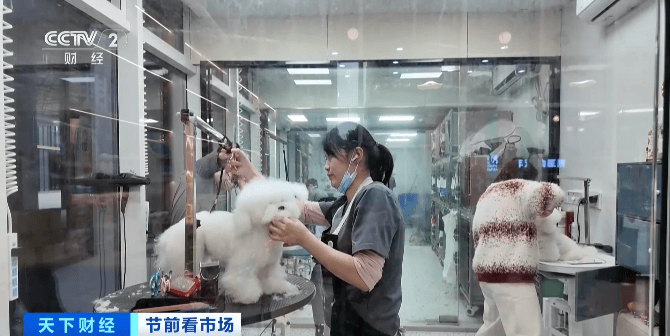
Core Insights - The article highlights the rising popularity of pet social spaces, particularly in urban areas, where young people gather with their pets for social interaction and community building [1][6][20] Group 1: Business Model - Pet cafes are adopting a "low threshold for customer attraction, relying on professional services for profit" strategy, with an average dining cost of approximately 30 yuan per person to lower entry barriers [16][18] - Revenue is primarily generated from a range of specialized pet services, including grooming and daycare, rather than food and beverages [16][18] - Services such as dog bathing are priced based on weight, ranging from 60 to 160 yuan, while grooming services vary from over 100 to 300 yuan [18] Group 2: Customer Demographics and Social Interaction - The primary clientele consists of young professionals and pet enthusiasts aged 20 to 40, who are drawn to the social aspects of these spaces [6][20] - Customers often form connections through their pets, leading to new friendships and social gatherings, as evidenced by patrons meeting at the cafe specifically for their dogs to interact [6][20] - Social media plays a significant role in promoting these venues, with many customers sharing their experiences on platforms like Xiaohongshu, which helps attract more visitors [15][20] Group 3: Future Trends - The growth of pet ownership and evolving consumer attitudes suggest that more cities will see the emergence of these multifunctional spaces that blend commercial activity with social and emotional needs [20] - The success of these venues reflects a broader urban desire for relaxed social interactions and emotional companionship, positioning them as more than just commercial enterprises [20]
暴利的宠物,大厂的坟墓
创业邦· 2026-01-04 10:35
Core Viewpoint - The pet economy, with a market size of 300 billion and a gross margin of up to 50%, appears lucrative but is proving challenging for large companies to profit from [6]. Group 1: Market Dynamics - The pet food sector is the most popular category, with domestic brands achieving gross margins of 40%-50%, and some products, like high-end cat food, reaching a gross margin of 44.7% [8]. - Despite the high gross margins, many companies in the pet industry, such as Zhongchong Co. and Petty Co., report low net profit margins, with Zhongchong's gross margin at 28.16% and net margin at only 9.33% for 2024 [9]. - The high gross margins in the pet economy are often offset by significant marketing and operational costs, leading to a situation where companies struggle to convert revenue into profit [11][12]. Group 2: Challenges Faced by Large Companies - Large companies entering the pet market, like Hema, have faced significant losses, with Hema's Pet Fresh store losing over 20,000 yuan per month and closing after just nine months [6][9]. - The reliance on KOLs (Key Opinion Leaders) for marketing has led to increased sales expenses, which can consume a large portion of revenue, making it difficult for companies to achieve profitability [12][16]. - The pet economy is characterized by a high degree of fragmentation, with many successful businesses being small, owner-operated shops rather than large chains [20][24]. Group 3: Emotional Value vs. Cost - The perceived high margins in the pet economy are often attributed to the emotional value pet owners place on their pets, but this emotional value comes with significant costs, particularly in marketing and service delivery [11][14]. - Services like pet grooming and veterinary care can be profitable, but they require skilled personnel, making it difficult for large companies to scale effectively [20][23]. Group 4: Comparison with Other Industries - The challenges faced by the pet economy are similar to those in other high-margin industries like beauty and medical aesthetics, where the profitability often lies with individual practitioners rather than large companies [18][19]. - The pet industry, like the beauty industry, is heavily reliant on personal relationships and trust, which complicates efforts to scale operations [22][24].



潮玩、宠物成情绪消费热点!专家:精准洞察用户需求是关键
Nan Fang Du Shi Bao· 2025-06-27 11:12
Core Insights - The rise of emotional consumption in China is driven by consumers willing to pay for happiness, leading to the emergence of a new economic industry chain [2] - The emotional economy is expected to grow significantly, with the core market projected to exceed 100 billion yuan by 2025 [4] Group 1: Key Consumer Demographics - The primary consumer groups in emotional consumption include Generation Z, single individuals, and the elderly, all facing significant life or psychological pressures [5][6] - Generation Z favors trendy and personalized products like blind boxes and virtual idols, while single individuals seek emotional fulfillment through pets and convenient products [7] - The elderly focus on health, wellness, and emotional companionship, showing a strong demand for health products and services [7] Group 2: Market Dynamics and Challenges - Emotional consumption is characterized by a need for "emotional resonance" and "commercial viability," with a focus on understanding user needs [8] - There are concerns about "pseudo-demand" and market sustainability, as some emotional products suffer from poor quality and lack of long-term appeal [9] Group 3: Industry Trends and Innovations - The toy industry, particularly in Guangdong, is transitioning from manufacturing to creative design, with emotional value being a key competitive factor [10][11] - Policies in cities like Dongguan and Guangzhou are supporting the development of the toy industry, emphasizing innovation and emotional design [13] - The pet economy is a significant segment of the emotional economy, with increasing demand for pet-related services and products driven by urbanization and changing demographics [16][19] Group 4: Future Outlook - The emotional economy is expected to evolve with a greater emphasis on technology integration, such as AI and the metaverse, enhancing consumer emotional experiences [20][21] - The sports and outdoor sectors are also seen as having strong investment potential, driven by increasing health awareness and government initiatives [22]