客家擂茶

Search documents
福建宁化:非遗闹春添年味 新春民俗引客来
Xin Lang Cai Jing· 2026-02-23 12:30
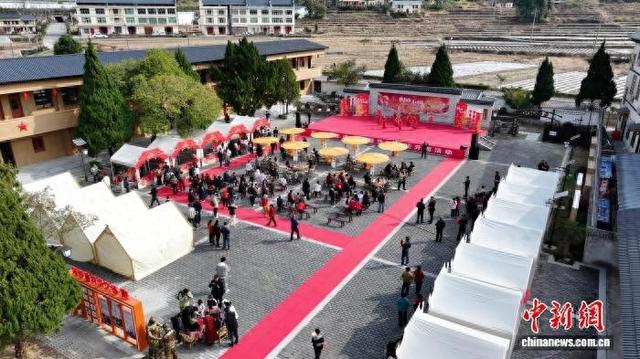
Group 1 - The event "Non-heritage Spring Festival, Fortune on the Way" was held in Chen Tang Village, Shibi Town, Ninghua County, Fujian Province, marking the opening of the "Chuan Chen Workshop" [1][3] - The ceremony featured a blend of traditional and modern Hakka culture, including non-heritage experiences, Hakka cuisine, and century-old folk customs, creating a vibrant cultural celebration [3][5] - Five non-heritage experience zones were opened, allowing visitors to engage in activities such as making pottery, sewing sachets, and learning paper-cutting and woodblock printing, enhancing the interactive experience of Hakka heritage [7]

在广式茶楼品一盅两件,慢叹人情味浓|马年新春·来粤叹茶⑤
Nan Fang Nong Cun Bao· 2026-02-20 00:33
Core Viewpoint - The article highlights the cultural significance and evolution of Cantonese morning tea, emphasizing its role as a social and culinary tradition in Guangdong, particularly during the Lunar New Year celebrations. Group 1: Historical Context - The origins of Cantonese morning tea can be traced back to the Qing Dynasty during the Xianfeng period, where street tea stalls began to emerge in the Pearl River Delta region, offering simple tea and snacks for travelers [9][10]. - By the late Qing Dynasty, Guangzhou became a major trading port, leading to the transformation of simple tea stalls into elegant tea houses, which became central venues for business discussions and social gatherings [12][13]. Group 2: Cultural Significance - "Dine on morning tea" has evolved from a mere eating habit to a lifestyle deeply ingrained in the local culture, reflecting the essence of the Cantonese way of life [14]. - The practice of enjoying morning tea involves a unique pairing of tea and dim sum, with a focus on flavors that aid digestion and enhance the dining experience [17][18]. Group 3: Diversity of Tea Culture - Cantonese morning tea is just one aspect of Guangdong's rich tea culture, which also includes the distinct styles of Chaozhou Gongfu tea and Hakka Lei tea, each showcasing unique characteristics and traditions [23][24][27]. - Chaozhou Gongfu tea is known for its meticulous brewing techniques and emphasis on the sensory experience of tea drinking, reflecting the refined nature of Chaozhou culture [30][32]. - Hakka Lei tea, on the other hand, is a rustic beverage made from a blend of tea leaves and various ingredients, symbolizing the resourcefulness of the Hakka people and serving as a means of hospitality [34][36]. Group 4: Invitation to Experience - The article encourages readers to immerse themselves in Guangdong's tea culture during the Spring Festival, starting with the vibrant atmosphere of Cantonese morning tea and exploring the intricacies of Chaozhou Gongfu tea and the charm of Hakka Lei tea [37][38].

非遗“小窗台”的流量智慧
Xin Lang Cai Jing· 2026-01-03 23:22
Core Insights - The article highlights the successful integration of cultural heritage and tourism, showcasing how local initiatives are revitalizing traditional performances and making them accessible to a broader audience [1][2][3] Group 1: Cultural Heritage Activation - Various regions are creatively utilizing their historical spaces to host performances, transforming windows and streets into stages for traditional arts like puppetry and music, thus enhancing visitor engagement [1][2] - The approach of "high-frequency regular events + low-threshold interaction" is being adopted to lower the cost of cultural experiences, making them more appealing to tourists [1][2] Group 2: Local Cultural Identity - Different cities are focusing on their unique cultural heritages, such as Zhangzhou's puppetry and Quanzhou's Nanyin music, to create distinctive tourism experiences that stand out from generic offerings [2] - The emphasis on local cultural roots allows for a more profound connection with visitors, enriching their experience and promoting cultural diversity [2] Group 3: Economic Impact and Sustainability - The activation of cultural spaces does not require significant investment but can lead to substantial economic benefits, as seen in Zhangzhou's "Min Nan Small Theater" model, which combines performances with local culinary experiences [3] - Successful examples from various regions demonstrate that connecting culture with daily life can drive consumer engagement and enhance economic growth, proving the effectiveness of low-cost, high-impact cultural initiatives [3]
客从河洛来——重走客家千年迁徙路丨此途汇赣 路启八方“客从河洛来——重走客家千年迁徙路”行进式报道之二
He Nan Ri Bao· 2025-12-19 00:00
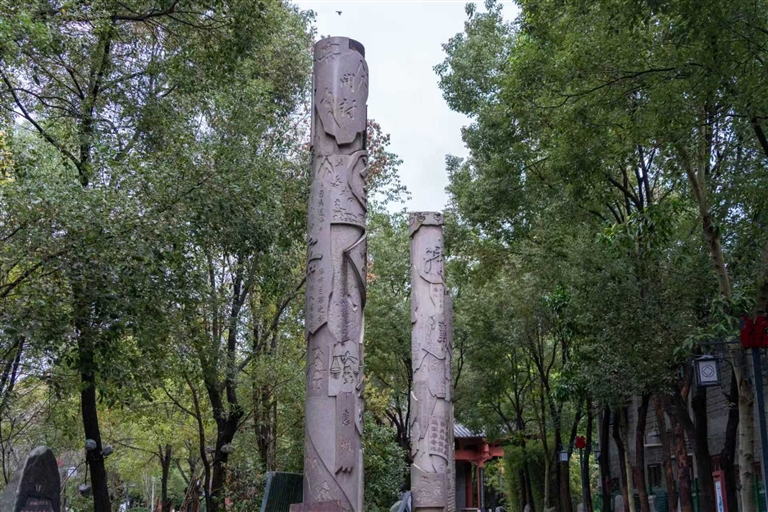
Core Insights - The article highlights the historical migration of Hakka ancestors from the Central Plains to Jiangxi, emphasizing the cultural significance of this journey and its lasting impact on Hakka identity and heritage [1][2][6]. Group 1: Historical Migration - The Hakka people migrated southward from the Central Plains over a period of more than 170 years, establishing a new home in Jiangxi, which became known as the "Hakka cradle" [2][6]. - Five commemorative pillars in the Jiangxi Hakka Museum symbolize the five major migrations of the Hakka people, serving as a spiritual landmark for their collective memory [2]. Group 2: Cultural Heritage - The architecture of Hakka roundhouses in Longnan City reflects the integration of Central Plains cultural elements with local traditions, showcasing the resilience and adaptability of the Hakka community [7][9]. - Traditional Hakka cuisine, such as the preparation of Lei Cha (pounded tea), illustrates the continuity of cultural practices from the Central Plains, adapted to local resources [10][11]. Group 3: Educational and Cultural Institutions - The Lianjiang Academy in Xingguo County represents the Hakka people's long-standing emphasis on education and cultural preservation, having played a significant role in local revolutionary history [14][17]. - Family teachings and cultural practices, such as the emphasis on filial piety and community harmony, are deeply rooted in Hakka traditions and continue to be passed down through generations [18][19]. Group 4: Modern Adaptation - The article discusses the modern revival of Hakka culture through innovative approaches, such as integrating traditional designs with contemporary products and utilizing technology to enhance cultural experiences [19].