陶艺

Search documents
福建宁化:非遗闹春添年味 新春民俗引客来
Xin Lang Cai Jing· 2026-02-23 12:30
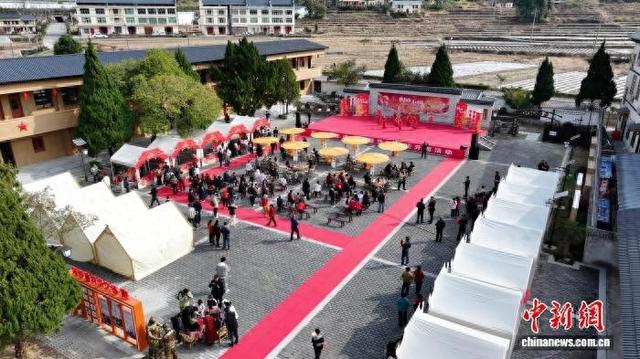
Group 1 - The event "Non-heritage Spring Festival, Fortune on the Way" was held in Chen Tang Village, Shibi Town, Ninghua County, Fujian Province, marking the opening of the "Chuan Chen Workshop" [1][3] - The ceremony featured a blend of traditional and modern Hakka culture, including non-heritage experiences, Hakka cuisine, and century-old folk customs, creating a vibrant cultural celebration [3][5] - Five non-heritage experience zones were opened, allowing visitors to engage in activities such as making pottery, sewing sachets, and learning paper-cutting and woodblock printing, enhancing the interactive experience of Hakka heritage [7]

特色体验庆佳节既饱“口福”又饱“眼福” 欢乐热闹中喜气洋洋过大年
Yang Shi Wang· 2026-02-17 10:32
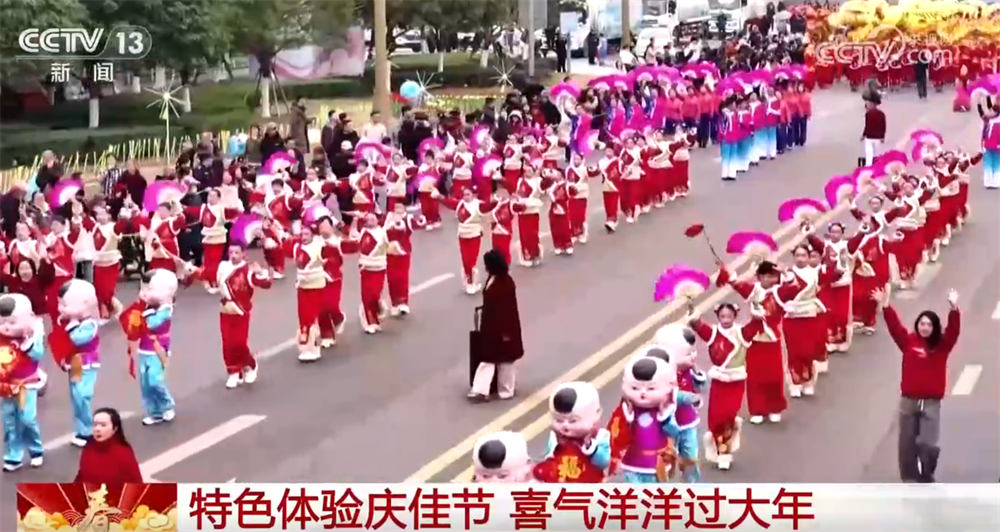
Group 1 - Various local cultural activities are being held across regions to celebrate the Spring Festival, showcasing traditional performances and local delicacies [1] - In Chongqing Liangping District, a parade featuring over 800 performers includes dragon and lion dances, as well as local traditional performances, creating a festive atmosphere [1] - In Jiangsu Yancheng Xiangshui County, a cultural market features traditional crafts like sugar painting and paper-cutting, alongside modern technology displays such as robots [3] Group 2 - Hubei Province is distributing approximately 600 million yuan in consumer subsidies to boost spending during the Spring Festival, with over a thousand well-known restaurants offering special "Chuchai reunion dinner" packages [6] - In Wuhan, traditional Hubei dishes like steamed fish and lotus root soup are highlighted, evoking strong regional flavors and nostalgia for those away from home [7] - In Guangzhou, restaurants are enhancing the efficiency of food supply chains through cold chain logistics and digital management, while the government is issuing 50 million yuan in dining vouchers to promote local cuisine [8]
(新春走基层)国潮风起非遗焕新 长沙春节消费“文化味”十足
Xin Lang Cai Jing· 2026-02-15 11:36
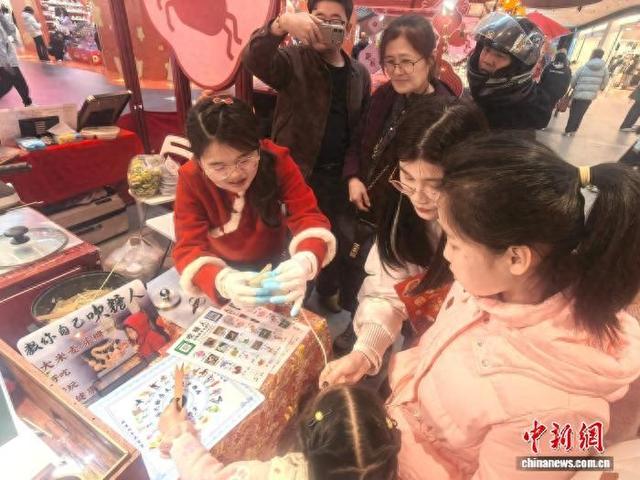
Group 1 - The core viewpoint of the article highlights the rising popularity of traditional cultural products and non-material cultural heritage (non-heritage) during the Spring Festival in Changsha, showcasing a blend of cultural and consumer experiences [1][7] - Traditional crafts such as sugar painting, dough figurines, and Hunan embroidery are integrated into modern shopping environments, attracting younger consumers and enhancing the festive atmosphere [1][3] - The "马上有喜市" non-heritage market features various traditional crafts, with local artisans showcasing their work, which has become a popular choice for consumers during the holiday season [3][5] Group 2 - The Fire Palace in Changsha has launched non-heritage gift boxes that combine local delicacies with trendy packaging, resulting in strong sales both online and offline [3][5] - The ongoing Lantern Festival at Jinggang Ancient Town features thousands of colorful lanterns and incorporates traditional crafts into its design, creating an engaging cultural experience for visitors [5][7] - The Hunan Yuhua Non-Heritage Museum is actively promoting the integration of non-heritage into modern life through various activities, aiming to meet cultural demands during the Spring Festival and enhance the market vitality of traditional culture [5][7]
“马上发”犀牛市集大年初五开集
Xin Lang Cai Jing· 2026-02-14 19:49
Core Viewpoint - The "Rhino Market" will open on February 21, showcasing a blend of retro and innovative elements, featuring over a hundred original designers and artisans, catering to diverse consumer needs [1] Group 1: Event Details - The market will include handmade accessories, illustration art, retro trendy items, independent designs, and light food and beverages [1] - The event emphasizes experience over mere shopping, with interactive areas for hands-on activities like pottery and printmaking [1] Group 2: Entertainment and Activities - The venue will host nearly a hundred public performances, including folk music, independent music, and small theater productions, creating a vibrant atmosphere [1] - Art exhibitions and themed installation points will be available, providing a comprehensive experience of "shopping, appreciating, playing, and entertaining" [1]
消费新观察逛市集:闹趣有新意
Sou Hu Cai Jing· 2026-02-06 03:12
Core Insights - The rise of themed markets in Yunnan, focusing on intangible cultural heritage, food, and arts, is creating new consumer experiences and opportunities for local and external consumers [3][4] - The "silent movement" market showcases handmade crafts and local delicacies, enhancing the cultural and economic value of the region [3] - Markets are evolving from simple sales venues to interactive spaces that foster emotional connections and add social value to consumer experiences [4] Group 1: Market Dynamics - The emergence of diverse markets in Yunnan is characterized by local cultural elements, creating a relaxed atmosphere that attracts consumers [3] - The "silent movement" vendor, Liu Yan, highlights the customization of products based on the local culture of the cities she visits, indicating a trend towards personalized offerings [3] - The market economy is providing more opportunities for independent brands and creators, reflecting a shift in consumer preferences towards unique and locally made products [3] Group 2: Educational and Social Impact - The "Wow·Owl" market in Kunming integrates educational elements, such as a coffee-making program for students from a blind school, enhancing their social integration through practical experience [4] - The students successfully sold over 340 drinks during a nine-day market event, demonstrating the effectiveness of experiential learning in real-world settings [4] - The market serves as a platform for social interaction, where customers engage with vendors through sign language, fostering inclusivity and community connection [4] Group 3: Future Trends - The future of markets is expected to focus on regularity, localization, and diverse consumer offerings, with an emphasis on maintaining novelty to avoid homogenization [4] - A balance of common and unique offerings is essential, with the recommendation to keep about 20% of the market stalls featuring creative and distinctive products to sustain consumer interest [4] - The design of markets as engaging spaces is crucial, incorporating elements that enhance the overall consumer experience and reflect local culture [4]
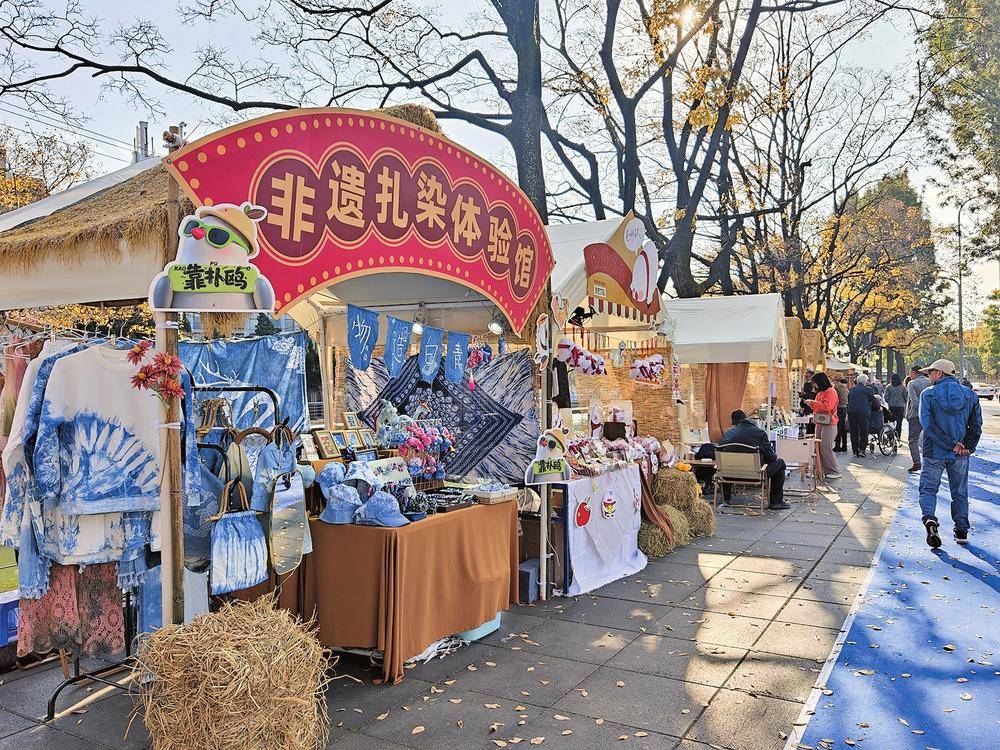
庆祝上合组织成立20周年油画雕塑陶艺国际作品展在蓉开展
Si Chuan Ri Bao· 2026-01-04 03:58
Core Viewpoint - The "Art Without Borders, Hearts Connected" international exhibition celebrating the 20th anniversary of the Shanghai Cooperation Organization (SCO) showcases the cultural and artistic achievements of member countries, featuring 206 works from 193 renowned artists [1][2]. Group 1: Exhibition Overview - The exhibition is co-hosted by the SCO Secretariat, China Art Research Institute, Sichuan Provincial Department of Culture and Tourism, and Chengdu Municipal Government [1]. - It marks the first "Cultural Year" of the SCO and is the first international art exhibition held in Western China [1]. - The exhibition includes 155 oil paintings, 31 sculptures, and 20 ceramic artworks, highlighting the diverse artistic expressions of SCO member countries [1]. Group 2: Artistic Contributions - The exhibition features works from notable international artists, including Mikhail Konstantinovich Anikushin, a prominent Soviet sculptor, and Vinod Kumar Daroz, a leading contemporary ceramic artist from India [2]. - Chinese oil painter Luo Zhongli presents a piece from his series "Hometown," while the late sculptor Qian Shaowu's work "Yugong Moves the Mountain" and renowned sculptor Wu Weishan's "Raising a Cup to Invite the Bright Moon" are also included [2]. - The exhibition is described as a high-level international showcase, reflecting the economic and cultural development of Chengdu [2]. Group 3: Public Access - The exhibition is open to the public free of charge until November 29 [3].
马上评|以文化滋养精神家园,让文化自信照亮前行之路
Xin Lang Cai Jing· 2026-01-01 07:31
Group 1 - The core message emphasizes the importance of culture in nurturing the spiritual home of the people, highlighting the integration of traditional and modern elements in Chinese culture [1][2] - The rise of cultural heritage and non-material cultural heritage has made traditional practices more accessible and relevant in daily life, with examples like paper-cutting and shadow puppetry gaining new life through modern platforms [1][2] - The domestic tourism market has seen significant growth, with 4.998 billion trips taken by residents in the first three quarters of 2025, an increase of 761 million trips or 18.0% year-on-year [1] Group 2 - New tourism trends such as red tourism, rural tourism, and industrial tourism are emerging, providing more opportunities for cultural and tourism integration [2] - The assertion that "culture is the soul of a nation" underscores the fundamental role of culture in national development and revitalization, promoting the creative transformation and innovative development of traditional culture [2] - The flourishing of cultural industries reflects not only economic prosperity but also the resurgence of national spirit, indicating that cultural vitality is essential for the strength of a nation [2]
走,赶一场热闹欢腾的大集
Xin Lang Cai Jing· 2025-12-20 20:03
Core Insights - The traditional agricultural markets, such as the Cao Wa market in Shandong, have gained immense popularity, attracting over 100,000 visitors in a single day and generating approximately 6 million yuan in daily sales [8][9][10] - The resurgence of these markets is attributed to their unique cultural experiences, affordable prices, and the nostalgic atmosphere they provide, which contrasts with the convenience of online shopping [10][12][16] Group 1: Market Popularity - The Cao Wa market has become a regional cultural tourism landmark, with a significant increase in visitors and online engagement, evidenced by over 400 million online views [6][8] - Other markets, such as the Shahe market in Beijing, have also seen a surge in popularity, with daily foot traffic exceeding 10,000 and sales surpassing 600,000 yuan [9][10] - The trend of visiting these markets has become a fashionable activity, with many tourists traveling across provinces to experience the vibrant atmosphere [8][10] Group 2: Consumer Experience - Visitors are drawn to the markets for the authentic culinary experiences, such as freshly made local delicacies, which are often perceived as more satisfying than online purchases [10][11] - The markets offer a unique sensory experience, characterized by the lively sounds of vendors and the aromas of various foods, which are difficult to replicate in online shopping [10][12] - The affordability and transparency of prices at these markets enhance their appeal, as consumers feel they receive good value for their money [11][12] Group 3: Cultural Significance - The markets serve as a platform for showcasing local culture and heritage, with many visitors expressing emotional connections to traditional foods and crafts [12][16] - Experts suggest that the popularity of these markets reflects a broader trend of consumers seeking diverse experiences beyond conventional tourism, such as engaging with local lifestyles [13][17] - The integration of cultural elements into market experiences, such as performances and artisan crafts, enhances their attractiveness and supports local economies [16][17] Group 4: Challenges and Recommendations - The rapid growth of these markets has led to challenges, including inadequate parking and overcrowding, prompting local authorities to implement improvements [15][16] - To sustain their popularity, it is recommended that market organizers focus on maintaining authentic experiences, ensuring fair pricing, and enhancing infrastructure to accommodate increased visitor numbers [15][16] - The rise of social media and online marketing has played a crucial role in promoting these markets, suggesting that leveraging digital platforms can further enhance visitor engagement and market growth [17]
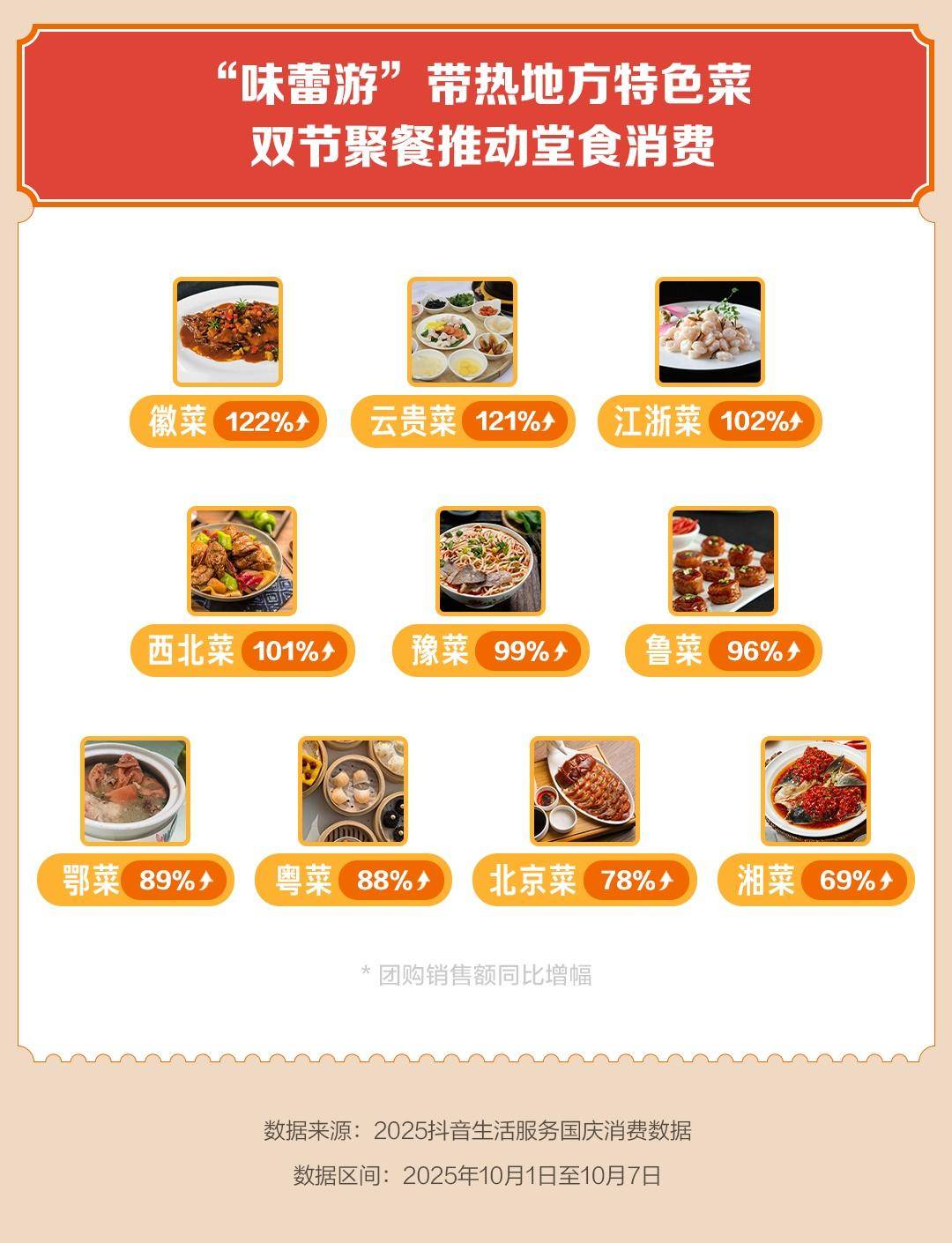
国庆线下消费火热,餐饮、住宿、购物等团购增超5成
Yang Zi Wan Bao Wang· 2025-10-09 01:46
Group 1 - The National Day holiday and Mid-Autumn Festival led to a significant increase in offline consumption across various categories, with notable growth in dining, accommodation, and shopping [2][5] - Douyin's group buying sales for local cuisine increased by 76% year-on-year, with autumn beverages up by 57% and accommodation up by 50% during the holiday period [2] - Experience-based consumption, particularly in cultural tourism, saw a surge, with orders for ancient towns and cities increasing by 299% [10] Group 2 - The demand for unique local accommodations surged, with orders for guesthouses and inns increasing by 75%, while economic, high-end, and comfortable hotels saw growth rates of 69%, 53%, and 49% respectively [5] - The popularity of non-heritage experiences, such as glass making and pottery, grew significantly, with Douyin group buying orders increasing by 270% and 206% respectively [10] - The top ten cities with the highest consumer spending during the holiday included Shanghai, Beijing, and Hangzhou, indicating strong consumer power in these regions [15]
走进约旦安曼“夏日集市”
人民网-国际频道 原创稿· 2025-07-30 02:31
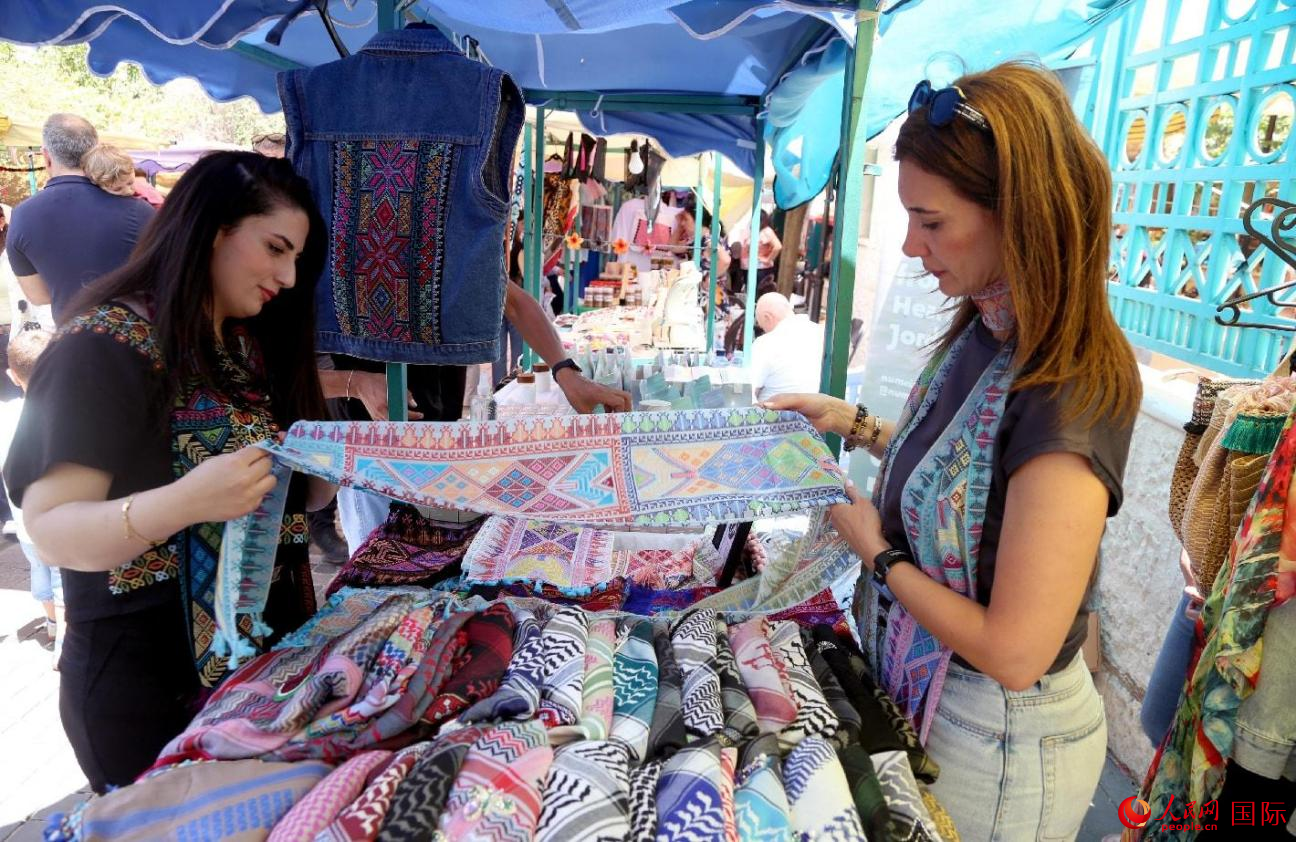
Core Viewpoint - The "Summer Market" event in the Jabal district of Amman, Jordan, has become a vibrant hub for locals and tourists, showcasing local artisans and their crafts, while enhancing the cultural life of the area [1]. Group 1: Event Overview - The "Summer Market" takes place every Friday from June to September and is organized by the Amman Jabal Residents Association, now in its 19th year [1]. - The market features a variety of products, including handmade crafts, jewelry, pottery, clothing, and homemade jams, juices, and olive oil [1]. Group 2: Community Impact - The event provides local artisans and small vendors with a platform to showcase their work, enriching the urban life of residents [1]. - The "Summer Market" has established itself as a must-visit destination for tourists in Amman, contributing to the local economy and cultural exchange [1].