香囊

Search documents
传统基因与时代活力的 双向奔赴
Xin Lang Cai Jing· 2026-02-24 19:18
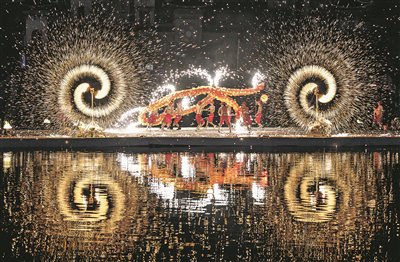
Core Viewpoint - The article highlights the vibrant revival of traditional Chinese culture during the Spring Festival, showcasing how various regions integrate non-material cultural heritage into contemporary celebrations, enhancing the festive atmosphere and community engagement [6][9][11]. Group 1: Cultural Events and Activities - In Hubei Province, folk artists performed "Fire Dragon Steel Flowers" at the Huashang City Fantasy Valley, illustrating the blend of tradition and modernity [2]. - In Shaanxi Province, folk performances such as the Yingge dance were held, emphasizing the lively spirit of the New Year [6]. - The "Opening Kiln" ceremony in Jiangsu's Yixing showcased ancient pottery techniques, attracting ceramic enthusiasts and highlighting the importance of cultural heritage [7]. Group 2: Non-Material Cultural Heritage - The China Non-Material Cultural Heritage Museum featured over a hundred projects related to traditional customs, creating a rich tapestry of New Year celebrations [7]. - In Shanghai, public interest in non-material heritage experiences surged after the successful application for UNESCO recognition, with hundreds of activities planned for the Spring Festival [9]. - Various regions, including Hunan and Zhejiang, incorporated interactive elements into their cultural displays, making traditional practices more accessible and engaging for the public [10][12]. Group 3: Technological Integration - The integration of technology into traditional cultural expressions was evident in Chongqing, where drone displays enhanced the festive experience, leading to increased nighttime consumer spending [12]. - In Dalian, AI and interactive technologies were used to create engaging experiences, merging traditional customs with modern innovations [13]. - The use of immersive experiences in cultural events allowed visitors to actively participate in the festivities, transforming passive observation into interactive engagement [12][13].

福建宁化:非遗闹春添年味 新春民俗引客来
Xin Lang Cai Jing· 2026-02-23 12:30
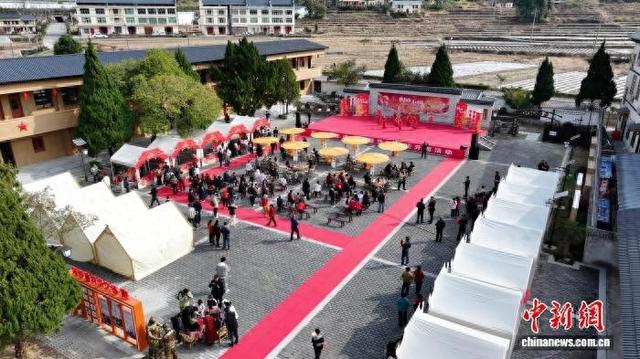
Group 1 - The event "Non-heritage Spring Festival, Fortune on the Way" was held in Chen Tang Village, Shibi Town, Ninghua County, Fujian Province, marking the opening of the "Chuan Chen Workshop" [1][3] - The ceremony featured a blend of traditional and modern Hakka culture, including non-heritage experiences, Hakka cuisine, and century-old folk customs, creating a vibrant cultural celebration [3][5] - Five non-heritage experience zones were opened, allowing visitors to engage in activities such as making pottery, sewing sachets, and learning paper-cutting and woodblock printing, enhancing the interactive experience of Hakka heritage [7]
文化新观察丨民俗新声迎新春:传统基因与时代活力的双向奔赴
Xin Hua She· 2026-02-23 02:19
Group 1 - The article highlights the revival of traditional customs and their integration with modern vitality during the 2026 Spring Festival, showcasing a dynamic interaction between cultural heritage and contemporary life [1] - Various regions in China are celebrating the New Year with rich cultural activities, including traditional performances and exhibitions that attract both locals and tourists [2][3] - The use of technology in cultural events is emphasized, with innovations such as drone light shows and interactive installations enhancing the experience of traditional customs [7][8] Group 2 - The article discusses the significance of intangible cultural heritage (ICH) in enriching the New Year celebrations, with numerous activities designed to engage the public and promote cultural participation [4][5] - There is a notable increase in public interest in ICH experiences following the successful application for UNESCO recognition, leading to a surge in related events and activities [4] - The integration of technology with traditional practices is transforming how cultural heritage is experienced, making it more interactive and accessible to a wider audience [6][8]
(新春走基层)国潮风起非遗焕新 长沙春节消费“文化味”十足
Xin Lang Cai Jing· 2026-02-15 11:36
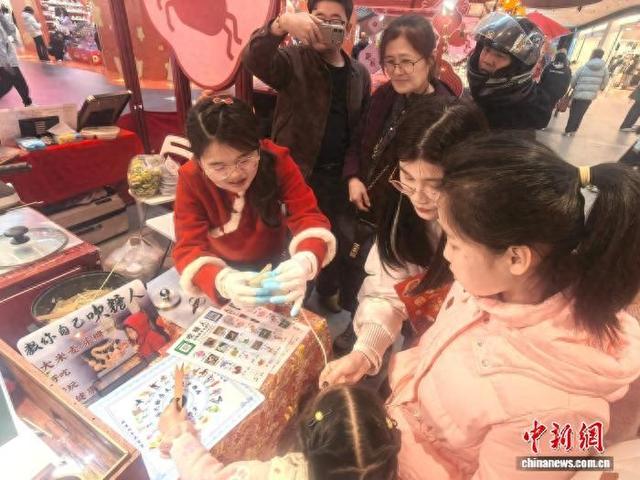
Group 1 - The core viewpoint of the article highlights the rising popularity of traditional cultural products and non-material cultural heritage (non-heritage) during the Spring Festival in Changsha, showcasing a blend of cultural and consumer experiences [1][7] - Traditional crafts such as sugar painting, dough figurines, and Hunan embroidery are integrated into modern shopping environments, attracting younger consumers and enhancing the festive atmosphere [1][3] - The "马上有喜市" non-heritage market features various traditional crafts, with local artisans showcasing their work, which has become a popular choice for consumers during the holiday season [3][5] Group 2 - The Fire Palace in Changsha has launched non-heritage gift boxes that combine local delicacies with trendy packaging, resulting in strong sales both online and offline [3][5] - The ongoing Lantern Festival at Jinggang Ancient Town features thousands of colorful lanterns and incorporates traditional crafts into its design, creating an engaging cultural experience for visitors [5][7] - The Hunan Yuhua Non-Heritage Museum is actively promoting the integration of non-heritage into modern life through various activities, aiming to meet cultural demands during the Spring Festival and enhance the market vitality of traditional culture [5][7]
(新春见闻)乘马年东风 “明星文物”文创IP“马”上出新
Xin Lang Cai Jing· 2026-02-10 12:49
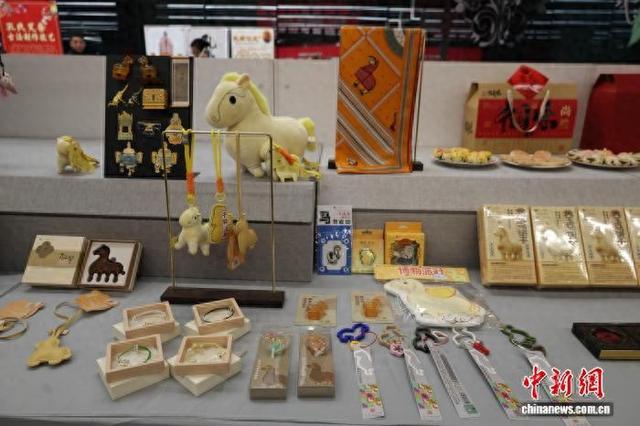
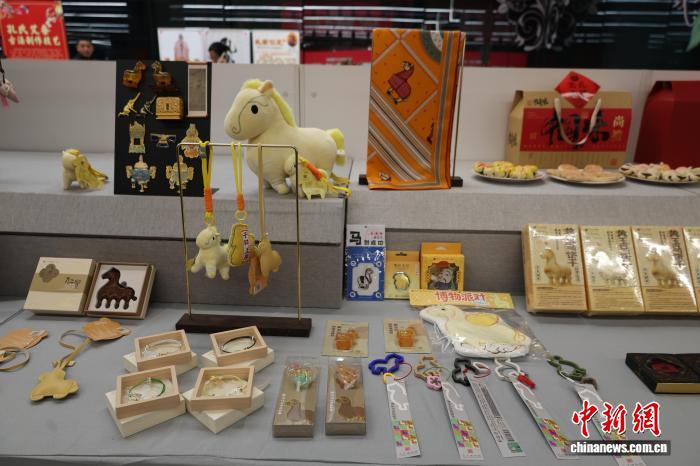
Core Viewpoint - The Confucius Museum is leveraging the cultural significance of the Warring States period jade horse to create a variety of cultural and creative products, enhancing its brand and attracting younger audiences through innovative marketing strategies [1][3][5]. Group 1: Product Development - The Confucius Museum has launched over 10 new cultural products inspired by the Warring States jade horse, including scarves, incense bags, and wooden combs, to celebrate the upcoming Year of the Horse [1][5]. - The museum's product matrix includes items like refrigerator magnets, dolls, and ice cream, which cater to various aspects of daily life and have gained popularity among younger consumers, even sparking a "proxy purchasing" trend [3][5]. Group 2: Marketing and Engagement - The museum has collaborated with the Shandong Spring Festival Gala to release a "Horse Big Yellow" WeChat sticker pack, which has been launched on the platform to broaden its reach [5]. - The museum aims to create a comprehensive development strategy for the jade horse IP, focusing on exhibition, product development, educational experiences, and AI interactions, moving towards a more systematic approach to cultural heritage utilization [5]. Group 3: Industry Trends - Other cultural institutions across China are also capitalizing on the Year of the Horse by developing new creative products based on their own significant artifacts, such as the Tang Dynasty black-glazed horse and the Gansu Province bronze galloping horse [7]. - Experts suggest that museums should deepen the narrative transformation of zodiac artifacts and enhance IP development by integrating light art and digital interaction to create immersive experiences for visitors [7].
(新春走基层)乘马年东风 “明星文物”文创IP“马”上出新
Zhong Guo Xin Wen Wang· 2026-02-10 09:06
Core Insights - The article discusses the innovative use of the "Yellow Jade Horse" from the Warring States period as a cultural and creative product (IP) by the Confucius Museum, launching over 10 new products in celebration of the Year of the Horse [1][4]. Group 1: Product Development - The Confucius Museum has developed a range of cultural products inspired by the Yellow Jade Horse, including scarves, sachets, and wooden combs, appealing to younger audiences and creating a "buying frenzy" [2][4]. - The museum's product matrix includes items like refrigerator magnets, toys, and ice cream, showcasing the versatility of the Yellow Jade Horse's image across various lifestyle products [2][4]. Group 2: Marketing and Engagement - The museum has collaborated with the Shandong Spring Festival to launch a "Horse Big Yellow" WeChat sticker pack, enhancing its outreach and engagement with a broader audience [4]. - The museum aims to create immersive experiences by integrating historical narratives with modern technology, such as digital interactions that allow visitors to virtually "ride" historical horses [6]. Group 3: Industry Trends - Other cultural institutions in China are also capitalizing on the Year of the Horse by launching their own creative products, such as the "One Black Horse" theme from the National Museum and the "Red Luck Ahead" horse figurine from the Gansu Provincial Museum [6]. - The trend indicates a shift in how cultural relics are utilized, moving from static displays to dynamic, interactive experiences that resonate with contemporary audiences [6].
鲜切花市场“供销两旺” 多样花卉文创伴手礼走俏深受消费者宠爱
Yang Shi Wang· 2026-02-07 03:15
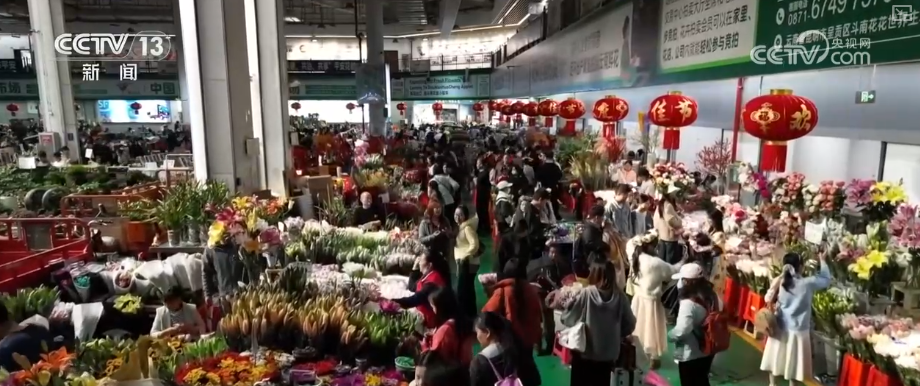
Core Viewpoint - The flower market in Yunnan Dou Nan is experiencing a peak in supply and sales as the Spring Festival approaches, with a strong demand for fresh-cut flowers and related products [1][3]. Group 1: Market Dynamics - The fresh-cut flower market is currently thriving, showing a robust supply and sales performance [1]. - The Dou Nan flower market is bustling with visitors, many of whom are actively purchasing flowers [3]. Group 2: Consumer Preferences - Various types of fresh-cut flowers are popular among consumers, while flower-themed creative gifts are also well-received [5]. - Tourists are buying flower cakes and scented products as gifts for family and friends, indicating a trend towards gifting floral items [5]. Group 3: Sales Projections - According to the director of the Kunming Flower Auction Center, the daily transaction volume is approaching 5 million stems, with an expected increase of approximately 500,000 stems daily [7]. - A peak in trading activity is anticipated around February 10th and 11th, indicating a significant surge in market activity during this period [7].
青塔街道举办“温暖同行”新春文化庙会
Xin Lang Cai Jing· 2026-02-06 11:38
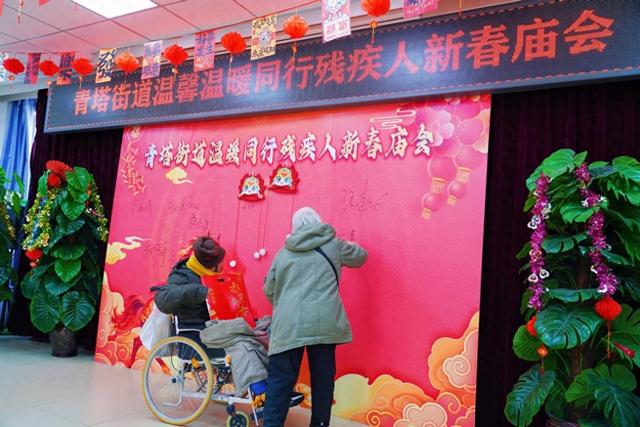
Core Viewpoint - The event "Warm Together" is a cultural fair for people with disabilities, featuring various activities that promote cultural engagement, fun, and accessibility [1]. Group 1: Event Overview - The fair includes seven main sections: joyful games, New Year blessings, Chinese folk customs, intangible cultural heritage experiences, heartwarming dining, rehabilitation services, and on-site charity sales [1]. - A photo backdrop was set up for participants to capture memorable moments, enhancing the sense of community and celebration [3]. Group 2: Interactive Activities - The games area features interactive activities themed around the New Year zodiac, such as "Rushing the Horse into the Fortune Gate" and "Fun Horse Ring Toss," encouraging participation and ensuring safety [5]. - Participants engaged in traditional cultural experiences, including writing the character "Fu" and making window flowers, fostering a deeper connection with Chinese heritage [7]. Group 3: Culinary and Craft Experiences - The dining area offered delicacies like tiramisu and snacks, providing a quality tea break experience that conveys warmth and care from the community [7]. - A charity sale showcased handmade crafts by participants, including symbolic "Red Horse" bracelets and elegant pearl brooches, allowing them to express creativity and share their work with the public [9][10]. Group 4: Support Services - Free services such as haircuts and rehabilitation massages were provided, demonstrating practical support and health care for participants [10]. - The event emphasized respect, equality, and care for people with disabilities, aiming to create a more friendly and convenient living environment in the community [10].
老外在上海体验中医
Xin Lang Cai Jing· 2026-01-31 07:07
Core Viewpoint - The article highlights the growing interest of international travelers, particularly from Australia, in experiencing traditional Chinese medicine (TCM) as part of their cultural exploration during their visit to China [1] Group 1: Cultural Experience - Australian travelers Bao-Tram Lam and Henry Lam incorporated TCM into their travel itinerary while visiting Shanghai [1] - They engaged in hands-on activities such as making herbal sachets and learning about the history and uses of traditional Chinese medicinal materials at the Shanghai University of Traditional Chinese Medicine's Longhua Hospital International Medical Center [1] - The travelers expressed a deep appreciation for TCM and indicated their intention to incorporate it into their lives upon returning to Australia [1]
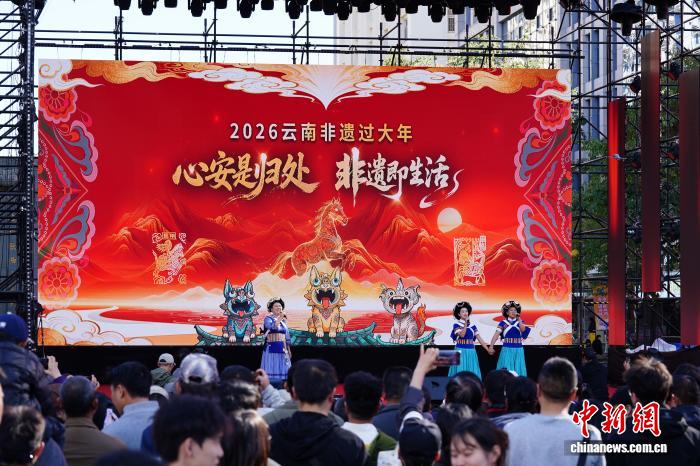
云南非遗过大年启幕 127场活动营造新春氛围
Zhong Guo Xin Wen Wang· 2026-01-30 12:57
Core Viewpoint - The "Yunnan Intangible Cultural Heritage New Year" series of activities has been launched, featuring 127 events aimed at promoting local culture and tourism during the Spring Festival [1][3]. Group 1: Event Overview - The series includes various types of activities such as "Ancient City New Year," "Intangible Heritage Museum New Year," and "Intangible Heritage New Year Shopping Month" [1]. - The opening ceremony took place on January 30 at Kunming's Nanping Square, highlighting the integration of intangible cultural heritage with tourism and cultural creativity [1][3]. Group 2: Specific Activities - From January 30 to February 1, a series of immersive experiences will be held at Kunming's Nanping Square, including performances of traditional songs, dances, and sports [3]. - The "Peach Blossom Water - Intangible Heritage Performance Garden" showcased various traditional performances, attracting many visitors [3]. Group 3: Cultural Products and Sales - The "Market Crafts - Intangible Heritage New Year Goods Garden" featured popular cultural products, particularly those themed around the Year of the Horse, such as ceramic works and traditional crafts [5][6]. - Notable sales included over 20,000 units of zodiac snake pendants last year, with the new zodiac horse pendants already selling over 10,000 units [5][6]. Group 4: Cultural Significance - Yunnan Province is home to over 10,000 representative projects of intangible cultural heritage, showcasing the rich diversity and unique characteristics of its various ethnic groups [6].