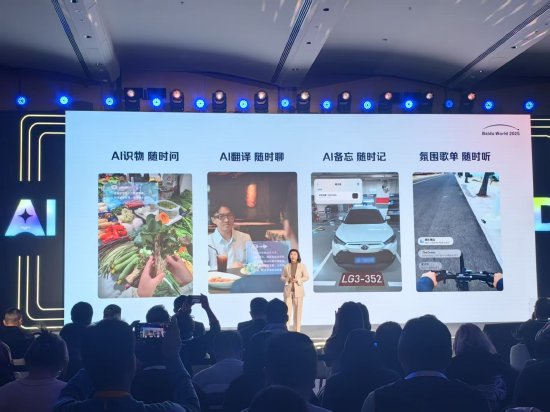
小度AI眼镜PRO

Search documents
盯上你的眼,苹果、谷歌也加入“百镜混战”
2 1 Shi Ji Jing Ji Bao Dao· 2025-12-19 12:39
Group 1 - Apple has paused its Vision Pro upgrade plan to focus on developing AI smart glasses, with an entry-level model expected to debut in 2026 [2] - Google has officially announced its return to the smart glasses market, intensifying competition in the sector [2] - In the domestic market, companies like Li Auto, Alibaba, Baidu, Huawei, and Xiaomi are actively launching their own smart glasses, indicating a fierce competition among tech giants [2] Group 2 - The competition for smart glasses is driven by the desire to establish the next generation of human-computer interaction, with smart glasses seen as a key hardware component in the AI multimodal era [3] - Major companies view smart glasses as an extension of their ecosystems and a means to leverage AI capabilities, transforming brand power into market momentum [3] - Li Auto's AI glasses, Livis, have generated significant interest, with reports of high foot traffic and product shortages in stores [3] Group 3 - Consumers are attracted to smart glasses not only for compatibility with their vehicles but also for their aesthetics and quality, indicating that these products can enhance brand ecosystems and fan engagement [4] - Alibaba's Quark AI glasses have quickly gained orders due to their smooth integration with the Quark browser and AR functionalities, addressing previous limitations of traditional smart glasses [4] - The industry is in need of a new core hardware solution as smartphones reach physical innovation limits, with smart glasses positioned as a crucial interface for connecting the physical and digital worlds [4] Group 4 - The smart glasses market is expanding beyond major players, with smaller companies also seeking growth opportunities, particularly in industrial and health monitoring applications [5] - Companies like Huashengchang are focusing on developing AI glasses for industrial applications, enhancing efficiency and precision in operations [5] - Industry experts suggest that smaller firms should concentrate on core components, professional manufacturing, or niche markets to establish competitive advantages [6] Group 5 - The relationship between smart glasses and smartphones is expected to be complementary rather than one replacing the other, as both technologies will evolve together [7] - Current technological challenges such as weight, battery life, and display quality are still present, indicating that the industry is on the brink of significant growth [7] - Consumer expectations for smart glasses vary, with a significant portion believing they will be widely used, while others see limited applications [7] Group 6 - The smart glasses market is projected to grow significantly, with sales expected to reach 1.265 million units in 2024, a year-on-year increase of approximately 90.8%, and a market size of around 4.69 billion yuan [8] - By 2029, sales could reach 41.53 million units, with the market potentially exceeding 100 billion yuan, highlighting the substantial market potential driving competition [8] - The integration of AI models and user experience is seen as a critical factor in determining the future direction of the industry [8] Group 7 - As of December 19, key players in the smart glasses supply chain have shown active stock performance, with companies like Lens Technology and Doctor Glasses experiencing notable stock price increases [9]




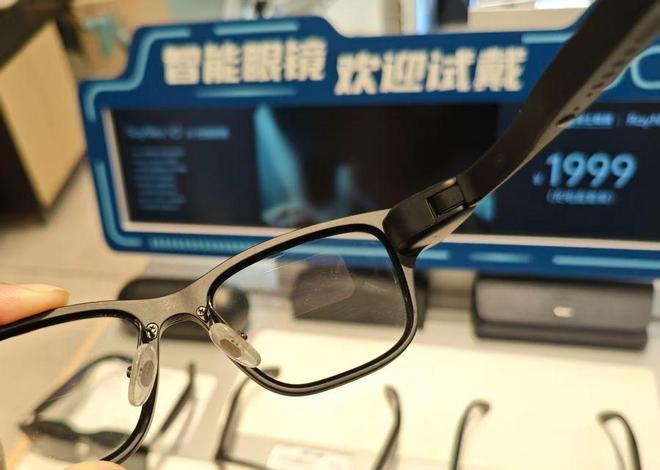
盯上你的眼 苹果、谷歌也加入“百镜混战”
2 1 Shi Ji Jing Ji Bao Dao· 2025-12-19 12:38
Group 1 - Major tech companies like Apple and Google are intensifying their focus on the smart glasses market, with Apple pausing its Vision Pro upgrade plans to accelerate AI smart glasses development, expected to launch in 2026 [1] - The competition in the smart glasses sector is heating up in China, with companies like Li Auto, Alibaba, Baidu, Huawei, and Xiaomi launching their own AI glasses, indicating a cross-industry battle involving tech, internet, and new energy sectors [1][2] - The entry of established tech giants and new players into the smart glasses market signifies a strategic move to capture the next generation of human-computer interaction, positioning smart glasses as a key hardware in the AI multimodal era [2][4] Group 2 - The smart glasses are seen as an extension of existing ecosystems and a means to leverage AI capabilities, with Li Auto's Livis glasses gaining significant consumer interest and sales [4] - Alibaba's Quark AI glasses have also seen strong sales due to their practical features, indicating that major internet companies are finding viable paths in this new market [4] - The industry is at a critical juncture, with startups needing to focus on niche markets or technological breakthroughs to survive amidst competition from larger firms [5][6] Group 3 - The relationship between smart glasses and smartphones is expected to be complementary rather than one replacing the other, as both technologies evolve together [7] - Current technological limitations in smart glasses, such as weight and battery life, indicate that the industry is still in its early stages, with significant growth potential ahead [7][8] - The global market for smart glasses is projected to grow significantly, with sales expected to reach 41.53 million units by 2029, potentially exceeding 100 billion yuan in market size [8] Group 4 - The influx of major players into the smart glasses market is expected to accelerate technological advancements and reshape industry standards, while also creating challenges for smaller brands [9] - The competitive landscape is shifting from price wars to technology-driven competition, emphasizing the importance of AI integration and user experience [9][11] - Key supply chain companies in the smart glasses sector have shown active stock performance, reflecting investor interest and market optimism [11]



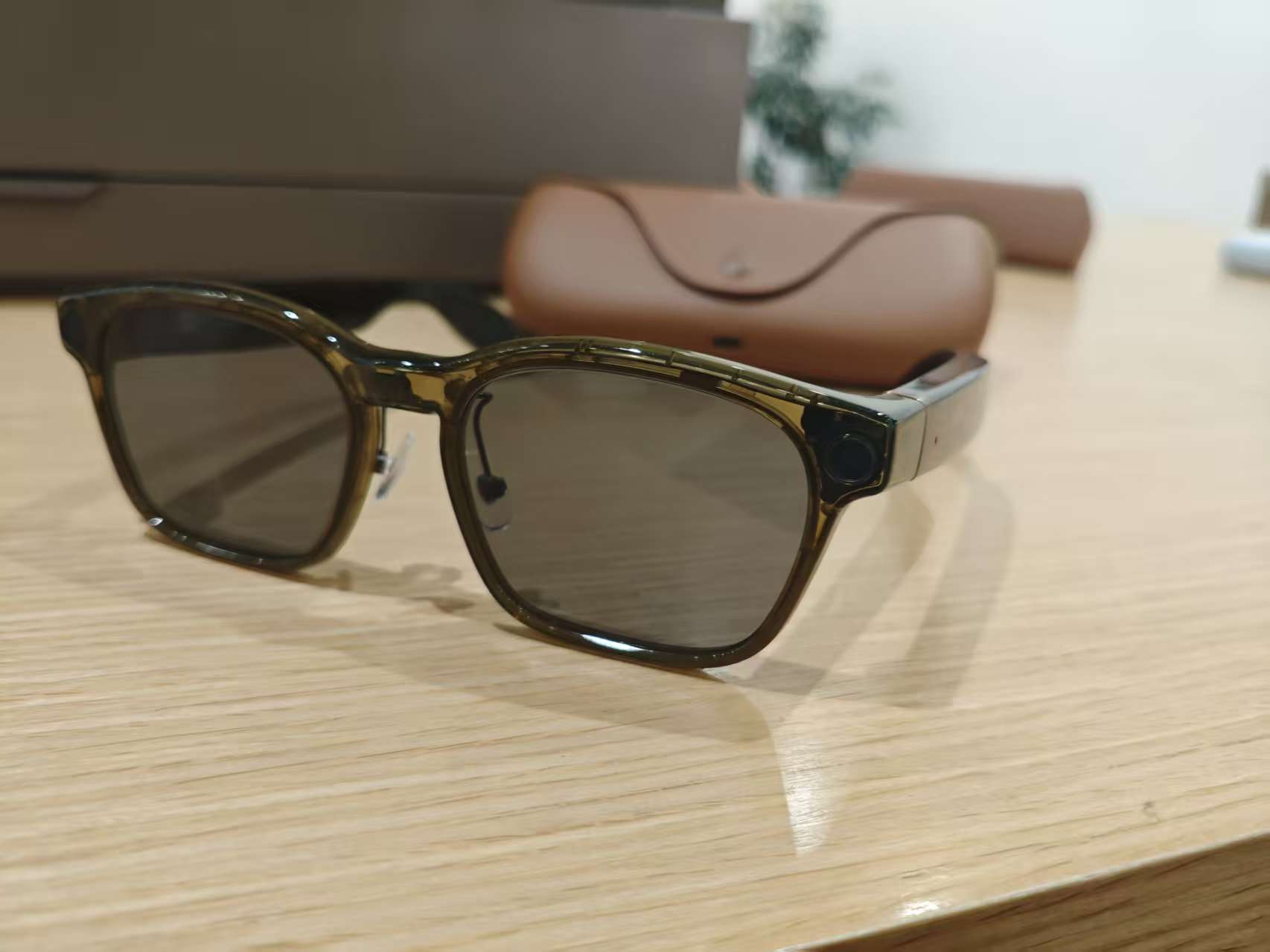
谷歌引爆AI眼镜,资本追逐新风口
Huan Qiu Wang· 2025-12-09 09:14
Group 1 - The core point of the article highlights the emergence of an AI-driven wearable device revolution, with Google launching the Android XR platform and Project Aura AI glasses in collaboration with XREAL, set to be released in 2026, marking a new phase in the AR industry [1] - Major tech companies are entering the AI glasses market, with domestic players like Baidu and Alibaba also launching their AI glasses, indicating a competitive race for the next generation of computing platforms [1] - The market's enthusiasm is reflected in stock prices, with nearly 80% of approximately 120 AI glasses concept stocks in A-shares seeing price increases this year, and 11 stocks experiencing over 100% growth [4] Group 2 - IDC forecasts that global smart glasses shipments will exceed 23.687 million units by 2026, indicating a shift towards large-scale growth in the market [2] - High R&D investment is crucial for success in this technology race, with over 50% of AI glasses concept stocks reporting R&D expenses exceeding 100 million yuan in the first three quarters [4] - Institutional investors are showing increased interest, with companies like Luxshare Precision receiving attention from 346 institutions, highlighting the potential for smart glasses and headphones to achieve significant market scale [4]

“百镜大战”白热化 产业链上市公司加速创新
Xin Lang Cai Jing· 2025-11-14 23:07
Core Insights - Baidu officially launched the Xiaodu AI Glasses PRO, marking its entry into the competitive AI glasses market, which is referred to as the "Hundred Glasses War" [1] - The AI glasses market is experiencing rapid growth, with significant increases in sales during the recent "Double 11" shopping festival, indicating strong consumer demand [1] - Industry experts believe that the AI glasses sector is still in its early exploration phase, with substantial market potential ahead [2] Market Growth - Tmall reported a 2500% year-on-year increase in sales for AI glasses during the "Double 11" period, making it one of the fastest-growing categories in the digital industry [1] - JD.com also noted over 100% growth in sales of digital AI products, with AI glasses sales surging by 346%, leading the growth among subcategories [1] - The market is becoming increasingly competitive, with numerous brands such as Xiaomi, Baidu, and others entering the AI glasses space [1] Industry Development - The global shipment of smart glasses is projected to reach 12.8 million units by 2025, with a 26% year-on-year growth, and the Chinese market expected to exceed 2.75 million units, growing by 107% [2] - Companies are focusing on hardware innovation and software iteration as essential factors for developing successful AI glasses products [2][3] Technological Advancements - TCL's subsidiary showcased a high-resolution 0.28-inch full-color silicon-based Micro LED display, which is considered a significant advancement in optical display technology for AI glasses [3] - Guangdong Green Precision Components Co., Ltd. is providing comprehensive technical solutions and manufacturing services for precision structural components used in AI glasses [3] - Rainbow Soft Technology Co., Ltd. is enhancing user experience through visual algorithms that address challenges like low-light performance and noise reduction [3] Future Outlook - The next 1 to 2 years are seen as critical for shaping the industry landscape, with collaborative innovation across the supply chain expected to enhance product functionality and user experience [4]
“百镜大战”白热化产业链上市公司加速创新
Zheng Quan Ri Bao Zhi Sheng· 2025-11-14 16:09
Core Insights - Baidu officially launched the Xiaodu AI Glasses PRO, marking its entry into the competitive AI glasses market, which is referred to as the "Hundred Glasses War" [1] - The AI glasses market is experiencing rapid growth, with Tmall reporting a 2500% year-on-year increase in sales during the "Double 11" shopping festival, and JD.com reporting a 346% increase in AI glasses sales [1] - The AI glasses industry is still in its early exploration stage, with significant market potential as a future human-computer interaction interface [2] Market Growth - The AI glasses market is witnessing substantial sales growth, with various brands like Xiaomi, Baidu, and Lenovo entering the space, indicating a highly competitive environment [1] - IDC forecasts that global smart glasses shipments will reach 12.8 million units by 2025, with China's market expected to exceed 2.75 million units, reflecting a 107% year-on-year growth [2] Industry Innovation - Companies are innovating across the supply chain, with TCL showcasing a high-resolution MicroLED display for AI glasses, and Guangdong Green Precision providing comprehensive solutions for precision components [3] - Software advancements are also crucial, with companies like Hongsoft Technology enhancing user experience through visual algorithms that improve functionalities such as night scene recognition and video stabilization [3] Future Outlook - The next 1 to 2 years are critical for shaping the industry landscape, with collaborative innovation across the supply chain expected to enhance product functionality and user experience, potentially leading to market explosion [4]


百度发布小度AI眼镜PRO,售价2299元支持实时翻译
Xin Lang Ke Ji· 2025-11-13 07:55
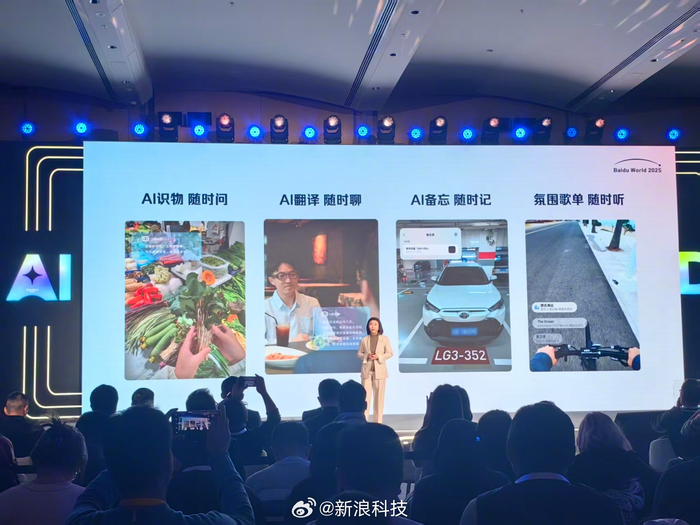
Core Insights - Baidu has officially launched the AI glasses PRO at a price of 2299 yuan during the 2025 Baidu World Conference [1] Product Features - The AI glasses PRO are equipped with functionalities such as AI object recognition, AI translation, AI reminders, and AI meeting minutes [1] - The AI translation feature offers real-time translation with a delay of only 3 seconds, optimized for sectors like healthcare and finance, achieving translation quality comparable to human translators [1] - The AI meeting minutes capability allows the glasses to summarize discussions and organize to-do lists [1] Collaboration - Baidu has partnered with NetEase Cloud Music to develop a music playback feature for the AI glasses [1]
百度AI眼镜官宣PRO发布,售价2299元
Xin Lang Ke Ji· 2025-11-13 06:51
Core Insights - Baidu Group's Vice President and CEO of Xiaodu Technology, Li Ying, announced the official launch of Xiaodu AI Glasses PRO at the 2025 Baidu World Conference [1] - The AI glasses feature capabilities such as AI object recognition, AI translation, AI reminders, and AI meeting minutes [1] - The AI translation function can provide real-time translation with a delay of only 3 seconds, optimized for sectors like healthcare and finance, achieving translation quality comparable to human translators [1] - Xiaodu AI Glasses can also summarize meetings and organize to-do lists [1] - The retail price of the AI glasses is set at 2299 yuan, and they are available for purchase on e-commerce platforms like JD.com [1]