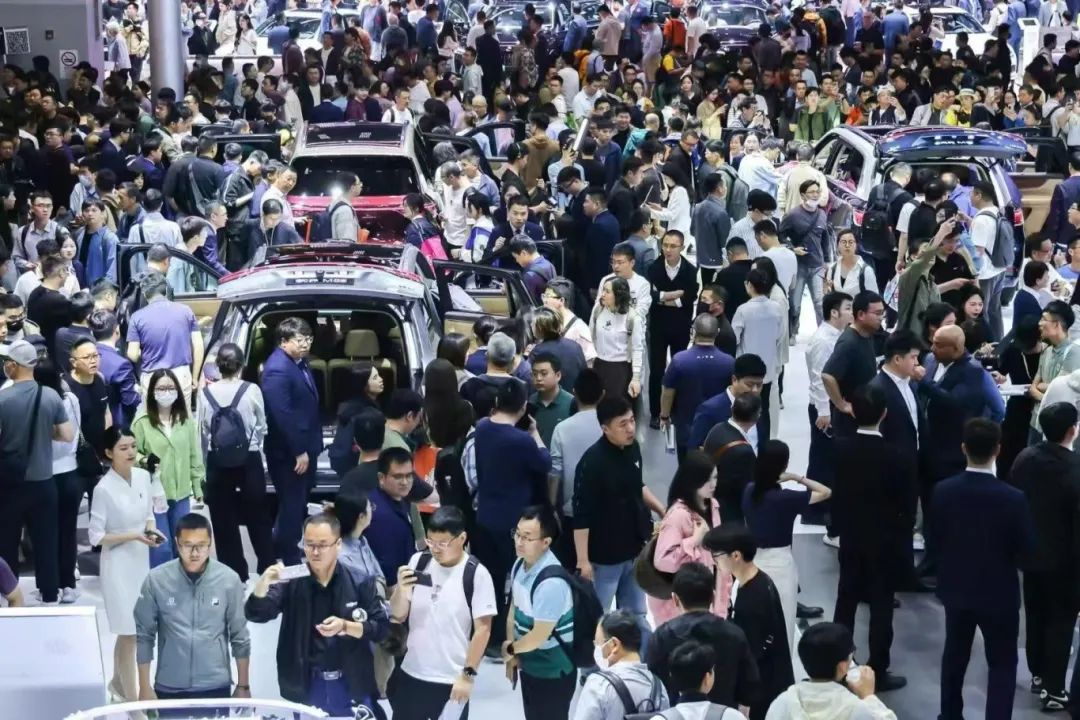
小鹏增程版X9

Search documents
增程换纯电,蔚来们苦等的拐点来了?
Xin Lang Cai Jing· 2025-09-06 10:24
Group 1 - NIO's recent half-year report for 2025 shows a significant recovery with 72,056 vehicle deliveries in Q2, marking a 25.6% year-on-year increase and a 71.2% quarter-on-quarter increase, although the company has not yet achieved profitability [1] - CEO Li Bin highlighted the challenges ahead but noted the arrival of a turning point in the pure electric vehicle market, which could reshape the strategies of various automakers and the industry landscape [1] - The sales data indicates a clear shift in consumer preference towards pure electric vehicles, with cumulative sales of pure electric cars reaching 4.415 million units in the first half of 2025, a 46.24% increase year-on-year, while range-extended vehicles lagged behind with only 538,000 units sold, a 16.5% increase [2][6] Group 2 - The decline in range-extended vehicle sales is evident, with July 2025 sales dropping to 102,000 units, an 11.4% year-on-year decrease, while pure electric vehicle sales saw a 24.5% increase during the same period [2] - Companies like Li Auto are adjusting strategies in response to declining sales, launching new pure electric models and reducing vehicle prices to maintain market share, with average vehicle prices dropping from 331,000 yuan in 2022 to 260,000 yuan in Q2 2025 [3] - Leap Motor has shifted its strategy to focus on pure electric vehicles, achieving 221,664 deliveries in the first half of 2025, while other brands like AITO are also adapting by introducing new models that blur the lines between pure electric and range-extended vehicles [4] Group 3 - The competitive landscape is changing as pure electric vehicles are increasingly seen as more viable, with advancements in battery technology and charging infrastructure alleviating consumer range anxiety [6][8] - The charging infrastructure in China has expanded significantly, with 16.696 million charging points available, allowing for a ratio of approximately two charging points for every five vehicles [8] - As the advantages of range-extended vehicles diminish, manufacturers are exploring new strategies, such as larger batteries and faster charging capabilities, but this raises concerns about increased costs and weight [9][10] Group 4 - Despite the challenges faced by range-extended vehicles, there remains a market for them, as some consumers still value the flexibility of having both electric and fuel options [11] - The future of both pure electric and range-extended vehicles will depend on product quality, supply chain stability, and cost control, rather than solely on technological differentiation [11][12] - Companies must adapt to changing market demands and refine their product strategies to capture opportunities in the evolving automotive landscape [12]


小鹏半年营收飙涨近200亿,毛利率超特斯拉,何小鹏放话9月销量超4万
3 6 Ke· 2025-08-19 23:34
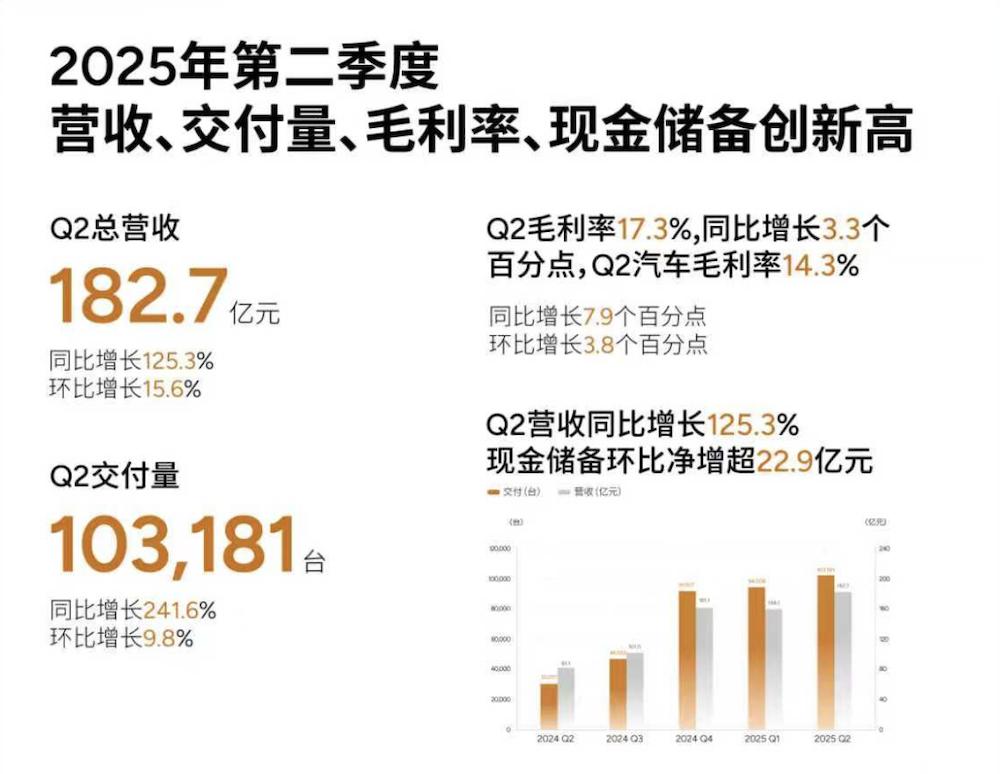
Group 1 - The core focus of Xiaopeng Motors for the next two years includes the mass production of the extended-range X9 in Q4, with a positioning of 400,000 RMB and a comprehensive range exceeding 1,500 km, aiming for domestic and international launches next year [1][9] - Xiaopeng Motors is entering a new product cycle with dual energy vehicles, confident in achieving scale leadership and entering a new phase of self-sustaining profitability [2][8] - The company reported a significant increase in revenue for the first half of 2025, reaching 34.08 billion RMB, a 132% year-on-year growth, with a daily average income of 189 million RMB [5][41] Group 2 - Xiaopeng's net loss for the first half of 2025 was 1.14 billion RMB, a reduction of 1.5 billion RMB compared to the same period in 2024, while cash reserves stood at 47.57 billion RMB [5][33] - The gross margin for Xiaopeng's electric vehicles reached a historic high of 17.3% in Q2 2025, surpassing Tesla's 17.2% [5][38] - The company aims to deliver over 40,000 vehicles monthly starting in September, with the new P7 model positioned at 300,000 RMB [6][15] Group 3 - Xiaopeng plans to launch L4 capable models next year, initiating Robotaxi pilot operations, with a focus on pre-installed L4 capabilities [18][20] - The company will equip its Ultra versions with three self-developed Turing AI chips, significantly enhancing computational power [22][25] - Xiaopeng's average vehicle price ranges from 100,000 to 500,000 RMB, with a focus on aesthetics and technology to attract consumers [28][30] Group 4 - The company has set ambitious sales targets for Q3 2025, expecting vehicle deliveries between 113,000 and 118,000 units, representing a year-on-year growth of approximately 142.8% to 153.6% [43][44] - Xiaopeng's revenue guidance for Q3 2025 is projected between 19.6 billion and 21 billion RMB, indicating a year-on-year growth of about 94% to 107.9% [44] - The company is focused on enhancing its foundational capabilities while balancing R&D investments with profitability [45]

增程,难卖
3 6 Ke· 2025-08-13 03:14
Core Viewpoint - The article discusses the challenges faced by range-extended electric vehicles (REEVs) in the Chinese automotive market, highlighting a shift in consumer preference towards pure electric vehicles (BEVs) and plug-in hybrids (PHEVs) [1][2][3]. Market Performance - In July, the retail penetration rate for new energy vehicles reached a historical high of 54%, with BEV sales at 607,000 units (up 24.5% year-on-year), PHEV sales at 278,000 units (down 0.1% year-on-year), and REEV sales at only 102,000 units (down 10.4% year-on-year) [3]. - From January to July, REEVs had a year-on-year growth of 12.1%, significantly lower than BEVs at 35.2% and PHEVs at 25.2% [3]. Market Dynamics - The decline in REEV sales is attributed to the explosive growth of BEVs, which have increasingly crowded the market, particularly in the mainstream segment [5][8]. - Many early REEV adopters are now switching to BEVs as they enter the vehicle replacement cycle, indicating a broader industry trend [7]. Competitive Landscape - The mid-to-high-end market for REEVs has become increasingly competitive, with numerous brands entering the space, leading to intensified competition [11][13]. - Companies like Li Auto and Aito have experienced significant fluctuations in delivery volumes, with Li Auto's July deliveries dropping from 50,000 to 30,000 units year-on-year [11][14]. Consumer Preferences - The article notes that consumers are increasingly favoring larger battery capacities and faster charging capabilities in REEVs, which are seen as a response to range anxiety [19][21]. - The perception of REEVs is shifting, with some consumers questioning the rationale behind choosing REEVs over BEVs, given the advancements in battery technology [19][21]. Future Outlook - The article suggests that the future landscape will likely see BEVs dominating the mainstream market, with REEVs remaining relevant in the mid-to-high-end segment, albeit as a smaller player [16][23]. - The trend towards larger batteries and faster charging in REEVs is expected to continue, as manufacturers adapt to consumer demands [17][23].