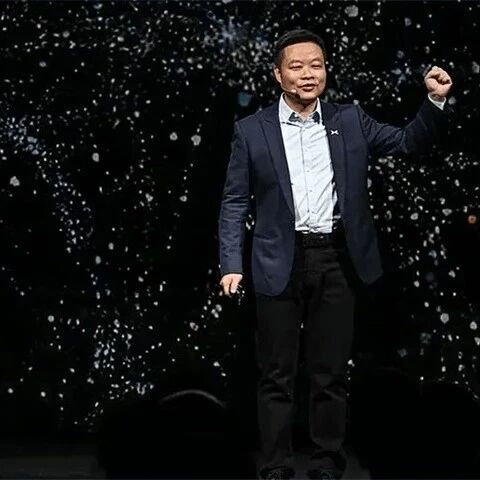
小鹏G7

Search documents
小鹏G7车主分享:东北最南端挑战纯电,纠结是否氪金上更高阶智驾
车fans· 2026-03-22 05:26
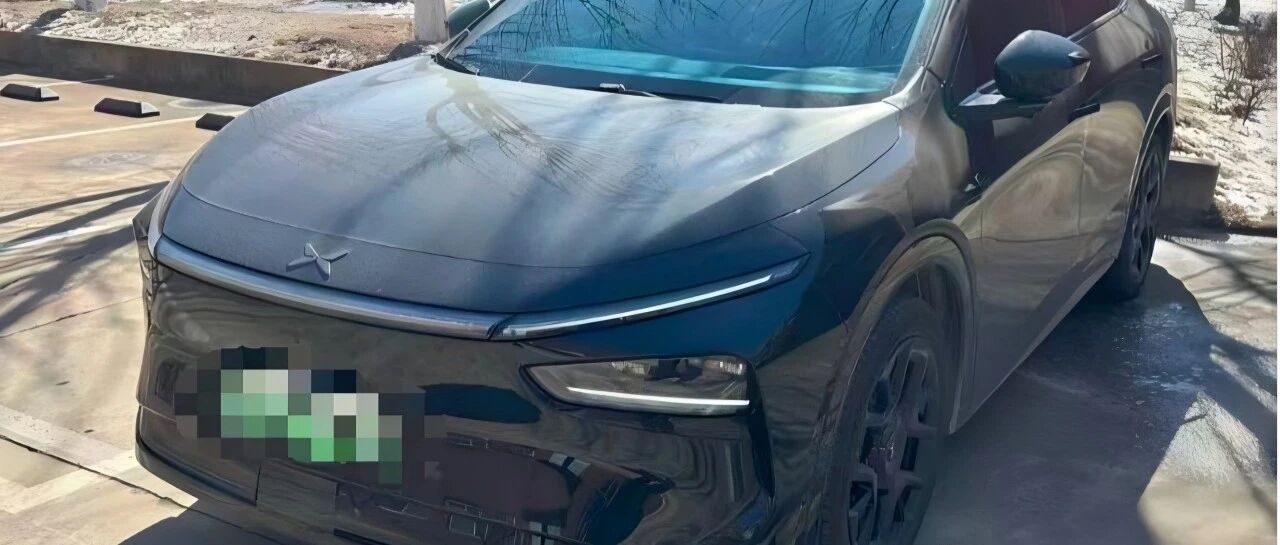
Core Viewpoint - The article discusses the purchase experience and user feedback of the 2026 model Xpeng G7 602 Pure Electric MAX version, highlighting the decision-making process, comparisons with competitors, and overall satisfaction with the vehicle [1][3][16]. Purchase Details - The vehicle was purchased for a total of ¥188,000 after discounts, with a financing plan resulting in a monthly payment of ¥2,630 [3]. - The original price was ¥201,800, with various discounts including a manufacturer discount of ¥8,000 and a scrapping subsidy of ¥20,000 [3]. Competitor Comparison - Initially, the buyer considered second-hand and joint venture electric vehicles, including a used Tesla Model Y, but concerns about battery life and company policies led to a shift towards domestic brands [6][9]. - The buyer evaluated several models, including NIO ES6, Zeekr 7X, and Xpeng G6, before ultimately choosing the G7 due to its driving experience and features [7][9]. Purchase Experience - The purchase was made at a newly established Xpeng dealership in Dalian, which previously operated as a Volvo dealership [11]. - The negotiation process involved multiple discussions with sales representatives, particularly regarding the scrapping subsidy, but the delivery experience was reported as smooth [12]. Vehicle Performance and User Experience - After one month and 3,600 kilometers of use, the buyer noted that the Xpeng G7's autonomous driving features (XNGP 3.0) were conservative in extreme conditions, with hopes for improvements in future software updates [14]. - Charging speed was praised, with the ability to recharge from 30% to full in about 20 minutes at fast charging stations, alleviating range anxiety [14]. - The vehicle's noise insulation was criticized, particularly regarding tire noise, despite the use of Michelin tires [14][16]. Overall Satisfaction - The buyer expressed overall satisfaction with the G7, considering it a suitable second family vehicle, although improvements in intelligent driving capabilities were desired [16]. - The G7's pricing was highlighted as competitive compared to alternatives like the Tesla Model Y, which would require significantly higher investment for similar features [16].


销量翻倍,扭亏为盈!哪些车企2025年表现“夯”爆了?
电动车公社· 2026-02-20 16:06
Core Viewpoint - The article discusses the competitive landscape of the electric vehicle (EV) market in 2025, highlighting several companies that have performed exceptionally well amidst fierce competition. Group 1: Leap Automotive - Leap Automotive achieved a remarkable milestone in 2025 with nearly 600,000 units delivered, doubling its delivery volume from the previous year and becoming the sales champion among new forces [8] - The company reported a revenue of 24.25 billion yuan in the first half of 2025, a year-on-year increase of 174% [14] - Leap's gross margin improved significantly from 8.4% to 14.1%, leading to a net profit turnaround, making it the second new force brand to achieve profitability after Li Auto [15] - The successful product lineup includes models like the Leap B01, which offers high value for money with advanced features [16][19] - Leap's overseas sales exceeded 67,000 units, accounting for over 10% of total sales, aided by support from Stellantis [21] Group 2: NIO Automotive - NIO announced its first quarterly profit in Q4 2025 after 11 years of operation, marking a significant turnaround [28] - The company delivered 326,000 vehicles in 2025, a 46.9% year-on-year increase, with Q4 deliveries reaching 125,000 units, nearly 1.7 times that of the same period in 2024 [31][32] - NIO's success is attributed to its brand and product strategy, including the launch of the sub-brand "Ladao" and the new ES8 model, which has a gross margin of 20% [35][36] - The company achieved a milestone of 100 million battery swaps, demonstrating the viability of its battery swap model [38] Group 3: XPeng Motors - XPeng delivered 429,000 vehicles in 2025, a 126% year-on-year increase, making it the second-largest new force brand after Leap [42] - The company reported a revenue of 54.46 billion yuan in the first three quarters of 2025, with a gross margin of 20.1% [45] - XPeng's flagship model, the MONA M03, accounted for 46% of total sales, showcasing its competitive edge in the market [46] - The company is also investing in AI technology and robotics, indicating a broader vision beyond traditional automotive manufacturing [54][59] Group 4: Geely Automotive - Geely achieved total sales of 3.0246 million vehicles in 2025, a 39% increase, surpassing its target of 3 million [61] - The sales of new energy vehicles reached 1.688 million units, a 90% increase, with a penetration rate of 55.8% [62] - The Geely Galaxy brand was a significant contributor, with sales nearing 1.24 million units, achieving the fastest cumulative sales record for a new energy brand [66] - The company's restructuring efforts have streamlined operations and improved efficiency across its brands and components [75] Group 5: Toyota Motor Corporation - Toyota maintained its position as the global sales leader in 2025 with 11.3 million vehicles sold, a 4.6% increase [79] - The North American market remained its largest, with sales of 2.51 million vehicles [81] - Despite challenges in the Chinese market, Toyota managed to sell 1.78 million vehicles, a slight increase of 0.2% [84] - The success of its hybrid models and the introduction of competitive electric vehicles like the GAC Toyota's Platinum 3X contributed to its strong performance [85][88]


小鹏汽车-W(09868.HK):看好VLA2.0能力 即将在26Q1全量推送
Ge Long Hui· 2026-02-15 21:03
Core Insights - Xiaopeng Motors is set to launch VLA 2.0 in March, significantly enhancing its intelligent driving capabilities with advanced hardware and software integration [1] - The year 2026 is projected to be a pivotal year for Xiaopeng Motors, marking the introduction of Robotaxi services and the launch of multiple new models [2] - The company is expected to see substantial growth in overseas sales, with a focus on expanding into European, Southeast Asian, Middle Eastern, and Latin American markets [3] - 2026 will also witness the mass production of advanced humanoid robots, aimed at commercial applications [4] - Investment recommendations highlight strong product cycles, overseas expansion, and emerging business opportunities in robotics and Robotaxi services [5] Group 1: VLA 2.0 and Intelligent Driving - Xiaopeng Motors will begin rolling out VLA 2.0 in March, featuring 2250 TOPS of in-car computing power and a cloud computing cluster with 30,000 cards [1] - The first batch of vehicles to receive the update includes the 2025 models of P7, G7, and X9, with subsequent models to follow [1] Group 2: Robotaxi and New Models - The company plans to launch three Robotaxi models in 2026, equipped with four Turing chips and a pure vision autonomous driving system [2] - Xiaopeng's first large six-seater SUV, the GX, has begun L4 autonomous driving tests on public roads [2] Group 3: Overseas Expansion - In 2025, Xiaopeng delivered 45,000 vehicles overseas, marking a 96% year-on-year growth, with expectations for continued strong growth in 2026 [3] - The company will introduce three new models in overseas markets, including P7+ and Mona SUVs, while focusing on local production partnerships in Europe, Indonesia, and Malaysia [3] Group 4: Robotics and Future Innovations - Xiaopeng showcased its latest generation Iron robot, with plans for mass production by the end of 2026, targeting commercial service applications [4] Group 5: Investment Outlook - The company anticipates total vehicle sales of approximately 430,000, 570,000, and 840,000 units from 2025 to 2027, with total revenues projected at 75.2 billion, 103.1 billion, and 145.5 billion RMB respectively [5] - The valuation for the partnership with Volkswagen is estimated at 30.3 billion HKD, while the main business is valued at 169.9 billion HKD, leading to a total valuation of 200.2 billion HKD [5]
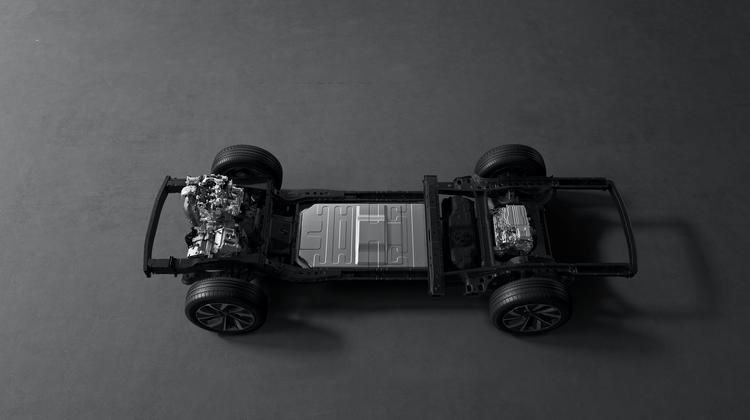
插混车型增程化行得通吗?
Zhong Guo Qi Che Bao Wang· 2026-02-11 02:01
Core Viewpoint - The emergence of range-extended vehicles is becoming a significant trend in the automotive industry, with various manufacturers launching new models, leading to a blurring of lines between plug-in hybrids and range-extended vehicles [1][3]. Group 1: Market Trends - Numerous car manufacturers, including XPeng and Volkswagen, are introducing range-extended models, indicating a growing interest in this segment [1]. - The market is witnessing a convergence in product experience between plug-in hybrids and range-extended vehicles, driven by consumer preferences for electric driving experiences [3][5]. - The share of plug-in hybrid vehicles in the new energy vehicle market is approximately 30%, while range-extended vehicles account for less than 10% [6]. Group 2: Technical Differences - Plug-in hybrids combine electric and internal combustion engine (ICE) power, while range-extended vehicles use the ICE solely to generate electricity for the electric motor [3][9]. - The structural simplicity of range-extended vehicles allows for a more focused integration of smart cabin and comfort features, enhancing product appeal [7]. - Despite the convergence in user experience, fundamental differences in technology and cost structures remain between the two types of vehicles [9][10]. Group 3: Consumer Preferences - Range-extended vehicles are particularly successful in the mid-to-high-end market, addressing consumer concerns about range anxiety with extended driving ranges exceeding 1000 kilometers [7]. - The trend of "range extension" in plug-in hybrids is driven by both market demand and policy changes, such as increased electric range requirements for tax incentives [8]. - Consumers are encouraged to choose vehicles based on practical use cases rather than technical specifications, with range-extended vehicles being preferable for urban commuting and plug-in hybrids for long-distance travel [10].
小鹏汽车-W(09868):十载磨砺成体系,多维增长引擎或将驱动价值重估
GF SECURITIES· 2026-02-06 09:41
Investment Rating - The report initiates coverage with a "Buy" rating for the company, projecting a reasonable value of 97.96 HKD per share and 25.13 USD per ADS for 2026 [9][10][11]. Core Insights - The company has transitioned from a "technology-driven new force" to a "mature automaker with systematic capabilities," indicating a significant evolution in its operational and management structure [15][16]. - The company is expected to enter a rapid growth phase, similar to other major domestic automakers, as it enhances its decision-making efficiency, cost control, and marketing execution [15][16]. - The growth strategy includes a dual-energy approach combining pure electric and super-range vehicles, which is anticipated to elevate sales and profitability [16][17]. - The company is evolving from a traditional automaker to a technology ecosystem creator, focusing on smart automotive capabilities and AI technology [18][19]. Summary by Sections Company Development Review - The company has undergone multiple phases of development since its establishment in 2015, achieving significant milestones in product development and market positioning [15][23]. - The initial phase focused on building foundational capabilities, followed by a market exploration phase that expanded its product lineup and established its brand in the market [23][24]. - The recent strategic advancement phase has seen organizational restructuring and enhanced operational efficiency, leading to improved product definition and market competitiveness [25][35]. Future Outlook - The company is positioned at a critical juncture with improved operational quality and a clear path to profitability, driven by a robust product cycle and technological advancements [16][18]. - The dual-energy strategy is expected to enhance sales volume and profitability, while international expansion is set to create a second growth curve through localized production and sales networks [17][18]. - The long-term vision includes transitioning to a comprehensive technology platform capable of supporting various applications beyond traditional automotive manufacturing, such as robotics and AI technologies [19][20]. Financial Projections - Revenue forecasts for 2025-2027 are projected at 80.44 billion, 111.11 billion, and 147.50 billion RMB, respectively, with significant growth rates anticipated [10][11]. - The report highlights the potential for the company's valuation to reflect its diverse business segments, including smart electric vehicles, AI technology, and international operations [21].
2026汽势家年华,汇聚中国汽车“一键向上”驱动力
Zhong Guo Jing Ji Wang· 2026-01-26 04:37
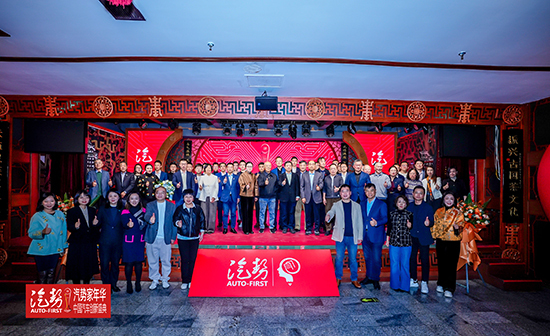
Core Insights - The event "Auto-First Annual Gala and 2025-2026 China Automotive Innovation Festival" highlights the significant transformation in the automotive industry, with a focus on the increasing dominance of Chinese brands and the shift towards intelligent and electric vehicles [1][3][35] Industry Overview - By 2025, China's automotive sales are projected to exceed 34 million units, with the penetration rate of new energy vehicles approaching 50%, indicating a pivotal moment for the industry [3] - The years 2026-2027 are anticipated to be critical for the industry, with leading companies showcasing their scale advantages and competition intensifying [3] Awards and Recognitions - The event recognized various segments, with Lynk & Co 900 winning "Luxury SUV of the Year" and Zeekr 9X awarded "Flagship SUV of the Year," reflecting the strong reputation of Chinese high-end electric brands [7] - SAIC Group was awarded "Car Company of the Year," while the Wuling Hongguang MINI EV was recognized as "National MPV of the Year," showcasing the diversity and innovation within the market [13][21] Market Trends - The penetration rate of new energy vehicles in China is expected to surpass 54% by 2025, with various technological routes such as plug-in hybrids, range extenders, and pure electric vehicles providing consumers with more choices [23] - Traditional joint venture and luxury brands are actively transforming, with models like the GAC Toyota Platinum 3X and Beijing Hyundai EO winning awards, demonstrating their adaptation to the trends of intelligence and electrification [25] Future Outlook - The automotive market in 2026 is described as a battleground for survival, where success will depend on a combination of technology, cost, and channel strength [35] - The industry is encouraged to focus on high-quality development, aiming to transition from being the largest in scale to being the strongest in capability on the global stage [35][36]

勾勒行业决战之年新图景 中国汽车创新盛典在北京举办
Zhong Zheng Wang· 2026-01-25 09:13
Group 1 - The event "Auto-First Annual Gala and 2025-2026 China Automotive Innovation Ceremony" highlights the automotive industry's critical years ahead, emphasizing the importance of scale advantages for leading companies and the irreversible trend of smart technology in vehicles [1] - SAIC Motor Corporation was awarded "Annual Automotive Enterprise," while the "Annual Car" award went to the AITO M9, showcasing the recognition of significant players in the industry [1] - The awards reflect the upward vitality and international strength of Chinese brands, with Geely Galaxy recognized as "Annual Brand" and BYD and Chery as "Annual Export Brands" [1] Group 2 - The awards also illustrate a diverse market ecosystem, with models like XPeng G7 and SAIC Volkswagen Lavida Pro winning in various segments, indicating the success of traditional brands in the electric and smart vehicle transformation [2] - Data shows that by 2025, the penetration rate of new energy vehicles in China will exceed 54%, with multiple technology routes such as hybrid, range-extended, and pure electric advancing simultaneously [2] - The competition in the automotive market is expected to focus on technology, cost, and channel strength, testing companies' strategic determination and adaptability as the industry shifts from scale to strength [2]




L9上猛料,理想要打增程翻身仗 |36氪独家
3 6 Ke· 2026-01-22 07:04
Core Viewpoint - Li Auto plans to rebound in 2026 after a projected decline in 2025, targeting a 40% growth with a sales goal of approximately 550,000 units, up from around 410,000 units last year [2][3]. Group 1: Strategic Focus - The company is refocusing on its core business, aiming to regain its leading position in range-extended products by simplifying its product strategy and reducing the number of model variants [3][4]. - The new L9 model will undergo significant upgrades, including a larger size, enhanced battery capacity exceeding 70 kWh, and improved electric range of over 400 kilometers [5][12]. - Li Auto anticipates that the upgraded L9 will contribute over 100,000 units to its sales forecast [5]. Group 2: Market Position and Competition - Li Auto faces increased competition in the range-extended market, with other companies like Xpeng and Xiaomi planning to launch their own range-extended models [11][12]. - The company acknowledges that it has lost market share and aims to stabilize its sales before pursuing further growth [10][13]. - The shift towards larger battery capacities in the industry has prompted Li Auto to consider more aggressive upgrades, although it remains cautious compared to competitors [11][12]. Group 3: Product and Organizational Adjustments - Li Auto's product focus has shifted towards pure electric models, but the company plans to return to its range-extended roots, with only one new pure electric SUV expected in 2026 [6][14]. - Recent organizational changes include the departure of key personnel and a restructuring of product lines to enhance competitiveness [15][16]. - The sales system is undergoing a comprehensive review, with a focus on improving store efficiency and closing underperforming locations [18][19].

为实现55-60万的销量目标,小鹏准备了三手牌|36氪独家
3 6 Ke· 2026-01-14 07:54
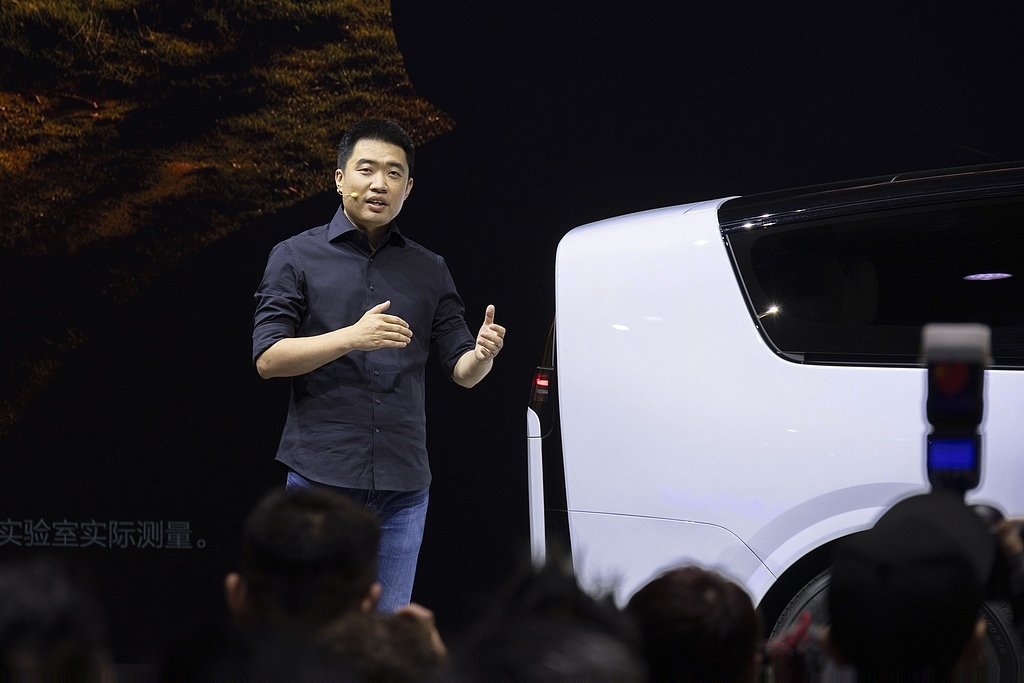
Group 1 - Xiaopeng Motors has set a sales target of 550,000 to 600,000 units for 2026, representing a growth of approximately 28.1% to 39.7% compared to 429,400 units in 2025, requiring an average monthly delivery of over 45,800 to 50,000 units [2] - The company plans to launch seven new models with super-range configurations in 2026, including three super-range products and four new dual-energy models, with a focus on SUVs [2] - Xiaopeng's new models will emphasize upgrades in chips and AI software capabilities, with AI being highlighted as more valuable than traditional performance upgrades [3] Group 2 - The sales growth in 2025 was significantly supported by the low-priced pure electric model Mona M03, which contributed nearly a quarter of total sales, and Xiaopeng plans to enhance its product line in the mid-to-low-end market with new models [4] - The introduction of super-range versions allows Xiaopeng to lower vehicle prices, as the range extender system is cheaper than batteries, exemplified by the Xiaopeng X9 super-range version priced at 309,800 yuan, which is 50,000 yuan cheaper than the pure electric version [4] - Xiaopeng has locked in over one million units of self-developed chip capacity, transitioning existing models to the Turing chip, which offers higher computing power for intelligent driving applications [7] Group 3 - The competition in the automotive market is expected to intensify in 2026, with Xiaopeng and Leap Motor aiming for a combined sales target of 1.6 million units, indicating a need for market share to be taken from competitors like BYD and Geely [8] - Xiaopeng and Leap Motor must maintain competitive pricing while excelling in key performance indicators, with Xiaopeng focusing on the "smart driving" segment priced between 150,000 to 250,000 yuan [9] - Achieving high sales growth poses challenges in organizational and supply chain management, particularly as crossing the 500,000 sales threshold increases complexity and costs [10]
小鹏今年将推4款新车,冲击55万-60万销量目标|36氪独家
36氪· 2026-01-13 10:14
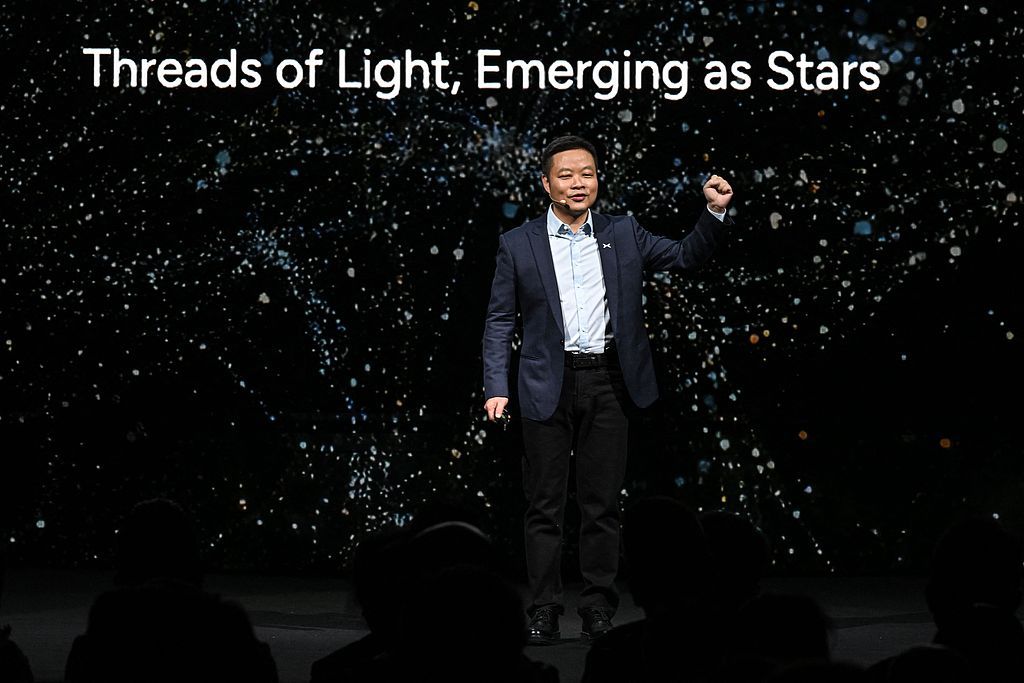
Core Viewpoint - Xiaopeng Motors has set an ambitious sales target of 550,000 to 600,000 units for 2026, representing a growth of approximately 28.1% to 39.7% from the 429,400 units expected in 2025, necessitating an average monthly delivery of over 45,800 to 50,000 units [4][5]. Group 1: Product Strategy - 2026 will be a pivotal year for Xiaopeng as it plans to launch seven new models featuring "super range extension" capabilities, including three super range products and four new dual-energy models [4]. - The new models include the Xiaopeng G01, a luxury 6-seat SUV, and the G02, a full-size flagship SUV, alongside two new Mona SUV models, D02 and D03 [5]. - Xiaopeng aims to enhance its product lineup in the mid-to-low-end market with the introduction of the Mona M03, which has significantly contributed to sales, accounting for nearly a quarter of total sales [8]. Group 2: Technological Advancements - Xiaopeng is focusing on smart technology, planning to implement its self-developed Turing chip and the second-generation VLA system to differentiate its high-end models [10][13]. - The latest models will transition to Turing chips, with the Max version featuring a single Turing chip with 720 TOPS of computing power, while the Ultra version will utilize three Turing chips for advanced driving and AI applications [13]. Group 3: Market Competition - The automotive market in 2026 is expected to be highly competitive, with Xiaopeng and Leap Motor targeting a combined sales goal of 1.6 million units, which may come at the expense of competitors like BYD and Geely [15][16]. - Both Xiaopeng and Leap Motor are entering the hybrid vehicle market, with Xiaopeng focusing on the 15-25 million price range, while Leap Motor targets the 10-20 million segment [16]. Group 4: Growth Challenges - Achieving high sales growth poses significant challenges, particularly as crossing the 500,000 sales threshold can complicate supply chain management and organizational coordination [17][18]. - The experience of other companies, such as Ideal, highlights the potential pitfalls of scaling operations rapidly, raising concerns about whether Xiaopeng and Leap Motor can successfully navigate these challenges [18].