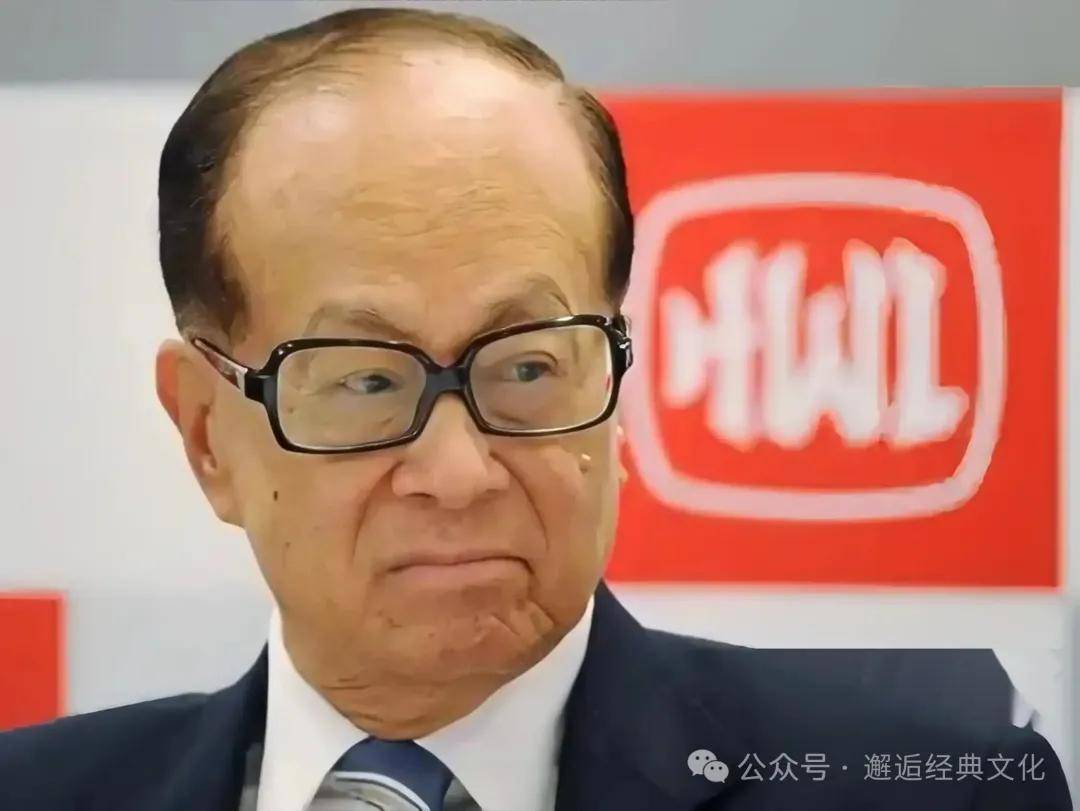
巴尔博亚港

Search documents
巴拿马明抢港口,李嘉诚出售英国电网业务,套现1100亿港元,想明白他国不可信
Sou Hu Cai Jing· 2026-02-27 10:01
Core Insights - The global investment community is focusing on Li Ka-shing and his CK Hutchison Holdings due to the Panama government's takeover and subsequent asset sales, which have reignited discussions on risk management and strategic transformation [1][3] Group 1: Panama Government's Actions - The Panama government has taken control of key ports, Balboa and Cristobal, owned by CK Hutchison, citing "urgent social public interest," disrupting nearly 30 years of operations in the region [1][3] - This takeover raises concerns about the legal environment and investment security in Panama, particularly as these ports are crucial for international shipping and global trade [1] Group 2: CK Hutchison's Strategic Response - In response to the Panama situation, CK Hutchison announced the sale of its UK electricity business for over HKD 110 billion to French company Engie, indicating a strategic decision rather than a hasty reaction [3] - The sale reflects Li Ka-shing's proactive approach to risk management, aiming to enhance liquidity and mitigate uncertainties in the market [3][5] Group 3: Market Dynamics and Future Strategy - The sale of mature electricity assets signifies a shift in CK Hutchison's investment strategy, moving away from traditional high cash flow projects towards emerging markets in Southeast Asia and the Middle East [5] - Li Ka-shing's actions illustrate the importance of adapting corporate strategies to market dynamics, emphasizing the need for businesses to understand when to withdraw and when to invest [5] Group 4: Broader Implications for Investment - The events surrounding CK Hutchison reflect broader changes in global capital flows and investor confidence, highlighting a shift towards sustainable development paths rather than short-term gains [5] - The Panama government's takeover does not address long-term operational challenges, and restoring investor trust will be crucial for maintaining market stability [7]


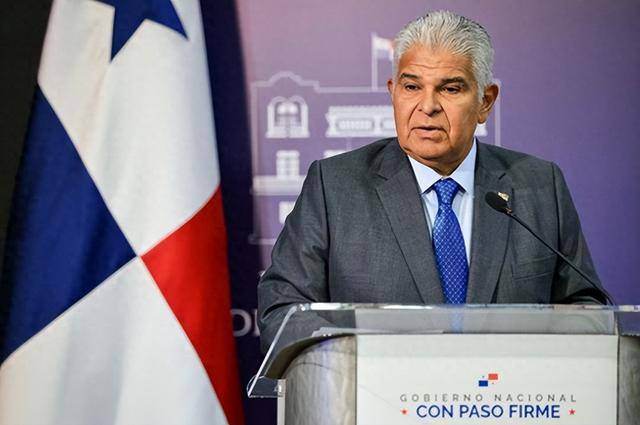
巴拿马港口被“接管”后,李嘉诚卖掉英国电网业务,转向非常突然
Sou Hu Cai Jing· 2026-02-27 03:47
Core Viewpoint - The recent forced takeover of port assets by the Panamanian government has prompted the Cheung Kong Group to swiftly sell its core UK electricity grid business, raising concerns about asset security for multinational companies and the restructuring of global investment logic [2][4]. Group 1: Events and Responses - On February 23, the Panamanian government forcibly took control of the Balboa and Cristobal ports, ending a nearly 30-year operating agreement and expelling the management team, leading Cheung Kong to initiate international arbitration [4]. - Shortly after, Cheung Kong's subsidiaries announced the sale of their stake in the UK electricity operator to French energy company Engie for approximately £10.548 billion, totaling over HK$110 billion, marking a complete exit from UK core utility assets [4][6]. Group 2: Asset Characteristics - The UK electricity grid assets served around 8.5 million users and operated approximately 192,000 kilometers of power lines, covering key areas in London and Southeast England, characterized by stable cash flow and predictable returns, traditionally viewed as low-risk core assets [6]. - The decision to sell these assets entirely in cash and equity, without retaining any equity interest, reflects the company's decisive stance and a reassessment of regional risks and asset prospects [6][8]. Group 3: Strategic Implications - The Panama port incident has become a pivotal point for strategic shifts, as the ports, which relied on the Panama Canal's geographical advantages, were expected to hold long-term commercial value until 2047 [8]. - The unilateral takeover disrupted the stability of commercial contracts and long-term investments, highlighting the potential impact of sovereign risk and policy changes on overseas infrastructure assets [8][10]. - The sale of quality electricity grid assets allows for significant cash flow recovery, providing funding for reinvestment in lower-risk areas, strengthening core business, and enhancing shareholder returns [11].



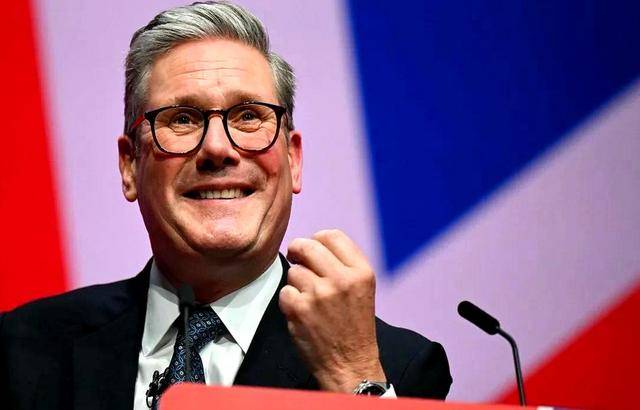
李嘉诚为何选在中美日内瓦经贸会谈联合声明当天发声
Sou Hu Cai Jing· 2025-05-14 12:17
Core Viewpoint - Li Ka-shing, at 92 years old, made a rare statement to deny rumors of selling strategic ports to American capital, coinciding with a significant U.S.-China agreement to gradually remove punitive tariffs imposed since 2018 [1][3][4] Group 1: Market Response - Following the U.S.-China joint statement, the Hong Kong capital market reacted with speculation about potential re-engagement in the market [4] - Li Ka-shing's swift and direct response was unusual for him, indicating a strategic positioning rather than a typical defensive reaction [5][6] Group 2: Strategic Importance of Ports - Li Ka-shing has maintained a low profile regarding his extensive global port holdings, which are crucial logistical assets [7] - The ports in question, Balboa and Cristobal, are strategically located at the Panama Canal, a vital shipping route where one in every 17 containers globally passes through, with over 20% of traffic being Chinese vessels [8] Group 3: Implications of the Statement - The rumors of selling port assets to BlackRock raised questions about Li Ka-shing's alignment amid U.S.-China tensions, but his denial leaves room for potential future transactions [8][10] - Li Ka-shing's history of strategic asset management reflects a long-term vision rather than short-term profit motives, suggesting a focus on asset continuity and navigating future economic cycles [12][13] Group 4: Asset Structure and Family Legacy - Long-term trends in Li Ka-shing's financial reports show a decreasing reliance on mainland China, with a shift towards European and Commonwealth markets [14] - The next generation, represented by his grandson, may prefer stable cash flows over complex political negotiations, indicating a strategic withdrawal from intricate assets like ports [14][15] Group 5: Overall Strategy - Li Ka-shing's recent actions are seen as a calculated move rather than a reaction to immediate pressures, signaling a clear understanding of market dynamics [15][16] - His approach emphasizes strategic foresight, avoiding overt political stances while maintaining a focus on viable business paths [17][18]