干煸藕丝

Search documents
中国吃饭“邪修”第一大省,为什么是湖北?
虎嗅APP· 2025-12-07 09:03
Core Viewpoint - The article explores the unique and unconventional eating habits of people in Hubei, emphasizing their distinct culinary culture and the concept of "邪修" (unorthodox practices) in food consumption [5][6][48]. Group 1: Eating Habits - Hubei people have a unified understanding of food, often breaking conventional norms, such as eating breakfast on the go and combining unexpected ingredients [6][11][16]. - The practice of "边走边吃" (eating while walking) is prevalent, showcasing a blend of convenience and enjoyment in their daily meals [11][16]. - Hubei's breakfast culture includes unique combinations like hot dry noodles with fried dough sticks, and even ginger cola as a warming drink in winter [30][31]. Group 2: Culinary Traditions - Hubei's dining culture is characterized by simplicity and practicality, often using disposable plastic utensils even in formal settings [21][23]. - The article highlights the local delicacies, such as the humble yet beloved "榨菜肉丝" (shredded pickled mustard greens with pork), which reflects the region's down-to-earth approach to food [17][20]. - Hubei's culinary practices include innovative methods like "干煸" (dry frying) applied to vegetables, showcasing a creative twist on traditional cooking techniques [45][47]. Group 3: Local Ingredients and Dishes - The article mentions the significance of local ingredients, such as "洪山菜薹" (Hongshan vegetable shoots), which are highly valued and can fetch high prices during their season [34]. - Hubei's diverse food offerings include "藕汤" (lotus root soup) and "豆丝" (bean vermicelli), which are staples in local households, especially during winter [36][38]. - Unique dishes like "虾鲊" (fermented shrimp) and "合渣" (soybean residue) illustrate the region's rich culinary heritage and innovative use of local resources [40][41].

中国吃饭「邪修」第一大省,为什么是湖北?
36氪· 2025-11-30 02:08
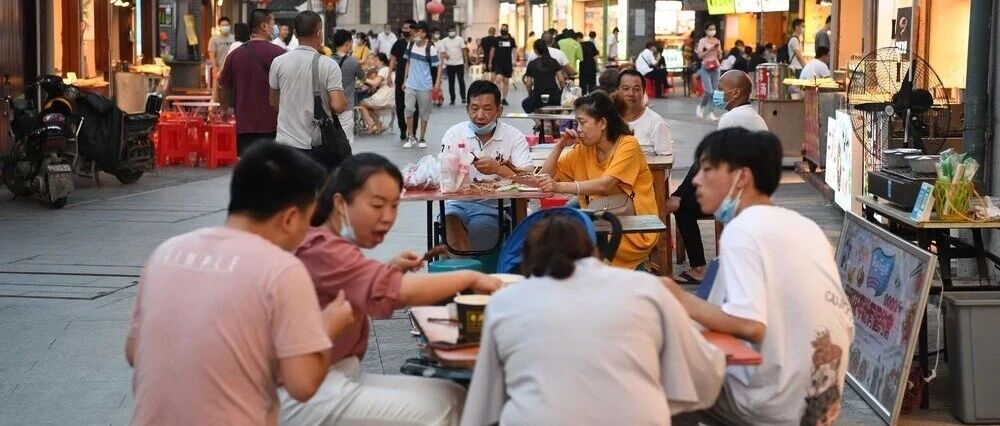
Core Viewpoint - The article explores the unique dining culture of Hubei, emphasizing its unconventional practices and the concept of "邪修" (Xie Xiu), which reflects a free-spirited and practical approach to food and dining [3][4][62]. Summary by Sections Dining Practices - Hubei people have a unified yet unconventional approach to dining, often breaking norms and refreshing perceptions of eating [4]. - The practice of "过早" (Guozao), or breakfast, is characterized by a casual and free-spirited attitude, where people often eat while walking and use simple plastic utensils regardless of the dining setting [11][24][62]. Breakfast Culture - Breakfast in Hubei is a lively affair, with people enjoying dishes like beef soup noodles and hot dry noodles while on the go, showcasing a blend of speed and enjoyment [11][13]. - The tradition of "早酒" (early drinking) complements the breakfast culture, where people gather to enjoy hearty meals and drinks, reflecting a communal and relaxed atmosphere [16][15]. Unique Dishes - Hubei's dining scene features simple yet hearty dishes, such as the famous "榨菜肉丝" (pickled vegetable and shredded pork), which is a staple at local banquets [17][21]. - The use of disposable plastic utensils is common, which may seem unappealing to outsiders but is considered practical and hygienic by locals [24][42]. Seasonal Foods - Hubei's culinary offerings change with the seasons, with dishes like roasted sweet potatoes being enjoyed in winter, highlighting the region's adaptability and respect for ingredients [26][30]. - The article mentions the popularity of "姜丝可乐" (ginger coke), a unique local drink that combines ginger and cola, showcasing Hubei's innovative approach to traditional beverages [36][39]. Cooking Techniques - Hubei cuisine is characterized by its "邪修" cooking methods, which often involve unconventional combinations and techniques, such as using vegetables as main ingredients in dry-frying dishes [55][57]. - The article highlights the versatility of steaming techniques in Hubei, where various ingredients can be combined in a steamer, reflecting a resourceful and creative culinary culture [59][61]. Conclusion - The essence of Hubei's dining culture lies in its practicality and enjoyment, where the focus is on the experience of eating rather than adhering to formal dining rules, embodying a spirit of freedom and creativity [62].
中国吃饭“邪修”第一大省,为什么是湖北?
3 6 Ke· 2025-11-28 03:33
Core Perspective - The article highlights the unique and unconventional eating habits of people in Hubei, showcasing their distinct culinary culture that embraces a casual and free-spirited approach to food [1][13]. Group 1: Eating Habits - Hubei residents often eat on the go, combining various dishes like hot dry noodles and soup noodles, demonstrating a practical and efficient way of dining [2][4]. - The use of soft plastic bowls and utensils is common in Hubei, which contrasts with the expectations of outsiders but is seen as convenient and hygienic by locals [6][12]. - Breakfast in Hubei is characterized by a mix of urgency and leisure, with people enjoying hearty meals and drinks like alcohol and hot food in a relaxed setting [4][7]. Group 2: Unique Dishes - Hubei's culinary offerings include simple yet hearty dishes such as fried peanuts, stir-fried vegetables, and various types of soups, emphasizing practicality and flavor over presentation [5][10]. - The region is known for its distinctive use of ingredients, such as the combination of ginger and cola to create a warming drink during colder months, showcasing a creative twist on traditional beverages [8][10]. - Hubei's local specialties, like the famous Hongshan vegetable, are highly regarded and can fetch high prices due to their unique qualities and historical significance [9]. Group 3: Cultural Significance - The article emphasizes that Hubei's food culture reflects a broader lifestyle that values enjoyment and practicality, with a strong connection to local traditions and communal dining experiences [12][13]. - The casual dining atmosphere in Hubei, where meals are often shared and enjoyed in a communal setting, fosters a sense of community and belonging among residents [4][6].
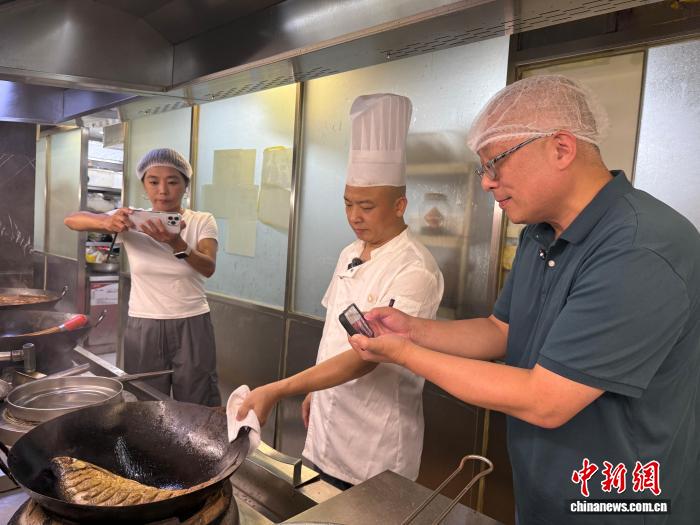
台湾美食博主大陆寻味 一心传承“家乡菜”
Zhong Guo Xin Wen Wang· 2025-09-10 13:49
Core Viewpoint - The article highlights the journey of Taiwanese food blogger Zhang Xin and his wife Yu Lu as they explore local cuisine in Wuhan, aiming to preserve and share the essence of their hometown dishes through their culinary experiences and video documentation [1][3]. Group 1: Culinary Exploration - Zhang Xin and Yu Lu visited the Wuhan market to experience local food culture, emphasizing the importance of understanding local preferences and lifestyles [3]. - They engaged with local vendors and sampled traditional breakfast foods, noting the city's love for carbohydrates and river delicacies [3]. Group 2: Cooking and Learning - The couple took a cooking class at a renowned Chu cuisine restaurant, learning to prepare signature dishes like braised Wuchang fish and stir-fried lotus root [3][4]. - They documented the cooking process meticulously, indicating a commitment to detail and authenticity in their culinary endeavors [3]. Group 3: Cultural Significance - Zhang Xin expressed the emotional connection to hometown dishes, which evoke memories and nostalgia for many, including a story of a friend from Australia who was moved by the videos [4]. - The couple aims to preserve the flavors of their heritage, reflecting on the evolution of "village cuisine" in Taiwan, which combines various regional dishes brought by migrants from mainland China [4].