广东盆菜

Search documents
本帮菜 是乡土底色更是多元交融
Jie Fang Ri Bao· 2026-02-17 00:31
Core Perspective - The article explores the unique culinary culture of Shanghai, emphasizing the deep-rooted flavors of local cuisine and its evolution over time, particularly during the Lunar New Year celebrations [1][4]. Group 1: Shanghai's Culinary Identity - Shanghai's local cuisine, known as "Benbang cuisine," is characterized by its rich flavors, combining salty and sweet elements, and is deeply influenced by the city's history as a melting pot of various regional cuisines [1][3]. - The integration of other regional cuisines, such as Huaiyang, Suzhou, and Shandong, has enriched Benbang cuisine, making it a distinctive representation of Shanghai's culinary landscape [1][2]. Group 2: Cultural Fusion and Adaptation - The article highlights the presence of Cantonese cuisine in Shanghai, with dishes like shrimp dumplings and rice rolls becoming integral to local dining culture, especially during festive occasions [2]. - The adaptation of international dishes, such as Borscht and fried pork chops, into the local culinary scene showcases Shanghai's ability to blend traditional and modern flavors [3]. Group 3: Changing Dining Experiences - The dining experience during the Lunar New Year is evolving, with families increasingly opting for unique experiences that combine traditional meals with leisure activities, reflecting a desire for relaxation and connection with nature [3][4]. - The rising disposable income of Shanghai residents, projected to reach 92,000 yuan by 2025, allows for greater access to high-quality ingredients, further diversifying the culinary offerings [3]. Group 4: The Essence of "Nian Wei" - The concept of "Nian Wei" (the flavor of the New Year) in Shanghai is multifaceted, representing not just food but also cultural identity and family unity, adapting to modern societal changes while maintaining traditional values [4].
珠江潮连黄浦浪,粤年味登上海滩|一席广东年菜,一次产业远征,广货行天下
Nan Fang Nong Cun Bao· 2026-02-10 10:06
Core Viewpoint - The article discusses the expansion of Guangdong's traditional New Year dishes into the Shanghai market, highlighting the integration of modern supply chains and consumer preferences in this process [2][10][50]. Group 1: Market Expansion - Guangdong's New Year dishes are being introduced to Shanghai, a city known for its strong purchasing power and advanced consumer culture [17][18]. - The transition from local consumption to a broader market involves adapting traditional dishes to meet the tastes and dining habits of smaller families in Shanghai [20][21]. Group 2: Product Adaptation - Companies are creating "mini" versions of traditional dishes, such as the "玲珑盆菜," to cater to the dining preferences of Shanghai's smaller households [20][21]. - The adaptation process includes balancing flavors to resonate with local tastes while preserving the essence of Guangdong cuisine [22][23]. Group 3: Industry Collaboration - There is a growing collaboration between Guangdong agricultural research institutions and enterprises to standardize and industrialize traditional flavors [31][32]. - Media plays a crucial role in promoting Guangdong's New Year dishes and fostering industry consensus on quality and cultural significance [35][36]. Group 4: Future Prospects - The partnership between Guangdong and Shanghai is seen as a potential model for regional collaboration, combining Shanghai's marketing expertise with Guangdong's manufacturing capabilities [39][40]. - The success of Guangdong's New Year dishes in Shanghai could lead to a new cycle of innovation, enhancing brand recognition and market penetration across China [44][45].


年货经济带动农产品消费热潮
Huan Qiu Wang· 2026-01-23 01:20
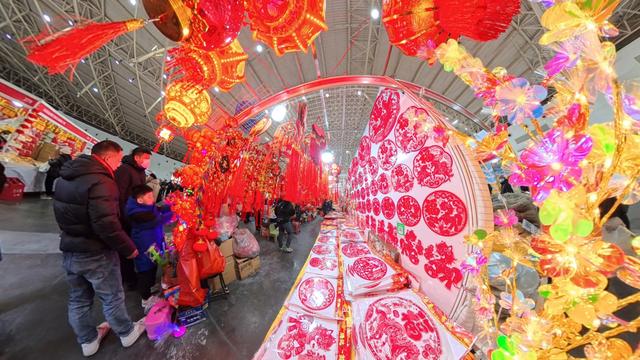
Group 1 - The article highlights the traditional activity of preparing for the Spring Festival, known as "year-end shopping," which has become an integral part of people's routines as the festive season approaches [2] - The Beijing New Year Goods Fair officially opened on January 22, showcasing a variety of regional specialties from across China, including high-quality rice from Northeast China, unique盆菜 from Guangdong, and fresh mushrooms from Yunnan, creating a rich culinary experience [2] - The Ministry of Agriculture and Rural Affairs has deployed measures to ensure the stable supply of "vegetable basket" products during the holiday season, emphasizing the importance of local government accountability in maintaining product supply and quality, particularly during the winter and spring, especially around the Spring Festival [2]