东北大米

Search documents
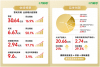
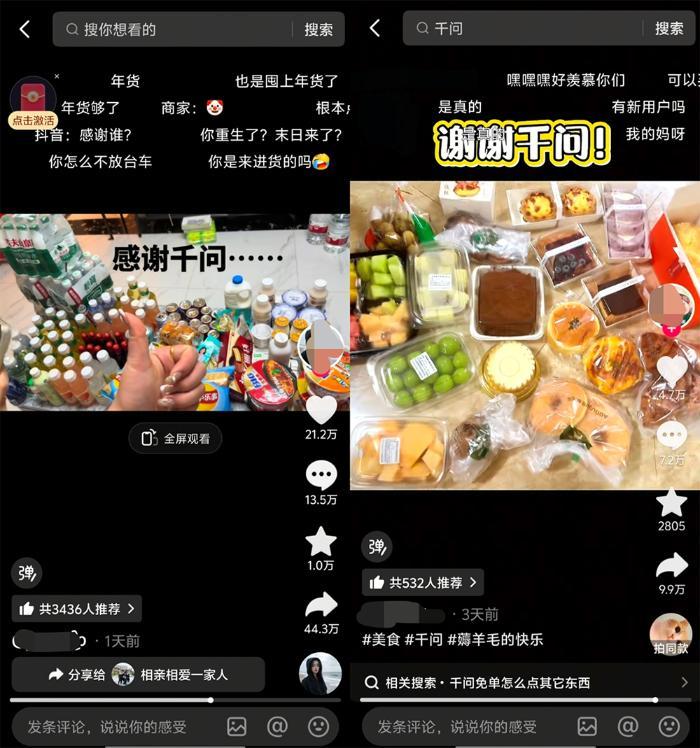
“使唤AI”买年货火了:千问一天帮买了10万斤新疆奶、3吨蓝莓
Zheng Quan Ri Bao Wang· 2026-02-10 11:41
Core Insights - Qianwen App has seen a significant increase in AI shopping order volume following the launch of its "Free Order Card" on February 6, 2023, indicating a growing user preference for AI-assisted shopping [1] - The app facilitated the purchase of 3 tons of blueberries and over 80,000 jin (approximately 40 tons) of Northeast rice in just one day, showcasing its rapid adoption in the market [1] - The "30 Billion New Year Free Order" campaign has gone viral on social media, with users sharing their experiences of purchasing various goods using the app, particularly in county-level markets [1] User Engagement - Users are increasingly engaging in bulk purchasing, with many collecting 21 Free Order Cards to maximize their shopping experience, leading to a substantial rise in multi-category orders [1] - Popular items include 110,000 boxes of Wangzai milk, 120,000 bars of Dove chocolate, and 100,000 packs of tissue paper sold in a single day, reflecting strong demand for everyday products [1] Operational Efficiency - The app allows users to place orders simply by stating their needs, such as "help me buy Xinjiang milk," with delivery times as fast as 30 minutes, enhancing user convenience [1] - The official reminders from Qianwen App emphasize that the Free Order Card can be used for a variety of products beyond just milk tea, improving the overall shopping experience during peak order times [1]
“千问帮我买”火了!一天买了近3吨蓝莓、10万斤新疆奶
Zhong Guo Xin Wen Wang· 2026-02-10 09:11
Core Insights - Qianwen APP has seen a significant increase in AI shopping order volume following the launch of its "Free Order Card," with users increasingly accustomed to placing orders with a single phrase [1][3] - The "30 Billion New Year Free Order" campaign, launched on February 6, has rapidly gained traction online, with users sharing their purchases of various goods [1] - In a single day, Qianwen facilitated the purchase of 3 tons of blueberries and over 80,000 jin (40,000 kg) of Northeast rice, showcasing the platform's capability to handle large orders [1] User Engagement - Users are actively participating in the campaign, with many collecting 21 Free Order Cards to engage in bulk purchasing, particularly in county markets [1] - The popularity of AI-assisted shopping is evident, with significant sales recorded in categories such as snacks and household cleaning products, including 110,000 boxes of Wangzai milk and 120,000 bars of Dove chocolate sold in one day [1] Operational Efficiency - The Qianwen APP allows users to place orders for a variety of products simply by stating their needs, with delivery times as quick as 30 minutes [3] - The platform's efficiency is highlighted by its ability to process nearly 3,500 orders from a single Hema store in Suzhou, indicating strong demand in county-level markets [1][3]

“跨区直通”助力东北大米加速出海
Xin Lang Cai Jing· 2026-02-04 23:40
Core Viewpoint - The article highlights the successful export of 832 tons of rice from Northeast China to Hong Kong using the "cross-regional direct access" model, marking a significant development in the region's export capabilities [1] Group 1 - The rice originated from Heilongjiang's Fuyun and Wuchang areas, indicating the quality and source of the product being exported [1] - This export represents the first batch of rice shipped under the "cross-regional direct access" model from Northeast China, showcasing innovation in logistics and trade practices [1] - The successful customs clearance was overseen by the Jinpu Customs under Dalian Customs, emphasizing the role of regulatory bodies in facilitating trade [1]
北京(国际)年货会3日在首都国际会展中心启幕
Xin Lang Cai Jing· 2026-02-01 18:18
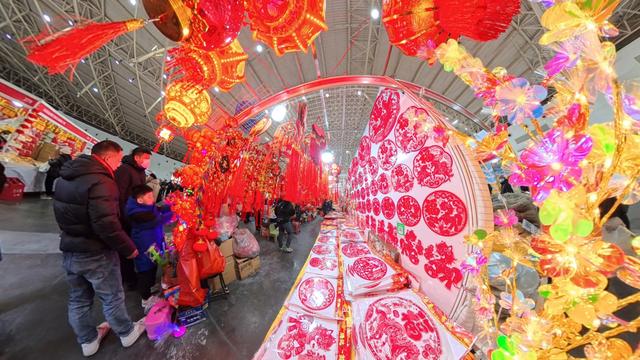
Core Insights - The 2026 Third Beijing (International) New Year Goods Fair will be held from February 3 to 11 at the Capital International Exhibition Center, featuring a nine-day event focused on global products, intangible cultural heritage, and enhanced benefits for citizens [1] Group 1: Event Overview - The fair aims to create a one-stop experience for citizens to enjoy shopping, eating, and entertainment during the festive season [1] - The international exhibition area will showcase products from over 10 countries, including Russian linden honey, Pakistani handmade carpets, Iranian saffron, Southeast Asian spices, and European accessories, with nearly a thousand imported products available directly from manufacturers [1] Group 2: Pricing and Supply - The fair eliminates middlemen, offering prices that are generally 20% to 30% lower than those in supermarkets [1] - The domestic quality product exhibition area will feature high-quality agricultural products from over 30 provinces and regions in China, including Xinjiang dried fruits, Yunnan mushrooms, Northeast rice, Ningxia goji berries, and Sichuan sweet oranges, showcasing the achievements of rural revitalization [1]
年货经济带动农产品消费热潮
Huan Qiu Wang· 2026-01-23 01:20
Group 1 - The article highlights the traditional activity of preparing for the Spring Festival, known as "year-end shopping," which has become an integral part of people's routines as the festive season approaches [2] - The Beijing New Year Goods Fair officially opened on January 22, showcasing a variety of regional specialties from across China, including high-quality rice from Northeast China, unique盆菜 from Guangdong, and fresh mushrooms from Yunnan, creating a rich culinary experience [2] - The Ministry of Agriculture and Rural Affairs has deployed measures to ensure the stable supply of "vegetable basket" products during the holiday season, emphasizing the importance of local government accountability in maintaining product supply and quality, particularly during the winter and spring, especially around the Spring Festival [2]

香港市民排百米队抢货!京东佳宝11.11全港8折:大闸蟹7万只卖断货
Zhong Jin Zai Xian· 2025-11-17 12:42
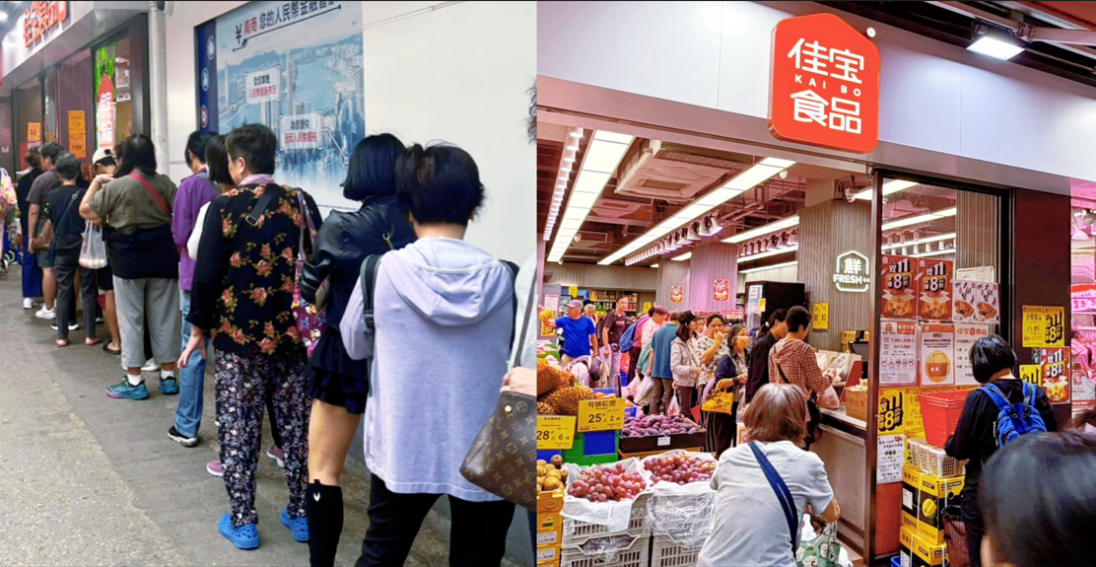
Core Insights - The acquisition of Jia Bao by JD has significantly enhanced the shopping experience in Hong Kong, particularly during the 11.11 Global Shopping Festival, leading to a remarkable increase in consumer traffic and sales [1][9][10] Group 1: Sales Performance - Overall sales during the promotional event increased by over 160% compared to the previous week [1] - JD's direct supply of Jiangsu hairy crabs resulted in the sale of 32,000 crabs in just two days, with a total of over 70,000 crabs sold in two weeks, accounting for approximately 50% of Hong Kong's total crab imports for 2024 [1][3] - Essential goods such as rice and cooking oil saw sales surge to ten times their usual volume, leading to frequent stock shortages [5] Group 2: Consumer Behavior - Consumers expressed satisfaction with the pricing and quality of products, with significant savings reported during the promotional period [5] - The introduction of JD's private label products, such as Seven Fresh dumplings and toilet paper, gained popularity, with sales of toilet paper increasing by over 840% [7] Group 3: Operational Efficiency - The integration of JD's supply chain with Jia Bao's operations has allowed for the introduction of over a hundred selected products, enhancing the variety available to consumers [9] - The average daily foot traffic in stores during the event was double that of regular days, with some stores extending their hours to accommodate demand [10] Group 4: Market Impact - The successful sales and consumer engagement during the 11.11 event demonstrate the effectiveness of JD's supply chain in empowering local retail markets in the Guangdong-Hong Kong-Macao Greater Bay Area [12]

中金 | 深度布局“十五五”:农业农村现代化篇
中金点睛· 2025-11-15 00:07
Core Viewpoint - The modernization of agriculture is driven by technological advancements and brand enhancement, which are essential for the transformation and upgrading of the modern agricultural industry chain [1]. Group 1: Agricultural Production Capacity Enhancement - The key to enhancing agricultural production capacity lies in agricultural technology modernization, with global food production increasing by 379% from 1961 to 2023, where yield growth contributed 75% [2]. - In China, the single crop yield for corn and soybeans in 2023 was only 59% and 57% of the levels in the United States, indicating significant room for improvement [2][4]. - The strategy of "storing grain in the land and technology" is crucial for ensuring food security, emphasizing the importance of land protection and quality improvement [2]. Group 2: Agricultural Technology Modernization - Agricultural technology modernization is vital for improving comprehensive agricultural production capacity, with a focus on seed technology and equipment technology [6]. - The 2025 Central Document No. 1 emphasizes the need for collaborative efforts in agricultural technology and the development of new agricultural productivity [6]. - The seed industry is experiencing a revival driven by strengthened intellectual property protection and technological advancements, with R&D investment by leading listed seed companies increasing from 40 million to 980 million yuan from 2010 to 2024 [7]. Group 3: Smart Agriculture - The continuous increase in policy support for smart agriculture is expected to drive long-term industry development, with land transfer areas rising from 450 million mu in 2015 to 590 million mu in 2023 [10]. - The penetration rate of smart agriculture in China is approximately 9%, compared to about 60% in Europe and the U.S., indicating significant future growth potential [10]. - The 2025 Central Document No. 1 and various action plans highlight the importance of smart agriculture in modern agricultural development [10]. Group 4: Intelligent Agricultural Equipment - The trend of urbanization has led to a decrease in agricultural labor supply, with the number of agricultural workers dropping from 330 million in 2005 to 160 million in 2023, resulting in rising labor costs [11]. - Technological advancements in intelligent agricultural equipment have improved efficiency across various agricultural operations, marking a turning point for "machine substitution" in agriculture [11][14]. - The cost of intelligent agricultural equipment is gradually decreasing, enhancing the competitiveness of machine-based operations over manual labor [11]. Group 5: Brand Agriculture - The high-quality development of the agricultural industry chain requires collaboration between upstream and downstream sectors, with a focus on enhancing the quality of agricultural products and processed foods [14]. - The development of brand agriculture is crucial for upgrading the overall value chain of agricultural products, with examples from kitchen foods and tea demonstrating successful practices [14][15]. - The kitchen food sector benefits from order agriculture, which ensures standardized and large-scale supply, while brand positioning enhances product value [15][19]. Group 6: Tea Industry - The tea industry faces challenges due to non-standardization and high trust costs, making brand positioning and channel layout critical for success [19]. - High-end brand positioning can effectively reduce consumer recognition difficulties and enhance brand value [19]. - The evolution of offline channels in the tea industry aims to strengthen customer experience and brand trust through differentiated services [19].
“胖改”未挽狂澜,永辉超市董事长计划套现超4亿元
Guan Cha Zhe Wang· 2025-11-14 11:05
Core Viewpoint - Yonghui Supermarket's management has announced multiple share reduction plans amid ongoing poor performance, indicating a lack of confidence in the company's recovery prospects [1][4]. Group 1: Share Reduction Plans - Yonghui Supermarket's chairman, Zhang Xuansong, plans to reduce his holdings by up to 90.75 million shares, approximately 1% of the total share capital, potentially cashing out over 400 million yuan [1]. - Vice President Luo Wenxia has also completed a share reduction, selling 108,700 shares for about 499,000 yuan, reducing her holdings to 32,650 shares [2]. - In July, major shareholder JD.com reduced its holdings by 114 million shares, decreasing its ownership by 1.2567% [3]. Group 2: Performance Decline - Yonghui Supermarket has experienced a continuous decline in performance over the past three years, with cumulative losses exceeding 8 billion yuan since recording its first loss in 2021 [4]. - For the first three quarters of 2025, the company reported a revenue of 42.434 billion yuan, a year-on-year decrease of 22.21%, and a net loss of 710 million yuan, worsening by 630 million yuan compared to the previous year [6]. - The third quarter alone saw a revenue drop of 25.55% to 12.486 billion yuan, with a net loss of 469 million yuan, an increase of 116 million yuan from the same period last year [6]. Group 3: Transformation Efforts - In 2024, Yonghui initiated a significant transformation strategy, aiming to learn from the successful model of "Pang Donglai," with major changes in management and operations [4][5]. - The company has introduced a "naked price procurement" model to reduce prices and is optimizing store layouts to enhance customer experience [5]. - Despite these efforts, the third-quarter report indicated that the transformation has not yet yielded positive results, with ongoing declines in same-store sales and overall store numbers [7].

十年利润增长400%,它凭什么成为日本超市“隐形冠军”?
3 6 Ke· 2025-11-12 07:31
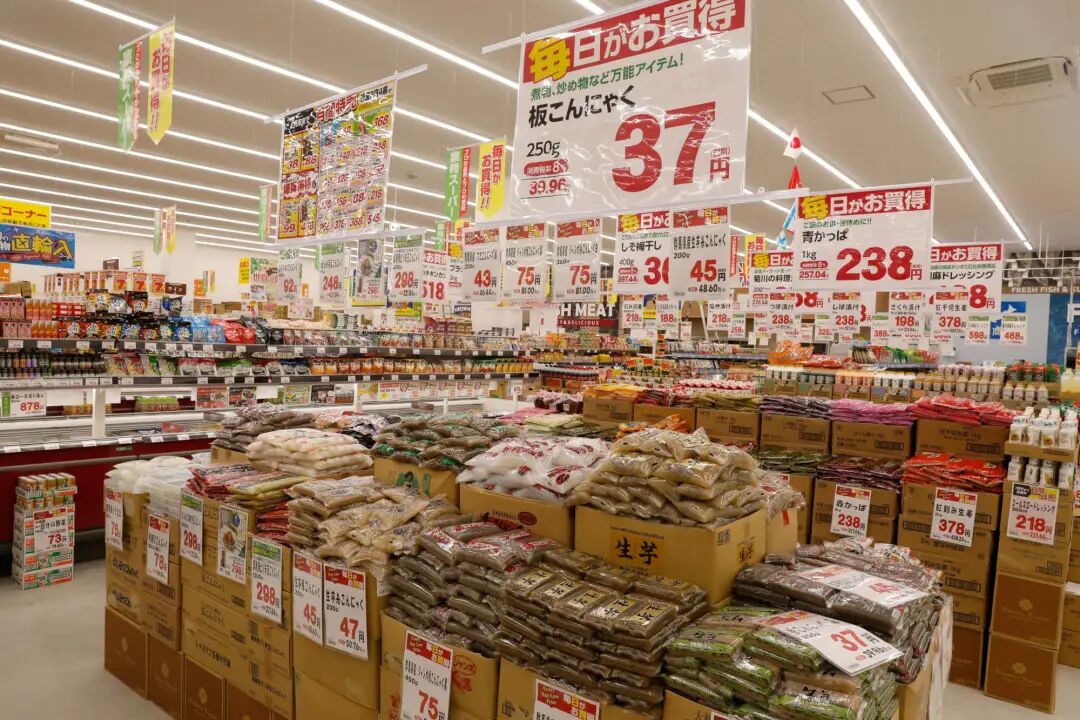
Core Insights - The article highlights the success of a discount supermarket chain in Japan, known for its low prices and high-quality products, primarily sourced from China, and its origins in a food factory in Dalian [1][4]. Group 1: Business Model and Growth - The supermarket operates with a cost-driven "everyday low price" strategy, leveraging a self-owned supply chain to maintain competitive pricing and quality [4][8]. - From 2015 to 2024, the supermarket's net sales grew by 154.7%, with an average annual growth rate of approximately 10.9%, and it accounted for over 90% of the parent company's total sales [4][6]. - The number of stores increased from 713 to 1084 over ten years, with an average of 37 new stores added annually, indicating a steady expansion pace [4][6]. Group 2: Supply Chain and Product Strategy - The company has developed a "food production and sales integration" system over nearly 30 years, allowing it to offer low-priced, high-quality products [8][9]. - The product range includes national brand (NB) items, local private brand (PB) products, and imported PB products, focusing on uniqueness, low prices, and high quality [9][10]. - As of Q3 FY2025, the sales proportion of self-owned brands was 34.3%, with goals to increase this to over 40% by FY2026 [10]. Group 3: Franchise Model and Operations - The supermarket employs a convenience store-style franchise model, with only 4 out of over 1100 stores being company-owned, allowing for a focus on product development and support for franchisees [11][12]. - Each store typically covers an area of about 150 tsubo (approximately 490 square meters) and selects 2500 to 3000 products from a total of around 7000 SKUs [12]. - The main revenue source comes from wholesale of products produced by the company's factories and directly imported goods, rather than franchise fees [12]. Group 4: Market Adaptation and Future Plans - Initially avoiding fresh produce due to high spoilage rates, the company has adapted its strategy to include limited fresh and alcoholic products based on market trends [13][15]. - The company is expanding into the restaurant sector with new brands and aims to enhance existing stores through renovations and upgrades [13][15]. - The company strategically avoids high-rent urban areas, focusing on suburban locations and adhering to a principle of opening one store for every 50,000 residents to ensure profitability [15][16]. Group 5: Competitive Advantage - The supermarket's success is attributed to its focus on supply chain advantages and a balance between cost-effectiveness and product variety, appealing to budget-conscious families while providing a unique shopping experience [16].
连续六年东北大米中国销量领先,十月稻田新米季再塑行业增长新范式
Huan Qiu Wang· 2025-10-31 08:38
Core Insights - The core viewpoint of the articles highlights the significant growth of October Rice in both revenue and net profit, driven by innovative marketing strategies and a robust supply chain, positioning the brand as a leader in the household food sector in China [1][9]. Financial Performance - In the first half of 2025, October Rice achieved total revenue of 3.064 billion yuan, a year-on-year increase of 16.9% - Adjusted net profit reached 294 million yuan, showing a substantial year-on-year growth of 97.7% - The adjusted net profit margin improved from 5.7% in the same period last year to 9.6% [1]. Marketing Strategy - October Rice employed a dual strategy of "new generation celebrity endorsement + authoritative media empowerment" to effectively convert traffic into sales during the new rice season [3]. - The brand targeted the "Z generation emotional consumption" demand by collaborating with popular actor Ke Chun, launching a limited edition of rice that resonated with young consumers [3]. - The partnership with CCTV-3's program "Taste You" helped expand market coverage and reinforced the brand's national identity [5]. Channel Development - October Rice established a comprehensive channel network including e-commerce, supermarkets, and instant retail, enhancing its reach to consumers [6]. - The brand's collaboration with instant retail platforms allowed for a delivery time of 30 minutes, catering to the "non-planned consumption" scenarios [6]. Product Innovation - The company focused on "demand segmentation" by launching differentiated product offerings tailored to specific consumer needs [8]. - New products include a 500g vacuum-packed rice for single-person households and limited edition collaborations with popular culture [8]. - The brand also upgraded corn products into convenient small packages for various leisure scenarios, expanding its market reach [8]. Supply Chain and Long-term Growth - October Rice's long-term growth is attributed to its strong supply chain capabilities and user ecosystem, covering 140 million households in China [9]. - The brand ensures quality and cost advantages through direct sourcing, smart storage, and order-based production [9]. - The company's approach to "from farm to table" enhances its market share in the northeast rice category, creating a sustainable cycle of quality and cost control [9].