
年货经济

Search documents
年货“小包裹”照见消费“大活力”
Zheng Quan Ri Bao Zhi Sheng· 2026-02-24 15:45
Core Insights - The logistics network has efficiently supported the surge in express delivery during the Spring Festival, with a total collection of approximately 806 million packages and a delivery volume of about 630 million packages from February 16 to February 22, indicating a strong recovery in consumer demand and the ongoing growth of the "New Year goods economy" [1][2] Group 1: Logistics and Delivery Performance - The express delivery industry maintained operations during the holiday, with fresh food and New Year gift packages accounting for 35% to 40% of the delivery volume in Beijing, while clothing and cultural products made up 20% to 25% and 10%, respectively [2] - The average daily processing volume at a specific SF Express station in Beijing increased from about 1,500 packages to around 2,000 packages after February 20, showing growth compared to the previous year [3] - The logistics network's ability to operate continuously during the holiday period has ensured that consumer demand is met, with a quick recovery in online shopping as people return to work [2][3] Group 2: Changes in Consumer Behavior - The efficient logistics network has transformed consumer habits, with tourists increasingly opting for express delivery services for local specialties instead of carrying them home [4][5] - Merchants in tourist areas have adapted by offering nationwide shipping, which has led to increased sales of larger gift packages and repeat purchases from customers [5][6] - The integration of express delivery into the consumer experience is expected to enhance the growth of the logistics industry, making it a crucial support for expanding domestic demand [6] Group 3: Future Outlook for the Express Delivery Industry - The express delivery sector is anticipated to evolve into a modern distribution system characterized by efficiency, sustainability, resilience, and fairness, providing a strong foundation for the stable operation of the Chinese economy [6] - The ongoing implementation of policies promoting the exchange of old consumer goods for new ones is expected to create new growth points in the delivery of electronic products and value-added services [6]
(新春走基层)海产品走俏年货市场 浙江温州新春“鲜”声夺人
Zhong Guo Xin Wen Wang· 2026-02-16 08:28
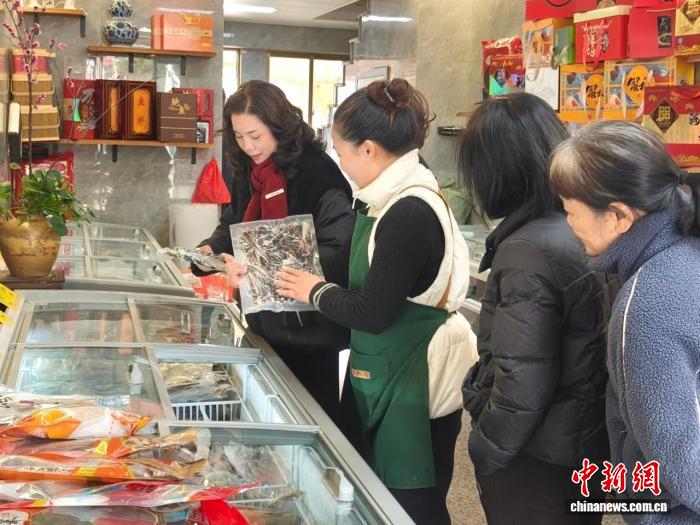
Core Viewpoint - The seafood market in Wenzhou, Zhejiang, is experiencing a surge in demand during the Spring Festival, highlighting the importance of seafood in local celebrations and the economic vitality of the region [1][3]. Group 1: Market Dynamics - Wenzhou's seafood products, including fresh and dried varieties, are in high demand as families prepare for the Spring Festival, making seafood a key component of the festive atmosphere [1][3]. - The Donggang Zhichang fishing port is bustling with activity, as seafood is packaged into gift boxes labeled "New Year Goods" for distribution across the country, reflecting a vibrant New Year economy [1][3]. Group 2: Business Operations - Local businesses are experiencing a significant increase in orders, with many customers being repeat buyers who place orders months in advance, indicating strong consumer loyalty [3]. - The seafood processing point at Donggang Zhichang is working around the clock to meet the high demand, with products being shipped to major cities like Beijing and Shanghai, as well as international orders [3]. Group 3: Product Quality and Innovation - The quality of seafood products has improved, with the "Crab Apartment" project in Cangnan Yanting Town enhancing the cultivation of crabs, making them popular items for the New Year market [4]. - The "Crab Apartment" is a smart aquaculture project that allows for centralized storage and scientific management of crabs, ensuring a stable supply for the Spring Festival [4]. Group 4: Consumer Sentiment - The cultural significance of seafood during the Spring Festival is deeply rooted in Wenzhou's traditions, with locals expressing a strong desire to include fresh seafood in their festive meals [4].

非遗焕新,上海年味绽放文化光彩
Xin Lang Cai Jing· 2026-02-15 15:55
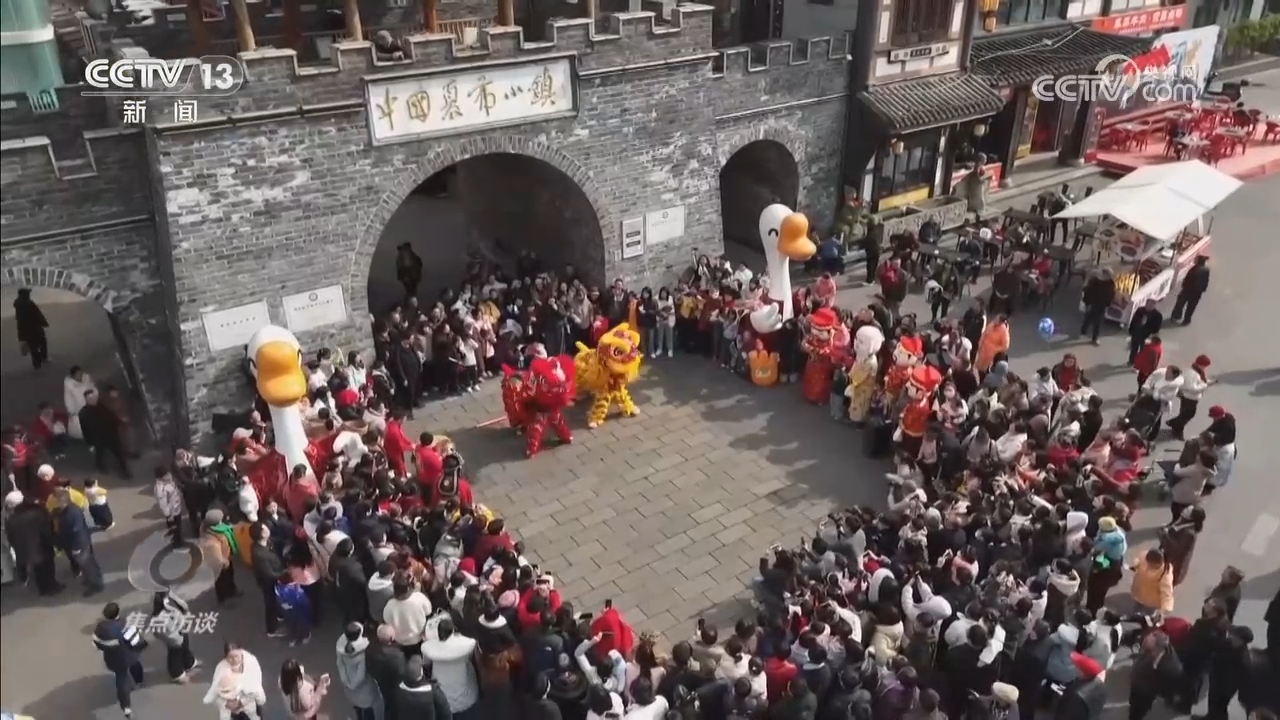
Core Insights - The 2026 Shanghai Spring Festival Intangible Cultural Heritage (ICH) series will feature hundreds of events across four main themes, showcasing traditional culture and modern city vibrancy [1][5] Group 1: Event Highlights - The series includes "Taste of Heritage" focusing on traditional food, "Brilliant Fireworks" highlighting lantern festivals, "Ink and Brush Fireworks" featuring cultural activities like Spring Festival couplets, and "Craftsmanship Fireworks" emphasizing ICH experiences [1] - The opening event took place on January 16, 2026, at the Sijing Ancient Town, marking the start of the Spring Festival celebrations [2] - Various lantern festivals will occur across Shanghai, including the "Yuyuan Folk Art Lantern Festival" and the "Xinzhuang Lantern Festival," showcasing intricate designs and cultural performances [3][4] Group 2: Cultural Integration and Technology - The events aim to blend traditional customs with contemporary spirit, enhancing the cultural experience for visitors [1][2] - A digital guide named "Taste of Human Fireworks" was launched to assist visitors in planning their ICH experiences, integrating online navigation and interactive features [5] - The series will also include interactive experiences, such as traditional crafts and performances, allowing visitors to engage with the cultural heritage [5][6] Group 3: Economic Impact - The "New Year Goods Economy" is expected to stimulate market consumption, attracting both locals and tourists to participate in the festivities [2] - Shanghai currently boasts 63 national-level ICH projects, 273 municipal-level projects, and over 900 district-level projects, indicating a rich cultural landscape that supports tourism and consumer spending [5]
焦点访谈丨透过年货清单,见证中国消费市场的蓬勃活力
Yang Shi Wang· 2026-02-14 13:30
Core Viewpoint - The article highlights the evolving nature of Chinese New Year shopping, showcasing a blend of traditional and modern consumer behaviors, with an emphasis on cultural significance and economic implications. Group 1: Traditional and Modern Shopping Trends - Traditional markets are experiencing a resurgence, with local specialties and festive foods being popular among consumers [3][5] - The integration of online platforms with traditional markets is enhancing the shopping experience, allowing farmers to promote their products through live streaming [5] - Consumers are increasingly purchasing a mix of local and international products, reflecting a globalized shopping trend during the New Year [7] Group 2: Travel and Experience as New Year Goods - Travel has become a significant category of New Year goods, with an increase in average travel days during the holiday, reaching 5.9 days, up by 1.1 days from the previous year [9] - Various promotional activities, including the distribution of over 3.6 billion yuan in consumer vouchers, are encouraging travel and cultural experiences during the holiday [9] Group 3: Technological and Cultural Products - The demand for upgraded electronic products, such as energy-efficient appliances and smart devices, has surged, with sales exceeding 590 billion yuan in January alone [13] - Cultural products, particularly those related to zodiac themes and traditional crafts, are gaining popularity, with unique items like the "crying horse" toy becoming bestsellers [17] Group 4: Cultural Significance and Global Influence - The inclusion of the Spring Festival in the UNESCO list of intangible cultural heritage has expanded its global influence, attracting foreign consumers to participate in the New Year shopping [19] - The blending of consumption and cultural expression reflects a growing cultural confidence in China, as consumers increasingly seek products that embody cultural symbols [21]
传统与科技交织撬动节日消费新场景 从“年货经济”看经济增长新动能
Yang Shi Wang· 2026-02-14 09:42
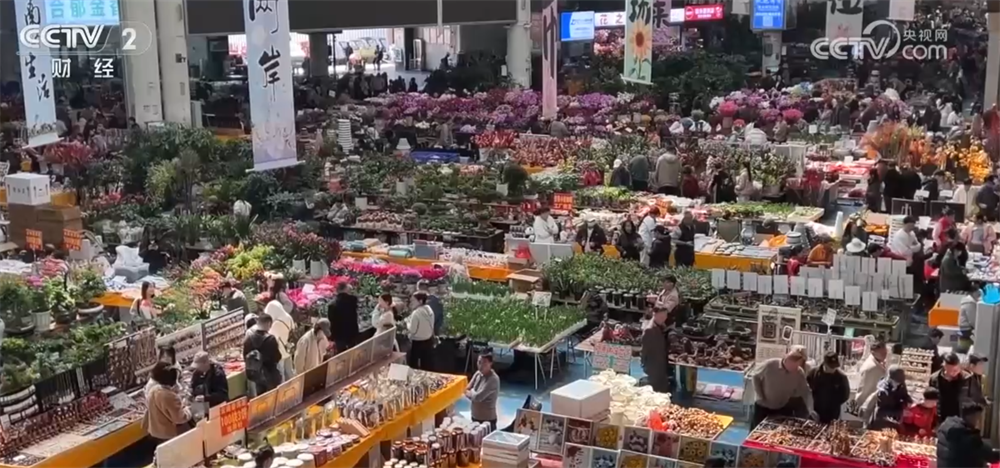
Group 1: Market Overview - The upcoming Spring Festival has led to a peak in sales at the Dou Nan Flower Market in Kunming, which is the largest fresh-cut flower trading market in Asia, connecting domestic consumers with global flower demand [1][3] - Various vibrant and festive New Year flowers are now available, including imported flowers from countries like Vietnam and the Netherlands [1][3] Group 2: Sales and Export Data - The export volume of fresh-cut flowers this month is five times the usual amount, with orders already scheduled into the new year [7] - In January 2026, the Kunming Customs reported an export of 9,748.47 tons of fresh-cut flowers, averaging over 5 million stems exported daily, representing a year-on-year increase of 21.09%, with a total value of 192.7 million yuan, up 22.97% [9] Group 3: Domestic Production and Technology - In Gansu, local fresh-cut roses are gaining popularity, supported by advanced technology that allows for continuous flower production [12][15] - The use of smart greenhouses enables precise control of temperature and humidity, extending the vase life of fresh-cut roses from one week to 15 days [15] Group 4: Consumer Preferences - Consumers are increasingly focused on the aesthetic appeal and practical factors such as shelf life and durability when purchasing flowers [13] - Online sales and live streaming have become popular, allowing consumers to select and compare flowers conveniently, with cold chain logistics ensuring delivery within 48 hours [15]
深度关注丨激活年味经济新动能
Zhong Yang Ji Wei Guo Jia Jian Wei Wang Zhan· 2026-02-14 01:08
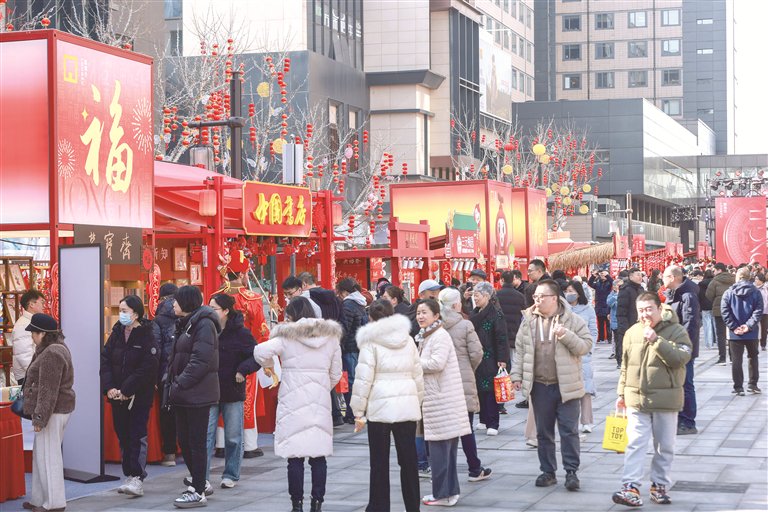
Core Viewpoint - The article highlights the vibrant growth of the "New Year goods economy" in China, showcasing how traditional customs and modern consumer trends are merging to create a dynamic market environment during the Spring Festival season [3][15]. Group 1: Consumer Trends - The demand for New Year goods is evolving, with consumers increasingly favoring products that emphasize quality, local characteristics, and health attributes [3][4]. - There is a shift from merely purchasing goods to seeking immersive experiences and cultural engagement during the shopping process [4][5]. - Convenience is becoming a priority, with consumers preferring one-stop shopping experiences that simplify the purchasing process [3][4]. Group 2: Market Dynamics - The New Year goods market is characterized by a blend of traditional and innovative products, with local specialties gaining popularity among consumers [5][6]. - The integration of online and offline sales channels is enhancing market reach, with live streaming and interactive experiences driving consumer engagement [8][9]. - Local governments and businesses are collaborating to ensure a stable supply and vibrant market atmosphere, including measures like extended store hours and promotional activities [6][10]. Group 3: Economic Impact - The New Year goods economy is seen as a crucial driver for domestic consumption, contributing significantly to economic growth and stability [10][15]. - The article notes that by 2025, domestic demand is expected to account for over 67% of China's economic growth, with consumption alone contributing 52% [10]. - The expansion of the New Year goods concept reflects broader trends in consumer behavior, moving from basic needs to a focus on quality and emotional value [15][16]. Group 4: Policy and Regulation - Local authorities are implementing measures to ensure fair distribution of temporary market stalls, enhancing transparency and market vitality [12][13]. - The issuance of consumer vouchers and promotional activities is being closely monitored to ensure fairness and effectiveness in stimulating spending [14][15]. - Regulatory bodies are actively involved in overseeing food safety and pricing practices during the festive season to protect consumer interests [11][16].
年货消费新潮涌动
Jing Ji Ri Bao· 2026-02-12 22:35
Group 1: Market Trends and Consumer Behavior - The online and offline market for New Year goods is experiencing a surge, with a shift from traditional necessities to trendy cultural and digital products, reflecting changes in consumer confidence and values [2][3] - The boundaries of New Year goods are rapidly expanding, with traditional craftsmanship being integrated into modern designs, appealing to younger consumers [3] - Emotional value and self-pleasure are becoming more significant drivers of consumer behavior, moving away from utilitarianism and social obligations [6] Group 2: Technological Integration - The integration of technology is redefining the definition and consumption scenarios of New Year goods, with products like AI glasses gaining popularity due to their practical functions and government subsidies [4] - The rise of "tech New Year goods" is fueled by national policies promoting equipment upgrades and trade-in programs, leading to significant sales growth in digital and smart home categories [4] Group 3: Cultural and Global Expansion - The vitality of China's New Year goods economy is increasingly reaching global markets, with platforms like JD.com reporting over 100% year-on-year growth in international sales [7] - Cultural elements are essential for differentiating products in the global market, but maintaining quality and user experience is crucial for long-term competitiveness [7] - Intellectual property protection and the establishment of an original ecosystem are vital for sustaining innovation and brand upgrades in the cultural and creative sectors [7] Group 4: Sustainable Development - Achieving healthy development of the New Year goods economy requires a focus on sustainable consumption, with consumers prioritizing value for money [8] - Balancing cultural emotional value with functionality, collectibility, and reasonable pricing is essential for promoting long-term growth in the New Year goods market [8]

乐购中国年:传统焕新韵,消费涌新潮
Xin Lang Cai Jing· 2026-02-12 10:19
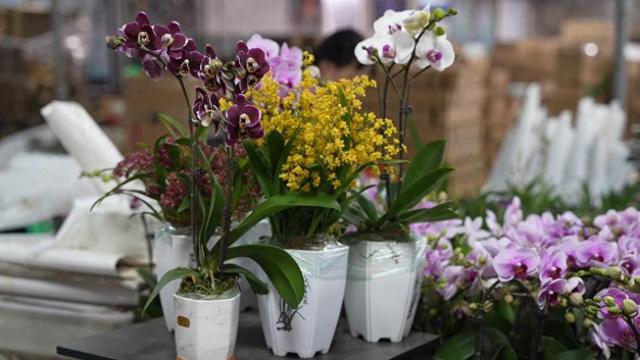
Group 1 - The upcoming Spring Festival is driving a surge in consumer activity, with various regions showcasing their unique products and cultural offerings [1][6][10] - In Fujian's Nanjing County, the flower market is experiencing peak sales, with over 30,000 orchid units shipped daily through online channels, supported by dedicated logistics for timely delivery [4][1] - Shandong enterprises are launching cultural products themed around the Year of the Horse, incorporating auspicious meanings that resonate well with consumers [3][7] Group 2 - Hubei's Yangxin County is hosting the first "Supply and Marketing New Year Goods Fair," creating an efficient supply chain connecting farmers, cooperatives, and consumers, enhancing local agricultural sales [6][10] - The Northeast New Fa Di agricultural supply chain center in Liaoning is acting as a major hub for distributing New Year goods across the country, facilitating the exchange of northern and southern produce [9][12] - The variety of products available for the Spring Festival is enriching the festive atmosphere, reflecting a blend of traditional and modern consumer preferences [12][10]

大数据观察|年货包裹,映照消费活力
Ren Min Ri Bao· 2026-02-12 07:33
Core Viewpoint - The express delivery industry is experiencing a peak in business volume due to the "New Year goods" market, with significant growth in logistics and cross-border delivery services, enhancing consumer access to global products [1][4]. Group 1: Express Delivery Volume and Trends - From February 2 to February 8, the national express delivery volume reached approximately 4.686 billion packages, reflecting a month-on-month increase of 3.19%, with an average daily volume of nearly 670 million packages [1]. - The peak season for express delivery is driven by the demand for New Year goods, with a notable increase in the volume of imported fruits, particularly Chilean cherries, which saw an increase from 10,000 containers last year to over 17,000 containers this year [2][3]. Group 2: Cross-Border Logistics and Domestic Delivery - Efficient collaboration between cross-border logistics and domestic delivery has enabled a seamless flow of global products into consumers' New Year shopping lists, with significant increases in the import of seafood and flowers from countries like Bangladesh and Pakistan [4]. - The logistics network has been optimized to ensure rapid delivery, with "same-day delivery" becoming standard for major regions, and "next-day delivery" for others, thanks to advanced cold chain logistics [3][4]. Group 3: Regional Developments and Innovations - The western regions of China are increasingly integrated into the "free shipping zone," with a 35% year-on-year increase in the volume of ski-related equipment deliveries in Urumqi, Xinjiang [5][6]. - New logistics models, such as centralized shipping, have improved efficiency and reduced costs, with a 60% improvement in service time for deliveries to Xinjiang during the peak season [5]. Group 4: Consumer Electronics and Policy Support - The introduction of new subsidy policies has boosted the demand for electronic goods, with a 30% increase in orders for home appliances and a 68% increase in digital product orders in January [9][10]. - The total sales from the old-for-new appliance program reached 2.971 billion yuan, with 6.813 million home appliances exchanged, indicating a strong consumer response to the policy [9][10]. Group 5: Holiday Logistics and Service Continuity - During the Spring Festival, major express companies have committed to maintaining service continuity, ensuring that essential deliveries are met despite potential disruptions due to holiday travel and weather conditions [12]. - After the holiday, a rapid recovery in delivery service demand is expected, with companies preparing to restore operations to normal levels quickly [13].
临近春节,快递业务量迎来一波高峰——年货包裹,映照消费活力
Ren Min Ri Bao· 2026-02-12 03:33
Core Insights - The express delivery industry is experiencing a peak in business volume due to the "New Year goods" season, with approximately 4.686 billion packages delivered nationwide from February 2 to February 8, marking a 3.19% increase compared to the previous period [1] Group 1: Cross-Border Logistics and Domestic Delivery - Efficient collaboration between cross-border logistics and domestic delivery has allowed global products to enter consumers' New Year shopping lists, with significant increases in the volume of imported fruits like Chilean cherries [2][3] - The logistics network has enabled rapid delivery, with cherries arriving in China within a day of order placement, showcasing the effectiveness of the "warehouse-to-transit" model [3] Group 2: Regional Developments in Logistics - The western regions of China are becoming part of the "free shipping zone," with a notable increase in the delivery of agricultural and industrial products, particularly in Xinjiang, where the volume of ski-related equipment has surged by over 35% year-on-year [5][7] - Enhanced logistics capabilities in regions like Gansu and Yunnan are facilitating the rapid movement of local specialties, with a projected 26% increase in cargo volume at the Kunming transit center during the New Year period [8] Group 3: Consumer Electronics and Policy Support - The introduction of new subsidy policies has led to a surge in demand for electronic goods, with a 30% increase in orders for home appliance delivery and installation services since January [9][10] - The total sales of home appliances and digital products during the New Year season have significantly contributed to the overall growth of the express delivery business, with over 6.813 million home appliances sold under the old-for-new policy [10][11] Group 4: Logistics Service Continuity During Holidays - The express delivery sector is preparing for a surge in demand during the Spring Festival, with major companies like China Post and SF Express committing to maintain service availability throughout the holiday period [13] - Companies are implementing measures to ensure the well-being of delivery personnel while managing the expected fluctuations in service demand during the holiday season [13]