必应搜索引擎

Search documents
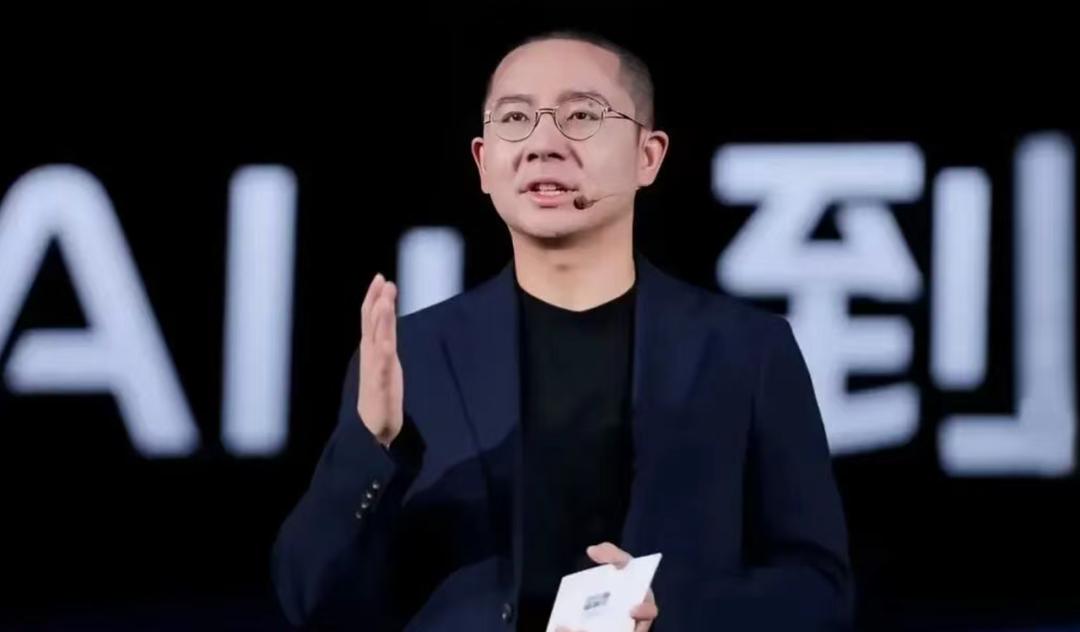
阶跃星辰不再低调:巨额融资,印奇加入,“1+3”核心决策层浮出水面
3 6 Ke· 2026-01-27 11:31
Core Insights - StepFun has completed a B+ round financing of over 5 billion RMB, setting a record for single financing in the large model sector over the past 12 months [1][2] - The company has announced the appointment of Yin Qi as the chairman, who has a significant background in AI and has previously founded Megvii Technology [2][10] - The core decision-making team of StepFun is structured in a "1+3" model, consisting of Yin Qi, CEO Jiang Daxin, Chief Scientist Zhang Xiangyu, and CTO Zhu Yibo [4][5] Group 1: Financing and Leadership Changes - The financing amount surpasses the IPO fundraising amounts of two other companies in the large model sector, Zhiyun and MiniMax [2] - Yin Qi's appointment is seen as a strategic move, given his extensive experience in both AI 1.0 and AI 2.0 eras, and his focus on integrating AI with hardware [12][13] - The "1+3" model is designed to cover four core capabilities essential for the implementation of large models: strategy, algorithms, systems, and engineering [9][36] Group 2: Team Member Profiles - Yin Qi has a unique background that includes founding Megvii Technology and leading it through various stages of AI development, emphasizing the importance of industrial application [11][12] - CEO Jiang Daxin is a globally recognized expert in natural language processing, with a strong engineering background from Microsoft, making him well-suited for leading large model applications [16][18] - Chief Scientist Zhang Xiangyu is known for co-authoring ResNet, a pivotal architecture in deep learning, and is focused on multi-modal models, which aligns with StepFun's strategic direction [20][25] Group 3: Strategic Focus and Market Position - StepFun emphasizes an "AI + terminal" strategy, which aims to integrate AI capabilities with hardware, positioning the company to capitalize on emerging market opportunities [7][52] - The company plans to leverage its unique team composition to address the challenges of algorithm development, system engineering, and commercial viability in the competitive landscape of large models [36][50] - The market for AI terminals is projected to exceed 300 million units by 2026, indicating a significant growth opportunity for companies like StepFun that focus on integrating AI with hardware [52]

微软斥巨资,抢10万块GPU
半导体行业观察· 2025-10-03 01:56
Core Insights - Microsoft has entered into a deal with Nebius Group NV valued at up to $19.4 billion to enhance its internal capabilities for creating large language models and consumer AI assistants [4][5] - This strategy aims to address the shortage of data center capacity for AI and allows Microsoft to free up its own server farms to provide lucrative AI services to customers [4][5] - Microsoft has signed agreements worth over $33 billion with various new cloud providers, including Nebius, CoreWeave Inc., Nscale, and Lambda, indicating a shift towards utilizing smaller infrastructure providers for critical infrastructure development [4][5] Financial Flexibility - Renting access to new cloud servers provides Microsoft with greater financial flexibility, allowing some costs to be classified as operating expenses rather than capital expenses, which can benefit cash flow and tax reporting [7] - The strategy enables Microsoft to sell more AI services while managing the tight computing capacity and investor expectations for substantial returns on technology investments [7][8] Competitive Landscape - Microsoft is experiencing a surge in demand for AI services from its products like GitHub Copilot and OpenAI, outpacing competitors such as Amazon and Google in terms of user engagement and service intensity [8] - Other cloud service providers have not announced similar partnerships with new cloud companies, highlighting Microsoft's proactive approach in the AI space [8] Infrastructure Development - Despite outsourcing some AI computing to new cloud providers, Microsoft continues to invest heavily in its own facilities, with plans for a second phase of development at a data center in Racine, Wisconsin, aimed at achieving a utility power capacity of at least 900 megawatts [8][9] - Microsoft is adjusting its infrastructure plans based on demand and regulatory considerations, indicating a dynamic approach to its operational strategy [9]

DeepMind刚拿完IMO金牌,科学家就被Meta挖走了,都是华人大牛
机器之心· 2025-07-23 01:04
Core Viewpoint - The article discusses the recent talent acquisition activities in the AI sector, particularly focusing on Meta's aggressive recruitment from Google DeepMind and Microsoft's parallel efforts to attract talent from the same source, highlighting a significant shift in the competitive landscape of AI research [2][14][19]. Group 1: Meta's Talent Acquisition - Meta has successfully recruited three prominent AI researchers from Google DeepMind, who were involved in the award-winning Gemini model for the IMO 2025 competition [4][6][7]. - The recruited researchers include Tianhe Yu, Cosmo Du, and Weiyue Wang, all of whom have impressive academic backgrounds and significant contributions to AI development [9][11][12]. - This recruitment is part of a broader strategy by Meta to enhance its AI capabilities, with the company having hired numerous researchers from various competitors, including OpenAI and Apple, over the past month [14][15]. Group 2: Structural Changes at Meta - Meta has restructured its AI research team, appointing Alexandr Wang as Chief AI Officer and bringing in other high-profile executives to lead its new AI division, Meta Superintelligence Labs (MSL) [15][16]. - The MSL is expected to manage around 3,400 employees, with new leadership having the authority to build their own teams [16]. Group 3: Microsoft's Recruitment Efforts - Microsoft has also been active in recruiting talent from Google DeepMind, having hired over 20 employees in the past six months, including key figures like Amar Subramanya [19][20]. - The new recruits will contribute to Microsoft's AI initiatives, particularly in developing consumer-facing products like Copilot and Bing search [21][30]. Group 4: Competitive Landscape and Market Dynamics - The ongoing talent war in the AI sector is intensifying as major tech companies invest heavily in acquiring AI startups and talent, with Google recently acquiring an AI programming startup for $2.4 billion [29]. - The article notes that this talent movement is occurring alongside significant layoffs at Microsoft, indicating a complex dynamic in the tech industry [33].