恒生中国企业ETF易方达(510900

Search documents
AH溢价上行意味着什么?为什么说当前是港股投资的好时机
Sou Hu Cai Jing· 2025-10-28 05:06
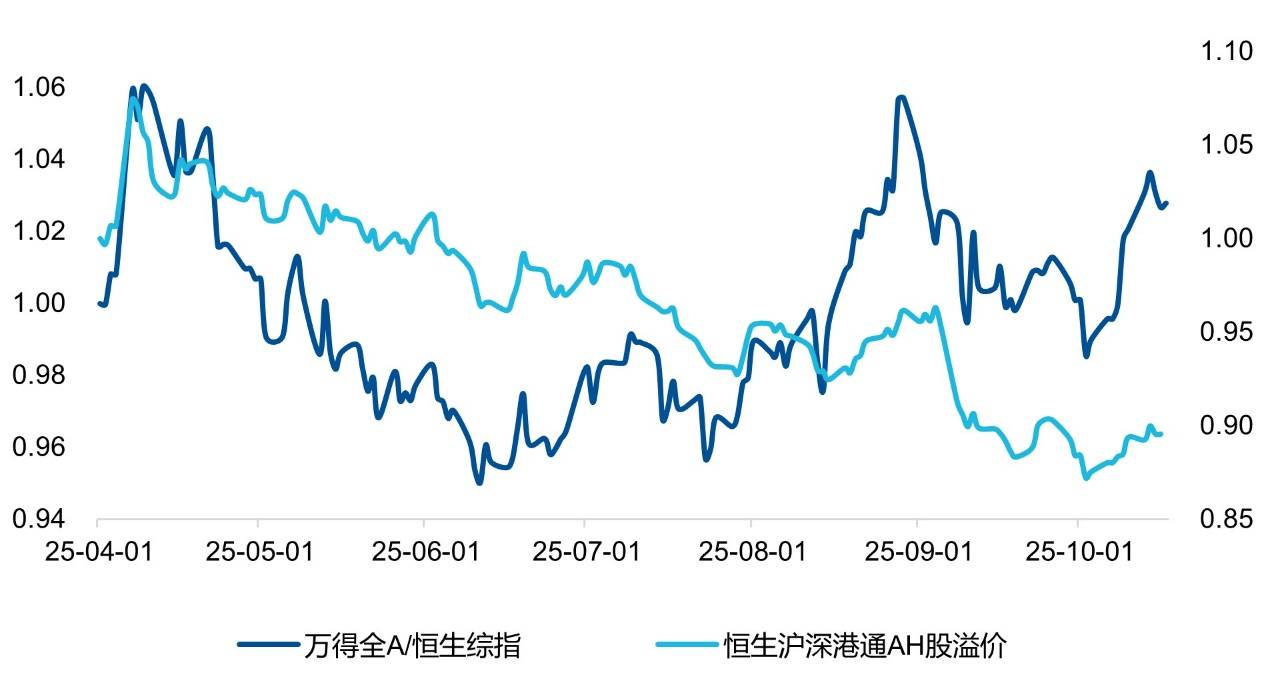
Group 1 - The valuation gap between A-shares and H-shares has widened, with the AH premium index rising since October, indicating that H-shares are becoming more attractive to investors [1][2] - The AH premium is defined as the price difference between the same company listed in both A-shares and H-shares, influenced by factors such as investor structure and liquidity [1] - Recent data shows that the AH premium index has been increasing, suggesting that A-shares are relatively overvalued compared to H-shares, driven by a recovery in risk appetite in the mainland market and a strengthening of the RMB [1] Group 2 - Over 100 companies are listed in both A-shares and H-shares, with A-shares generally having higher valuations; some leading stocks have price differences exceeding 40% [4] - The AH premium for leading stocks has mostly expanded, indicating that A-shares' valuation premium is still rising while H-shares are becoming more attractive [4] - H-shares are seen as having improved investment value due to lower valuations reflecting similar profit expectations compared to A-shares [4] Group 3 - The Hang Seng Index's equity risk premium (ERP) has recently rebounded from a three-year rolling -2 standard deviation position, indicating a shift in investor sentiment towards re-evaluating H-share assets [7][10] - The recovery in the ERP suggests that the valuation repair of H-shares is transitioning from being sentiment-driven to being supported by earnings and liquidity [7][10] - The Hang Seng China Enterprises Index is highlighted as having high valuation repair potential and strong liquidity, making it a focal point for investors during the current liquidity cycle [10]

全球宽松浪潮重启,谁是下一轮流动性修复的核心受益?
Sou Hu Cai Jing· 2025-10-20 03:31
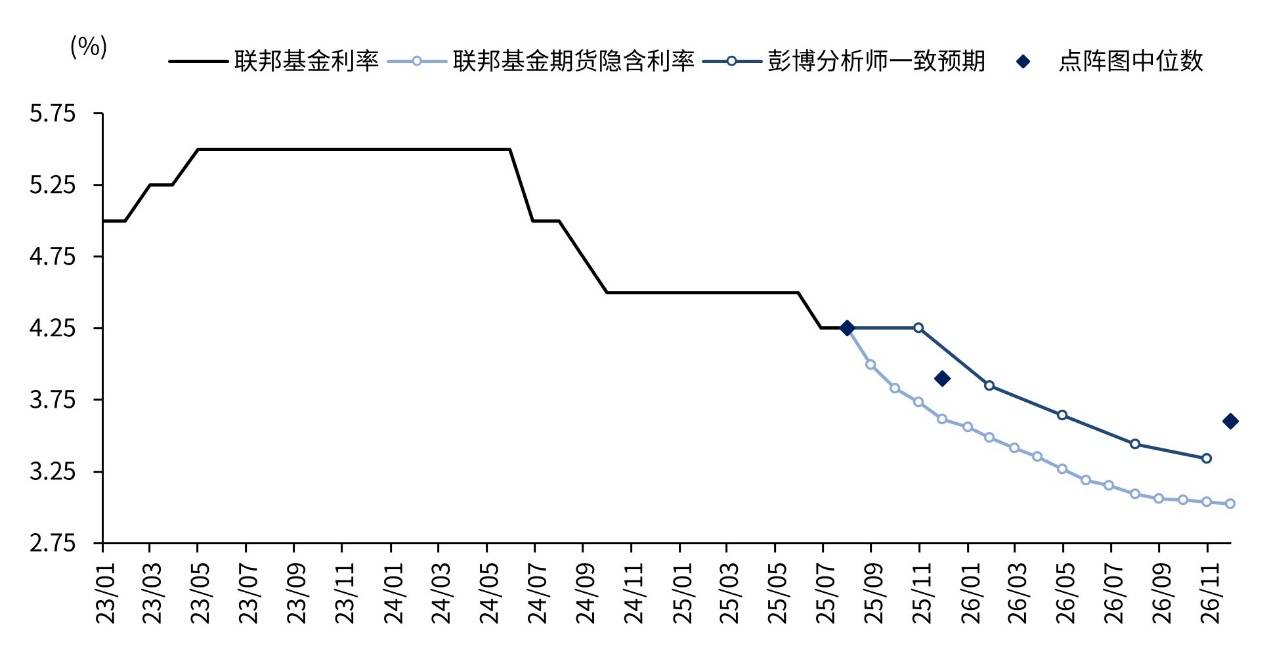
Group 1: Core Insights - The global liquidity environment is becoming more accommodative, with the Federal Reserve signaling a policy shift that enhances expectations for improved dollar liquidity [1] - The Hang Seng China Enterprises Index and its corresponding ETF are becoming core assets as they reflect the profitability and industrial trends of mainland enterprises [1] Group 2: Overseas Liquidity - The Federal Reserve's shift towards easing is expected to relieve pressure on the liabilities of H-share ETFs, with Powell indicating a pause in balance sheet runoff and potential rate cuts [1][2] - The downward adjustment of discount rates will elevate the present value of future cash flows, leading to valuation recovery, particularly in sectors sensitive to liabilities like technology and consumer goods [2] Group 3: Fundamentals - The overall EPS forecast for the Hong Kong market shows signs of stabilization and recovery, with a 0.35% increase in the Hang Seng Index EPS forecast since September 26 [5] - The Hang Seng China Enterprises Index consists entirely of mainland enterprises, with major sectors including consumer discretionary (29.5%), information technology (25.2%), and financials (23.0%), reflecting structural trends in consumption recovery and manufacturing upgrades [5] Group 4: Capital Flows - There has been a noticeable increase in net inflows from southbound funds, with significant investments in consumer discretionary and financial sectors amounting to 923 million HKD and 233 million HKD respectively over the past 20 trading days [8] - The rising proportion of southbound capital in the Hong Kong Stock Exchange indicates a growing reallocation interest from mainland investors towards Hong Kong stocks [8] Group 5: Overall Market Outlook - The combination of the Federal Reserve's easing policies, improving dollar liquidity, and the recovery of mainland economic performance is providing strong support for the Hong Kong stock market [13] - The Hang Seng China Enterprises Index is expected to benefit significantly from the recovery of the mainland economy, with H-share ETFs being ideal tools for investors to capitalize on the liquidity recovery window [13]