
拌饭酱

Search documents
茶饮品牌扎堆“卖饭”
Mei Ri Shang Bao· 2026-01-22 22:37
Core Insights - The tea beverage brand Mubaishouzuo Tea House has opened its first mall store in Hangzhou, introducing a new menu option that includes local snacks, indicating a trend among tea brands to diversify into food offerings for new growth opportunities [1][2] - The new store format of Mubaishouzuo represents a comprehensive upgrade in space, product, and consumer experience, featuring an expanded menu with main dishes and snacks [1] - Other brands, such as Mixue Ice City and Nayuki, are also venturing into food offerings, signaling a broader industry trend towards integrating food with beverage sales [2] Industry Trends - The integration of food offerings by tea brands aims to enhance customer spending and promote bundled purchases, as the supply chain becomes more mature and cross-industry barriers lower [2] - Successful integration of food and beverage requires alignment in brand tone, flavor, pricing, and product design to ensure a cohesive consumer experience [2] - The introduction of food items like Mubaishouzuo's Taro Rice and Nayuki's energy bowls reflects a strategic move to capture different meal occasions, such as breakfast and lunch, targeting specific consumer segments [1][2]
老干妈1年营收54亿,网友质疑口味变了
21世纪经济报道· 2026-01-14 08:38
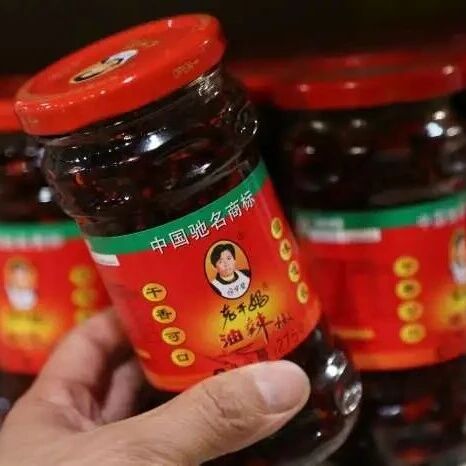
Core Viewpoint - The recent resurgence in revenue for Laoganma is attributed to founder Tao Huabi's return to the company, despite previous claims of her stepping back from operations [1][2]. Group 1: Company Performance - Laoganma achieved a revenue of 5.391 billion yuan in 2024, nearing its peak revenue of 5.403 billion yuan in 2020 [2]. - The company reported revenues of 5.26 billion yuan and 5.381 billion yuan in 2022 and 2023, respectively [2]. - Laoganma's products are sold in over 160 countries, with overseas revenue growth outpacing domestic industry averages, showing a year-on-year increase of approximately 30% in 2023 [7]. Group 2: Product and Market Insights - Laoganma offers over ten flavors of products, including spicy vegetables, flavored chicken, tomato chili sauce, and oil chili [2]. - The company maintains a significant market share, holding about 20% of the Chinese chili sauce market, which is more than the combined share of its second and third competitors [7]. - The demand for chili sauce is broad, attracting numerous new entrants into the market, with 5,723 existing chili sauce-related companies in China as of January 13 [8]. Group 3: Company History and Leadership - Tao Huabi, born in 1947, founded Laoganma in 1984, introducing a unique cooking method that led to the product's popularity [4]. - In June 2014, Tao Huabi exited the shareholder structure, with her sons Li Guishan and Li Miaoxing holding 49% and 51% of the shares, respectively [4][5]. - The company has a history of strict quality control, with significant actions taken against products that did not meet standards, including the destruction of 500 tons of product valued at over one million yuan [7].

奶茶店开始“卖饭”?蜜雪、古茗、阿嬷都盯上这门生意
东京烘焙职业人· 2026-01-14 08:33
Core Viewpoint - The beverage industry, particularly tea and coffee brands, is increasingly diversifying into food offerings, with a focus on integrating meals into their menus to enhance customer experience and drive sales [5][14][30]. Group 1: New Trends in Beverage Industry - Recent developments show tea shops like Mubaishousuo are introducing main dishes, such as the Min Nan Taro Rice, to attract customers [5][6]. - The trend of beverage shops selling food is gaining traction, with brands like Mixue Ice City and Starbucks experimenting with breakfast options [5][19]. - Social media reactions indicate consumer surprise and curiosity about beverage shops venturing into food sales, highlighting a shift in consumer expectations [7][10]. Group 2: Strategic Shifts in Offerings - Beverage brands are moving from merely offering snacks to providing full meal options, targeting breakfast and lunch markets [16][19]. - Companies like Mubaishousuo and Starbucks are launching new store formats and meal combinations to redefine the dining experience [20][22]. - The introduction of meal options is seen as a strategy to increase customer spending and adapt to daily consumption needs [15][30]. Group 3: Operational Considerations - The integration of food into beverage menus requires significant operational changes, including new equipment and food safety standards [33][35]. - Successful examples of food and beverage integration often involve light processing or strong synergy between products, with food revenue still being a small percentage of total sales [35][36]. - Brands must maintain consistency in their identity and ensure that new food offerings align with their core consumer experience [35].
奶茶店开始“卖饭”?蜜雪、古茗、阿嬷都盯上这门生意
3 6 Ke· 2026-01-10 04:52
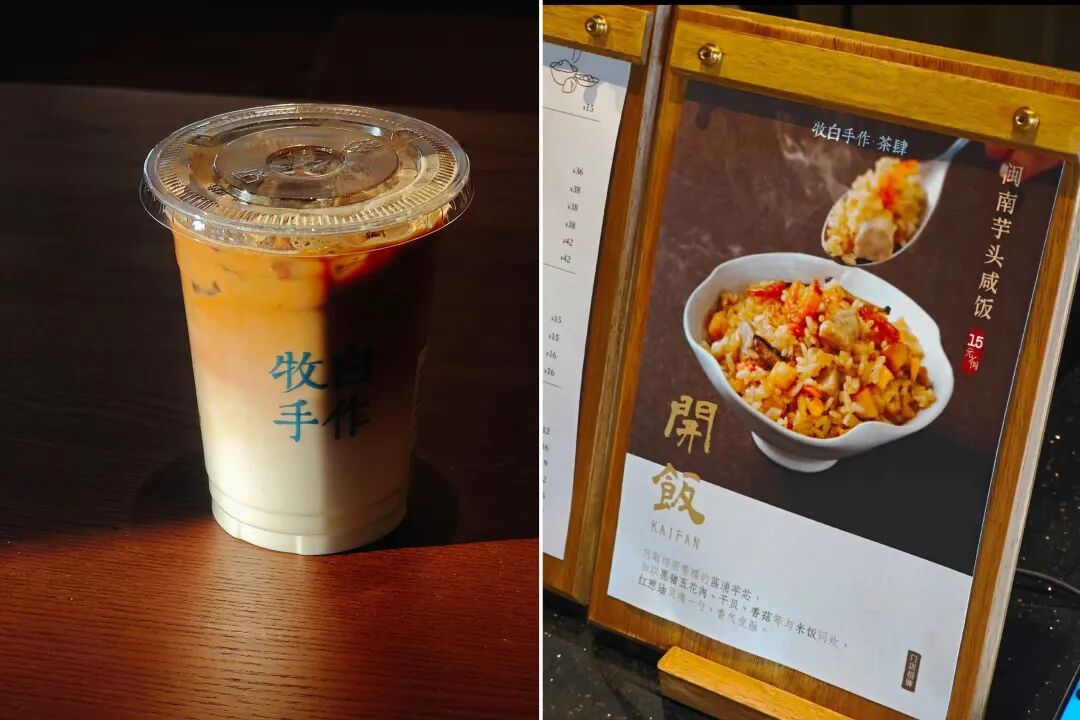
Core Insights - The trend of beverage shops selling food items, particularly rice dishes, is gaining traction, with brands like Mubaishou and A-Ma Handcrafted leading the way in this new market segment [1][3][7] Group 1: New Product Offerings - Mubaishou has introduced a new dish, Min Nan Taro Rice, priced at 15 yuan, which has received positive feedback for its flavor and value [3] - A-Ma Handcrafted has also attracted attention by offering rice dishes, although they primarily sell a rice sauce for customers to pair with rice [7][18] - The beverage industry is increasingly integrating food offerings, moving from simple snacks to full meal options, targeting breakfast and lunch markets [8][13] Group 2: Market Strategy - Brands are redefining their business models by creating new store formats that emphasize the combination of beverages and meals, enhancing customer experience [14][16] - Companies like Nayuki are launching new store concepts focused on light meals, aiming to cater to the lunch crowd with affordable options [17] - The strategy of offering food items is seen as a way to increase average transaction value and enhance brand presence in consumers' daily lives [20][21] Group 3: Industry Trends - The beverage sector is witnessing a shift towards food offerings as a response to market competition, with brands looking to expand their product categories and consumer touchpoints [21][24] - Successful integration of food and beverage offerings often relies on light processing or strong synergy between products, with many brands still exploring this model [24] - Despite the growing trend, food sales currently represent a small percentage of total revenue for many beverage brands, indicating that the fusion of drinks and meals is still in its early stages [24]

非遗“校园行”打动年轻人 老字号王致和推出多款新品
Bei Jing Shang Bao· 2025-10-19 05:36
Core Viewpoint - Wang Zhihe, a time-honored brand, participated in the 120th anniversary celebration of China Agricultural University, showcasing the charm of traditional fermented bean curd through various interactive activities and product displays [1] Group 1: Event Participation - Wang Zhihe engaged in the university's anniversary through performances, intangible cultural heritage experiences, cultural creative activities, and food tasting [1] - The event featured multiple interactive areas, including a cultural creative product display that attracted significant attention from students and faculty [1] Group 2: Product Innovation - The company showcased a range of innovative products, including spicy dry fermented bean curd, black truffle and matsutake vegetarian sauce, organic cooking wine, and organic white fermented bean curd [1] - New products focused on low-salt health concepts, such as reduced-salt rose fermented bean curd and reduced-salt whole bean curd, aligning with modern consumer dietary preferences while preserving traditional flavors [1] Group 3: Marketing Strategy - Wang Zhihe has been actively promoting intangible cultural heritage in schools and engaging in cross-industry collaborations to innovate while preserving its legacy [1] - The company aims to attract a younger audience to appreciate and enjoy its products through initiatives like the intangible cultural heritage activities [1]
