
支付系统

Search documents
英中贸易协会总裁白彼得:英首相时隔8年再度访华,商界看好前沿领域合作前景
21世纪经济报道· 2026-02-03 08:46
Group 1 - The visit of UK Prime Minister Starmer to China marks the first visit by a UK Prime Minister in eight years, symbolizing a significant step in bilateral relations and cooperation [1][2][3] - The delegation included over 60 executives from various sectors such as finance, pharmaceuticals, automotive, energy, and cultural industries, indicating a broad interest in enhancing trade and investment [1][4] - The visit aims to alleviate market friction and expand cooperation, with a focus on supporting business growth as a core element of the economic strategies of both countries [2][3] Group 2 - The UK sees China as its third-largest trading partner, highlighting the importance of this bilateral relationship and the potential for increased trade and investment [3][5] - The service sector is identified as having significant growth potential, particularly in financial services, creative industries, and sports, which are crucial for both economies [5][6] - China's rapid advancements in technology, particularly in battery technology, electric vehicles, and artificial intelligence, present opportunities for collaboration, with the UK encouraged to adopt an open attitude towards these developments [7][8] Group 3 - The alignment of China's "14th Five-Year Plan" with the UK's modern industrial strategy suggests a high degree of complementarity, with approximately 65% overlap in key development areas [8][9] - Both countries are expected to benefit from joint efforts in technology advancement and enhancing the levels of manufacturing and services, which could lead to substantial economic growth [9]


英中贸易协会总裁白彼得:英首相时隔8年再度访华 商界看好前沿领域合作前景
2 1 Shi Ji Jing Ji Bao Dao· 2026-02-02 23:16
Group 1 - UK Prime Minister Starmer's visit to China from January 28 to 31 marks the first visit by a UK Prime Minister to China in eight years, highlighting the importance of bilateral relations [1] - The visit included a high-level delegation of over 60 representatives from various sectors such as finance, pharmaceuticals, automotive, energy, and cultural industries, indicating a broad scope of cooperation [1][4] - The visit is seen as a positive signal for the UK business community, with expectations for tangible outcomes that could alleviate market friction and expand cooperation areas [2][3] Group 2 - The UK-China economic strategy aligns on supporting enterprise growth, with China being the UK's third-largest trading partner, emphasizing the significance of this bilateral relationship [2][3] - There is a strong potential for collaboration in sectors like services, advanced manufacturing, healthcare, and technology, particularly given China's advancements in battery technology, electric vehicles, and artificial intelligence [2][8] - The service industry, including financial services and creative industries, is identified as having substantial growth potential, with both countries encouraged to enhance cooperation in these areas [6][8] Group 3 - Structural changes in bilateral investment flows are noted, with both countries maintaining investment intentions, and a shift towards more comprehensive multinational operations is anticipated [7] - The UK is encouraged to adopt an open attitude towards Chinese technological investments, as China has made significant advancements in various high-tech fields [8] - The alignment of China's "14th Five-Year Plan" with the UK's modern industrial strategy presents opportunities for joint efforts in key industries, potentially leading to significant economic growth [8]
专访英中贸易协会总裁白彼得:英首相时隔8年再度访华 商界看好前沿领域合作前景
2 1 Shi Ji Jing Ji Bao Dao· 2026-02-02 23:04
Group 1 - The visit of UK Prime Minister Starmer to China marks the first visit by a UK Prime Minister in eight years, indicating a significant diplomatic engagement between the two nations [1][3] - The delegation led by Starmer includes over 60 executives from various sectors such as finance, pharmaceuticals, automotive, energy, and cultural industries, highlighting the diverse areas of potential collaboration [1][4] - The visit aims to alleviate market friction and expand cooperation, with a focus on mutual economic growth and prosperity, which is central to the economic strategies of both countries [2][3] Group 2 - China is the UK's third-largest trading partner, and the visit is expected to enhance bilateral trade and investment, particularly in sectors where both countries have shared interests [2][3] - The service industry, including financial services, creative industries, and sports, is identified as having significant growth potential, with both countries encouraged to strengthen cooperation in these areas [6][7] - China's rapid advancements in technology, particularly in battery technology, electric vehicles, and artificial intelligence, present opportunities for UK businesses to engage with and invest in these sectors [8]
专访英中贸易协会总裁:英首相时隔8年再度访华给商界吃下定心丸
21世纪经济报道· 2026-01-31 13:19
Group 1 - The core viewpoint of the article emphasizes the significance of UK Prime Minister Starmer's visit to China, marking the first visit by a UK Prime Minister in eight years, which symbolizes a potential thaw in relations and opportunities for economic cooperation [1][2][4] - The visit included a high-level delegation of over 60 representatives from various sectors such as finance, pharmaceuticals, automotive, energy, and cultural industries, indicating a broad interest in enhancing bilateral trade and investment [1][5] - The UK-China trade relationship is highlighted as crucial, with China being the UK's third-largest trading partner, and there is an expectation for more frequent high-level interactions to stabilize policy expectations for businesses [2][4] Group 2 - The article discusses the potential for collaboration in advanced sectors such as battery technology, electric vehicles, and artificial intelligence, where China has made significant advancements, suggesting that the UK should adopt an open attitude towards these innovations [2][10] - The service industry is identified as having substantial growth potential, particularly in financial services, creative industries, and sports, which aligns with China's focus on service sector growth in its 14th Five-Year Plan [7][9] - The article notes a structural shift in investment strategies, with both Chinese and UK companies moving towards more integrated operations in each other's markets, including local employment and manufacturing [8][10]

人民银行:二季度支付系统共处理支付业务3927.51亿笔 金额3084.83万亿元
Bei Jing Shang Bao· 2025-08-19 15:07
Core Insights - The People's Bank of China reported the overall operation of the payment system for the second quarter of 2025, indicating a significant volume of transactions processed [1] Payment System Overview - In the second quarter, the payment system processed a total of 392.75 billion transactions, amounting to 308.48 trillion yuan [1] - The central clearing system handled 5.54 billion transactions, with a total value of 22.96 trillion yuan, averaging 61.45 million transactions daily, valued at 3.70 trillion yuan [1] Large and Small Payment Systems - The large-value real-time payment system processed 97.41 million transactions, totaling 21.70 trillion yuan, with a daily average of 1.60 million transactions valued at 3.56 trillion yuan [1] - The small-value batch payment system processed 1.26 billion transactions, amounting to 4.84 trillion yuan, with a daily average of 138.37 million transactions valued at 531.39 billion yuan [1] Online Payment and Foreign Currency Transactions - The online interbank clearing system processed 4.19 billion transactions, totaling 6.77 trillion yuan, with a daily average of 459.85 million transactions valued at 743.81 billion yuan [1] - The domestic foreign currency payment system processed 168.53 thousand transactions, amounting to 1.01 trillion yuan, with a daily average of 27.60 thousand transactions valued at 165.84 billion yuan [1]
人民银行:二季度支付系统共处理支付业务3927.51亿笔,金额3084.83万亿元
Bei Jing Shang Bao· 2025-08-19 14:16
Core Insights - The People's Bank of China reported the overall operation of the payment system for the second quarter of 2025, indicating a significant volume of transactions processed [1] Payment System Overview - In the second quarter, the payment system processed a total of 392.75 billion transactions, amounting to 308.48 trillion yuan [1] - The central clearing system handled 5.54 billion transactions, with a total value of 22.96 trillion yuan, averaging 61.45 million transactions daily, valued at 3.70 trillion yuan [1] Large and Small Payment Systems - The large-value real-time payment system processed 97.41 million transactions, totaling 21.70 trillion yuan, with a daily average of 1.60 million transactions valued at 3.56 trillion yuan [1] - The small-value batch payment system processed 1.26 billion transactions, amounting to 4.84 trillion yuan, with a daily average of 138.37 million transactions valued at 531.39 billion yuan [1] Online Payment and Foreign Currency Transactions - The online payment interbank clearing system processed 4.19 billion transactions, totaling 6.77 trillion yuan, with a daily average of 459.85 million transactions valued at 743.81 billion yuan [1] - The domestic foreign currency payment system processed 168.53 thousand transactions, amounting to 1.01 trillion yuan, with a daily average of 27.60 thousand transactions valued at 165.84 billion yuan [1]
去美元化,这一回亚洲经济体是“认真”的
凤凰网财经· 2025-06-12 12:53
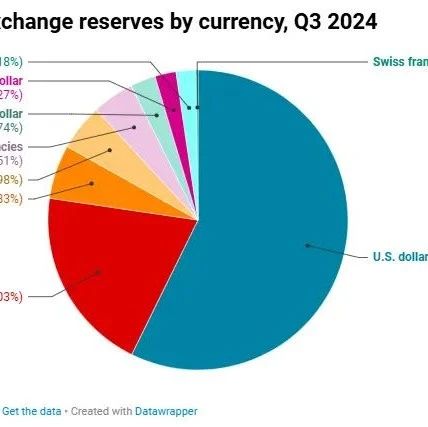
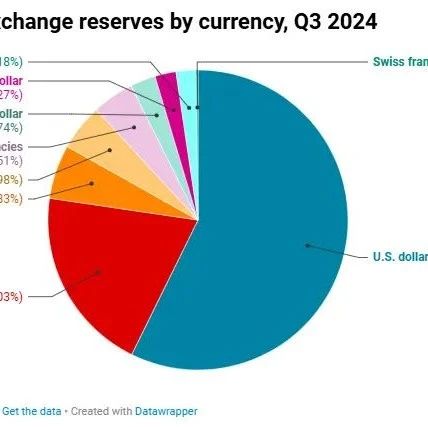
Core Viewpoint - The article discusses the rising trend of "de-dollarization" in Asia, driven by various factors including geopolitical uncertainties and the desire to reduce reliance on the US dollar for trade and investment [1][2]. Group 1: De-dollarization Trend - ASEAN has committed to promoting the use of local currencies in trade and investment through measures like local currency settlement and enhancing regional payment connectivity [1]. - The trend of de-dollarization is gaining momentum as individuals and businesses in ASEAN begin to convert dollar savings back to local currencies, and large investors actively hedge foreign investments [2]. - The share of the US dollar in global foreign exchange reserves has decreased from over 70% in 2000 to 57.8% in 2024, indicating a global reduction in reliance on the dollar [4]. Group 2: Market Reactions and Strategies - Investors are reassessing their portfolios, moving away from dollar-heavy allocations due to the perception of the dollar being used as a weapon in trade and sanctions [2]. - Asian economies, particularly those heavily reliant on trade, are expected to see a significant decline in demand for the dollar, with over 80% of trade in the 10+3 cooperation mechanism still denominated in dollars as of last November [3]. - There is a notable increase in dollar exposure hedging among Asian investors, with Japanese life insurance companies raising their hedging ratio from approximately 44% to around 48% in recent months [3]. Group 3: Structural Changes and Challenges - The article raises the question of whether the current de-dollarization trend is a temporary phase or indicative of a more profound structural change [4]. - Despite the ongoing trend, experts caution that replacing the dollar as the primary reserve currency remains challenging, with significant hurdles still in place [7]. - The potential for structural change may depend on the US's implementation of sanctions and the behavior of central banks regarding dollar holdings [7].
去美元化,这一回亚洲经济体是“认真”的
凤凰网财经· 2025-06-12 12:53
Core Viewpoint - The article discusses the rising trend of "de-dollarization" in Asia, driven by various factors including geopolitical tensions and the desire to reduce reliance on the US dollar for trade and investment [1][2]. Group 1: De-dollarization Trend - ASEAN has committed to promoting the use of local currencies in trade and investment through measures like local currency settlement and enhancing regional payment connectivity [1]. - The trend of de-dollarization is gaining momentum as individuals and businesses in ASEAN begin to convert dollar savings back to local currencies, and large investors actively hedge foreign investments [2]. - The share of the US dollar in global foreign exchange reserves has decreased from over 70% in 2000 to 57.8% in 2024, indicating a global reduction in reliance on the dollar [4]. Group 2: Market Reactions and Implications - The uncertainty surrounding US trade policies has led to a significant decline in the dollar, with the dollar index dropping over 8% since the beginning of the year, marking its worst performance in the first five months [6]. - Analysts suggest that while many countries are reducing their dependence on the dollar, replacing it as the primary reserve currency remains challenging [6][7]. - The potential implementation of punitive tax measures against countries perceived as having unfavorable tax policies could further accelerate the de-dollarization trend [6]. Group 3: Currency Hedging and Investment Strategies - Asian investors are increasingly hedging against dollar exposure, with notable increases in hedging ratios among Japanese and Taiwanese insurance companies [3]. - The trend of hedging is seen as a response to the volatility of the dollar, with investors selling dollars and buying local or other currencies, which may lead to a rise in non-dollar currencies [3]. - Despite the ongoing de-dollarization, the dollar remains dominant in global trade, with over half of global trade still settled in dollars as of April [7].
西班牙首相桑切斯:支付系统和数字银行都运作正常。
news flash· 2025-04-28 16:14
Core Viewpoint - The Spanish Prime Minister Sanchez stated that both the payment systems and digital banking are functioning normally [1] Group 1 - The current operational status of payment systems in Spain is stable and efficient [1] - Digital banking services in Spain are also reported to be running without issues [1]