
新能源电动货车

Search documents
21社论丨优化实施“两新”政策,撬动更多市场需求
21世纪经济报道· 2026-01-06 01:48
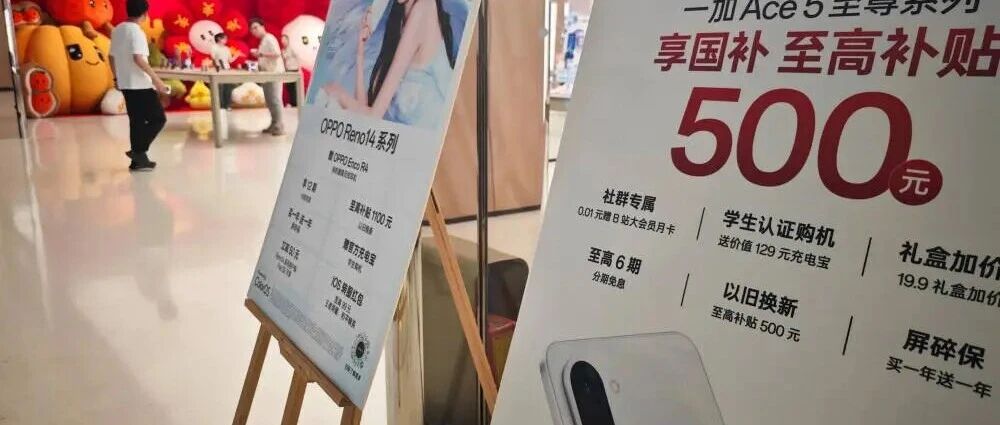
Core Viewpoint - The article discusses the implementation of new policies in 2026 aimed at promoting equipment updates and the trade-in of consumer goods, which are expected to significantly boost consumption and investment, benefiting over 360 million people and generating sales exceeding 2.6 trillion yuan by 2025 [1][2]. Group 1: Equipment Update Policy - The 2026 policy expands and optimizes support for traditional industries while including new areas such as installing elevators in old residential communities and enhancing public safety facilities, indicating a shift towards balancing production and living standards [2][3]. - Specific adjustments in the subsidy mechanism aim to enhance precision and effectiveness, such as prioritizing the replacement of old operational trucks with new energy electric vehicles and adjusting subsidies for old elevators based on building floors [2][3]. Group 2: Consumer Goods Trade-in Policy - The new policy focuses on key consumer goods like automobiles and core home appliances, streamlining support to enhance effectiveness and market impact [3][4]. - The subsidy mechanism for automobiles has shifted from fixed amounts to a percentage of the new vehicle sales price, aiming for a more efficient allocation of fiscal resources [4]. - Emerging consumer sectors, such as smart glasses and age-friendly home products, have been included in the support scope, reflecting a forward-looking approach to policy adjustments [4]. Group 3: Service Consumption Shift - The article notes a transition in China's consumption structure from goods to services, with service consumption becoming a key driver for domestic demand, suggesting that future policies will focus on sectors like culture, sports, health, and elder care [4].

21社论丨优化实施“两新”政策 撬动更多市场需求
2 1 Shi Ji Jing Ji Bao Dao· 2026-01-05 23:13
Group 1 - The core viewpoint of the news is that the new policies for 2026 aim to stimulate consumption and investment through equipment updates and trade-in programs, with a focus on both short-term economic growth and long-term structural optimization [1][3]. - The sales of trade-in related products are projected to exceed 2.6 trillion yuan by 2025, benefiting over 360 million people [1]. - The new policies will support a wide range of sectors, including traditional industries and new areas such as elderly care and public safety, indicating a shift towards improving public welfare and consumer experiences [2][3]. Group 2 - The 2026 policy for equipment updates has expanded its scope to include not only traditional sectors but also consumer infrastructure like elevators in old residential areas and fire rescue facilities, reflecting a balanced focus on production and daily life [2][3]. - Specific adjustments in the subsidy mechanisms aim to enhance precision and effectiveness, such as prioritizing the replacement of old trucks with new energy vehicles and adjusting subsidies for residential elevators based on building height [2][4]. - The new trade-in policy will concentrate on key consumer goods like automobiles and core home appliances, streamlining support to maximize market impact and consumer engagement [3][4]. Group 3 - The implementation mechanisms of the new policies emphasize efficiency, with changes in subsidy structures for automobiles linking them to sales prices rather than fixed amounts, which is expected to optimize fiscal spending [4]. - The support for home appliances has been narrowed from 12 categories to 6 core products, focusing on high-penetration items that drive consumer behavior [4]. - Emerging consumer sectors such as smart glasses and age-friendly home products are included in the support scope, indicating a proactive approach to align with future consumption trends [4]. Group 4 - The shift in China's consumption structure from goods to services is highlighted, with service consumption becoming a key area for boosting domestic demand, particularly in sectors like tourism, sports, health, and elder care [5]. - Future efforts will focus on institutional innovation and quality enhancement to unlock the potential of service consumption and further optimize the economic structure [5].
优化实施“两新”政策,撬动更多市场需求
2 1 Shi Ji Jing Ji Bao Dao· 2026-01-05 22:42
Core Insights - The Ministry of Commerce reports that by 2025, the sales volume of products related to the trade-in program will exceed 2.6 trillion yuan, benefiting over 360 million people [1] - The new "national subsidy" policy, effective from the New Year holiday in 2026, aims to stimulate the consumption market, particularly in smart electronic products, with sales of smart health devices and wearable devices expected to grow by over 20% and 15% respectively [1] Group 1: Equipment Update Policy - The 2026 policy expands and optimizes support for equipment updates, including traditional industries and new areas such as installing elevators in old residential communities and enhancing public safety infrastructure [2] - The policy shifts focus from solely improving manufacturing levels to balancing production and living standards, addressing public safety and consumer experience [2] - Specific adjustments in subsidy mechanisms aim to enhance precision and effectiveness, such as prioritizing the replacement of old operational trucks with new energy electric trucks [2][3] Group 2: Consumer Goods Trade-in Policy - The 2026 policy for consumer goods trade-in has undergone structural optimization, focusing on high-impact categories like automobiles and core home appliances [3][4] - The subsidy mechanism for automobiles has shifted from fixed amounts to a proportional subsidy linked to the new car sales price, aiming for more efficient use of fiscal resources [4] - New emerging consumer fields, such as smart glasses and age-friendly home products, have been included in the support scope, indicating a forward-looking approach to policy adjustments [4] Group 3: Service Consumption Shift - The consumption structure in China is transitioning from goods-led to service-led consumption, with service consumption becoming a key focus for boosting domestic demand [5] - The policy is expected to increase support in areas such as culture, tourism, sports, health, elderly care, and housekeeping services [5] - Further institutional innovation and quality enhancement are needed to unlock the potential of service consumption and promote economic structure optimization [5]