设备更新和消费品以旧换新政策

Search documents
雪祺电气(001387) - 2026年2月5日投资者关系活动记录表
2026-02-05 09:22
Group 1: Financial Performance - In the first three quarters of 2025, the company achieved operating revenue of 141,205.37 million CNY, a year-on-year increase of 0.52% [2] - The net profit attributable to shareholders for the same period was 4,639.62 million CNY, with a net profit of 6,164.40 million CNY after excluding share-based payment impacts, reflecting a growth of 12.96% year-on-year [2] - The net profit excluding non-recurring gains and losses was 5,822.06 million CNY, marking a year-on-year increase of 13.35% [3] Group 2: Development Plans - The company is focused on "large-capacity refrigerators + commercial cold chain" and aims to expand upstream in the industry chain and into global markets [4] - In 2024, a new subsidiary, Wuliang Intelligent, will be established, focusing on PCBA processing and electronic component support [4] - The company plans to enhance its core competitiveness through business synergy and will continue to expand its overseas market presence [4] Group 3: Shareholder Matters - The 5% shareholder, Anhui Zhidao Investment Co., Ltd., plans to reduce its holdings due to personal funding needs, but this is not expected to significantly impact the company's governance or ongoing operations [5] - The company emphasizes shareholder returns and plans to balance operational development with shareholder benefits [9] Group 4: Project Updates - The company has completed two fundraising projects: the "annual production of 1 million embedded refrigerators" and the "R&D center construction project" [7] - The "refrigerator component self-manufacturing capability enhancement project" has been changed to the "Electronic Technology Park and High-end Smart Home Industrial Park Project," which is currently progressing normally [8] Group 5: Market and Sales - The company’s overseas business revenue grew by approximately 20% in the first three quarters of 2025, with international sales accounting for about 45% of total revenue, up from 18.81% in 2022 [14] - The company is actively expanding into new markets and plans to continue product innovation to meet diverse customer needs globally [14] Group 6: Risk Management - To mitigate the impact of exchange rate fluctuations, the company has established a foreign exchange hedging management system and engages in various foreign exchange derivative transactions [15] Group 7: Long-term Value Management - The company aims to enhance its intrinsic value through innovation, product development, and effective communication with investors [16] - It plans to maintain a regular dividend mechanism to improve investor recognition and align market perception with the company's value [16]
今年“两新”政策将“精准发力、提质增效”
Xin Lang Cai Jing· 2026-01-07 19:17
Group 1 - The core viewpoint of the article is the implementation of a large-scale equipment update and consumer goods replacement policy in 2026, which aims to enhance consumer spending and support economic growth through targeted subsidies and support measures [1][2][3] Group 2 - The 2026 policy will continue to support the replacement of old vehicles with subsidies adjusted based on vehicle prices, with a maximum of 20,000 yuan for scrapping and 15,000 yuan for replacement [2] - The policy will also extend subsidies for household appliances, focusing on six categories including refrigerators, washing machines, televisions, air conditioners, computers, and water heaters, with a subsidy cap of 1,500 yuan per item [2] - The policy emphasizes the importance of supporting small and medium-sized enterprises by lowering the investment threshold for equipment updates, thereby broadening the policy's reach and enhancing effective investment [1][2]
夸克等AI眼镜首次被纳入以旧换新“国补”范围,商务部开启调研
Sou Hu Cai Jing· 2026-01-06 04:08
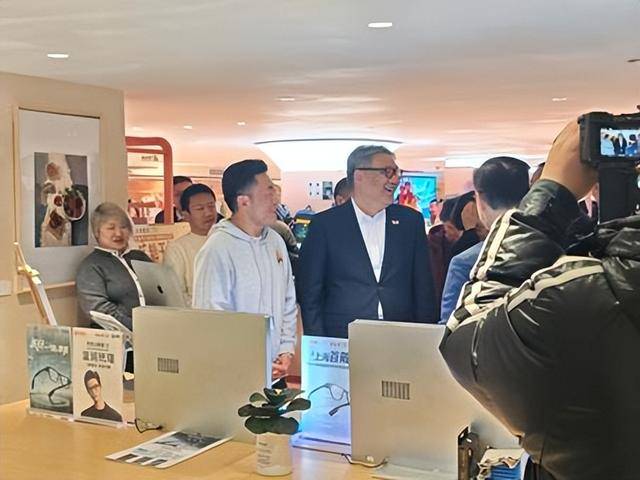
Group 1 - The National Development and Reform Commission and the Ministry of Finance announced a new policy to implement large-scale equipment updates and a trade-in program for consumer goods starting in 2026, which includes subsidies for smart glasses for the first time [1] - Consumers purchasing new digital and smart products, including smartphones, tablets, smartwatches, and smart glasses priced under 6000 yuan, will receive a subsidy of 15% of the product price, with a maximum subsidy of 500 yuan per item [1] - Each consumer is eligible for one subsidy per product category, promoting the adoption of new technology among consumers [1] Group 2 - Minister of Commerce Wang Wentao conducted a survey during the New Year period at the Shanghai First Department Store, experiencing new tech products eligible for the trade-in subsidy, including the Quark AI glasses [3] - The Quark AI glasses S1, developed by Alibaba, feature dual flagship chips and a dual-display system, providing various functionalities such as music playback, photography, and integrated solutions for near-sighted users [3] - The AI glasses also include customized features like the Gaode near-eye navigation system, Alipay blue ring payment, and Taobao price comparison, enhancing the user experience through ecosystem integration [3]

21社论丨优化实施“两新”政策,撬动更多市场需求
21世纪经济报道· 2026-01-06 01:48
Core Viewpoint - The article discusses the implementation of new policies in 2026 aimed at promoting equipment updates and the trade-in of consumer goods, which are expected to significantly boost consumption and investment, benefiting over 360 million people and generating sales exceeding 2.6 trillion yuan by 2025 [1][2]. Group 1: Equipment Update Policy - The 2026 policy expands and optimizes support for traditional industries while including new areas such as installing elevators in old residential communities and enhancing public safety facilities, indicating a shift towards balancing production and living standards [2][3]. - Specific adjustments in the subsidy mechanism aim to enhance precision and effectiveness, such as prioritizing the replacement of old operational trucks with new energy electric vehicles and adjusting subsidies for old elevators based on building floors [2][3]. Group 2: Consumer Goods Trade-in Policy - The new policy focuses on key consumer goods like automobiles and core home appliances, streamlining support to enhance effectiveness and market impact [3][4]. - The subsidy mechanism for automobiles has shifted from fixed amounts to a percentage of the new vehicle sales price, aiming for a more efficient allocation of fiscal resources [4]. - Emerging consumer sectors, such as smart glasses and age-friendly home products, have been included in the support scope, reflecting a forward-looking approach to policy adjustments [4]. Group 3: Service Consumption Shift - The article notes a transition in China's consumption structure from goods to services, with service consumption becoming a key driver for domestic demand, suggesting that future policies will focus on sectors like culture, sports, health, and elder care [4].
21社论丨优化实施“两新”政策 撬动更多市场需求
2 1 Shi Ji Jing Ji Bao Dao· 2026-01-05 23:13
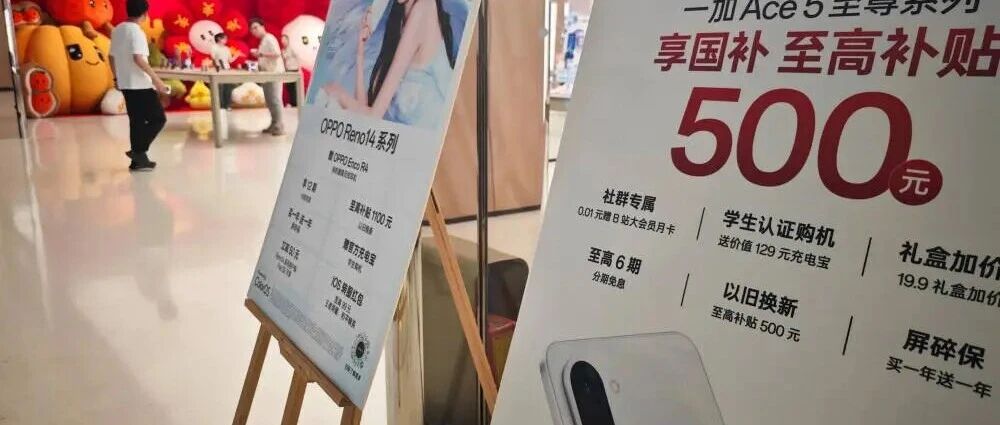
Group 1 - The core viewpoint of the news is that the new policies for 2026 aim to stimulate consumption and investment through equipment updates and trade-in programs, with a focus on both short-term economic growth and long-term structural optimization [1][3]. - The sales of trade-in related products are projected to exceed 2.6 trillion yuan by 2025, benefiting over 360 million people [1]. - The new policies will support a wide range of sectors, including traditional industries and new areas such as elderly care and public safety, indicating a shift towards improving public welfare and consumer experiences [2][3]. Group 2 - The 2026 policy for equipment updates has expanded its scope to include not only traditional sectors but also consumer infrastructure like elevators in old residential areas and fire rescue facilities, reflecting a balanced focus on production and daily life [2][3]. - Specific adjustments in the subsidy mechanisms aim to enhance precision and effectiveness, such as prioritizing the replacement of old trucks with new energy vehicles and adjusting subsidies for residential elevators based on building height [2][4]. - The new trade-in policy will concentrate on key consumer goods like automobiles and core home appliances, streamlining support to maximize market impact and consumer engagement [3][4]. Group 3 - The implementation mechanisms of the new policies emphasize efficiency, with changes in subsidy structures for automobiles linking them to sales prices rather than fixed amounts, which is expected to optimize fiscal spending [4]. - The support for home appliances has been narrowed from 12 categories to 6 core products, focusing on high-penetration items that drive consumer behavior [4]. - Emerging consumer sectors such as smart glasses and age-friendly home products are included in the support scope, indicating a proactive approach to align with future consumption trends [4]. Group 4 - The shift in China's consumption structure from goods to services is highlighted, with service consumption becoming a key area for boosting domestic demand, particularly in sectors like tourism, sports, health, and elder care [5]. - Future efforts will focus on institutional innovation and quality enhancement to unlock the potential of service consumption and further optimize the economic structure [5].
地缘黑天鹅扰动市场,国内经济有所回暖
Guo Mao Qi Huo· 2026-01-05 03:02
1. Report Industry Investment Rating - No relevant information provided 2. Core Viewpoints of the Report - Geopolitical risks have suddenly changed, and the commodity market may experience new fluctuations. The Fed meeting minutes did not provide more information to boost market sentiment. Domestic policies are gradually taking effect, and new policies will be introduced to achieve a stable economic start. Geopolitical factors, such as the US's new actions against Venezuela, will disrupt commodities like crude oil and drive a phased rebound in energy prices [3] 3. Summary by Relevant Catalogs PART ONE: Main Viewpoints - **Market Review**: This week, domestic commodities fluctuated. During the Christmas and New Year holidays, the news was relatively quiet, and market trading was dull [3] - **Overseas Factors** - The Fed meeting minutes showed internal disagreement on policy paths. The Fed has entered a "wait - and - see" policy stage, and future interest rate decisions will be more data - dependent [3] - The US manufacturing PMI in December 2025 was 51.8, lower than November's 52.2 and the market expectation of 52, indicating a significant slowdown in manufacturing expansion [3] - US President Trump postponed the tariff increase plan for imported soft furniture, kitchen cabinets, and bathroom cabinets on December 31, 2025 [3] - The US military's action in Venezuela on January 3, 2026, a geopolitical "black swan" event, briefly pushed up the risk premium of crude oil and stimulated safe - haven assets. However, the impact on oil prices is limited and unsustainable due to the global oil supply glut [3] - **Domestic Factors** - In December, China's manufacturing, non - manufacturing, and composite PMI all rose into the expansion range, indicating an overall recovery of the economic climate. There was an improvement in supply and demand, a continuation of the price recovery, and a return of the non - manufacturing business activity index to the expansion range [3] - The National Fiscal Work Conference in December 2025 implemented the fiscal policy tone, showing policy continuity and stability [3] - During the New Year's Day holiday in 2026, the domestic consumption and travel markets had a strong start [3] - The National Development and Reform Commission and the Ministry of Finance jointly issued a notice on large - scale equipment renewal and consumer goods trade - in policies in December 2025, optimizing support scope, subsidy standards, and implementation mechanisms, and advancing 62.5 billion yuan in special treasury bond funds [3] PART TWO: Overseas Situation Analysis - **Interest Rate Decision**: The Fed cut the federal funds rate by 25 basis points to 3.50% - 3.75% in December 2025, but the number of opposing votes was the highest since 2019, revealing internal differences on the policy path [3] - **Manufacturing PMI**: The US manufacturing PMI in December 2025 was 51.8, the lowest in five months, showing a slowdown in manufacturing expansion [3][10] - **Tariff Policy**: The US postponed the tariff increase on imported soft furniture, kitchen cabinets, and bathroom cabinets [3][13] - **Geopolitical Event**: The US military action in Venezuela on January 3, 2026, affected the oil market, but the impact was limited due to the global oil supply surplus [3][16] PART THREE: Domestic Situation Analysis - **PMI Index**: In December 2025, China's manufacturing, non - manufacturing, and composite PMI rose to the expansion range, with improvements in supply, demand, price, and business expectations [3][21] - **Fiscal Policy**: The National Fiscal Work Conference in December 2025 implemented the fiscal policy for 2026, showing policy continuity [3] - **Consumption and Travel**: The domestic consumption and travel markets had a strong start during the New Year's Day holiday in 2026 [3][27] - **Policy Optimization**: The equipment renewal and consumer goods trade - in policies in 2026 were optimized in support scope, subsidy standards, and implementation mechanisms, with 62.5 billion yuan in special treasury bond funds advanced [3][29][30] PART FOUR: High - Frequency Data Tracking - **Industrial Production**: The operating rates of the polyester industry chain and the blast furnace operating rates showed certain trends [33][37] - **Automobile Sales**: Automobile wholesale and retail data had specific changes [42][45] - **Agricultural Product Prices**: The average wholesale prices of vegetables, pork, and fruits, as well as the agricultural product wholesale price index, fluctuated [47]
中芯国际拟406亿元收购子公司中芯北方剩余股权 |财富周历 动态前瞻
Sou Hu Cai Jing· 2026-01-05 00:17
A-Share Market - As of December 30, 2025, over 2,800 A-share listed companies have received broker research, indicating that more than half of the market's listed companies have attracted broker attention. The most focused sectors include machinery, electronics, and pharmaceuticals, with over 290 companies in each sector receiving broker research [2] - On December 29, Ganfeng Lithium announced it received a notice from the Yichun Public Security Bureau regarding prosecution for suspected insider trading, with the case now transferred to the procuratorate for review and prosecution. The company had previously received an administrative penalty from the Jiangxi Securities Regulatory Bureau in July 2024 and has complied with disclosure obligations and paid fines [2] - Minmetals Development announced on December 29 that it received a notice from its actual controller, China Minmetals, regarding a planned major asset restructuring. The company intends to acquire equity stakes in Minmetals Mining and Luzhong Mining from its controlling shareholder through asset swaps, share issuance, and cash payments, while also raising matching funds [2] - On December 29, Huali Co., a leader in decorative composite materials, disclosed the termination of its intention to acquire a 51% stake in Beijing Zhongke Huilian Technology Co., due to failure to reach consensus on core transaction terms [3] - On December 22, Beijing Haizhi Technology Group submitted its listing application to the Hong Kong Stock Exchange for the second time, having previously let its application expire in June 2025. The company reported net losses of 176 million, 266 million, 93.73 million, and 128 million yuan for the years 2022, 2023, 2024, and the first half of 2025, respectively, primarily due to high upfront investments in upgrading products and technology [3] - On December 29, SMIC announced plans to issue 547 million shares to acquire a 49% stake in SMIC North from five shareholders, with a transaction price of 40.601 billion yuan [3] - As of December 28, 19 A-share companies have successfully listed on the Hong Kong capital market this year, a significant increase of 533% compared to 3 companies in 2024, accounting for over 50% of the total fundraising for new shares in Hong Kong [4] Financial Management - On January 5, 2026, new local government special bonds and replacement bonds will be issued, with Shandong Province planning to issue its first batch of 24.609 billion yuan in bonds, including 24.609 billion yuan for replacing existing hidden debts [5] - As of September 2025, China's banking sector had foreign financial assets of 1.8114 trillion USD and foreign liabilities of 1.4399 trillion USD, resulting in a net foreign asset of 371.6 billion USD, with net liabilities in RMB of 224.9 billion USD and net assets in foreign currency of 596.5 billion USD [5] - As of the end of November, there were 165 public fund management institutions in China, with a total net asset value of public funds amounting to 37.02 trillion yuan, a slight increase of approximately 60 billion yuan from the end of October [5] - As of December 28, the issuance of FOF (fund of funds) products surged to 83.828 billion units, marking a historical high, with both the number and scale of products reaching new records as more investors shift their funds into these products [5]




个人买房满两年,出售免征增值税
Xin Lang Cai Jing· 2026-01-01 16:39
Group 1 - New regulations effective from January 1, 2026, aim to address public concerns and enhance development vitality, including subsidies for smart home products [1] - The new policy includes support for upgrading old equipment in various sectors such as elderly care and safety, as well as a focus on consumer goods trade-in programs for vehicles and home appliances [1] - The scope of subsidies for consumer goods has expanded to include digital and smart products, such as smartphones and smart home devices [1] Group 2 - Adjustments to housing loan rates will take effect on January 1, 2026, with a reduction of 0.25 percentage points for housing provident fund loans issued before May 8, 2025 [2] - The new rates for first-time homebuyers will be 2.1% for loans up to 5 years and 2.6% for loans over 5 years, while second-home loans will have rates starting at 2.525% [2] Group 3 - A new notification regarding kindergarten fee policies will be implemented on January 1, 2026, establishing government-guided pricing for non-profit kindergartens and market-regulated pricing for profit-oriented institutions [3] - The fee structure includes various charges such as education fees and accommodation fees, with specific guidelines for different types of kindergartens [3] Group 4 - New rules for the reduction of vehicle purchase tax for new energy vehicles will be in effect from January 1, 2026, allowing a 50% tax reduction with a maximum deduction of 15,000 yuan per vehicle [4] - The policy includes updated technical requirements for electric and hybrid vehicles to qualify for tax exemptions, emphasizing the need for certain electric range capabilities [4]
2026年国补首单落地:广州一消费者0点下单手机
Di Yi Cai Jing· 2026-01-01 08:01
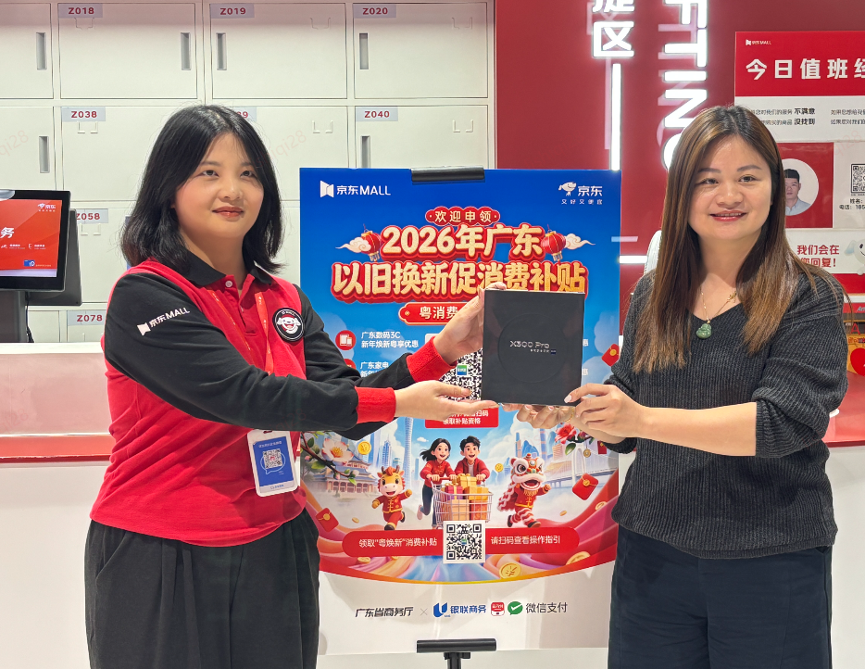
Group 1 - The national subsidy program officially started on January 1, 2026, with consumers like Ms. Wu from Guangzhou making the first purchases under this initiative [1][3] - The subsidy policy has sparked consumer enthusiasm for upgrading their devices, with many choosing to make purchases immediately after midnight on January 1 [3] - The National Development and Reform Commission released a notice on December 30, 2025, detailing the subsidy standards, which include a 15% subsidy on eligible products, with specific caps on the amount for different categories [3][4] Group 2 - The policy aims to enhance consumer convenience in rural areas by increasing offline business entities and guiding online channels to rural regions, with JD.com investing nearly 30 billion in 2025 to support this initiative [4] - JD.com reported a 64% year-on-year increase in order volume and a 38% increase in user numbers in rural areas in 2025, indicating the positive impact of the subsidy program [4] - The collaboration between policy and market is expected to boost consumer satisfaction and market confidence, with JD.com committed to effectively implementing the subsidy program [5]

625亿元!2026年首批“国补”已下达,以旧换新仍是扩大内需重要抓手
Hua Xia Shi Bao· 2025-12-31 16:39
Core Viewpoint - The Chinese government has announced the early allocation of 625 billion yuan in special long-term bonds to support the consumption upgrade policy, particularly focusing on the "two new" initiatives aimed at boosting consumer demand during peak seasons like New Year and Spring Festival [2]. Group 1: Policy Overview - The "two new" policy has expanded its coverage to include a wide range of consumer goods, from smartwatches to home appliances and vehicles [2][3]. - The policy emphasizes continuity and stability, with a focus on consumer goods exchange as a key strategy to expand domestic demand [2]. Group 2: Specific Measures - The updated policy includes new subsidies for equipment upgrades in various sectors, such as adding elevators in old residential areas and updating equipment in elderly care facilities [4]. - The consumer goods exchange program continues to support vehicle scrappage and replacement, as well as subsidies for six categories of home appliances, including refrigerators and air conditioners [4]. Group 3: Market Implications - Analysts suggest that the policy shift towards higher-value items like electric trucks and green appliances will enhance the effectiveness of fiscal spending in stimulating consumption [5]. - The transition from fixed subsidies to proportional subsidies for vehicles is expected to better reflect consumer purchasing power and encourage higher-quality purchases [5]. Group 4: Implementation Challenges - The government is addressing issues such as fraudulent claims and inefficient fund distribution, with measures to streamline application processes and enhance support for small businesses [6]. - A unified subsidy standard will be enforced nationwide to ensure consistency in the implementation of the "two new" policy [6]. Group 5: Future Outlook - Beyond the "two new" policy, there are indications that the government may introduce additional measures to boost service consumption and stabilize investment, potentially through a mid-term plan focusing on cultural and tourism sectors [7]. - The fiscal policy is expected to work in tandem with consumption policies to support domestic demand recovery [7].