无花果

Search documents
新春走基层丨山海协作30年!闽宁镇的年味里,藏着幸福密码
Yang Shi Xin Wen Ke Hu Duan· 2026-02-26 07:59
Core Viewpoint - The article highlights the significant changes and developments in Minning Town over the past 30 years, showcasing the successful collaboration between Fujian and Ningxia provinces, which has improved the living standards and economic opportunities for local residents [1]. Group 1: Economic Development - The oil mill business established by Su Hengfu has thrived due to local promotion, allowing the family to expand operations and improve their living conditions [2][3]. - The establishment of a photography studio by Liu Sha and her husband has diversified into multiple services, reflecting the entrepreneurial spirit fostered by the collaboration between Fujian and Ningxia [3][4]. - Agricultural innovation is evident with the introduction of 45 greenhouse planting facilities, although initial reluctance from local farmers was noted [5]. Group 2: Community and Social Impact - The relocation of families to Minning Town has resolved educational access issues for children, significantly improving their quality of life [2]. - The return of young people to Minning Town for employment opportunities indicates a positive trend in local economic development and community revitalization [4]. - The story of Ma Yaling, who transitioned from a corporate job to agricultural innovation, exemplifies the impact of educational and technical support from Fujian, leading to successful cultivation of southern crops in Ningxia [5][6]. Group 3: Technological Integration - The use of technology in agriculture has transformed traditional farming practices, allowing for better monitoring and management of crop conditions through mobile applications [6]. - The collaboration with experts from Fujian has provided comprehensive support, enhancing the agricultural capabilities of local farmers [5][6].
新春走基层 | 续写山海同心故事 日子向好有奔头
Yang Shi Wang· 2026-02-24 07:58
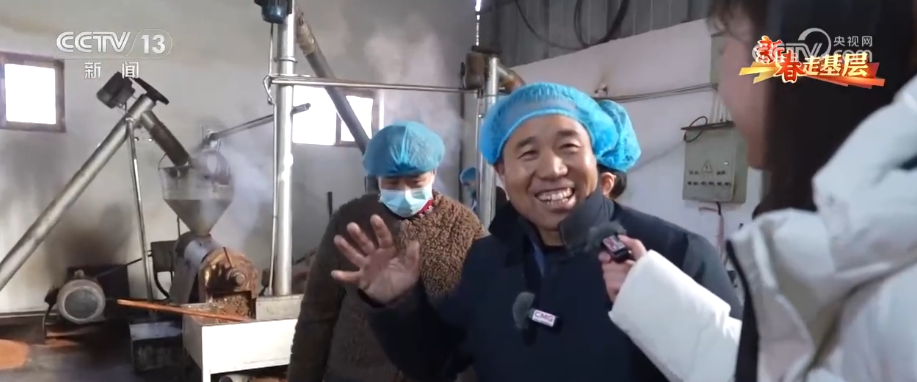
Core Viewpoint - The article highlights the significant changes and developments in Minning Town, a model of East-West cooperation between Fujian and Ningxia, as it approaches the 30th anniversary of this collaboration. The residents are actively engaged in various economic activities, showcasing the positive impact of this partnership on their lives and livelihoods [1]. Group 1: Economic Development - The oil business of Su Mei's family has flourished due to local promotion, allowing their sesame oil to reach markets outside the town [1]. - Su Hengfu, a resident, recalls the hardships faced before moving to Minning Town, where farming yielded only a few thousand yuan annually, and children had to walk long distances to school [3]. - After relocating, Su Hengfu and his wife received support from local officials to start an oil mill, which has since provided stable income and improved their family's living conditions [5]. Group 2: Community Growth - Liu Sha, the owner of a photography studio, has expanded her business since moving to Minning Town 26 years ago, adapting to the growing demand for various photography services [7]. - The photography studio has become a bustling business during the New Year, catering to numerous customers for family portraits and wedding photos [9]. Group 3: Agricultural Innovation - Ma Yaling, a migrant from Xihai Gu, returned to Minning Town after a decade in Shanghai and took the initiative to cultivate organic crops in greenhouses, despite initial skepticism from local farmers [11]. - With support from Fujian experts, Ma Yaling successfully introduced over 30 varieties of southern crops, enhancing their quality through the region's favorable climate [13]. - Ma Yaling's efforts have inspired 64 other farmers to engage in specialized planting, covering more than 200 acres [15]. Group 4: Future Prospects - The ongoing collaboration between Fujian and Ningxia is evident in the daily lives of Minning Town's residents, who are actively contributing to the town's development and expressing optimism for the future [17].

海拔4394米,雪山下的草莓红了
Da Zhong Ri Bao· 2026-02-22 01:00
Core Insights - The article highlights the successful implementation of modern agricultural techniques in Tibet, particularly in the cultivation of various crops such as broccoli, tomatoes, and strawberries, facilitated by technicians from Shandong [1][2][3] Group 1: Agricultural Development - The introduction of a complete modern agricultural system, including seedling cultivation, pest control, and smart temperature regulation, has transformed the agricultural landscape in Tibet [2][3] - The annual production of vegetables in the region has increased significantly, with over 1,200 tons produced, allowing for year-round cultivation [6] - The local market has responded positively, with supermarkets actively seeking to source produce from these modern agricultural practices, indicating a shift in consumer preferences [6] Group 2: Community Engagement and Training - Local youth, such as Dawa Rob, have become key figures in bridging the knowledge gap between Shandong experts and local farmers, emphasizing the importance of training and knowledge transfer [2][7] - The initiative aims to create a sustainable local talent pool, ensuring that agricultural techniques remain in the region even after external support is withdrawn [2][4] Group 3: Economic Impact - The introduction of modern farming techniques has led to increased household incomes, with an average increase of over 50,000 yuan per household for more than 1,000 families involved in the program [6] - The cultivation of high-value crops like cherries and strawberries has resulted in significant economic benefits, with strawberries selling for 60 yuan per pound during peak seasons [3][6] Group 4: Cultural Integration - The integration of modern agricultural practices has not only improved food variety and availability but has also fostered stronger community ties and cultural exchanges between the Shandong technicians and local Tibetan farmers [7][8] - Traditional meals have evolved to include a wider variety of vegetables, reflecting the positive impact of modern agriculture on local diets [6][8]
【2026新春走基层】“毕业后,想回家乡干事创业”
Xin Lang Cai Jing· 2026-02-20 01:07
Core Viewpoint - The "Hundred Million Thousand Project" has significantly transformed Huanghua Town, enhancing its infrastructure and overall environment, leading to improved quality of life for residents and increased tourism potential [2][3][4]. Infrastructure Development - Huanghua Town has seen substantial improvements in infrastructure, including the completion of 1,005 rural housing quality upgrades and over 30 kilometers of road renovations [4]. - The town has planted more than 17,000 trees along the newly upgraded roads and installed nearly 2,000 new or renovated streetlights, addressing over 4,000 instances of environmental issues [4]. Economic Growth and Tourism - The town is leveraging its ecological resources to promote integrated development of agriculture, culture, tourism, and health, aiming to convert natural beauty into economic benefits [6]. - By 2025, Huanghua Town plans to attract 13 cultural and tourism projects with a total investment exceeding 246.6 million yuan, including notable projects like the DeGaoxin Tea Culture Hotel and Qianshe Homestay [6]. - In 2025, the town is expected to receive approximately 1.494 million tourists, generating tourism revenue of 176.29 million yuan, reflecting a year-on-year growth of 76.29% [7]. Community and Entrepreneurship - The project has sparked enthusiasm among returning residents for entrepreneurship, exemplified by a veteran who established a modern family farm focused on fig cultivation, contributing to local income [6][7]. - The farm has expanded its operations to include value-added products like fig snacks and has adopted a hybrid growing model to enhance product quality and employment opportunities for local villagers [7].

以园区建设带动农户增收
Xin Lang Cai Jing· 2026-02-01 22:24
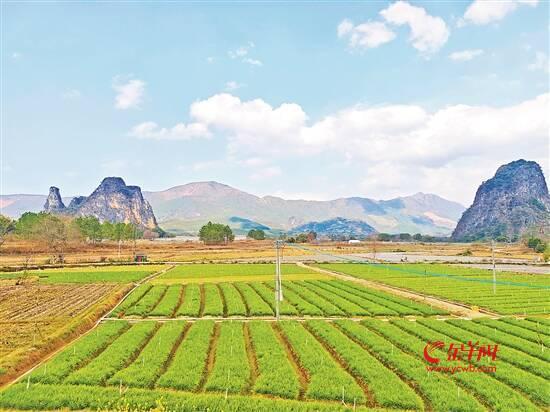
Core Insights - The article highlights the announcement of the 2025 star-rated modern agricultural parks in Sichuan Province, with three parks in Neijiang receiving star ratings [1] Group 1: Agricultural Park Development - Neijiang has prioritized the construction of modern agricultural parks as a key strategy for promoting high-quality agricultural development [1] - Currently, Neijiang has a total of 113 agricultural parks across various levels, including 1 national agricultural science and technology park, 2 national modern agricultural industry parks, 2 national rural industry integration development demonstration parks, 10 provincial modern agricultural parks, 33 municipal parks, and 67 county-level parks [1] Group 2: Research and Collaboration - Neijiang has deepened collaboration with 13 agricultural research institutions, including China Agricultural University, establishing 19 research platforms such as the China-Zizhong Blood Orange International Joint R&D Center and the Neijiang Black Pig Provincial Engineering Technology Research Center [1] - The Weiyuan County Fig Modern Agricultural Park has established the only fig professor workstation of China Agricultural University in the country, cultivating 90 varieties of resources [1] Group 3: Economic Impact - The agricultural parks have actively engaged over 223,900 farming households, with the per capita disposable income of farmers in the parks exceeding the average level of Neijiang City by more than 20% [1]
“这满林子挂的血橙,就是最生动的PPT”
Xin Lang Cai Jing· 2026-02-01 22:24
Core Insights - The article discusses the innovative approach taken by the city of Neijiang in conducting a series of themed press conferences titled "'Town' is Amazing," which aims to bring policy communication closer to rural communities and enhance the storytelling of local agricultural products [1][2] Group 1: Event Format and Location - The press conferences are held in agricultural settings, such as orange orchards, to create a more engaging and relatable atmosphere for attendees [1] - The first event of the series took place in the core production area of blood oranges in the Baolong community, showcasing the local agricultural landscape as a backdrop [1] Group 2: Content Presentation and Engagement - The use of local cultural elements, such as Hakka folk songs performed by intangible cultural heritage representatives, has increased the appeal and reach of the events, attracting thousands of online viewers [2] - Local farmers are actively involved in promoting their products during the events, leading to increased direct sales and brand recognition, as evidenced by a blood orange brand owner showcasing received orders [1] Group 3: Future Plans and Expansion - Neijiang plans to continue this innovative approach with additional themed press conferences, including "'County' is Starting," "'Enterprise' has Me," and "Towards 'New'," aiming to further integrate local industries and cultural heritage into the communication strategy [2] - The city intends to hold future events in various rural locations, including town squares and industrial parks, to ensure that local特色产业 and cultural heritage are effectively showcased [2]
“马”上迎新春 年货买出仪式感!
Xin Lang Cai Jing· 2026-02-01 07:59
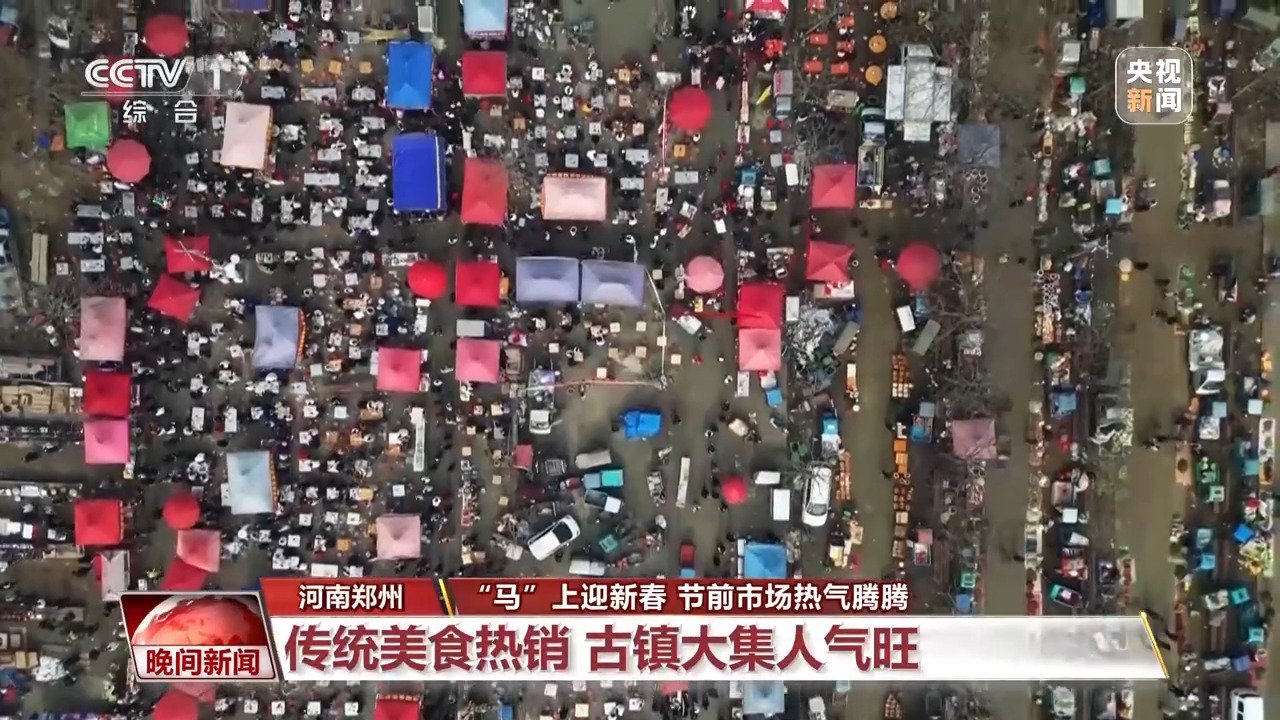
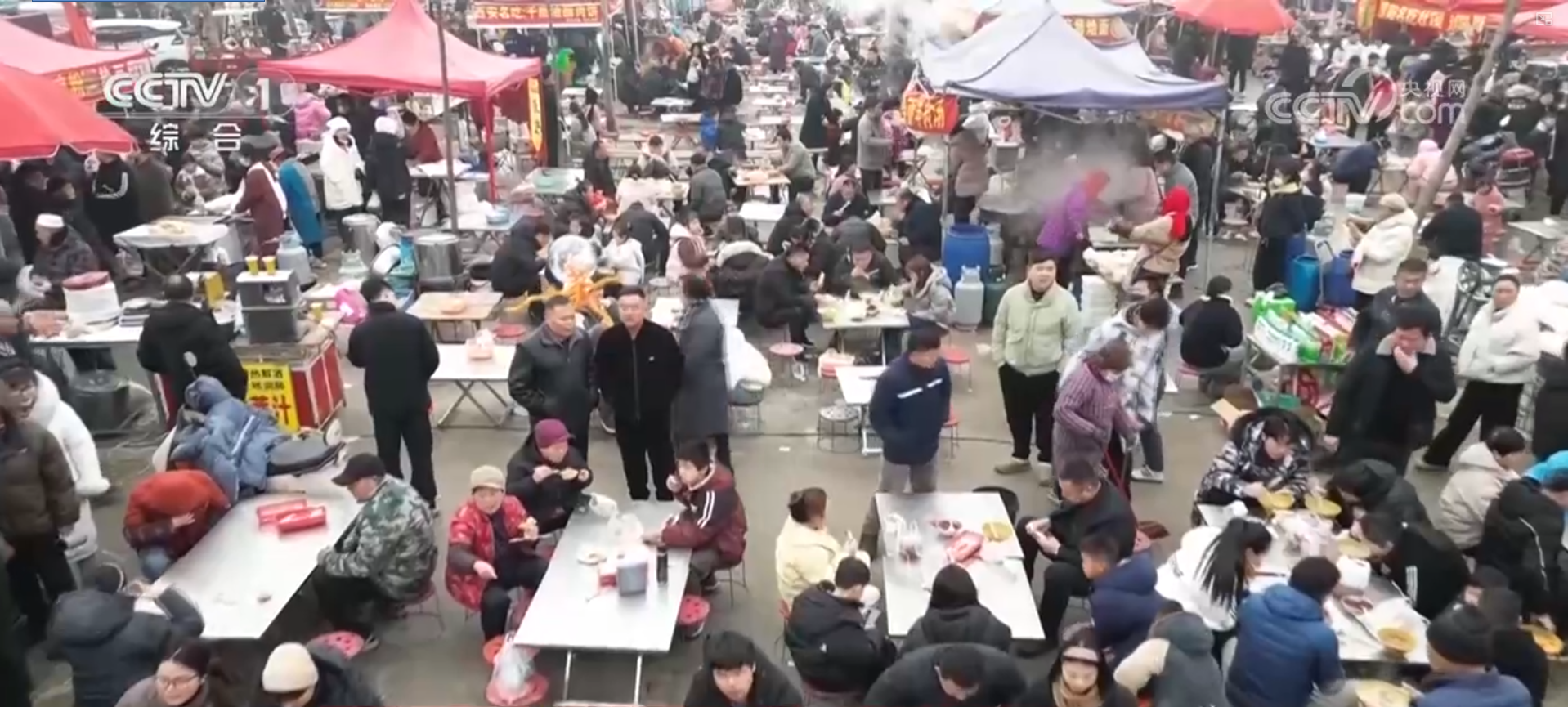
Group 1 - The upcoming Spring Festival is driving a surge in consumer activity, with traditional foods and local markets seeing increased popularity [1][3] - In Zhengzhou, the Yichuan market, with a history of 500 years, is experiencing a peak in purchases, featuring local delicacies such as Yichuan tofu and various traditional snacks [3] - In Kashgar, Xinjiang, the dried fruit market is also thriving, with a variety of nuts and dried fruits available, and many shops offering one-stop services for selection, packaging, and shipping [5] Group 2 - In Shanghai, multiple events are being held to celebrate the traditional Chinese New Year, including folk experiences and themed markets, contributing to a festive atmosphere [7] - The cultural market is preparing for the Spring Festival season, with a focus on comedy films, variety shows, and immersive performances that engage audiences in interactive experiences [8]
视频丨“马”上迎新春 年货买出仪式感!
Yang Shi Xin Wen Ke Hu Duan· 2026-02-01 07:23
Group 1 - The approach of the Spring Festival is leading to a surge in consumer activity, with traditional markets and festive events becoming increasingly popular [2] - In Zhengzhou, the historical Yichuan market is experiencing a peak in purchases, featuring over a thousand stalls offering local delicacies and traditional goods, attracting crowds for a one-stop shopping experience [5] - The local tourism sector is also benefiting, with new travel routes established to nearby cities like Kaifeng and Xinxiang [5] Group 2 - In Kashgar, Xinjiang, the dried fruit market is seeing a pre-festival sales boom, with numerous stalls offering a variety of nuts and dried fruits, and many shops providing packaging and shipping services [7] - Shanghai is hosting nearly a thousand themed activities to celebrate the traditional Chinese New Year, enhancing the festive atmosphere with light shows and cultural performances [10] - The cultural market is preparing for the Spring Festival with a focus on comedy, transitioning from traditional stage performances to immersive experiences that engage audiences in new ways [12]
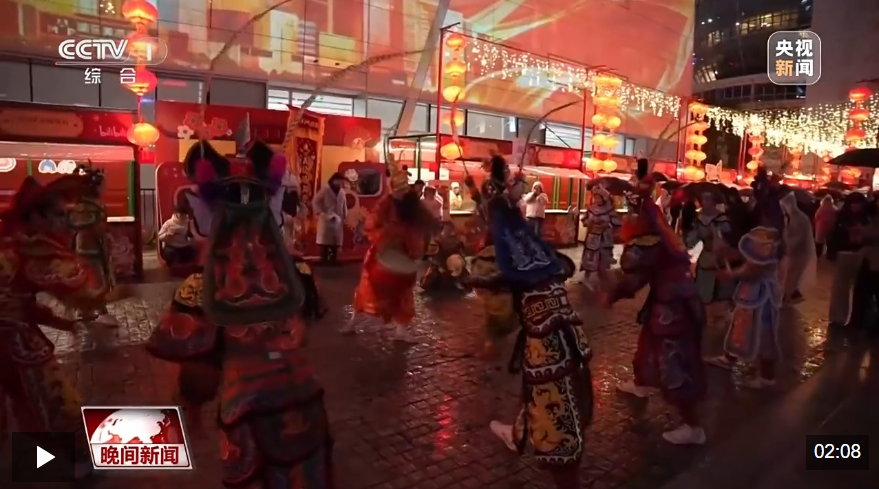
市场火、消费热、“马”上迎新春!各地举办多彩活动点亮传统中国年
Yang Shi Wang· 2026-02-01 02:00
Group 1 - The upcoming Spring Festival is driving a surge in consumer activity, with traditional markets and cultural events gaining popularity [1] - In Zhengzhou, the historical Yichuan market is experiencing a peak in purchases, featuring over a thousand stalls with local delicacies and traditional goods, attracting visitors from various regions [4] - In Kashgar, Xinjiang, the dried fruit market is also seeing a sales boom, with numerous shops offering a variety of nuts and dried fruits, and providing packaging and shipping services [8] Group 2 - In Shanghai's Pudong district, numerous events are being held to celebrate the traditional Chinese New Year, including folk experiences and themed markets, contributing to a festive atmosphere [13] - The evening light show in the Lujiazui area showcases vibrant colors and cultural performances, enhancing the celebratory spirit of the New Year [13] - The comedy market is thriving as the cultural sector prepares for the Spring Festival, with immersive experiences and interactive elements transforming audience participation [17]
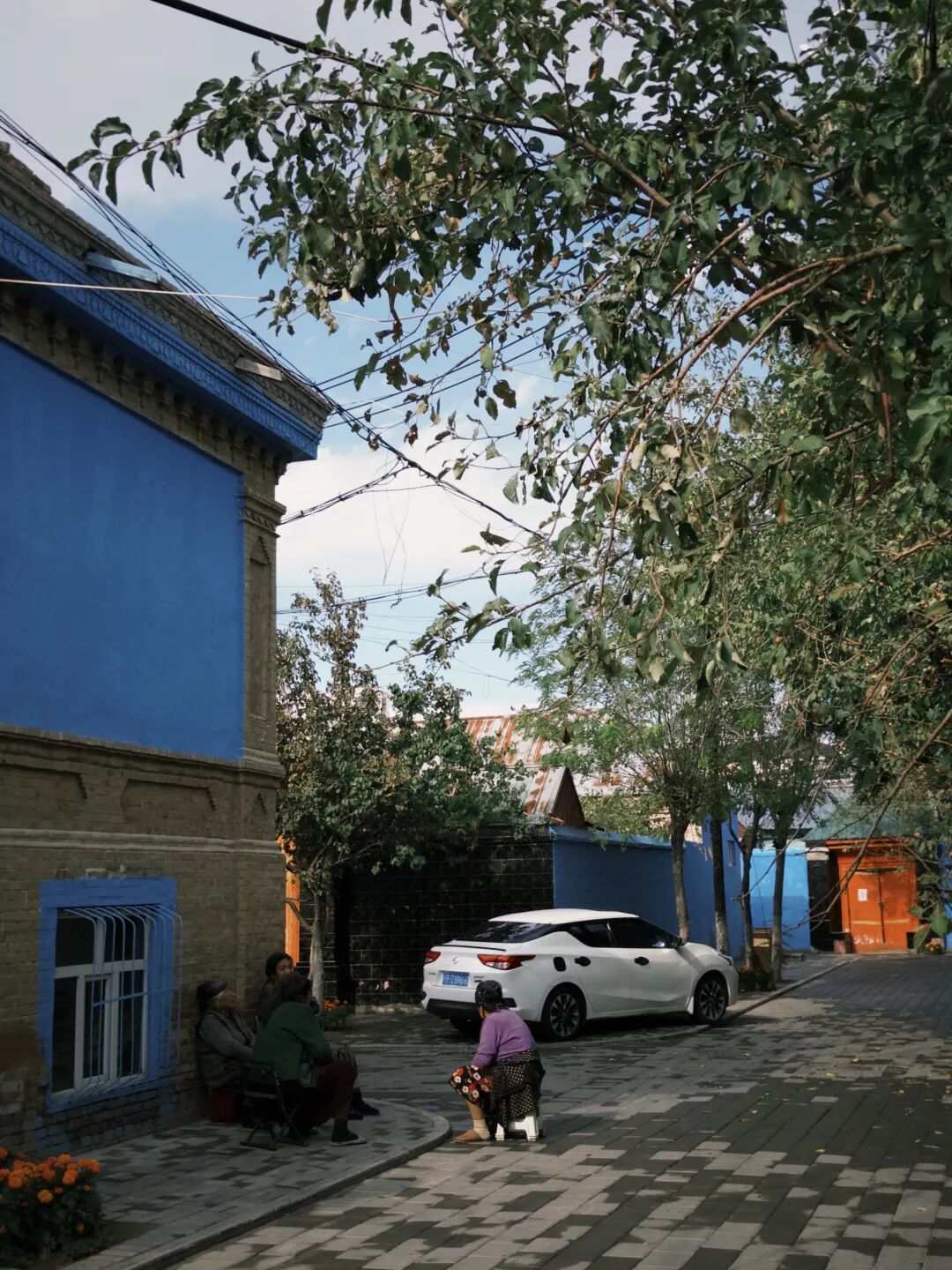
中国最美的蓝调城市,不花钱水果吃到撑
3 6 Ke· 2026-01-28 08:29
Core Insights - The article highlights the unique cultural and agricultural richness of Yining, a city in the Ili Kazakh Autonomous Prefecture, showcasing its vibrant local life and natural beauty [6][18]. Group 1: Local Agriculture and Products - Yining is characterized by its abundant fruit production, particularly grapes and figs, which are available for self-picking at local residences for a nominal fee of 10 yuan [3][4]. - The climate in Yining is conducive to the growth of various fruits, with the region being described as a "paradise" for agriculture due to its favorable weather conditions [6][8]. - The article mentions the unique characteristics of local figs, which are golden yellow and flat, and the specific method of preparation that enhances their sweetness [9][10]. Group 2: Cultural and Historical Significance - Yining's geographical location has historically made it a melting pot of different cultures, with influences from various ethnic groups due to its position along the ancient Silk Road [20][22]. - The city features a blend of architectural styles and cultural elements, particularly in areas like Six-Star Street, which reflects its diverse heritage [18][19]. - The local lavender fields in Huanghuang Village have transformed the village's economy and tourism, showcasing the impact of agricultural diversification on local livelihoods [17]. Group 3: Tourism and Local Experience - The article describes the tranquil atmosphere of Yining, especially in less touristy areas, where visitors can enjoy the local lifestyle and natural beauty without the crowds [14][16]. - The presence of local markets and shops selling handmade products, including lavender items, adds to the unique shopping experience for tourists [16][25]. - The narrative emphasizes the importance of local hospitality, with residents often sharing their produce and stories with visitors, enhancing the cultural exchange [10][17].