
日本房产

Search documents
五年的楼市寒潮或将进入尾声
3 6 Ke· 2025-11-07 02:44
Core Insights - Since 2020, nearly 50 overseas economies have recorded nominal housing price increases averaging over 30% within five years, driven primarily by global inflation [1] - In the past year, major developed economies have seen average housing price growth exceeding 5%, with Japan experiencing a remarkable 20% increase in housing prices and over 8% in rental prices [1][2] - Tokyo's core area has new housing prices reaching 150 million yen (approximately 7 million RMB), translating to 90,000 to 100,000 RMB per square meter, with future projections indicating prices could reach 200,000 RMB per square meter [1][2] Group 1: Reasons for Price Surge - The first reason for the price surge is the severe depreciation of the yen, combined with a rental yield of around 5%, making Japanese real estate an attractive safe-haven investment for global capital [2] - The second reason is the extremely low interest rate environment, which allows wealthy individuals to leverage loans for real estate investments, effectively turning real estate into a wealth accumulation vehicle [3] - The third reason is the scarcity of land supply in Tokyo, where most areas have been developed, leading to a mismatch between housing demand and available supply, thus driving prices higher [4] Group 2: Socioeconomic Implications - Many young people in Japan are being priced out of the housing market, leading to a trend of families relocating to more affordable areas like Saitama and Chiba, resulting in long commutes for affordable housing [5] - The Tokyo real estate market is increasingly dominated by high-net-worth individuals, leading to a significant wealth gap and a shift in population demographics [6][7] - The Japanese government is hesitant to implement strict housing policies due to the need for foreign capital to support economic recovery, which complicates efforts to address the growing wealth disparity [7] Group 3: Lessons for Other Markets - The Japanese real estate boom is attributed to economic inflation, influx of foreign purchasing power, low interest rates, and land scarcity, which are critical factors for future housing price rebounds [8] - As global economic conditions shift towards inflation, similar trends may emerge in other markets, particularly in major cities where land is scarce and demand is high [11][12] - The anticipated reduction in interest rates and the influx of capital from wealthy individuals into core urban areas could lead to a significant recovery in real estate markets across various cities [10][15]
外资加速涌入日本楼市
2 1 Shi Ji Jing Ji Bao Dao· 2025-11-07 01:28
Economic Overview - Japan is experiencing a significant rise in prices, leading to increased public concern about the cost of living [2][5] - The Bank of Japan is considering raising interest rates if economic activity and inflation trends align with expectations, with core CPI forecasts for fiscal years 2025-2027 remaining stable at 2.7%, 1.8%, and 2.0% respectively [2][3] Inflation Impact - The core consumer price index (CPI) in Japan has risen for 48 consecutive months, with a year-on-year increase of over 3% for seven months from January to July this year [2][6] - The rising cost of living, including essential goods and housing, is putting significant pressure on Japanese households, with average rent as a percentage of income increasing by 1% to 5% [3][10] Real Estate Market Dynamics - Real estate prices in major cities like Tokyo and Osaka have surged, with new residential prices in Tokyo's 23 wards averaging 133.09 million yen (approximately 6.25 million RMB), a year-on-year increase of 20.4% [10][12] - Foreign investment in Japan's real estate market is on the rise, accounting for 34% of total investment, with a total investment amount exceeding 1 trillion yen [12][15] Consumer Behavior - The rising prices are leading to a decrease in purchasing power, with real wages in Japan declining for eight consecutive months, indicating that nominal wage increases are not keeping pace with inflation [7][8] - There is a noticeable shift in consumer behavior towards saving and reducing discretionary spending due to the ongoing inflation [8][11] Long-term Concerns - The Japanese real estate market is facing potential overheating risks, with concerns about speculative trading not based on actual demand [17] - Long-term demographic trends, such as population decline and low interest in homeownership among younger generations, may constrain future real estate demand [17]

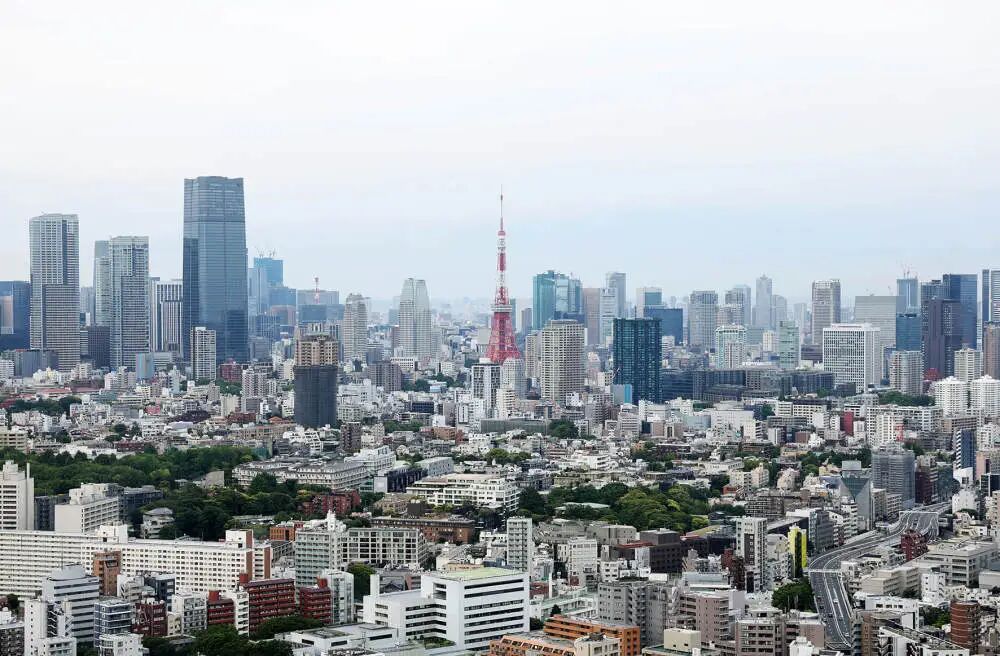
外资加速涌入日本楼市
21世纪经济报道· 2025-11-06 15:34
Group 1 - Japan is experiencing a prolonged inflation period, with the core Consumer Price Index (CPI) rising for 48 consecutive months, and the CPI growth rate remaining above 3% for seven months from January to July this year [1][5][6] - The Bank of Japan has updated its inflation forecast, predicting core CPI rates of 2.7%, 1.8%, and 2.0% for the fiscal years 2025-2027, indicating a cautious approach towards potential interest rate hikes [1][6] - The rising cost of living, including housing and essential goods, is significantly impacting the purchasing power of Japanese citizens, with real wages declining for eight consecutive months [8][9] Group 2 - The average rent as a percentage of income has increased by 1% to 5%, reaching between 18% to 34%, particularly exceeding 30% in Tokyo's 23 wards, indicating a growing burden on households [2][6] - The real estate market is experiencing significant price increases, with new residential properties in Tokyo's 23 wards averaging 133.09 million yen (approximately 6.25 million RMB), a year-on-year increase of 20.4% [9][11] - Foreign investment in Japan's real estate market is rising, with foreign buyers accounting for 34% of the total investment, leading to concerns about a potential new bubble in the market [9][11][13] Group 3 - The Japanese government is tightening land purchase regulations to prevent excessive foreign ownership, planning to revise the foreign investment review law next year [3][10] - The current inflation is characterized by both imported inflation due to rising global energy and food prices, and demand-driven inflation linked to economic recovery and increased foreign investment [6][8] - There are concerns about the sustainability of the current real estate market growth, as the influx of foreign capital and the stock market's performance are closely intertwined, with potential risks of a market correction if economic conditions change [13][15]
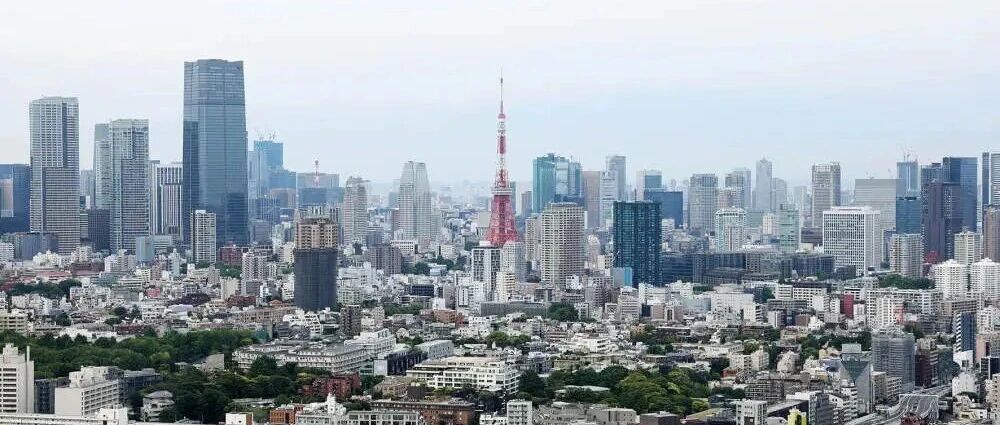
日本物价持续高烧,外资大举扫货东京大阪核心区房产
2 1 Shi Ji Jing Ji Bao Dao· 2025-11-06 12:25
Economic Overview - Japan is experiencing a prolonged inflation period, with the core Consumer Price Index (CPI) rising for 48 consecutive months, and the CPI growth rate remaining above 3% for seven months from January to July this year [1][4] - The Bank of Japan has updated its inflation forecast, expecting core CPI to be 2.7%, 1.8%, and 2.0% for the fiscal years 2025-2027, maintaining previous expectations [1] Consumer Impact - Rising prices are significantly affecting the purchasing power of Japanese citizens, with real wages declining for eight consecutive months due to inflation outpacing wage growth [5][6] - The average price of essential goods, including rice, has surged, with the price of 5 kg of rice reaching 4,205 yen (approximately 196 RMB), remaining above 4,000 yen for five consecutive weeks [3][4] Real Estate Market Dynamics - The real estate market in Japan is experiencing rapid price increases, with average new home prices in Tokyo's 23 wards reaching 133.09 million yen (approximately 6.25 million RMB), a year-on-year increase of 20.4% [6][7] - Foreign investment is driving demand in the real estate sector, with 20% to 40% of new apartments in central Tokyo purchased by foreigners [7][9] Government Response - The Japanese government is cautious about raising interest rates, opting instead for a "time for space" approach, focusing on observing wage growth and enhancing productivity through digital transformation [5] - There are discussions about tightening regulations on foreign investments in real estate to prevent excessive foreign ownership of land [2][10] Long-term Concerns - The ongoing inflation and rising property prices may lead to a potential real estate bubble, with warnings from experts about the risks of speculative trading in the market [10][11] - Japan's demographic challenges, including a declining population and low interest in homeownership among younger generations, may limit long-term demand for real estate [11]