智慧农业装备

Search documents
AI浪潮下,如何畅通就业路?
Xin Lang Cai Jing· 2026-01-31 19:28
Core Insights - The integration of artificial intelligence (AI) across various industries is creating new job opportunities while raising concerns about job displacement due to automation [5][8][11]. Group 1: New Opportunities - New professions related to AI are emerging, such as service robot application technicians and AI trainers, potentially creating employment for 300,000 to 500,000 people per new role [6][11]. - The core AI industry in China has surpassed 1 trillion yuan, indicating a significant transformation in employment structures driven by AI [6]. - Job postings in the AI sector are projected to grow by 19% year-on-year by Q4 2025, with specific roles like algorithm engineers seeing increases of 110.1% [6][11]. Group 2: New Challenges - Concerns about job displacement are prevalent, particularly in industrial, standardized service, and data processing roles, as AI capabilities continue to advance [9][11]. - The rapid pace of AI technology development is shortening the skill retention period, challenging the traditional notion of lifelong skills [9][10]. - Workers transitioning to new roles may face difficulties due to the evolving job landscape and the need for continuous skill updates [10]. Group 3: New Landscape - Initiatives are being implemented to support AI skills training and job creation, including the establishment of AI talent demand forecasts and educational adjustments [12]. - Local governments are exploring various strategies, such as including AI application training in vocational training subsidies and developing integrated AI training systems in educational institutions [12]. - The use of AI in human resources is enhancing recruitment efficiency and improving job matching processes [12].

人工智能浪潮下,如何畅通就业路
Xin Hua She· 2026-01-24 13:08
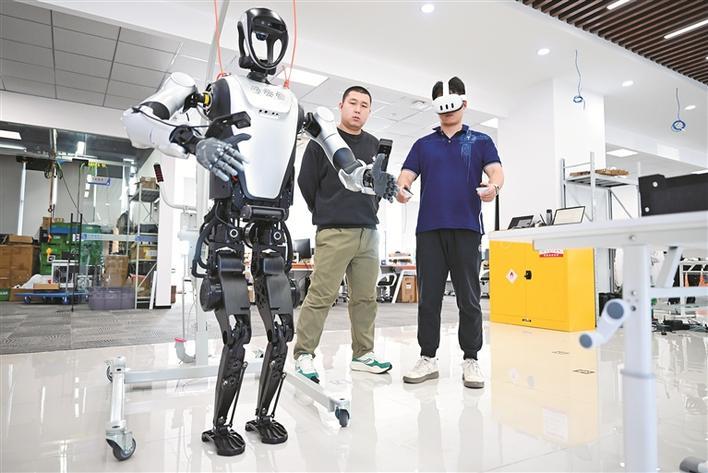
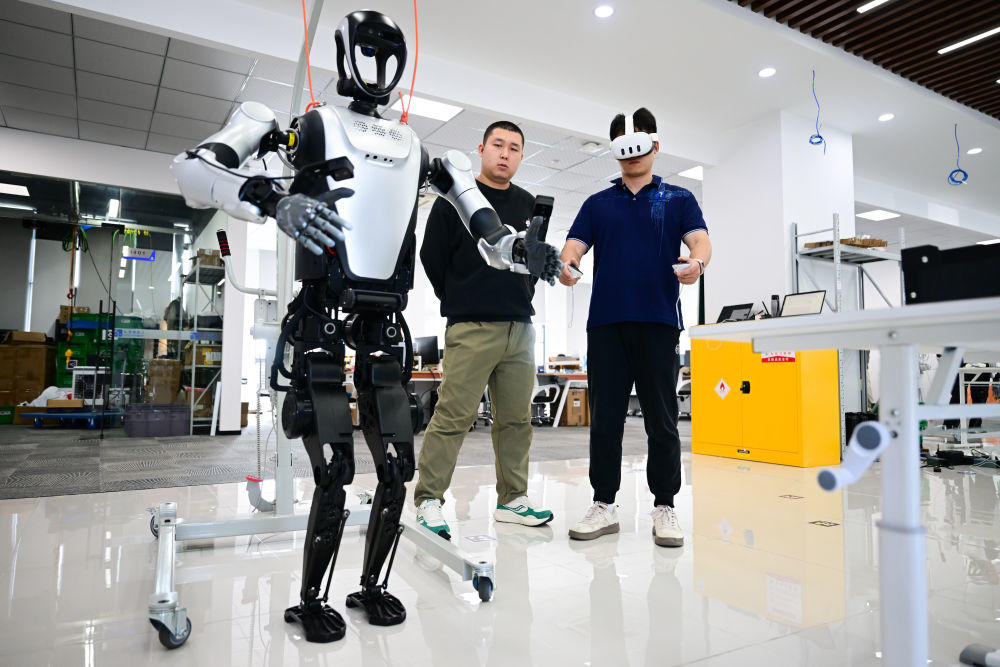
Core Insights - The integration of artificial intelligence (AI) across various industries is creating new job opportunities while raising concerns about job displacement due to automation [1][4]. Group 1: New Opportunities - New professions related to AI, such as service robot application technicians and AI trainers, are emerging, potentially creating employment for 300,000 to 500,000 people per new role [2]. - The core AI industry in China has surpassed 1 trillion yuan, indicating a significant restructuring of the employment landscape driven by AI [2]. - Job postings in the AI sector are projected to grow by 19% year-on-year by Q4 2025, with specific roles like algorithm engineers seeing demand increase by 110.1% [3]. Group 2: New Challenges - The rise of AI is leading to concerns about job displacement, particularly in manual labor, standardized service roles, and data processing jobs [4]. - The rapid advancement of AI technology is shortening the skill retention period, challenging the traditional notion of lifelong skills [4]. - Experts emphasize the need for accelerated knowledge and skill updates to adapt to new technological demands and labor market changes [4]. Group 3: New Landscape - Training programs are being developed to equip job seekers with skills in AI-related fields, such as human-computer interaction and data processing [9]. - Government initiatives are underway to support AI skills training and predict talent demand in the AI industry, aiming to enhance employment opportunities [10]. - Various regions are exploring AI training programs, integrating AI applications into vocational training, and establishing comprehensive AI education systems by 2030 [12].
观展攻略来了!第26届中部农博会等你来
Chang Sha Wan Bao· 2025-11-13 13:22
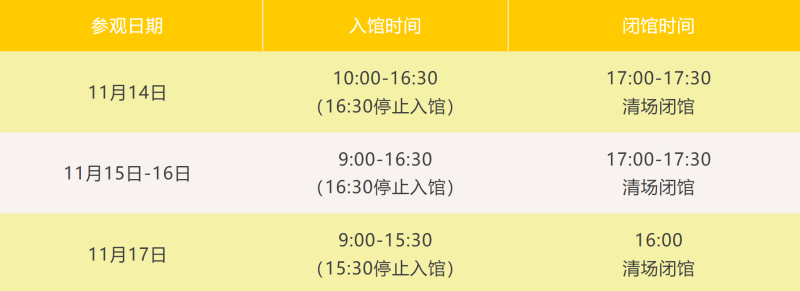
Core Points - The annual China Central (Hunan) Agricultural Expo will take place from November 14 to 17 at the Changsha International Convention and Exhibition Center, with free admission for visitors [1] - The expo will feature an exhibition area of approximately 80,000 square meters, including five thematic pavilions and multiple activity zones, showcasing modern agriculture from "field to table" [2][10] - This year, Tianjin is the invited theme city, with 16 provinces (regions, municipalities) including Sichuan, Jilin, and Hainan participating, and international guests from Laos, South Africa, and over ten other countries and regions [10] Exhibition Details - The expo will include pavilions focusing on inter-provincial exchanges, comprehensive displays, local city images, industry-specific exhibits, and fresh produce and leisure food [2][10] - Key activities during the expo will include investment promotion conferences for Hunan's green agricultural products and food processing industry, and a special promotion for high-quality agricultural products [10] Innovation and Services - The expo will showcase the latest agricultural technology, including smart irrigation, greenhouse horticulture, agricultural drones, and digital agriculture platforms [10] - A new IP image inspired by the agricultural ecosystem will be launched to enhance visitor experience, along with various convenient services such as free shuttle buses and a complaint platform to ensure consumer rights [13]
金秋启航势正劲——9月全国各地经济社会发展观察
Xin Hua She· 2025-09-29 13:38
Group 1: Agricultural Production - The autumn grain production is entering a critical phase, with various regions actively working to ensure a bountiful harvest, supported by advanced agricultural technologies such as IoT, big data, and AI [2][3] - National summer grain production reached 299.48 billion jin, with autumn grain area showing steady growth, indicating a solid foundation for a good harvest [2] - Local governments are implementing measures to enhance grain yield and quality, including introducing good seeds and improving disaster prevention strategies [2] Group 2: Intelligent Economy Development - The rapid development of the artificial intelligence industry is reflected in various exhibitions, showcasing new technologies and applications that are integrating into all sectors of the economy [4][5] - The number of AI companies in China has surpassed 5,000, growing from about 1,400 in five years, indicating a significant increase in innovation and entrepreneurship in this sector [4] - Smart products are increasingly being adopted across different industries, enhancing operational efficiency and user experience [4] Group 3: Consumer Policy Initiatives - Recent fiscal policies, including personal consumption loan interest subsidies, are aimed at stimulating consumer spending and supporting economic growth [6][7] - Various local governments are launching initiatives to promote consumption, such as expanding subsidies for vehicle and appliance upgrades, and providing consumer vouchers [7] - These policies are designed to unleash consumer potential and drive economic development [7] Group 4: Service Industry Growth - The "2025 China Service Industry Top 500" report indicates that the total revenue of these enterprises has reached 51.1 trillion yuan, with average revenue exceeding 100 billion yuan for the first time [8] - The service industry is transitioning to a new phase of high-quality development, with new business models and increased integration with manufacturing [8][9] - Local governments are implementing policies to support the growth of the service sector, contributing to economic growth and structural optimization [8][9]
稳中求进每月看|金秋启航势正劲——9月全国各地经济社会发展观察
Xin Hua She· 2025-09-29 13:19
Group 1: Agricultural Production - The autumn harvest season is crucial, with various regions working together to ensure a bountiful grain harvest, supported by advanced agricultural technologies like IoT and AI [6][10] - National summer grain production reached 2,994.8 million jin, indicating stable yields, while autumn grain acreage is increasing, laying a solid foundation for a good harvest [10][11] - Local governments are implementing measures to enhance grain quality and yield, such as introducing good seeds and improving agricultural practices [10] Group 2: Intelligent Economy Development - Recent exhibitions, including the World Intelligent Industry Expo, showcase the rapid development of China's AI industry, with over 5,000 AI companies now operating [15][16] - The integration of AI technologies into various sectors is accelerating, with applications in smart vehicles, healthcare, and digital trade [15][16] - The AI industry is transitioning into a new phase characterized by technological breakthroughs and ecosystem development, driving significant industrial changes [16] Group 3: Consumer Policy Initiatives - New fiscal policies, such as personal consumption loan interest subsidies, are being implemented to stimulate consumer spending and support businesses [17][20] - Various local governments are launching initiatives to promote consumption, including subsidies for vehicle trade-ins and restaurant vouchers [20] - These policies aim to enhance consumer confidence and drive economic growth, highlighting the importance of consumption as a key economic engine [20] Group 4: Service Industry Growth - The service industry in China is entering a new phase of high-quality development, with the 2025 China Service Industry Enterprises Top 500 report indicating a total revenue of 51.1 trillion yuan [22][24] - New business models and service sectors are emerging, contributing to the transformation and upgrading of the economy [24][25] - Local governments are actively supporting the development of the service industry through various policies, enhancing service quality and expanding service offerings [24][25]