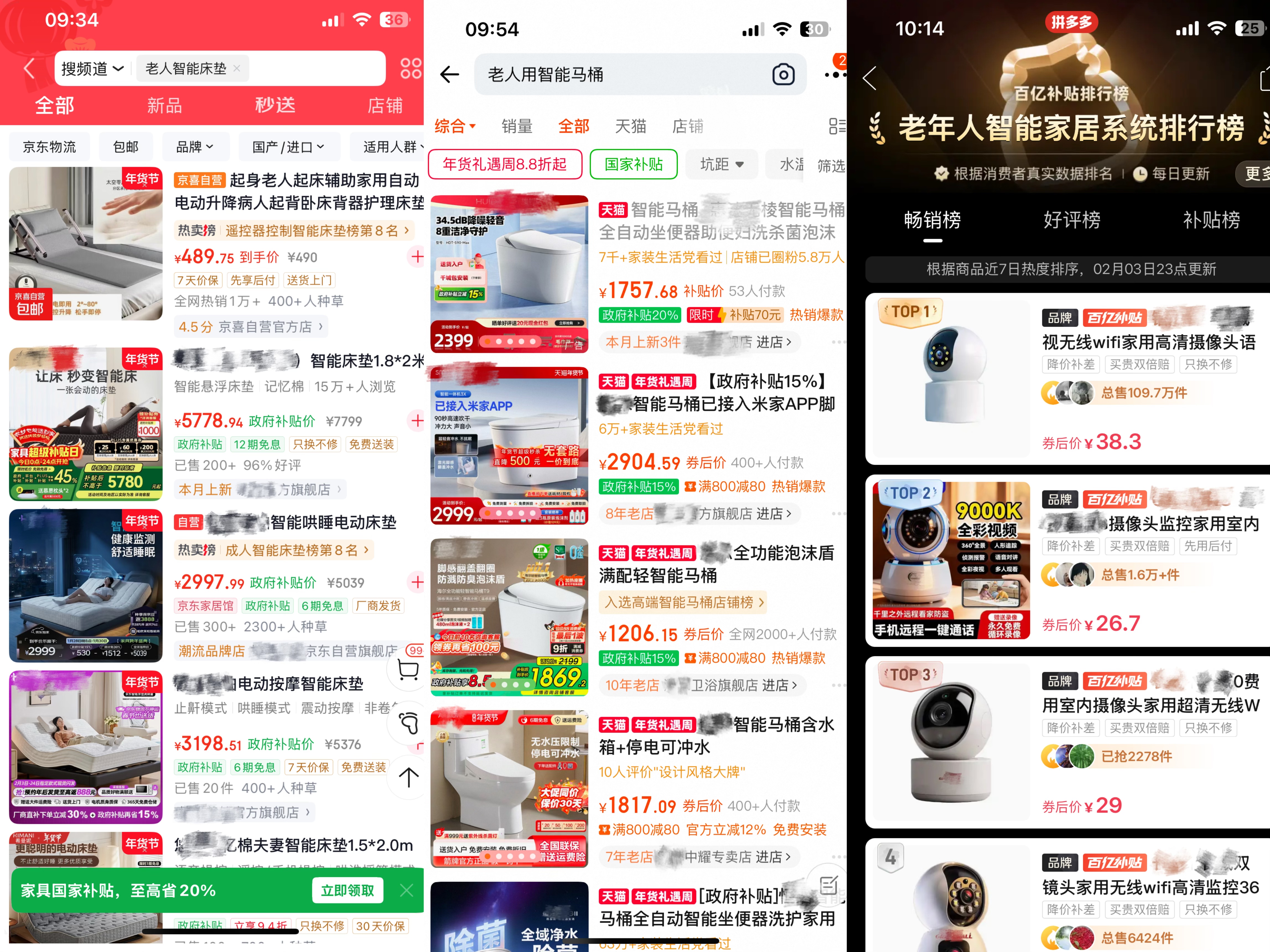
智能外骨骼助行机器人

Search documents
科技新年货,让春节更有“智”感(纵横)
Ren Min Ri Bao· 2026-02-24 22:35
Group 1 - The core viewpoint of the articles highlights the rising popularity of technology-driven products as new year gifts during the Spring Festival, indicating a shift in consumer preferences towards experience and care-oriented purchases rather than just practical or bulk buying [1][2]. - The emergence of "smart new year gifts" is attributed to the convergence of mature technology, policy guidance, and consumer upgrades, creating a broad market for diverse consumer demands, from drones to AI interactive products [2]. - The integration of technology into traditional celebrations is seen as a way to enrich the cultural significance of the Spring Festival, demonstrating that technological innovation can enhance emotional connections and health care needs while maintaining the essence of the holiday [2][3]. Group 2 - The articles emphasize the importance of addressing the "digital divide" to ensure that high-tech gifts are usable for all age groups, particularly the elderly, to prevent them from becoming mere decorative items [3]. - There is a call for creative transformation of holiday cultural connotations, suggesting that technology should act as a catalyst to invigorate traditional cultural practices [3]. - The fusion of technology with traditional festivities is portrayed as a unique characteristic of the digital age, revitalizing the Spring Festival with a sense of modernity and style, while also highlighting the enduring importance of genuine emotional connections and shared experiences [3].
(新春见闻)科技融入生活 AI打开中国民众新春消费新空间
Xin Lang Cai Jing· 2026-02-14 08:16
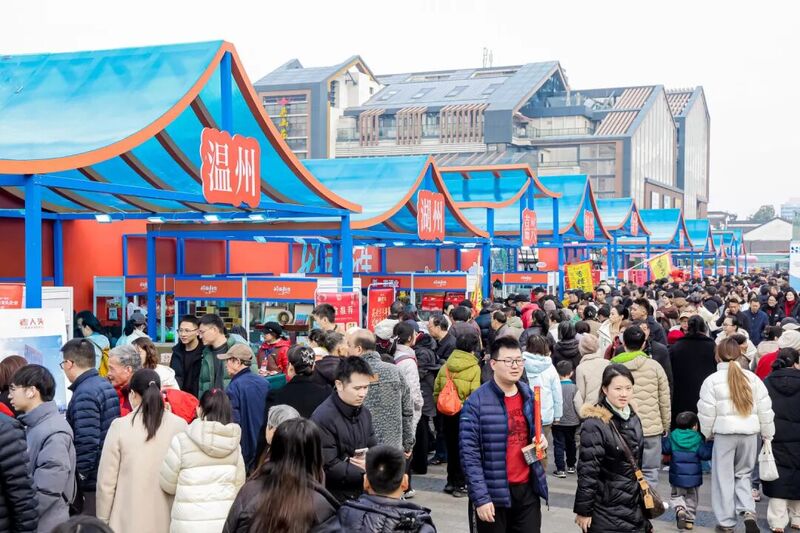
Core Viewpoint - The integration of AI technology into daily life is driving a new growth point in China's consumer market during the Spring Festival, with a notable increase in the purchase of various smart robots and AI products [1][3][4]. Group 1: Consumer Trends - Consumers are increasingly purchasing smart toys, chess-playing robots, and health-monitoring robots tailored for different age groups, reflecting diverse gifting needs for the New Year [3][4]. - The demand for AI consumer products is being fueled by modern family needs for interaction, companionship, and social engagement, leading to a surge in sales of AI devices [3][4]. - Online platforms are capitalizing on the Spring Festival shopping surge, with promotions like JD's "AI Toy Family Pack" targeting various consumer scenarios [3][6]. Group 2: Product Offerings - Popular products include caregiving robots with emergency call features, AI pet companions for children, and smart cooking appliances that generate seasonal health recipes [3][4]. - At the Silver Age New Year Goods Festival, items like mite-removing robots and AI mattresses that monitor health metrics are becoming popular choices for gifting [3][4]. - The trend of renting or purchasing cleaning robots is emerging among younger consumers to alleviate household chores [4]. Group 3: Market Dynamics - The Spring Festival has accelerated AI consumption in county regions, with nearly half of AI orders originating from these areas, indicating a shift in consumer behavior [6]. - The convenience of AI-driven services, such as ordering food through voice commands, is becoming a new way of shopping during the festive season [6].

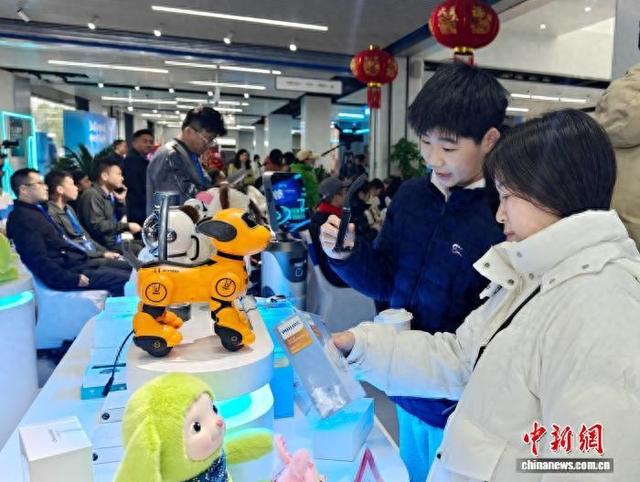
智能设备春节热卖 你的年货清单含“科”量有多高?
Xin Hua Wang· 2026-02-13 01:53
Group 1 - The core viewpoint of the article highlights the rising popularity of technology products in the Chinese New Year shopping market, with consumers increasingly favoring smart and innovative items [1][9] - Smart home appliances and interactive technology products are becoming significant highlights in the New Year market, reflecting a shift in consumer demand towards "intelligent" options [1][3] - The integration of technology into daily life is stimulating new consumption dynamics, driven by mature technology, policy guidance, and upgraded consumer expectations [9][10] Group 2 - Sales of smart terminals and AI wearable products have seen significant growth, with specific examples such as the sale of over 30 drones in a single day at a Shenzhen store [5][6] - The introduction of national subsidies for AI products, including smart glasses, has further boosted sales, with over 15 million units sold across various categories in January, generating nearly 59 billion yuan in revenue [8][9] - The launch of the 2026 National Online New Year Goods Festival has sparked a consumption boom, with online retail sales reaching 989.73 billion yuan by February 8 [9][10]
适老化智能家居成爆款年货,“AI+银发”催生增量
Xin Jing Bao· 2026-02-10 08:41
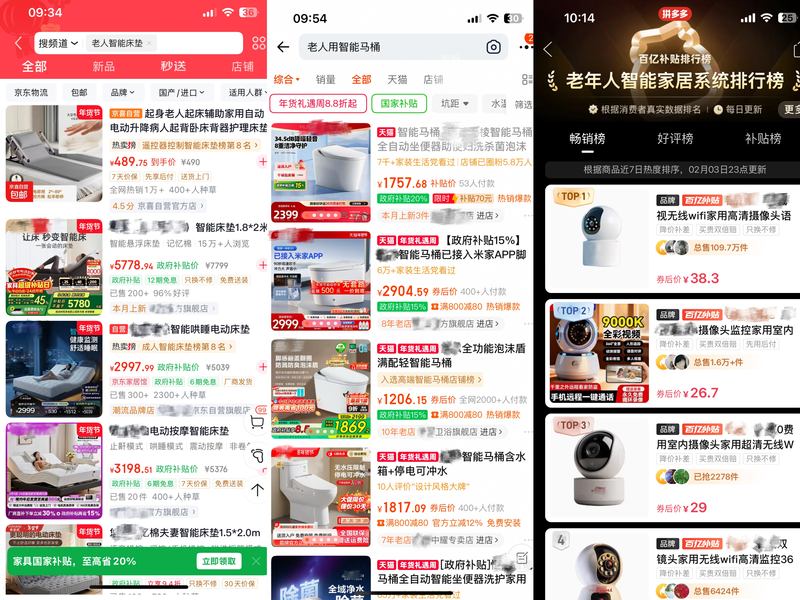
Core Insights - The acceptance and purchase willingness of elderly-friendly smart home products are increasing as they are optimized with "technology adapting to the elderly" rather than the other way around [1][4] Group 1: Market Trends - The demand for elderly-friendly smart home products is rising, driven by the "AI + silver hair" trend and effective consumer stimulation policies [1][5] - During the Spring Festival shopping season, products like smart mattresses with heart rate and sleep monitoring features have become popular, with significant sales increases on major e-commerce platforms [1][5] - The elderly population in China is projected to reach 310 million by 2024, accounting for 22% of the total population, creating a substantial market opportunity for elderly-friendly products [7] Group 2: Product Development - Smart locks are being upgraded to address issues faced by elderly users, such as fingerprint recognition failures due to wear, with features like vein recognition and long battery life being introduced [2][3] - The development of elderly-friendly smart home products follows a logic of "technology adapting to the elderly," incorporating features like AI monitoring and health tracking to enhance user experience [4][9] - Smart mattresses can monitor key health indicators and provide real-time alerts for potential health risks, while AI-enabled devices facilitate health management through online consultations [4][9] Group 3: Consumer Behavior - Consumers are increasingly recognizing the value of elderly-friendly smart products, but there is a misconception that simply having smart features equates to being suitable for the elderly [9][10] - The focus on purchasing over service can lead to poor user experiences, as improper installation or calibration of smart devices may result in abandonment of their use [10] - Industry experts recommend prioritizing essential features that cater to elderly needs, such as emergency alerts and fall detection, while avoiding unnecessary complexities [10]
适老化智能家居成爆款年货,“AI+银发”催生增量|年货新趋势
Bei Ke Cai Jing· 2026-02-10 08:37
Core Insights - The acceptance and purchase willingness of elderly-friendly smart home products have increased as they are optimized with "technology adapting to the elderly" rather than the other way around [1][5] - The surge in demand for elderly-friendly smart home products is driven by the "AI + silver hair" trend and effective consumer stimulation policies, transitioning from niche to mainstream necessity [2][14] Group 1: Market Trends - The popularity of elderly-friendly smart home products during the New Year shopping season is evident, with items like smart mattresses and AI-interactive appliances seeing significant sales growth [1][6] - Data from the National Bureau of Statistics indicates that by 2024, the population aged 60 and above will reach 310 million, accounting for 22% of the total population, creating a substantial market for elderly-friendly products [14] Group 2: Product Development - Smart locks are being upgraded to address common issues faced by elderly users, such as fingerprint recognition failures and complex interfaces, with features like vein recognition and long battery life being introduced [4][5] - The development of elderly-friendly smart home products is guided by the principle of "technology adapting to the elderly," focusing on comprehensive recognition and AI monitoring to enhance safety and usability [5][16] Group 3: Consumer Behavior - Consumers are increasingly recognizing the value of elderly-friendly smart home products, with significant sales growth reported on platforms like Taobao and Tmall, where sales of vein recognition locks increased by nearly 150% year-on-year [14] - There is a growing trend of purchasing these products as gifts for elderly family members, emphasizing the emotional value beyond the product itself [17] Group 4: Policy Impact - Recent consumer stimulation policies have expanded the range of subsidized products to include smart home devices, which is expected to meet the diverse needs of consumers seeking improved living standards [15] - The implementation of these policies is seen as a way to enhance the accessibility of smart home products for the elderly, reflecting a commitment to improving quality of life [15]