桂圆红枣茶

Search documents
“冬藏”转“春生” 内外兼修护健康
Xin Lang Cai Jing· 2026-01-20 21:54
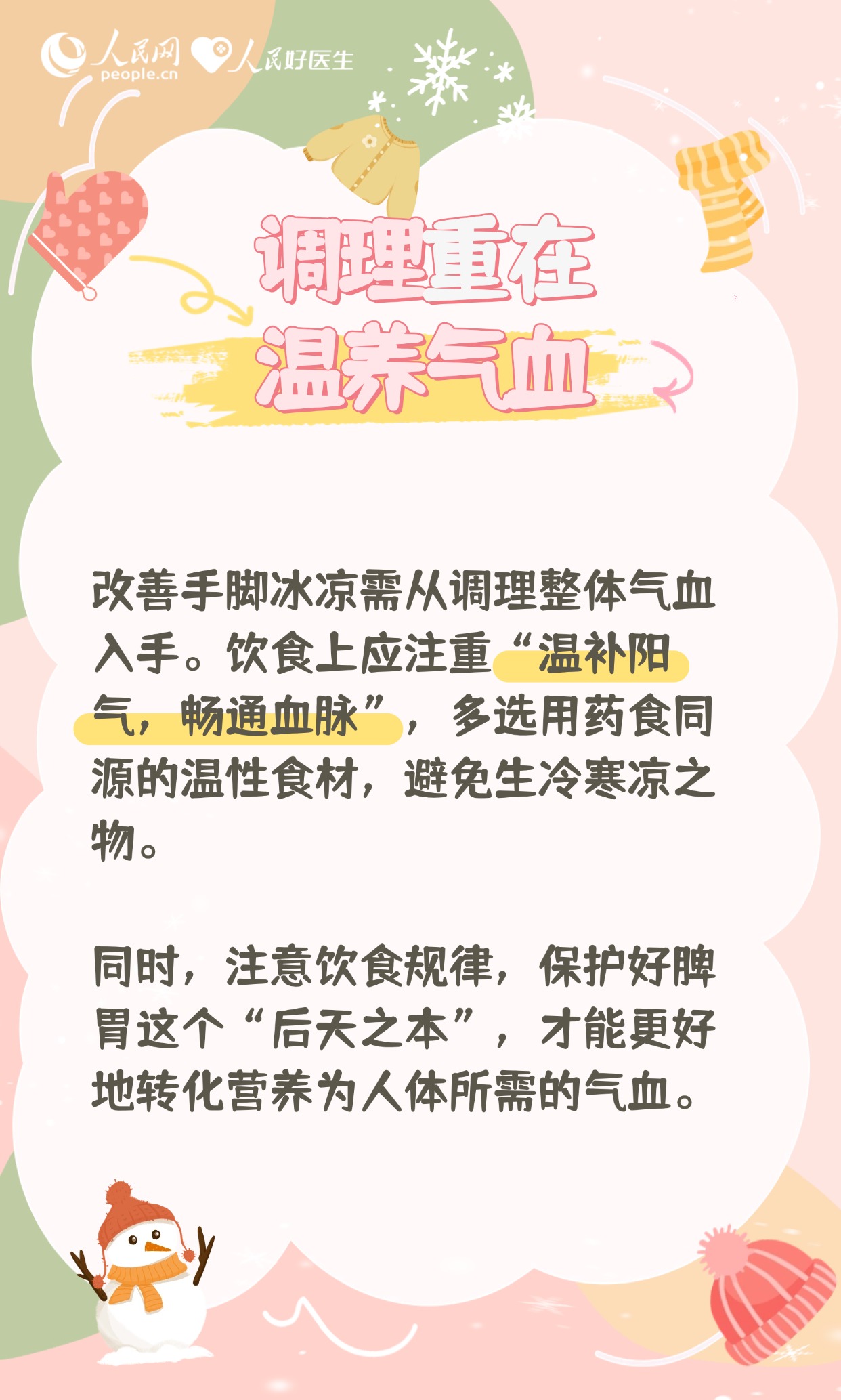
Core Viewpoint - The article emphasizes the importance of adjusting health and wellness strategies during the "Great Cold" solar term, transitioning from "winter storage" to preparing for the upcoming spring by nurturing the body and promoting the flow of energy [1] Dietary Adjustments - During the Great Cold, the diet should shift from "intense nourishment" to "gentle nourishment," focusing on nourishing essence and blood, warming the body, and supporting the spleen and stomach [2] - It is recommended to reduce the intake of very warming foods like lamb and deer meat, opting instead for milder ingredients such as chicken, beef, and perch, along with foods like yam, lily bulb, and tremella to prevent dryness and constipation [2] - Incorporating foods that promote the rise of yang energy, such as bean sprouts, chives, and ginger, is encouraged to gently stimulate the body's vitality without being overly stimulating [2] Lifestyle and Care - Emphasis is placed on "wind protection" during the Great Cold, alongside continued cold prevention, with a focus on keeping the head, neck, waist, and feet warm [3] - It is advised to maintain indoor humidity to avoid respiratory discomfort, and to adjust sleep patterns to align with the natural rise of yang energy, allowing for slightly later wake-up times [3] Exercise and Movement - The article suggests gradually incorporating more "stretching and gentle movements" into exercise routines to promote energy flow and guide the emergence of yang energy [4] - Engaging in outdoor activities during sunny periods is recommended to absorb natural warmth and dispel internal cold, with exercise intensity kept moderate to avoid excessive sweating [4] Herbal Teas - Longan and red date tea is recommended for its ability to warm the heart and spleen, nourish blood, and calm the mind, particularly beneficial for those feeling fatigued or having sleep issues [5] - Rose and dried tangerine peel tea is suggested for its gentle ability to relieve stress and promote energy flow without harming yang energy [6]
大寒节气 这些养生要点记牢
Xin Lang Cai Jing· 2026-01-19 18:11
Group 1 - The core idea of the article emphasizes the need for dietary and lifestyle adjustments during the "Great Cold" solar term, transitioning from "winter storage" to preparing for the upcoming spring [1] - Dietary recommendations suggest shifting from "intense supplementation" to "gentle nourishment," focusing on foods that nourish vital energy and promote warmth while incorporating ingredients that stimulate the rise of yang energy [2] - The article highlights the importance of maintaining warmth and preventing wind exposure during this season, advising on proper clothing and indoor humidity management [3] Group 2 - Exercise routines should evolve from a focus on internal storage to incorporating movements that promote stretching and the flow of energy, aiding in the awakening of yang energy [4] - Outdoor activities are encouraged during sunny periods, with specific exercises designed to promote liver health and energy flow [5] - Herbal teas are recommended for their warming and calming properties, suitable for those experiencing fatigue and stress during the end of the year [6][7]
冬至已至,这份养生指南请查收
Xin Lang Cai Jing· 2025-12-21 08:23
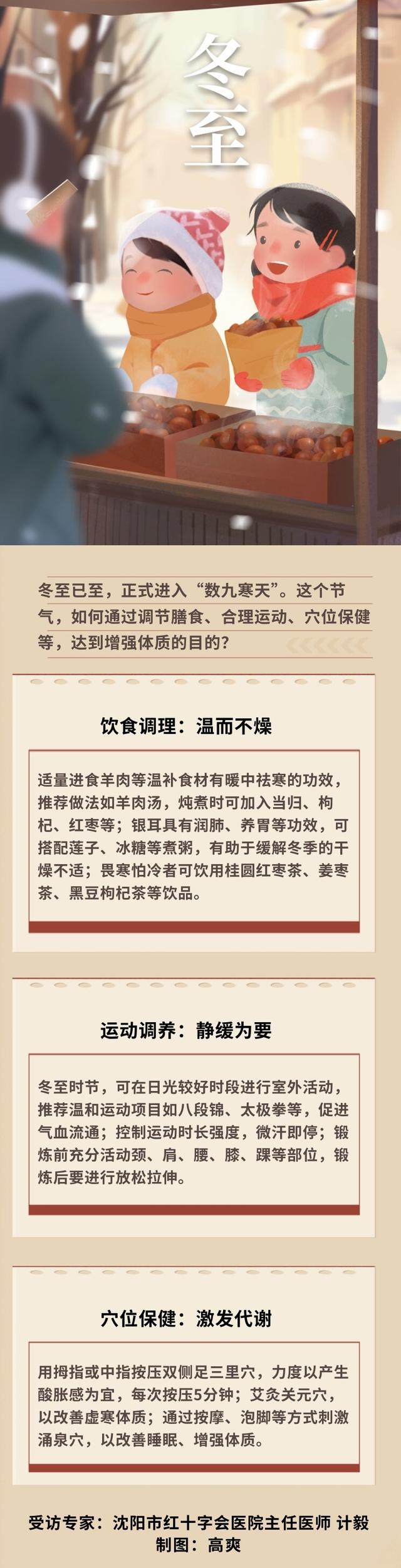
Group 1 - The article discusses health maintenance practices during the winter solstice, emphasizing dietary adjustments, appropriate exercise, and acupoint health care to enhance physical fitness [1][4]. - Recommended dietary practices include consuming warming foods such as lamb, with suggested recipes like lamb soup enriched with angelica, goji berries, and red dates, as well as dishes featuring tremella and lotus seeds to alleviate winter dryness [4]. - For exercise, gentle activities like Baduanjin and Tai Chi are recommended during sunny periods, with a focus on promoting blood circulation and controlling exercise intensity to avoid overexertion [4].

告别手脚冰凉 中医6款暖身方陪你温暖过冬
Ren Min Wang· 2025-12-12 01:31
Core Viewpoint - The article discusses dietary recommendations for warming the body during winter, particularly for individuals experiencing cold extremities, which is linked to traditional Chinese medicine concepts of insufficient yang energy and blood circulation [1]. Dietary Recommendations - **Angelica and Ginger Lamb Soup**: Ingredients include 10g of angelica, 15g of ginger, and 250g of lamb, cooked until tender. This dish is effective for warming the body, nourishing blood, and alleviating cold pain, suitable for those with symptoms of cold extremities and abdominal cold pain [3][4]. - **Warming Beef Soup**: Made with small pieces of beef, 5g of ginger, 3g of pepper, 3g of dried tangerine peel, and 3 red dates. This soup helps to warm the body, dispel cold, and strengthen the spleen, particularly for individuals with cold abdominal pain and weak spleen function [4][5]. - **Yellow Chicken Soup**: Ingredients include one yellow hen, 250g of angelica, 20g of astragalus, 15g of ginger, and 200g of glutinous rice. The soup is beneficial for nourishing qi and blood, and is suitable for those with cold extremities, pale complexion, fatigue, and cold sensitivity [5][6]. - **Astragalus and Yam Porridge**: Prepared with 20g of astragalus, 51g of rice, and 30g of fresh yam. This porridge is effective for boosting qi, strengthening the spleen, and warming the body, ideal for those experiencing fatigue and cold extremities [7][8]. - **Longan and Red Date Tea**: Made with 10g of longan meat and 5 red dates, boiled for 15 minutes. This tea is a traditional warming drink that nourishes the heart and spleen, suitable for those with insomnia, forgetfulness, and palpitations [12][13]. - **Red Date and Dried Tangerine Peel Tea**: Ingredients include 3 slices of ginger, 6 red dates, and 5g of dried tangerine peel, boiled for 10 minutes. This tea helps to dispel cold, regulate qi, and nourish blood, suitable for those with cold stomach pain and poor appetite [14][15]. Additional Advice - The article emphasizes that dietary therapy should be gradual, and if symptoms persist or worsen, individuals should seek medical attention to rule out underlying causes. It also suggests engaging in appropriate physical activity and maintaining warmth to enhance blood circulation and improve cold resistance [16].