姜枣茶

Search documents
小寒时节养生重在固本培元
Xin Lang Cai Jing· 2026-01-05 17:41
Group 1 - The core viewpoint emphasizes the importance of health preservation during the "Minor Cold" solar term, as it marks one of the coldest periods in China, leading to increased susceptibility to respiratory and cardiovascular diseases [1][2] - Traditional Chinese medicine suggests that the cold during this period can harm the body's yang energy, making individuals more prone to illnesses such as colds, asthma, and chronic bronchitis [1] - Dietary recommendations include consuming warming foods like lamb, chicken, and walnuts, along with ginger and pepper to combat the cold, while avoiding raw and cold foods that may harm the spleen [1] Group 2 - The "Minor Cold" period is identified as a critical time for health practices focused on conserving energy and strengthening the body, with suggestions for moderate exercise like Tai Chi and Baduanjin to enhance physical resilience [2] - Traditional therapies such as cupping, scraping, and moxibustion are recommended to help accumulate yang energy and lay a foundation for better health in the coming year [2]
小寒时节养生重在“温经散寒 固本培元”
Xin Lang Cai Jing· 2026-01-04 16:56
Group 1 - The article emphasizes the importance of health preservation during the "Minor Cold" solar term, which marks one of the coldest periods in China, suggesting that cold weather can lead to respiratory and cardiovascular diseases [1] - Traditional Chinese medicine experts recommend dietary adjustments to enhance warmth and nourish the body, advocating for the consumption of warming foods such as lamb, chicken, and walnuts, while advising against cold and greasy foods [1] - Proper lifestyle practices are highlighted, including maintaining adequate sleep, ensuring warmth in key body areas, and allowing for indoor ventilation without direct exposure to cold winds [1] Group 2 - The article suggests that moderate exercise during the "Minor Cold" period can strengthen the body, with recommendations for gentle activities like Tai Chi and Baduanjin, emphasizing the need for proper warm-up and post-exercise care [2] - Traditional therapies such as cupping, scraping, and moxibustion are recommended as effective methods to accumulate Yang energy and support health during this critical period [2] - The article underscores the significance of this season for nurturing and preserving energy, aligning with the principles of traditional Chinese health practices [2]
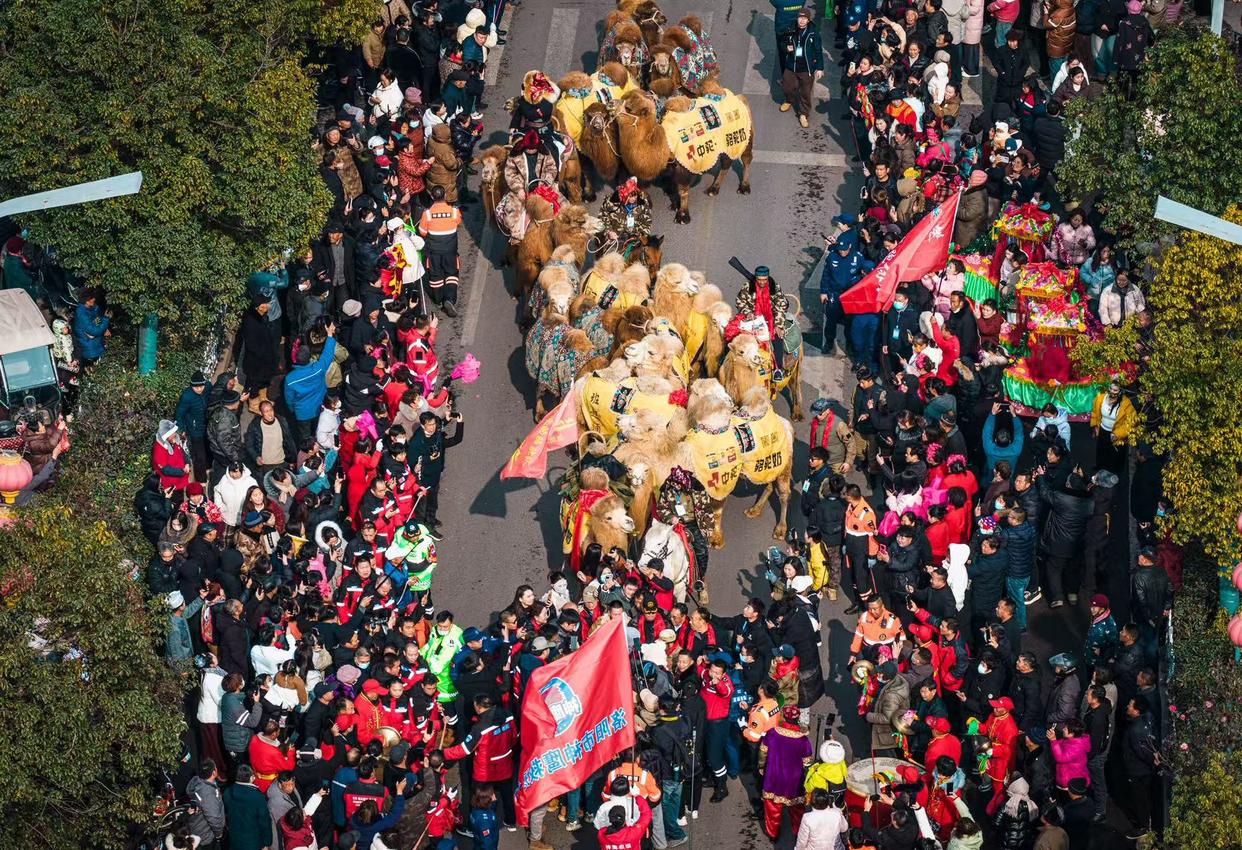
历时136天,东天山驼队抵达洛阳
Xin Lang Cai Jing· 2026-01-04 09:41
Core Viewpoint - The article highlights the arrival of a camel caravan from the Tianshan Mountains to Luoyang, marking a significant cultural and emotional event for the participants after a long journey of 136 days covering over 3,000 kilometers [9]. Group 1: Journey and Arrival - The camel caravan, consisting of 33 camels and over 20 people, traveled through diverse terrains including Gobi deserts, grasslands, and uninhabited areas, finally reaching Luoyang after a long and arduous journey [9]. - The caravan's leader, Jiang Xiaoliang, expressed the emotional weight of returning home, emphasizing the significance of the phrase "going home" for each member of the team [9]. - The local community welcomed the caravan with traditional gestures, such as presenting a red scarf and warm ginger date tea, showcasing the rich cultural heritage of the region [4][6]. Group 2: Cultural Significance - The article mentions the unique purple clay cups used for serving tea, which feature a peony design that changes color when filled, reflecting the long-standing ceramic culture of Xin'an County [6]. - The participants shared their memories and experiences from the journey, highlighting the connection to their roots and the cultural significance of their return to Luoyang [9]. - The caravan's journey is framed within a historical context, referencing the ancient Han Dynasty and the significance of the Han Hangu Pass, which they will encounter next [11].

养生重在“温经散寒,固本培元”
Xin Lang Cai Jing· 2026-01-03 23:22
Group 1 - The article discusses the arrival of the winter solar term "Minor Cold" on January 5, indicating that many regions in China are experiencing their coldest period of the year [1] - Traditional Chinese medicine experts warn that cold weather can lead to respiratory diseases, cardiovascular diseases, and rheumatic diseases, emphasizing the importance of "warming the meridians and dispelling cold" for health maintenance [1] - Recommendations for diet during this period include consuming warming foods such as lamb, chicken, and walnuts, along with ginger and pepper to enhance warmth, while avoiding cold and greasy foods to protect the spleen [1] Group 2 - The article highlights the importance of moderate exercise during the "Minor Cold" period to enhance physical fitness, suggesting gentle activities like Tai Chi and Baduanjin, while emphasizing the need for proper warm-up and post-exercise care [2] - Traditional therapies such as cupping, scraping, and moxibustion are recommended as effective methods to accumulate yang energy and strengthen the body's foundation for health in the coming year [2]
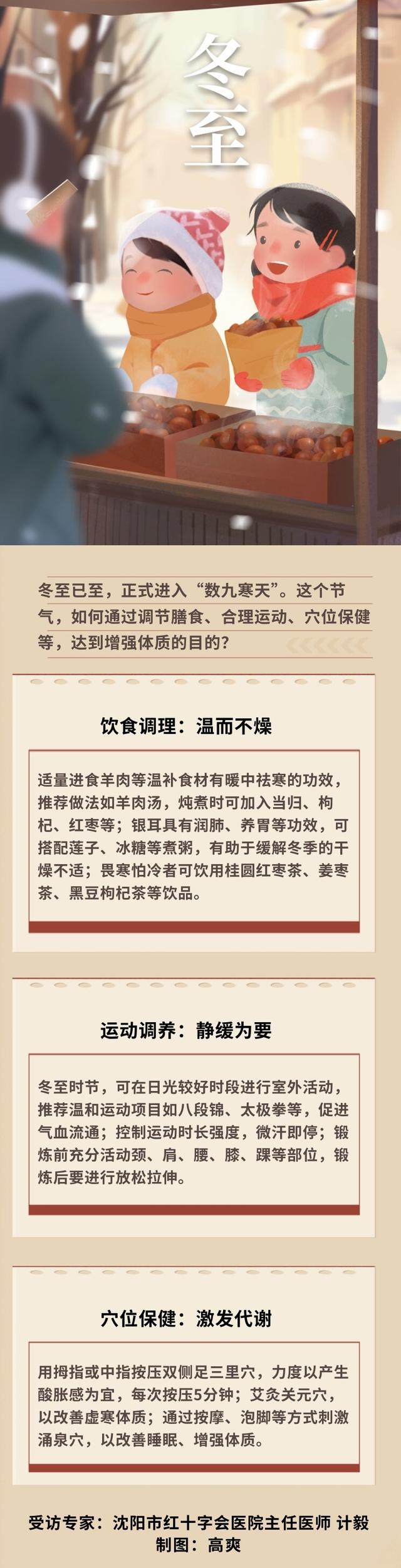
冬至已至,这份养生指南请查收
Xin Lang Cai Jing· 2025-12-21 08:23
Group 1 - The article discusses health maintenance practices during the winter solstice, emphasizing dietary adjustments, appropriate exercise, and acupoint health care to enhance physical fitness [1][4]. - Recommended dietary practices include consuming warming foods such as lamb, with suggested recipes like lamb soup enriched with angelica, goji berries, and red dates, as well as dishes featuring tremella and lotus seeds to alleviate winter dryness [4]. - For exercise, gentle activities like Baduanjin and Tai Chi are recommended during sunny periods, with a focus on promoting blood circulation and controlling exercise intensity to avoid overexertion [4].
冬至养生 重在“护阳、防寒”
Xin Lang Cai Jing· 2025-12-21 08:23
Group 1 - The article discusses the significance of the winter solstice, which is the fourth solar term of winter, emphasizing the importance of health maintenance during this period as the cold intensifies and the yang energy begins to emerge [1] - It highlights the need for warmth and protection against cold, as improper care can lead to discomfort and potential health issues such as cardiovascular events and respiratory diseases [1] - Recommendations for dietary choices include warming foods like lamb, beef, chicken, and walnuts, while avoiding cold and overly greasy foods to protect the digestive system [1] Group 2 - The article suggests lifestyle adjustments such as going to bed early and rising late to ensure adequate sleep, which helps in conserving yang energy [1] - It recommends gentle exercises like Tai Chi and traditional Chinese exercises to promote blood circulation and maintain physical health during the cold season [1] - Specific herbal teas are mentioned for various health benefits, such as Huangjing Goji tea for energy replenishment and warming ginger jujube tea for those with cold extremities [2]
冬至养生重在“护阳、防寒”
Xin Hua She· 2025-12-20 13:48
Core Viewpoint - The winter solstice, occurring on December 21, marks a significant time for health and wellness, emphasizing the importance of nurturing the body's yang energy and protecting against cold [1][2] Group 1: Health Recommendations - During the winter solstice, the cold weather can harm the body's yang energy, leading to symptoms such as cold intolerance, fatigue, and potential cardiovascular or respiratory issues [1] - It is advised to focus on "storing" energy during this period by conserving vital energy and minimizing unnecessary consumption, which prepares the body for the upcoming year [1] - Recommended dietary choices include warming foods such as lamb, beef, chicken, and walnuts, while avoiding cold, greasy foods to protect digestive health [1] Group 2: Lifestyle Adjustments - Adequate sleep is emphasized, with suggestions to "sleep early and rise late" to support the storage of yang energy [1] - Keeping the head, neck, waist, and feet warm is crucial to prevent cold from invading the body [1] - Gentle exercises like Tai Chi and traditional Chinese exercises are recommended to promote blood circulation and maintain physical health [1] Group 3: Herbal Remedies - Herbal teas can be used as substitutes for regular tea to help regulate the body during the winter solstice, with recommendations for specific blends [2] - Examples include Huangjing and Goji tea for energy replenishment, ginger and jujube tea for warming the stomach, and longan and goji tea for those who experience eye strain [2] - Black bean and tangerine peel drink is suggested to alleviate digestive issues and water retention during this time [2]
如何健康过冬?这份详尽指南请收好
Zhong Guo Qing Nian Bao· 2025-12-06 02:03
Group 1 - The article emphasizes the importance of tailored dietary supplements during winter, highlighting that not all individuals should follow the same supplementation practices due to varying body constitutions [2][3] - It is advised that individuals with Qi deficiency and Yang deficiency can consume foods like lamb, yam, and lotus seeds, while those with Yin deficiency and excess heat should opt for cooling foods such as lily, duck, and American ginseng [2] - The article warns against the indiscriminate use of "goufang" (traditional Chinese medicinal pastes), stating that it is not suitable for everyone and should be prescribed based on individual constitution [3] Group 2 - The article discusses the common issue of winter fatigue and low mood, suggesting that increased sleep duration and exposure to sunlight can help alleviate these feelings [4][5] - Recommendations for improving energy levels include morning sunlight exposure, acupressure on specific points, and the use of aromatic substances like mint and rosemary [4] - The article also mentions the potential benefits of moderate coffee consumption in the morning to boost energy, while cautioning against excessive intake that could lead to insomnia [5] Group 3 - The article highlights the significance of appropriate physical activity during winter, recommending low-intensity aerobic exercises such as walking and Tai Chi to promote blood circulation without excessive sweating [6] - It advises that outdoor activities should be scheduled during warmer parts of the day to avoid cold-related health issues [6]
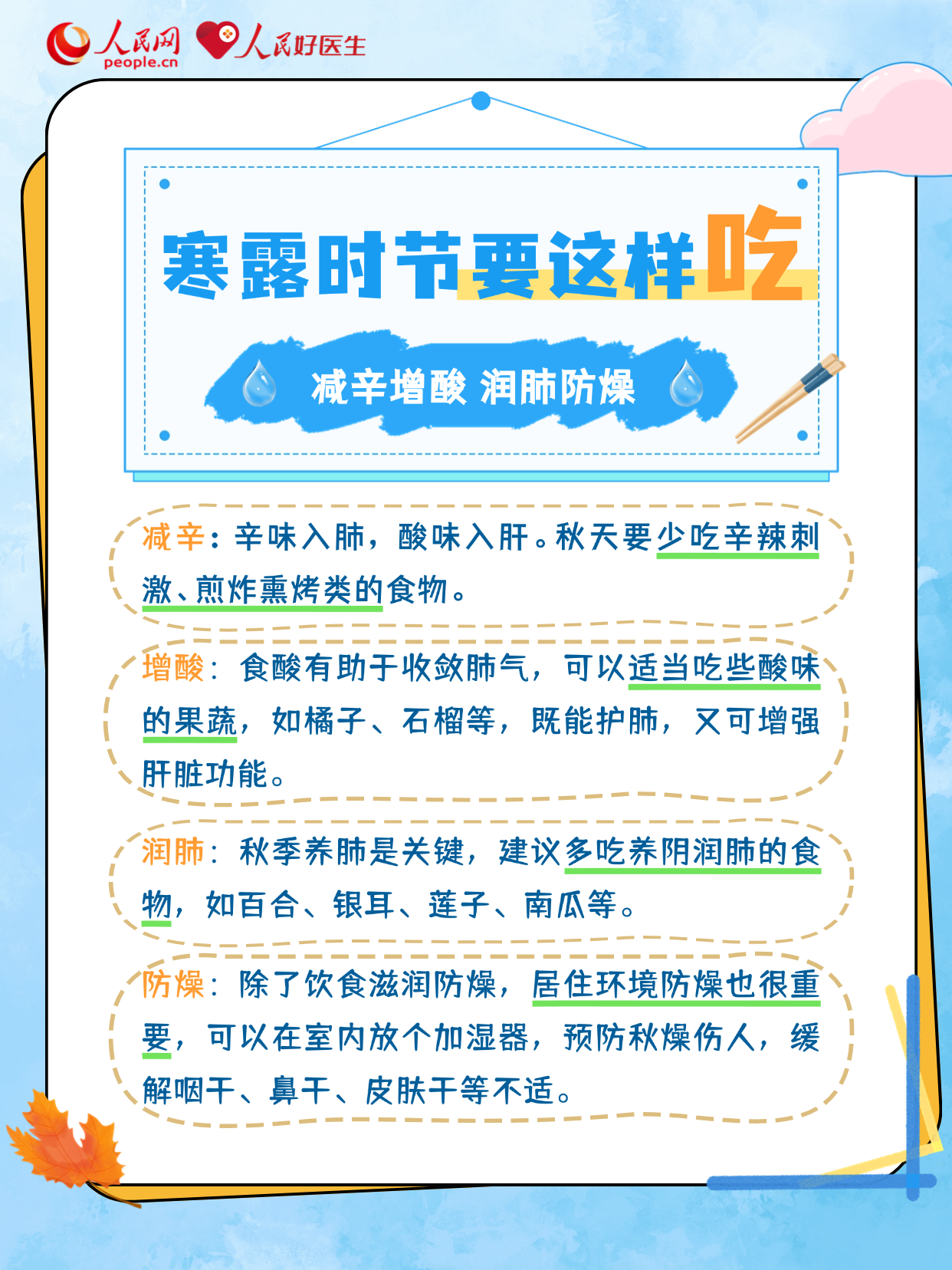
寒露过后,饮食养生如何兼顾防燥与御寒?
Zhong Guo Xin Wen Wang· 2025-10-18 06:51
Core Insights - The article discusses the significance of the "Han Lu" solar term in relation to health and dietary practices as temperatures drop, emphasizing the need for timely clothing adjustments and dietary changes to maintain well-being during this transitional period [1][4]. Dietary Recommendations - The core dietary principle during the "Han Lu" period is to focus on "warm and moist" foods to combat dryness and cold, suggesting the consumption of warm honey water and ginger jujube tea while avoiding cold foods like watermelon and bitter melon [2][3]. - It is advised to incorporate warming foods such as pumpkin and chestnuts, while reducing spicy foods to prevent lung damage from dryness [2][3]. Nutritional Supplementation - The transition from autumn to winter, marked by the "Shuang Jiang" solar term, is seen as an optimal time for nutritional supplementation to enhance immune function and prepare the body for colder months [3]. - Specific foods that aid in digestion and moisture retention, such as pig stomach, lotus seeds, and yam, are recommended for those in humid southern climates [3]. Clothing and Temperature Management - The article highlights the importance of timely clothing adjustments as temperatures drop, with a focus on protecting the waist and abdomen to prevent cold-related illnesses [4][5]. - The concept of "autumn freezing," which involves gradually acclimatizing the body to cooler temperatures, is discussed, with recommendations to observe bodily signals for appropriate clothing changes [5].
时至寒露,“五要,四不”的养生诀窍请收藏!
Ren Min Wang· 2025-10-08 00:21
Core Points - The article discusses health tips for the season of Hanlu, emphasizing the importance of adjusting lifestyle habits to cope with the changing weather and its effects on the body [1]. Group 1: Hydration and Nutrition - It is recommended to maintain proper hydration, especially for individuals with cardiovascular issues, by drinking warm water at temperatures between 35°C to 45°C [3][4]. - For those suffering from constipation, honey water is suggested to prevent dryness, while ginger and red date tea can help those with cold stomachs [4]. Group 2: Lifestyle Adjustments - The article advises on the importance of early sleep and wake times to align with the body's natural rhythms, suggesting a bedtime before 1 AM and waking up between 6 AM to 7 AM [6][7]. - Engaging in moderate exercise is encouraged, with a focus on not overexerting oneself to maintain balance in bodily fluids [8]. Group 3: Body Care - Recommendations include keeping the neck, waist, and feet warm to prevent cold-related ailments, with specific exercises suggested for neck and waist health [9][10][11]. - Foot baths at temperatures between 38°C to 42°C are advised to promote blood circulation, along with specific acupressure points to massage during the bath [12]. Group 4: Clothing and Protection - The article suggests dressing in layers to adapt to fluctuating temperatures, avoiding exposure of the shoulders and arms to prevent colds [13].