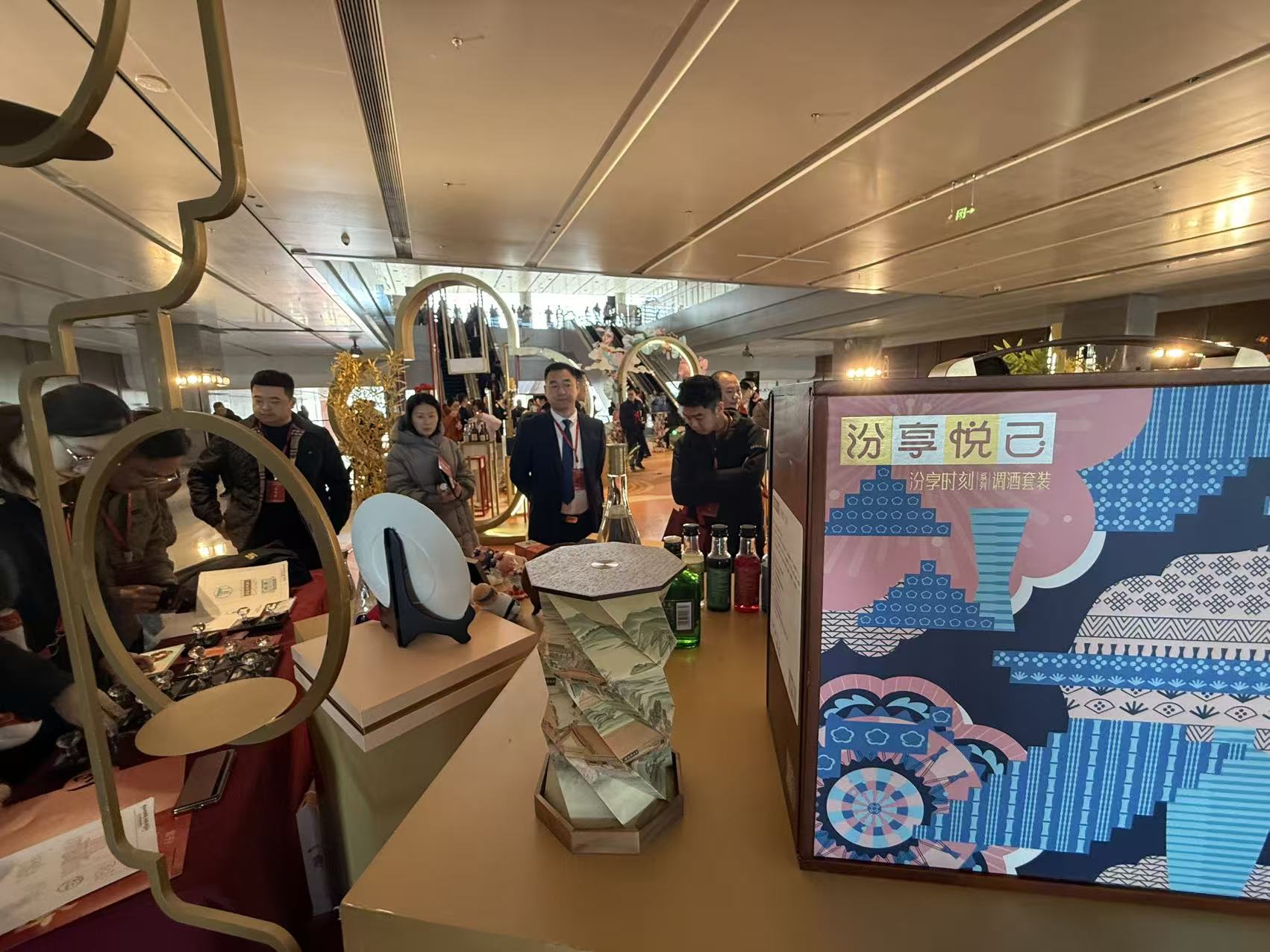
汾享青春28度

Search documents
山西汾酒 |规模扩张转向质量深耕
Xin Lang Cai Jing· 2025-12-09 01:03
Core Insights - Shanxi Fenjiu is transitioning from a "marketing-driven" approach to "consumer co-creation," reflecting a strategic shift in response to changing consumer preferences in the liquor market [2][6] Industry Context - The liquor industry is undergoing a deep adjustment, with traditional government and business consumption declining while self-indulgent consumption is on the rise, presenting new challenges for liquor companies [3] - Despite these challenges, Fenjiu has maintained growth resilience, achieving revenue of 32.92 billion yuan in the first three quarters of 2025, a year-on-year increase of 5.0% [3] Strategic Goals - Fenjiu's 2026 strategy aims to achieve a "double hundred billion" target for its two core products, Qinghua 20 and Glass Fen, supported by special expenses for emotional consumption [2][4] - The strategy focuses on four main directions: national expansion 2.0, youth-oriented 1.0, internationalization 1.0, and precise consumer services [3] Product Performance - Qinghua 20 and Glass Fen are becoming the main growth drivers for Fenjiu, with Qinghua 20 targeting the mid-to-high-end business market and Glass Fen positioned for mass consumption [4] - The company has seen significant growth in its provincial markets, with revenue from outside the province reaching 6.671 billion yuan in the third quarter of 2025, a year-on-year increase of 31.14% [3][4] Market Management - Fenjiu has implemented a "two-tier" management system (provincial and regional market segmentation) and a "two-focus" strategy (core distributors and channels) to enhance resource allocation efficiency [4] - The rapid growth in provincial markets has become a key driver for Fenjiu, with sales revenue from these markets reaching 21.813 billion yuan in the first three quarters of 2025, a significant year-on-year increase of 12.72% [4] Emotional Consumption Strategy - A notable innovation in Fenjiu's strategy is the introduction of special expenses to support emotional consumption, indicating a shift from functional to emotional consumption [6] - The company plans to engage consumers through four co-creation methods: IP co-creation, scene co-creation, expression co-creation, and regional cultural co-creation [6] Targeted Consumer Engagement - Fenjiu is designing differentiated emotional touchpoints for various consumer groups, including immersive experiences for young consumers and companionship for the elderly [6] - The company has initiated the "Fen Enjoy Youth 28-degree" project to develop products that resonate with younger consumers' emotional needs and drinking scenarios [6] Industry Implications - Fenjiu's 2026 strategy is significant not only for its scale goals but also for its exploration of transformation within the liquor industry, providing new development ideas [7] - Analysts remain optimistic about Fenjiu's future development, noting its ability to maintain channel cooperation and enthusiasm despite weak demand [7]



“白酒行业过得不容易”
Di Yi Cai Jing· 2025-12-02 13:54
Core Insights - The white liquor industry is undergoing a significant adjustment, shifting from traditional consumption patterns dominated by government and business to a new model that emphasizes personal enjoyment and self-satisfaction [2][3] - Shanxi Fenjiu is one of the few companies maintaining growth, reporting a revenue of 32.92 billion yuan, a 5% increase year-on-year, and a net profit of 11.41 billion yuan, up 0.5% [2] - The company is adapting its strategy to focus on both traditional and younger consumer bases, as well as international markets, to capture the emerging "self-enjoyment" consumption trend [3] Industry Trends - The white liquor market is expected to coexist with traditional and modern consumption patterns, including social and personal enjoyment, as well as online and offline sales [3] - The introduction of new products aimed at younger consumers, such as the "Fenxiang Youth 28-degree" series, reflects a shift towards lower alcohol content and diverse flavors to attract different demographics [3] - The marketing approach is evolving, with a focus on consumer engagement rather than traditional promotional methods, as evidenced by the popularity of user-generated content and nicknames for products [4] Strategic Adjustments - Shanxi Fenjiu is implementing a national expansion strategy, targeting 12 core markets and 5 opportunity markets, while also exploring potential in 10 low-alcohol markets [3] - The company recognizes the need to adapt to changing consumer preferences and is committed to re-evaluating its market approach and product offerings [3] - Other major players in the industry, such as Kweichow Moutai, are also shifting towards market-oriented strategies, emphasizing consumer-centric marketing and digital integration [5]
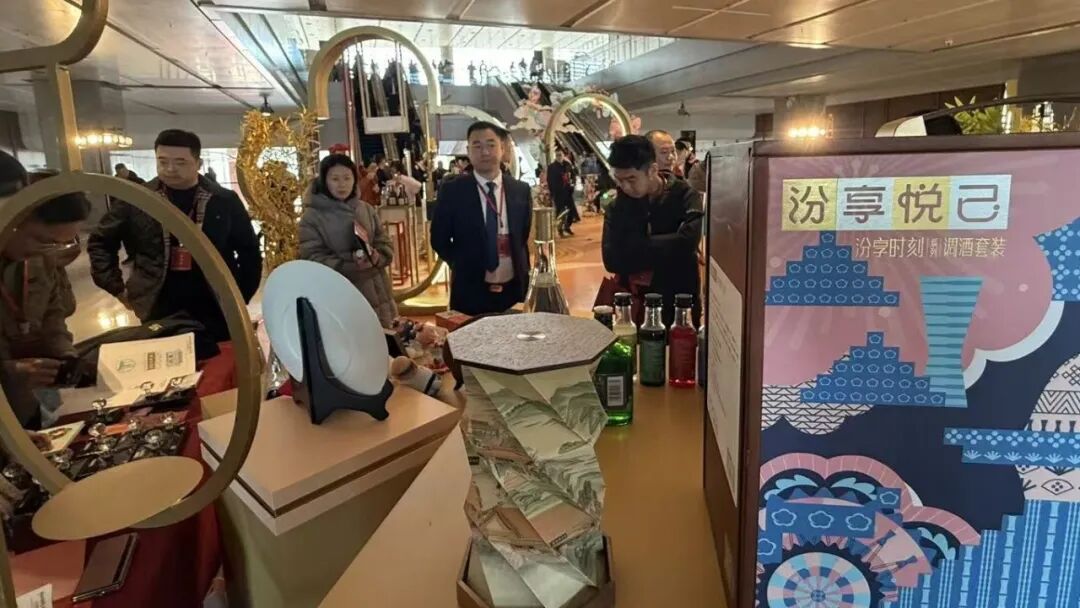
“白酒行业过得不容易”
第一财经· 2025-12-02 12:57
Core Viewpoint - The Chinese liquor industry is undergoing a significant transformation, shifting from traditional consumption patterns dominated by government and business to a new model that emphasizes personal enjoyment and self-consumption [3][4]. Industry Overview - The liquor industry faced its worst quarterly performance in nearly a decade in Q3 2025, with Shanxi Fenjiu being one of the few companies to maintain growth [3]. - In the first three quarters of 2025, Shanxi Fenjiu reported revenue of 32.92 billion yuan, a year-on-year increase of 5%, and a net profit attributable to shareholders of 11.41 billion yuan, up 0.5% [3]. Strategic Adjustments - Shanxi Fenjiu is adapting its strategy in response to the changing market dynamics, focusing on both traditional and emerging markets while emphasizing youth and internationalization as key growth drivers [5]. - The company plans to launch a new low-alcohol product line, "Fenxiang Youth 28 Degrees," and expand its offerings in fruit, floral, and herbal flavors to attract younger and older consumers [5]. Consumer Behavior Insights - Consumer preferences are evolving, with a notable shift towards self-consumption and diverse drinking scenarios, which presents new challenges for liquor companies [6]. - A survey indicated that 70% of consumers are indifferent or even resistant to traditional marketing messages, preferring user-generated content and social media trends [5]. Market Trends - The liquor market is expected to see a coexistence of social drinking, self-enjoyment, and investment collection, with a focus on experiential and diversified consumption [6].
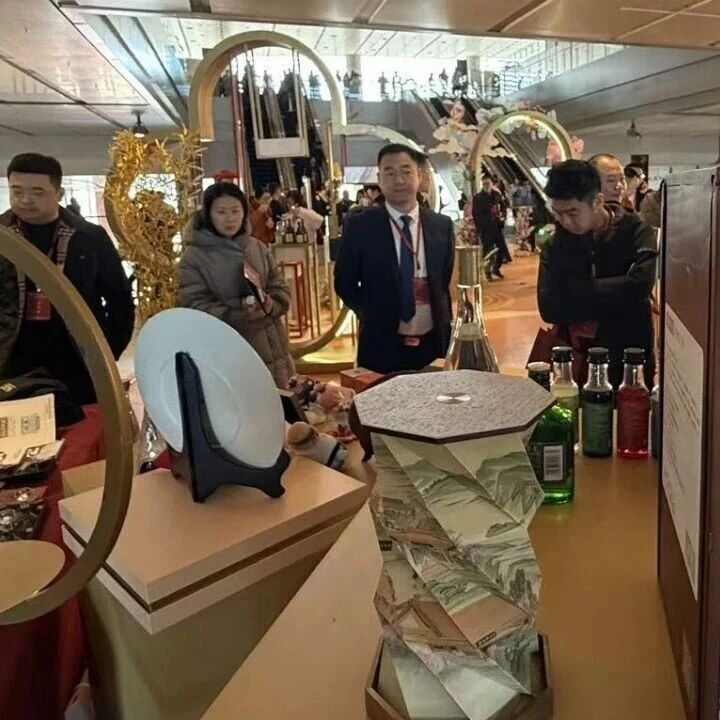
汾酒董事长:白酒行业过得不容易,重点关注悦己消费
Sou Hu Cai Jing· 2025-12-02 12:25
Core Insights - The Chinese liquor industry is undergoing a significant adjustment, shifting from a growth model primarily driven by government and business consumption to a new paradigm that emphasizes both "pleasing others" and "self-pleasing" [1][2] - Shanxi Fenjiu is one of the few companies maintaining growth amidst a challenging market, reporting a revenue of 32.92 billion yuan, a 5% increase year-on-year, and a net profit of 11.41 billion yuan, up 0.5% [1] - The traditional consumption patterns are becoming less effective, necessitating a reevaluation of market strategies by liquor companies [1][5] Industry Trends - The rise of self-pleasing consumption is impacting the social attributes of liquor, leading to a market that will feature a coexistence of traditional and modern consumption styles, as well as online and offline channels [2] - Fenjiu's 2026 strategy includes a focus on national expansion and targeting core markets while also emphasizing youth and internationalization as key growth avenues [2][4] Product Development - Fenjiu plans to launch a new low-alcohol product line called "Fen Enjoy Youth 28 Degrees," with over ten products in development [4] - The brand "Bamboo Leaf Green" is adopting a "Fenjiu+" approach to introduce fruit, floral, and herbal flavors to attract younger and older consumers [4] Consumer Engagement - Consumers are reshaping liquor consumption through their choices and actions, prompting companies to rethink their market and consumer engagement strategies [5] - A significant portion of consumers (70%) are indifferent or even resistant to traditional marketing, preferring user-generated content and social media trends [5] - The industry is moving towards a more market-oriented marketing transformation, focusing on consumer-centric approaches and digital integration [5]
汾酒董事长:白酒行业过得不容易,传统经验几乎失效
Di Yi Cai Jing· 2025-12-02 11:57
Core Insights - The Chinese liquor industry is undergoing a significant adjustment, shifting from a traditional growth model based on government and business consumption to a new paradigm that emphasizes both "pleasing others" and "self-pleasing" [1][2] - Shanxi Fenjiu is one of the few companies maintaining growth, reporting a revenue of 32.92 billion yuan with a year-on-year increase of 5% and a net profit of 11.41 billion yuan, up 0.5% for the first three quarters of 2025 [1] - The traditional consumption patterns are becoming less effective, necessitating a reevaluation of market strategies by liquor companies [1][2] Industry Trends - The rise of self-pleasing consumption is impacting the social attributes of liquor, leading to a market that will feature a coexistence of traditional and modern consumption styles, as well as online and offline channels [2] - The 2026 strategy for Fenjiu includes a focus on national expansion and targeting 12 core markets, 5 opportunity markets, and 10 potential markets for low-alcohol products [2][4] - Fenjiu plans to introduce a new low-alcohol product line, "Fen Enjoy Youth 28 Degrees," and expand its bamboo leaf green wine brand to attract younger and older consumers [4] Consumer Behavior - Consumers are reshaping liquor consumption through their choices and actions, prompting companies to rethink their market approach [4] - A significant portion of consumers (70%) are indifferent or even negative towards traditional promotional content, preferring user-generated content and social media trends [4] - The complexity of liquor consumption is increasing, with social drinking, self-drinking, and investment collection coexisting, leading to higher demands on liquor companies [4]