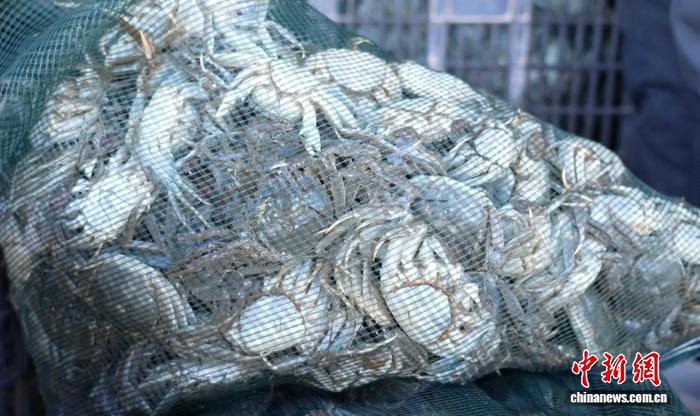
沙漠蟹

Search documents
视频丨从“死亡之海”到“水产绿洲” 解锁新疆“点沙成金”的密码→
Yang Shi Xin Wen Ke Hu Duan· 2025-11-29 13:48
Core Viewpoint - The transformation of the Taklamakan Desert from a "sea of death" to a "green oasis" showcases innovative ecological farming practices in Xinjiang, highlighting the region's adaptive development strategies in the face of environmental challenges [2][17]. Group 1: Ecological Innovations - The introduction of desert plants like "Rou Cong Rong" (a parasitic plant) has led to increased income for local farmers, with an area of 22,900 acres cultivated, generating an annual income of 30,000 to 50,000 yuan per household [8][10]. - The local aquaculture industry has adapted to the saline-alkaline water conditions, producing unique seafood such as local crabs and Australian blue lobsters, which thrive in the desert environment [11][13]. - Advanced agricultural techniques, including vertical soilless cultivation and smart lighting, have enabled the production of 70,000 tons of fruits and vegetables annually in 1,000 greenhouses, significantly reducing costs by 60% to 80% [15][13]. Group 2: Cultural and Economic Development - The ancient village of Daliyabuyi has become a tourist attraction, with over 70,000 visitors this year, as it preserves its original charm while integrating modern amenities [34][32]. - The local economy has diversified, with traditional dishes like "Kumaiqi" made from local sheep, enhancing the culinary appeal for tourists and increasing local incomes [24][26]. - Infrastructure improvements, including new housing and access to utilities, have transformed the living conditions for residents, allowing them to engage in tourism and agriculture simultaneously [30][28]. Group 3: Environmental Restoration Efforts - Local initiatives led by figures like Aisikar Dawuti have resulted in the planting of 12,000 acres of protective forests, creating a green barrier against desert encroachment [41][45]. - The community has adopted a combination of biological and engineering methods for desertification control, successfully establishing 2,800 acres of artificial protective forests and 500 acres of grass grids [56][51]. - The introduction of "desert ginseng" (Rou Cong Rong) cultivation has provided a new revenue stream, with projected earnings of approximately 2,000 yuan per acre, contributing to sustainable economic development [58][61].


从“死亡之海”到“水产绿洲” 解锁新疆“点沙成金”的密码→
Yang Shi Xin Wen Ke Hu Duan· 2025-11-29 12:27
Group 1 - The transformation of the Taklamakan Desert from a "Sea of Death" to an "Aquaculture Oasis" showcases innovative ecological farming practices in Xinjiang, emphasizing local resource utilization and development strategies [1] - The introduction of various desert delicacies, including the unique flavors derived from local products, highlights the successful adaptation of agriculture in arid environments [1][15] - The cultivation of desert plants such as meat corydalis, which thrives on the roots of red willow, has become a significant source of income for local farmers, with an area of 22,900 acres planted, generating an annual income increase of 30,000 to 50,000 yuan per household [6][4] Group 2 - The local aquaculture industry has adapted to the desert environment, producing local crab and Australian blue lobster, with the unique saline-alkaline water contributing to the distinct taste and texture of the seafood [8][10] - Advanced agricultural techniques, including the use of smart greenhouses, have led to a significant increase in vegetable and rice production, with annual yields reaching 70,000 tons and a reduction in rice growth cycles by nearly half [12][13] - The integration of tourism and traditional lifestyles in the ancient village of Daliyabuyi has revitalized the local economy, attracting over 70,000 visitors this year and promoting local culinary traditions [31][29] Group 3 - The ecological restoration efforts in Kashgar's Shache County, including the planting of 12,000 acres of protective forests, aim to combat desertification and protect local communities from sand encroachment [40][41] - The village of Wenaletai Kushi has implemented a combination of biological and engineering methods for sand control, successfully creating over 2,800 acres of artificial protective forests and 500 acres of grass grids [50][55] - The introduction of economic crops such as meat corydalis and other fruits aims to convert ecological benefits into economic gains, with projections indicating stable employment for 29 individuals and temporary jobs for 640, generating an income of 544,000 yuan [60][58]

沙漠“盲盒”开出美味物产 解锁“死亡之海”背后的绿色密码
Yang Shi Wang· 2025-11-29 08:50
Core Viewpoint - The Taklamakan Desert, once considered a barren land, is transforming into a "food oasis" due to desertification control efforts, showcasing a variety of desert delicacies [1] Group 1: Agricultural Developments - The region has successfully cultivated large areas of red willow, which serve as both windbreaks and protectors of valuable resources [3] - The area planted with the desert treasure, Cistanche, has reached 22,900 acres, with each farmer potentially increasing their annual income by 30,000 to 50,000 yuan [5] - The introduction of advanced agricultural techniques, such as vertical soilless cultivation, has significantly reduced the growth cycle of rice by nearly half [9][10] Group 2: Aquaculture Innovations - Local aquaculture has enabled the harvesting of crabs and Australian blue lobsters, providing fresh seafood options for residents [7] - The unique saline-alkali water conditions contribute to the firmer texture and sweeter taste of the seafood, although they also pose challenges for growth [9] Group 3: Culinary Offerings - The region is now producing a variety of fruits and vegetables, with an annual output of 70,000 tons from 1,000 greenhouses, including strawberries, peppers, cucumbers, and cherry tomatoes [9] - Traditional dishes featuring Cistanche, such as Cistanche stewed with lamb and honey Cistanche, are becoming popular, highlighting the local culinary innovations [12] Group 4: Environmental Impact - The transformation of the desert into productive land symbolizes a harmonious coexistence between humans and nature, turning a once barren area into fertile fields and fish farms [15]
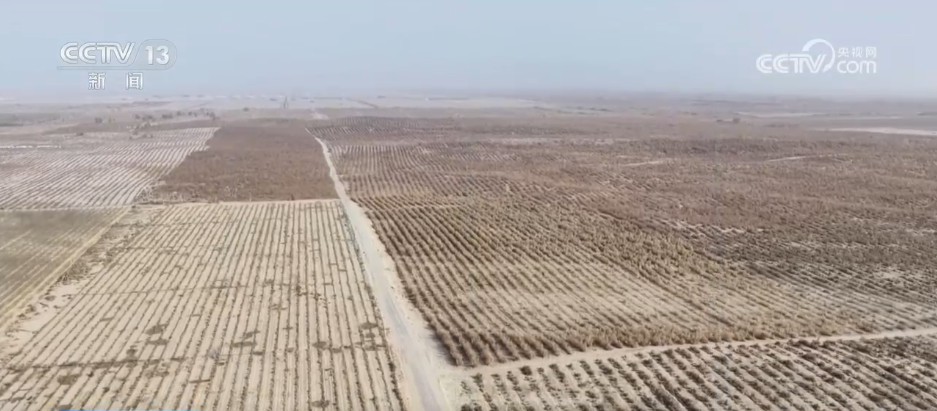
青海都兰产“沙漠蟹”远销沪苏粤
Zhong Guo Xin Wen Wang· 2025-11-19 07:40
Core Insights - The desert crab farming project in Dulan County, Qinghai Province, has successfully harvested 30,000 pounds of "desert crabs," which are now being sold in Jiangsu, Shanghai, and Guangdong [1][2]. Group 1: Project Overview - The Xiaobaidan Desert Aquaculture Base has transformed a previously barren area into a productive site with over 10 aquaculture ponds [2][5]. - The project utilizes glacial water from the Kunlun Mountains, which enhances the quality and flavor of the crabs [5]. Group 2: Economic Impact - Local villagers, such as Li Yong, have benefited economically, earning over 2,000 yuan per month from working at the crab farm while also managing livestock [6]. - The Dulan County government plans to expand private aquaculture and develop a model integrating research institutions, farms, cooperatives, and farmers [6]. Group 3: Future Development - There are plans to explore integrated farming techniques with other species like South American white shrimp and clams, aiming to extend the industry chain [6]. - The project will also incorporate tourism by creating a "desert crab sightseeing experience," promoting ecological farming alongside rural tourism [6].