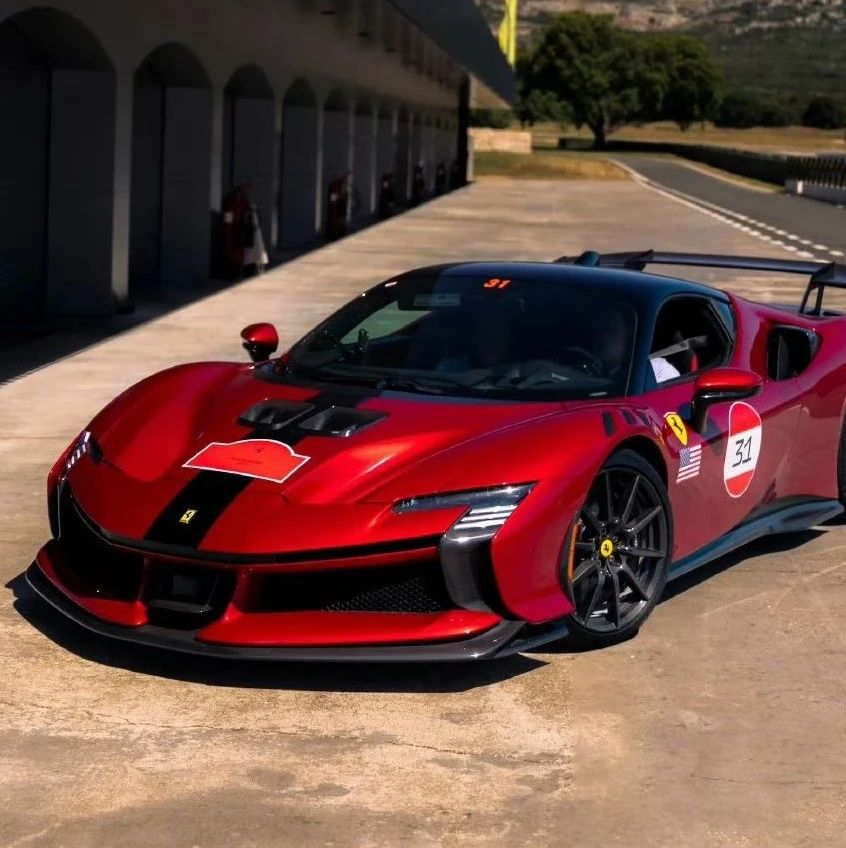
法拉利296

Search documents
现在开进口车只剩下面子了吗?
3 6 Ke· 2025-08-22 08:47
Core Insights - The shift in consumer preferences towards domestic vehicles is evident as over 50% of new energy vehicles penetrate the market, with consumers prioritizing driving experience and cost-effectiveness [1] - Despite the rise of domestic cars, over 270,000 consumers still opted for imported vehicles in the first half of the year, indicating a sustained interest in luxury imports [1][3] - Luxury imported car buyers are motivated by the "irreplaceable scarcity value," seeking unique experiences and brand prestige that domestic new energy vehicles currently cannot provide [3][5] Consumer Behavior - Buyers of luxury imported cars, such as Bentley and Ferrari, emphasize the importance of craftsmanship, exclusive services, and brand heritage, which they feel are lacking in domestic alternatives [5][7] - The perception of imported cars as status symbols remains strong, with many consumers believing that owning such vehicles enhances their business credibility and personal image [7][9] - A significant portion of luxury car buyers are collectors or enthusiasts, often owning multiple vehicles, and they view imported cars as essential for both personal enjoyment and social status [9][11] Market Dynamics - The luxury imported car market is increasingly characterized by consumers who prioritize emotional connections and brand loyalty over practicality, with many expressing a deep-seated passion for specific brands [13][15] - The demand for unique and personalized features in imported vehicles is evident, as consumers are willing to pay a premium for customization options that domestic new energy vehicles struggle to match [15][17] - The market for imported cars is expected to narrow down to ultra-luxury segments and niche models, as domestic vehicles continue to improve in technology and service offerings [19][21] Challenges for Imported Brands - Imported car brands face challenges in adapting to the rising expectations for smart technology and after-sales service, with many consumers expressing dissatisfaction with the current offerings [21][23] - There is a growing trend of consumers reevaluating their choices based on price and value, leading some to switch to domestic brands that offer better configurations and quality at similar price points [23][25] - Imported brands are beginning to recognize the need for localization and electrification, with plans to introduce new energy products tailored to Chinese consumer preferences in the coming years [25]

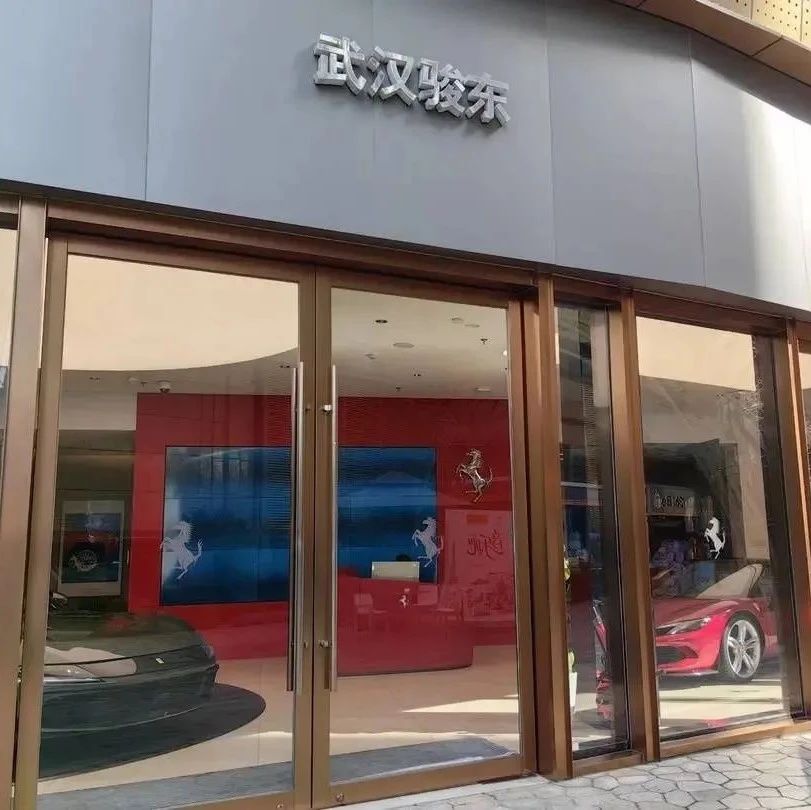
买法拉利3年提不了车,店家:想退款先帮卖车
盐财经· 2025-06-21 09:50
Core Viewpoint - Multiple customers of Wuhan Jun Dong Automobile Sales Company have reported issues with delayed delivery and refunds for their Ferrari orders, indicating potential financial difficulties within the dealership and its parent company [2][11]. Group 1: Customer Experiences - Customers, including Mr. Zhao and Mr. Li, have faced significant delays in receiving their ordered Ferrari vehicles, with some waiting since 2022 and 2023, and have not received promised refunds despite signing refund agreements [4][5][11]. - The dealership's management has acknowledged the inability to deliver vehicles and has suggested customers help sell cars to expedite their refunds, highlighting a lack of operational liquidity [7][11]. Group 2: Company Financial Issues - The dealership's parent company, Yuntian (China) Investment Co., Ltd., is experiencing financial difficulties, leading to delayed payments to employees and customers [11][12]. - The company has been involved in multiple legal issues, including forced executions and tax penalties across various locations, indicating broader financial instability within the "Jun" series dealerships [17][18]. Group 3: Industry Context - Yuntian (China) Investment Co., Ltd. is a subsidiary of the Hong Kong Chow Tai Fook Group, which has been an authorized dealer for Ferrari and Maserati in China since 2005, suggesting a once-stable position in the luxury automotive market [14]. - The ongoing issues faced by customers at "Jun" series dealerships reflect a troubling trend in the luxury car market, where financial mismanagement can lead to significant customer dissatisfaction and potential reputational damage [18].
买法拉利3年提不了车,店家:想退款先帮卖车,一辆卖500万!最新回应
21世纪经济报道· 2025-06-20 04:48
Core Viewpoint - Multiple customers of Wuhan Jun Dong Automotive Sales Company have reported issues with delayed vehicle deliveries and unfulfilled refund agreements, raising concerns about the company's financial stability and operational practices [1][4][10]. Group 1: Customer Experiences - Customers have been waiting for vehicle deliveries since 2022 and 2023, with some signing refund agreements in 2024 but not receiving their refunds [1][4]. - One customer, Mr. Zhao, paid a deposit of 4 million yuan (approximately 400 million) and has been unable to receive his vehicle or refund [4]. - Another customer, Mr. Li, has not received a vehicle allocation despite paying a deposit and has had to travel back to Wuhan to pursue his refund [6]. Group 2: Company Financial Issues - The store manager admitted that the company is facing financial difficulties, with funds being withdrawn by the parent company, Yuntian (China) Investment Co., Ltd., leading to operational challenges [8][9]. - The store has delayed payments to employees and is struggling to manage debts, with five customers still awaiting refunds [9][10]. - The company has suggested that customers send legal notices to escalate their refund requests, although this has been described as having limited effectiveness [9][10]. Group 3: Corporate Background - Yuntian (China) Investment Co., Ltd. is a subsidiary of the Hong Kong Chow Tai Fook Group, which has been an authorized dealer for Ferrari and Maserati in China since 2005 [11]. - The company operates multiple dealerships under the "Jun" brand across various cities, including Wuhan, Hangzhou, and Chengdu, and has faced legal and tax issues in several locations [14][15]. - There have been numerous reports on social media from customers experiencing similar issues with vehicle delivery and refunds at "Jun" brand dealerships [15].

增持回购、暂停出口,全球车企多措反击美国加征关税
Bei Ke Cai Jing· 2025-04-11 04:11
Core Viewpoint - The article discusses the impact of U.S. tariffs on the automotive industry, highlighting that Chinese automakers are optimistic about the domestic market while international companies are responding with export suspensions and price increases. Group 1: Impact of Tariffs on Chinese and International Automakers - Chinese automotive exports to the U.S. account for only 1.81% of total exports, indicating minimal impact from U.S. tariffs [1][10] - Experts believe that the long-term negative effects of the tariff war will be greater for the U.S. than for China, potentially opening opportunities for trade and investment cooperation between China and regions like the EU and Japan [1][12] - The China Automotive Dealers Association states that the impact of U.S. tariffs on Chinese automakers will be limited due to the small volume of exports [11][12] Group 2: Actions Taken by Chinese Automakers - Major Chinese automakers like China FAW and Dongfeng are increasing share buybacks to bolster market confidence, with Dongfeng having completed over 2 billion yuan in buybacks [2][3] - GAC Group also plans to accelerate its share repurchase program, citing strong economic resilience and potential [2] Group 3: International Automakers' Responses - Audi has suspended all exports to the U.S., affecting vehicles arriving after April 2, while maintaining a two-month inventory for dealers [5] - Jaguar Land Rover announced a one-month suspension of exports to the U.S. starting April 7 [6] - Volkswagen has halted rail transport of vehicles from Mexico to the U.S. and is temporarily holding cars arriving from Europe [7] - Stellantis is laying off 900 employees and temporarily shutting down some factories in the U.S. due to tariff impacts [8] Group 4: Future Opportunities for Chinese Automakers - The tariff policy may encourage Chinese brands to focus on emerging markets in North America, Southeast Asia, and Europe [13] - The current trade environment may provide Chinese electric vehicles with greater opportunities in international markets, leveraging China's advantages in the electric vehicle supply chain [13]