
保时捷718

Search documents
豪车“印钞机”熄火?保时捷销量暴跌10%,中国市场四连降
Ge Long Hui· 2026-01-18 06:28
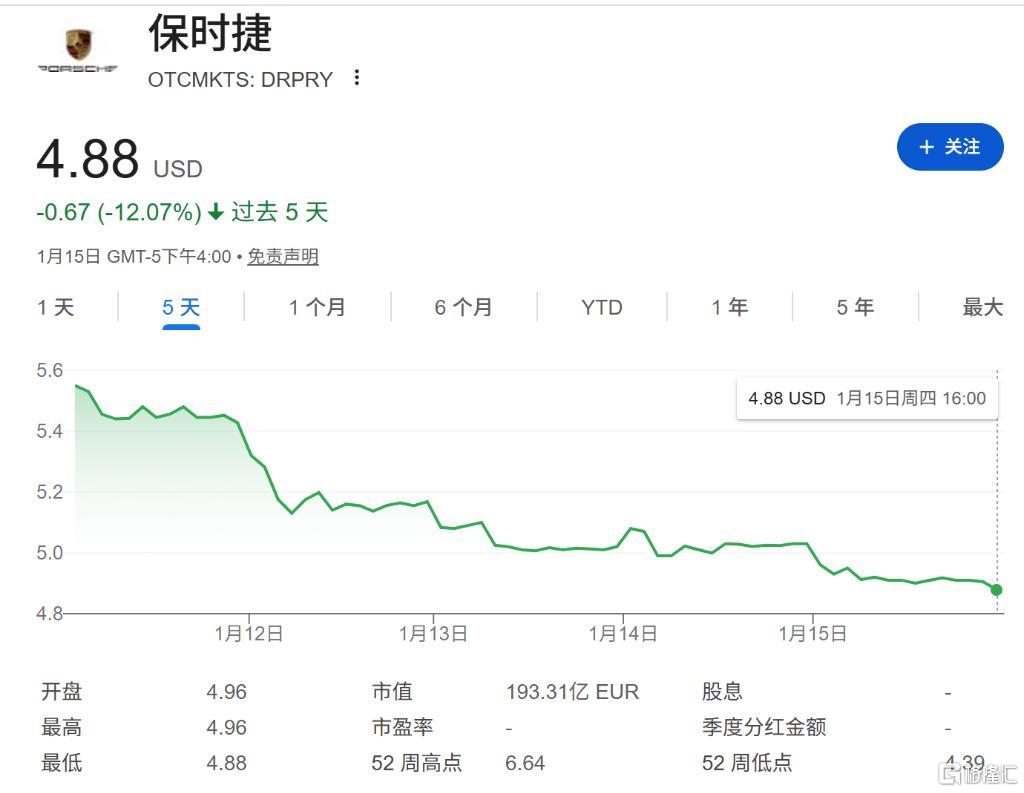
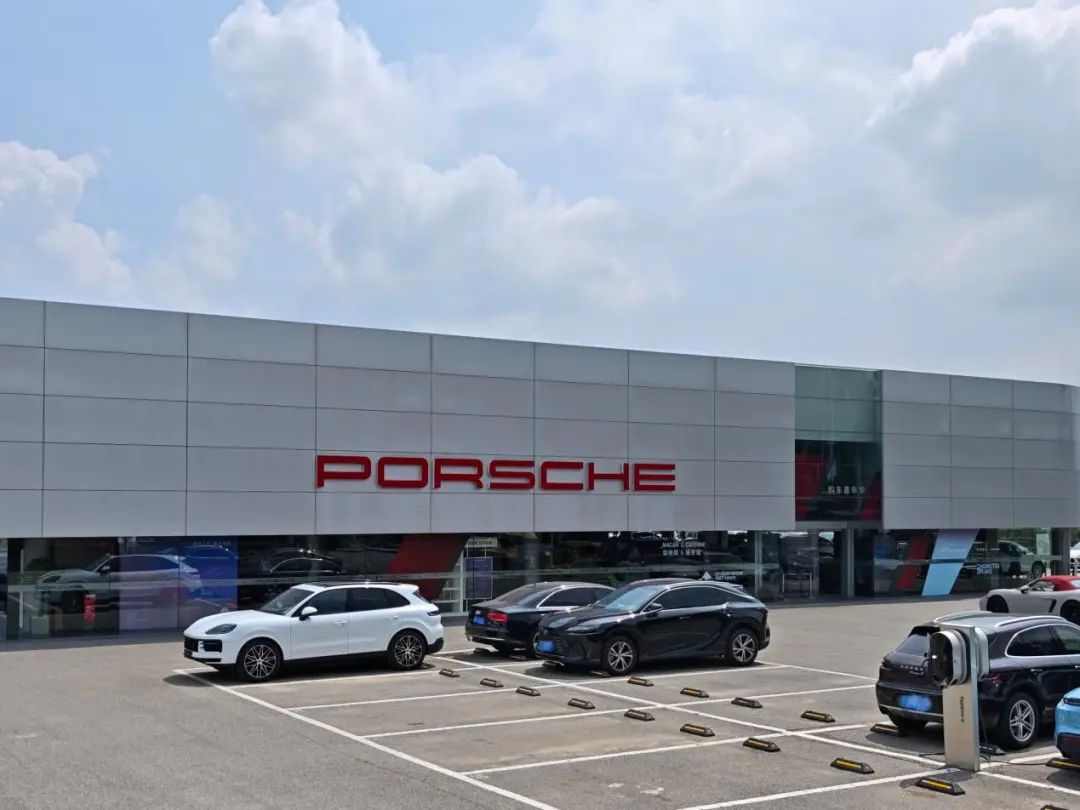
Core Viewpoint - Porsche, once considered a "money printing machine" in the luxury car market, is currently facing unprecedented challenges, with a significant decline in global deliveries and stock price pressure [1][3]. Sales Performance - In 2025, Porsche's global deliveries totaled 279,449 units, a 10% decrease from 310,718 units in 2024 [3][4]. - The most significant decline occurred in the Chinese market, where deliveries fell to 41,938 units, down 26% year-over-year [4][5]. - Sales in the German market dropped by 16% to 29,968 units, while sales in the rest of Europe decreased by 13% to 66,340 units [4][5]. - North America remained Porsche's largest single market, with sales of 86,229 units, showing no significant change compared to the previous year [4]. Market Challenges - The decline in sales is attributed to several factors, including a lack of competitive products in the luxury segment and increased competition from domestic brands in China [5][6]. - Porsche's sales director, Matthias Becker, indicated that the company is facing challenges due to a product line gap, particularly with the 718 and Macan fuel models, and a sustained weak demand for high-end products in China [5][6]. - The company has also been impacted by tariffs on imported cars in the U.S., which have affected profitability [3]. Strategic Adjustments - Porsche plans to close approximately 200 self-built charging stations in China starting March 2026, reflecting the company's struggle in the Chinese market [6][8]. - The company is also considering reducing the number of 4S stores in China to 80, indicating a significant shift in its operational strategy [8]. - Porsche aims to accelerate its electrification strategy, targeting over 80% of new vehicles to be electric by 2030, while continuing to produce existing fuel models until the 2030s [8].

玛莎拉蒂给进口豪车上了一课
Jin Rong Jie· 2025-12-23 23:18
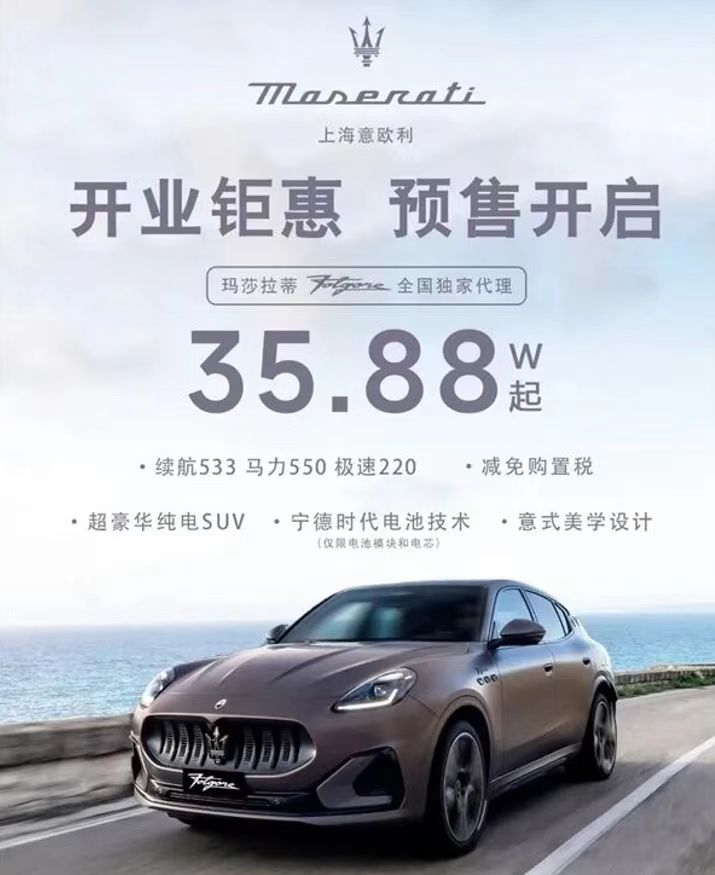
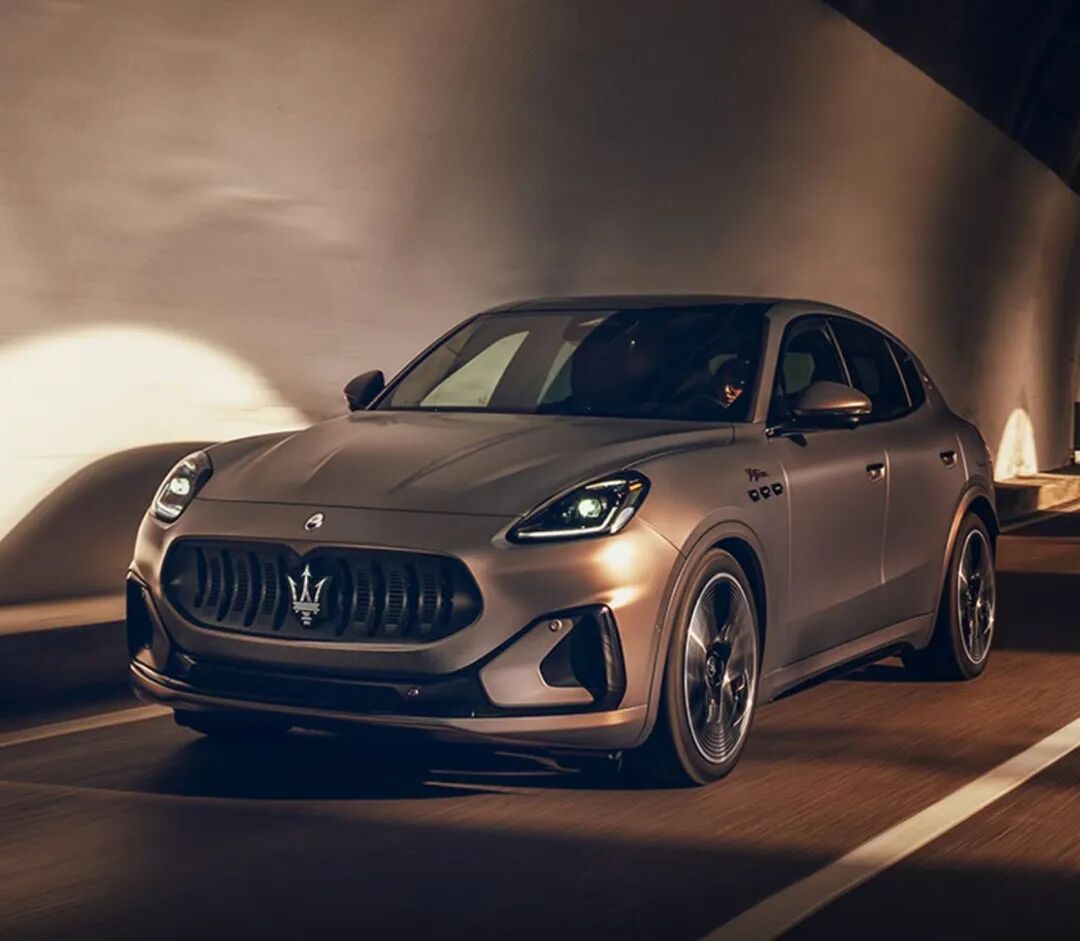
Core Viewpoint - Maserati has initiated significant price reductions across various models, aiming to clear inventory and boost sales amid declining demand in the Chinese market [1][3][5]. Group 1: Price Reductions - Maserati's Grecale fuel version, originally priced at 650,800 yuan, is now available for 388,800 yuan, representing a discount of over 260,000 yuan, or approximately 60% off [1]. - The electric version of the Grecale has seen an even larger discount, dropping from 898,800 yuan to 358,800 yuan, a reduction of 540,000 yuan, or about 40% off [1]. Group 2: Sales Performance - A Shanghai Maserati dealer reported unprecedented demand, with customers queuing to purchase the discounted Grecale, leading to rapid sales depletion within two days [3]. - Maserati's sales in China for the first nine months of the year totaled 1,023 units, reflecting a year-on-year decline of 3% [3]. - Historical sales data shows a downward trend from 4,787 units in 2020 to an expected 1,228 units in 2024 [3]. Group 3: Market Implications - The price cuts are seen as a challenge to Maserati's brand value and exclusivity, with concerns that failure to reduce prices could further harm sales and brand viability [5]. - Stellantis reported a global shipment of 1,800 Maserati vehicles in Q3, down 14.3% year-on-year, with net revenue of 18.8 million euros, a decrease of 3.6% [5]. - The trend of price reductions may signal a broader shift in the luxury car market, as other brands like Porsche are also offering significant discounts [5][7].
价格打“骨折”,曾“高攀不起”的进口豪车,找中国车企“求带”
Mei Ri Jing Ji Xin Wen· 2025-12-19 12:44
Core Viewpoint - The imported luxury car market in China is experiencing significant price reductions and declining sales, with domestic brands gaining market share and competitiveness [1][5][7]. Group 1: Price Reductions - Maserati's Grecale model, once priced around 900,000 yuan, is now available for as low as 358,800 yuan, reflecting a discount of over 60% [1][2]. - Aston Martin's DBX model has seen its price drop from 2,448,000 yuan to between 1,600,000 and 1,700,000 yuan, equating to a discount of approximately 35% [3]. - Porsche's 718 model is being offered at a significant discount, with prices as low as 50,000 yuan after adjustments [4]. Group 2: Market Trends - The imported car market in China has seen a decline from 1.43 million units in 2014 to 400,000 units in 2025, marking a 30% year-on-year decrease [5][6]. - Maserati's sales in China have plummeted from 14,400 units in 2017 to just 1,228 units in 2024, a drop of over 70% [5]. - The overall luxury car market is under pressure, with domestic brands capturing 68.5% of the passenger car market share in the first half of 2025, up 6.6 percentage points year-on-year [7][8]. Group 3: Competitive Landscape - Domestic high-end brands are increasingly competitive, offering better technology and features at similar price points, which is impacting the sales of imported luxury vehicles [7][8]. - The shift in consumer preferences towards domestic brands is evident, as they provide more intelligent and higher-configured products compared to traditional imported luxury cars [8][9]. - Foreign luxury brands are adapting by integrating into local supply chains and developing models specifically for the Chinese market, such as BMW and Mercedes-Benz's new production plans [10][11].
进口豪车干不过中国车了,价格打“骨折”!30多万元买玛莎拉蒂,六五折买阿斯顿·马丁!曾“高攀不起”的进口豪车,找中国车企“求带”
Mei Ri Jing Ji Xin Wen· 2025-12-19 10:47
Group 1 - The luxury car market in China is experiencing significant price reductions, with brands like Maserati and Aston Martin offering substantial discounts on their models [1][3][5] - Maserati's Grecale electric SUV has seen its price drop from nearly 900,000 yuan to as low as 358,800 yuan, representing a discount of over 60% [1] - Aston Martin's DBX model is now priced between 1.6 million to 1.7 million yuan, down from a guide price of 2.448 million yuan, effectively a 35% discount [5] Group 2 - The overall import car market in China has been declining, with a reported 30% drop in imported vehicles from January to October 2025, marking the largest year-on-year decline in recent years [8][10] - Maserati's sales in China have plummeted over 70% from its peak in 2017, with only 1,228 units sold in 2024 [9] - The luxury car segment is facing increased competition from domestic brands, which have gained significant market share, particularly in the high-end segment [12][15] Group 3 - The market share of high-end vehicles priced over 300,000 yuan has decreased from 15% in 2017 to 13% in 2025, indicating a shift in consumer preferences [12] - Domestic brands are increasingly preferred due to their cost advantages and rapid improvements in product quality, impacting the sales of imported luxury vehicles [15][19] - Foreign luxury brands are now focusing on adapting to the Chinese market by enhancing their product offerings and integrating into local supply chains [17][19]
718现车猛降近20万元,保时捷利润下跌近99%后:纯电放缓,努力卖燃油车?
3 6 Ke· 2025-12-17 00:25
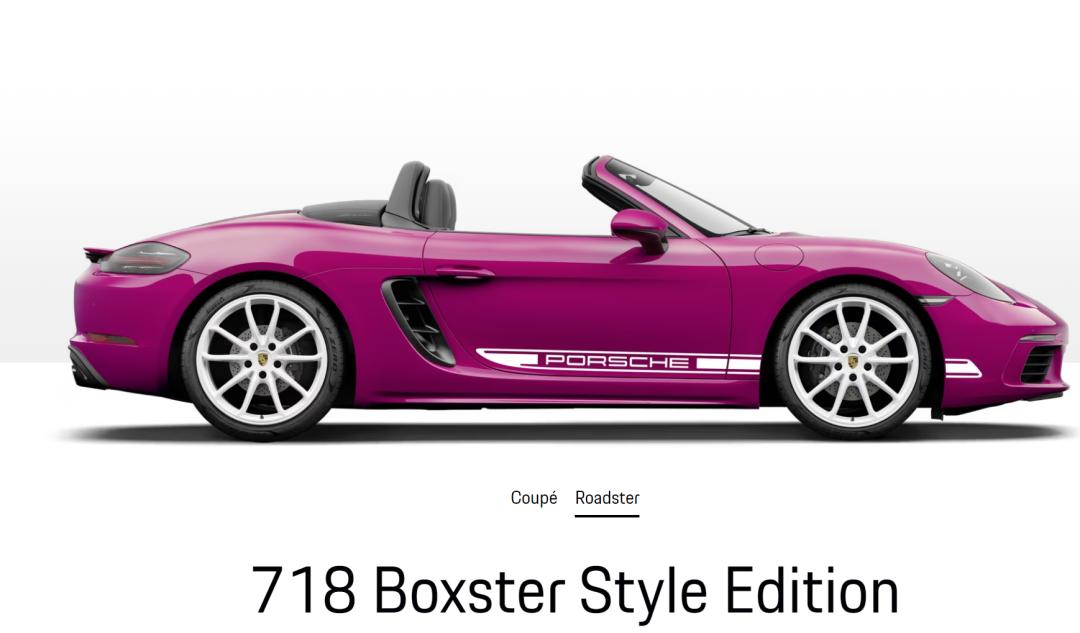
Core Viewpoint - Porsche is adjusting its strategy by continuing to offer fuel-powered models like the 718 series, as the electric vehicle (EV) transition has not met expectations, leading to a delay in the launch of new electric models [4][10]. Group 1: Sales and Pricing - The current price for the Porsche 718 is 741,900 yuan, with a discount of 25% (7.5折), resulting in a direct reduction of 185,500 yuan [1]. - The sales personnel indicated that the 718 Boxster Style Edition is the latest fuel version and cannot be customized due to its impending discontinuation [1]. - Porsche's sales in China have significantly declined, with a drop of 26% year-on-year, selling only 32,195 units compared to 43,280 units in the previous year [8]. Group 2: Electric Vehicle Strategy - Porsche's electric vehicle rollout has been slow, with only 27% of new car deliveries being electric in 2024, despite ambitious targets of over 50% by 2025 and 80% by 2030 [6]. - The company has announced delays in the launch of certain electric models, including the next-generation 718 series, which will continue to use fuel engines [4][10]. - The electric platform originally planned for the 2030s is being restructured in collaboration with other brands under the Volkswagen Group [4]. Group 3: Financial Performance - Porsche's revenue for the first three quarters of 2025 was 26.864 billion euros, down 6% from 28.564 billion euros in the same period the previous year [8]. - The operating profit plummeted nearly 99%, falling to 40 million euros from 4.035 billion euros year-on-year [9]. - The decline in sales and profits is attributed to increased competition from domestic brands in China, which has affected consumer preferences [8][10]. Group 4: Strategic Adjustments - Porsche is undergoing organizational changes and product strategy upgrades to adapt to significant market shifts in its core markets, the U.S. and China [10]. - The company plans to extend the lifecycle of existing fuel models and introduce new internal combustion engine vehicles, while delaying the electric platform development timeline [12]. - Analysts believe that returning to fuel vehicles may help Porsche regain consumer confidence and differentiate itself in a competitive market [12][13].
“十几万就能开上保时捷”,年轻人盯上二手豪车
Di Yi Cai Jing· 2025-11-17 08:05
Core Insights - The second-hand luxury car market is experiencing significant price drops, with average transaction prices decreasing by over 16% year-on-year in the first nine months of the year, surpassing declines in domestic and joint venture brands [1][2] - The trend of "three years at half price" for second-hand luxury cars has become common, attracting younger buyers who are drawn to the affordability of high-end brands [2][3] - Despite the lower purchase prices, the high maintenance and operating costs of luxury vehicles have led to concerns about affordability, with many buyers finding they can afford the car but struggle with ongoing expenses [2][13] Market Trends - The proportion of 90s buyers in the second-hand luxury car market has increased from 23% in 2019 to 47% in 2024, indicating a growing interest among younger consumers [2] - Popular models like the Porsche Macan and Panamera are seeing significant price reductions, with some models selling for less than 30% of their original prices [3][4] - The competitive landscape has intensified, with dealers facing pressure to price vehicles competitively, leading to thin profit margins on popular models [4][5] Pricing Dynamics - The price of second-hand luxury cars is closely tied to the new car market, with significant discounts on new models leading to accelerated depreciation of used vehicles [7][14] - The highest resale value among luxury brands is held by Porsche, with a three-year depreciation rate of 33.8%, while brands like Infiniti have seen values drop to as low as 36.5% [6][12] - The market for second-hand electric luxury cars is volatile, with prices fluctuating rapidly due to brand perception and market sentiment [8][10] Consumer Behavior - High-net-worth individuals are still the primary buyers of high-end luxury cars, focusing on vehicle condition and rarity rather than ongoing costs [13] - There is a growing segment of consumers looking for affordable luxury options, with many second-hand luxury cars priced below 200,000 yuan, appealing to budget-conscious buyers [13][14] - The high operating costs associated with luxury vehicles, including fuel and maintenance, are becoming a significant concern for potential buyers [13][15]
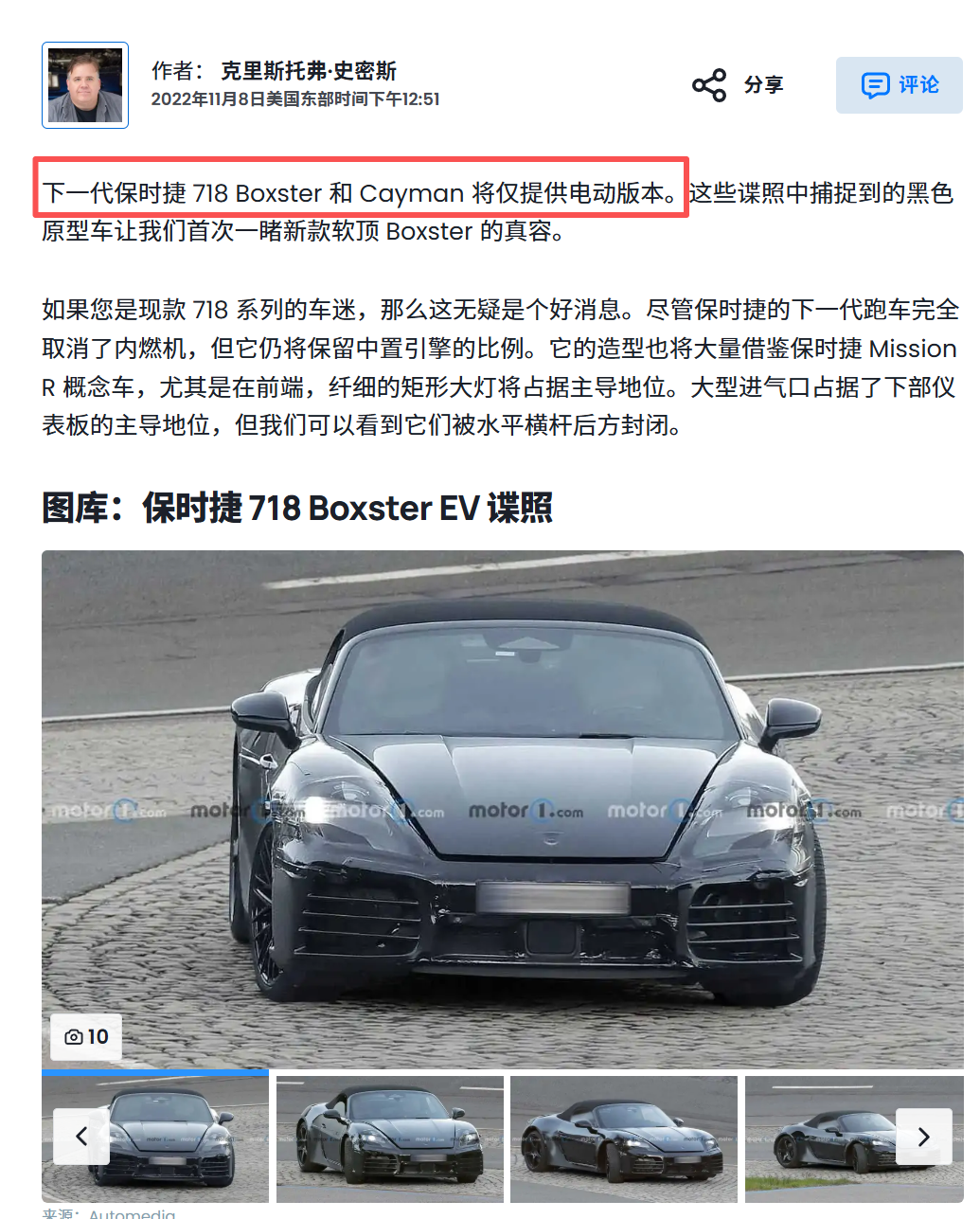
保时捷718不卖了,小网红们又要找新的座驾了
Hu Xiu· 2025-09-06 00:10
Core Viewpoint - Porsche's 718 gasoline version will be discontinued in October 2025, transitioning to an electric model, which may impact its current market appeal and customer base [4][42]. Group 1: Discontinuation of 718 - Porsche's 718 gasoline version will cease production in October 2025, as confirmed by Albrecht Reimold [4]. - Existing orders for the 718 will still be fulfilled, but new orders will be difficult to place after the discontinuation [5]. - The future 718 model is expected to follow the electric vehicle trend, similar to the Taycan [6]. Group 2: Market Position and Appeal - The 718 is considered an entry-level sports car for Porsche, but its performance and specifications may not attract wealthy buyers or those seeking value [11][12]. - The 718 has been popular among social media influencers and micro-business owners, often seen as a status symbol rather than a performance vehicle [16][18]. - The car's design and performance characteristics, such as its mid-engine layout and flat-six engine, contribute to its appeal, despite its mixed reputation [21][25]. Group 3: Historical Context and Financial Implications - The 718 name has historical significance, originating from the 718 RSK race car, and has been crucial for Porsche's financial recovery in the past [22][35]. - The introduction of the 718 aimed to reduce production costs by sharing components with the 911, making it more affordable [33]. - The 718's production was also a response to financial difficulties faced by Porsche in the early 1990s, where losses reached 2.4 billion German Marks (approximately 10 billion RMB) [31]. Group 4: Regulatory and Technological Challenges - New EU regulations on cybersecurity (UN R155) pose challenges for older gasoline models like the 718, as their electronic architecture does not meet the new standards [37][39]. - The cost of updating the 718's systems to comply with these regulations is nearly equivalent to developing a new vehicle, leading to the decision to discontinue the model [40]. - The shift to electric vehicles is seen as a necessary evolution for Porsche to remain competitive in the automotive market [51].
现在开进口车只剩下面子了吗?
3 6 Ke· 2025-08-22 08:47
Core Insights - The shift in consumer preferences towards domestic vehicles is evident as over 50% of new energy vehicles penetrate the market, with consumers prioritizing driving experience and cost-effectiveness [1] - Despite the rise of domestic cars, over 270,000 consumers still opted for imported vehicles in the first half of the year, indicating a sustained interest in luxury imports [1][3] - Luxury imported car buyers are motivated by the "irreplaceable scarcity value," seeking unique experiences and brand prestige that domestic new energy vehicles currently cannot provide [3][5] Consumer Behavior - Buyers of luxury imported cars, such as Bentley and Ferrari, emphasize the importance of craftsmanship, exclusive services, and brand heritage, which they feel are lacking in domestic alternatives [5][7] - The perception of imported cars as status symbols remains strong, with many consumers believing that owning such vehicles enhances their business credibility and personal image [7][9] - A significant portion of luxury car buyers are collectors or enthusiasts, often owning multiple vehicles, and they view imported cars as essential for both personal enjoyment and social status [9][11] Market Dynamics - The luxury imported car market is increasingly characterized by consumers who prioritize emotional connections and brand loyalty over practicality, with many expressing a deep-seated passion for specific brands [13][15] - The demand for unique and personalized features in imported vehicles is evident, as consumers are willing to pay a premium for customization options that domestic new energy vehicles struggle to match [15][17] - The market for imported cars is expected to narrow down to ultra-luxury segments and niche models, as domestic vehicles continue to improve in technology and service offerings [19][21] Challenges for Imported Brands - Imported car brands face challenges in adapting to the rising expectations for smart technology and after-sales service, with many consumers expressing dissatisfaction with the current offerings [21][23] - There is a growing trend of consumers reevaluating their choices based on price and value, leading some to switch to domestic brands that offer better configurations and quality at similar price points [23][25] - Imported brands are beginning to recognize the need for localization and electrification, with plans to introduce new energy products tailored to Chinese consumer preferences in the coming years [25]
电车保值率逆袭?新能源车价值战再升级
Hu Xiu· 2025-08-11 08:35
Core Insights - The depreciation rate of new energy vehicles (NEVs) is expected to improve significantly, with the Xiaomi SU7 achieving a resale value comparable to that of the Porsche 718 during its peak three-year period [1] Group 1 - The five-year depreciation rate for NEVs has been less than 10%, indicating a challenging market for resale value [1] - The Xiaomi SU7, after one year on the market, has demonstrated a resale value that aligns closely with high-end vehicles, suggesting a shift in consumer perception and market dynamics for NEVs [1] - The article raises the question of whether the NEV market is entering a new phase of improved resale values, indicating potential positive trends for the industry [1]