法拉利SF90

Search documents
中国品牌掘金超跑市场
Zhong Guo Qi Che Bao Wang· 2025-08-22 11:18
Core Viewpoint - The supercar market is undergoing a significant transformation, with Chinese brands emerging as challengers against the long-standing dominance of European brands in the high-end automotive sector [2][3][11] Market Landscape - The global supercar market has been historically centered around European brands like Ferrari, Lamborghini, and Porsche, which have established strong market barriers through technology, brand recognition, and supply chain control [3][4] - In 2024, the top 10 supercars in China priced over 1 million yuan sold a total of 4,219 units, with European brands accounting for over 90% of both brand and sales statistics [3] Technological Advancements - Chinese brands are exploring diverse paths in the supercar sector, achieving breakthroughs in both electric and fuel-powered vehicles [3][4] - NIO's EP9 set a record at the Nürburgring with a time of 6 minutes and 45.90 seconds, while BYD's Yangwang U9 has begun mass production, showcasing the feasibility of "overtaking" in the high-end electric supercar market [3][4] - Great Wall Motors is developing a hybrid supercar with a 4.0T V8 engine and electric motor, achieving a combined power of 1,000 horsepower and a 0-100 km/h acceleration time of under 2.5 seconds [4] Industrial Foundation - Chinese brands have made significant advancements in core technology, enabling self-research and development of key components, which supports the industrialization of supercars [5][6] - Great Wall's 4.0T V8 engine boasts a thermal efficiency of 38.5%, while BYD's blade battery achieves an energy density of 180 Wh/kg, enhancing safety and charging capabilities [5][6] Cost and Supply Chain Advantages - Chinese brands benefit from a complete electric vehicle supply chain, with core components costing 30%-40% less than those of European brands, allowing for lower production costs for electric supercars [7] - The upcoming luxury car tax adjustment in China may initially pressure high-end markets but could ultimately foster technological upgrades and enhance brand recognition for domestic brands [8] Marketing and Brand Strategy - Chinese brands are investing in marketing innovations and global positioning to build a unique brand ecosystem, with NIO and Great Wall Motors focusing on experiential marketing to enhance brand perception [9][10] - The strategic value of supercars extends beyond direct sales, as they serve as brand symbols that elevate overall brand equity and profitability [8][10] Challenges and Future Outlook - Despite advancements, Chinese brands face challenges in brand recognition, cost control, and service systems, which require long-term efforts to transition from technical advantages to ecological advantages [10] - The future of the global supercar market is expected to integrate electrification, intelligence, and sustainability, providing greater opportunities for Chinese brands to redefine their roles and establish new market standards [11]



不只对标法拉利?长城汽车启动超豪车BG品牌招标工作,要求投标主体“一周内到岗”
Mei Ri Jing Ji Xin Wen· 2025-08-15 10:06
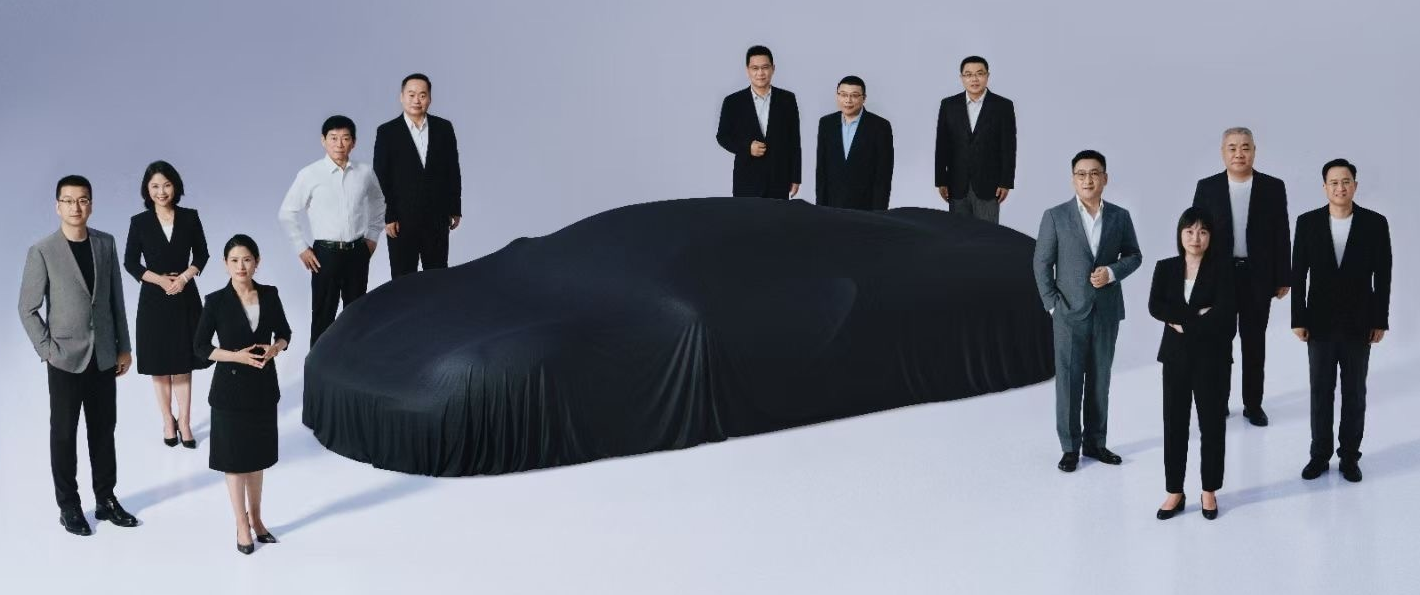
Core Insights - Great Wall Motors is actively developing its ultra-luxury brand, with a recent tender announcement for suppliers to assist in building the brand [1][2] - The ultra-luxury brand is still in the early stages of development, focusing on brand positioning and product naming [2] - The brand's leadership includes Chairman Wei Jianjun, CEO Song Dongxian, and CTO Zhang Xiaobo, with a focus on a "dual-core" organizational structure [2][4] Brand Development - The ultra-luxury brand is expected to feature a hybrid powertrain, combining a 4.0T V8 twin-turbo engine with an electric motor, targeting around 1000 horsepower and a 0-100 km/h acceleration time of under 2.5 seconds [3] - The brand aims to compete not only with Ferrari but also with other high-end brands like Rolls-Royce, Porsche, and Lamborghini, as indicated by the tender requirements for suppliers [3][4] Supplier Requirements - The tender specifies that suppliers must have at least three core team members with over eight years of experience in the ultra-luxury or luxury goods sector, along with unique strategies targeting high-net-worth individuals [4] - The company emphasizes a "high quality, small batch" philosophy, indicating a significant departure from mass production practices [4] Market Context - Great Wall Motors is eager to enter the ultra-luxury market, reflecting a shift in Chinese consumer perceptions of luxury vehicles [5] - At least seven domestic brands have recently targeted the million-yuan luxury car market, indicating a growing trend among Chinese manufacturers to establish credibility in high-end automotive production [5]

增持回购、暂停出口,全球车企多措反击美国加征关税
Bei Ke Cai Jing· 2025-04-11 04:11
Core Viewpoint - The article discusses the impact of U.S. tariffs on the automotive industry, highlighting that Chinese automakers are optimistic about the domestic market while international companies are responding with export suspensions and price increases. Group 1: Impact of Tariffs on Chinese and International Automakers - Chinese automotive exports to the U.S. account for only 1.81% of total exports, indicating minimal impact from U.S. tariffs [1][10] - Experts believe that the long-term negative effects of the tariff war will be greater for the U.S. than for China, potentially opening opportunities for trade and investment cooperation between China and regions like the EU and Japan [1][12] - The China Automotive Dealers Association states that the impact of U.S. tariffs on Chinese automakers will be limited due to the small volume of exports [11][12] Group 2: Actions Taken by Chinese Automakers - Major Chinese automakers like China FAW and Dongfeng are increasing share buybacks to bolster market confidence, with Dongfeng having completed over 2 billion yuan in buybacks [2][3] - GAC Group also plans to accelerate its share repurchase program, citing strong economic resilience and potential [2] Group 3: International Automakers' Responses - Audi has suspended all exports to the U.S., affecting vehicles arriving after April 2, while maintaining a two-month inventory for dealers [5] - Jaguar Land Rover announced a one-month suspension of exports to the U.S. starting April 7 [6] - Volkswagen has halted rail transport of vehicles from Mexico to the U.S. and is temporarily holding cars arriving from Europe [7] - Stellantis is laying off 900 employees and temporarily shutting down some factories in the U.S. due to tariff impacts [8] Group 4: Future Opportunities for Chinese Automakers - The tariff policy may encourage Chinese brands to focus on emerging markets in North America, Southeast Asia, and Europe [13] - The current trade environment may provide Chinese electric vehicles with greater opportunities in international markets, leveraging China's advantages in the electric vehicle supply chain [13]