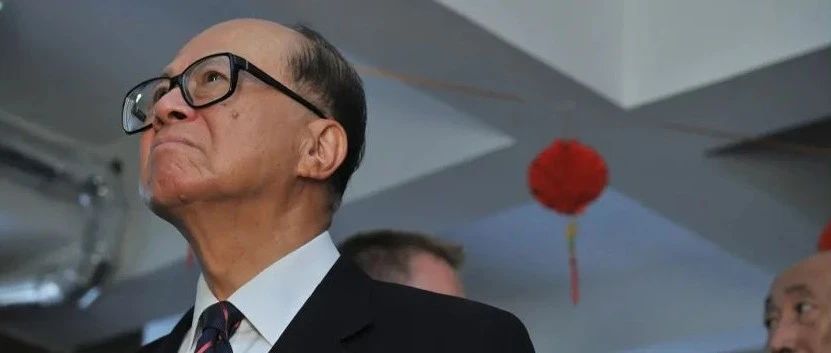
港口经营权

Search documents
突发!李嘉诚海外投资“载了”
Sou Hu Cai Jing· 2026-02-24 13:46
Core Viewpoint - Li Ka-shing, a prominent business figure and Hong Kong's richest man, faces a significant crisis as the Panamanian government forcibly takes control of two ports operated by his company, Cheung Kong Holdings, highlighting the challenges of international business in a politically charged environment [1][4][9]. Group 1: Company Overview - Li Ka-shing's wealth is estimated at $45.1 billion (approximately HKD 351.78 billion), reaffirming his status as Hong Kong's richest individual [1]. - Cheung Kong Holdings has a diversified portfolio, including real estate, ports, retail, energy, and telecommunications, with operations in over 50 countries [1][17]. - The company has faced a significant setback with the Panamanian government's takeover of the Balboa and Cristobal ports, which are crucial for global trade [4][8]. Group 2: Industry Context - The Panama Canal is a vital trade route, accounting for 6% of global maritime trade, making control over its ports strategically important [5]. - The U.S. has expressed concerns over foreign control of the Panama Canal, indicating geopolitical tensions that can impact international business operations [6][7]. - The recent actions by the Panamanian government reflect a broader trend where national interests can override international business agreements, posing risks for foreign investors [11][12]. Group 3: Financial Impact - Following the announcement of the port takeover, Cheung Kong Holdings' stock price fell by 2.65%, closing at HKD 62.55 per share, with a total market capitalization of HKD 239.6 billion [9]. - The company's previous successes in asset management and investment strategies may be challenged by the current geopolitical climate, affecting future operations and profitability [7][12]. Group 4: Historical Background - Li Ka-shing's business journey began in the 1960s, with significant investments in Hong Kong's real estate market, leading to the establishment of a vast business empire [14][17]. - His strategic acquisitions, such as the control of Hutchison Whampoa and investments in various sectors, have contributed to his wealth accumulation over decades [14][17]. Group 5: Future Outlook - The current crisis may force Li Ka-shing to reassess his investment strategies, particularly in politically sensitive regions, as the dynamics of international business continue to evolve [7][12]. - The company's focus on emerging sectors like artificial intelligence and renewable energy indicates a potential shift in investment priorities amidst geopolitical challenges [17].

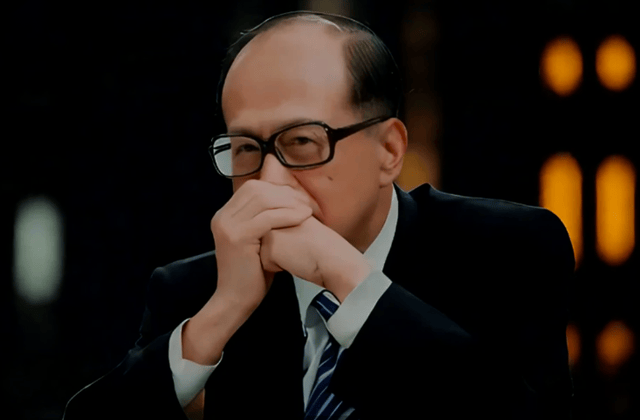
长和集团对抗审查,3连警告都没停手!红颜再度出手,想扳回一城
Sou Hu Cai Jing· 2025-10-23 11:35
Core Viewpoint - The recent actions of Li Ka-shing, particularly the sale of port operations to foreign entities amidst rising international tensions, have raised concerns about national security and the prioritization of personal business interests over national interests [4][7][21]. Group 1: Li Ka-shing's Business Actions - Li Ka-shing's decision to sell the operating rights of 43 key ports, including those controlling the Panama Canal, to a U.S. consortium has sparked widespread criticism, with many accusing him of "selling out national interests" [7][8]. - Despite warnings from national regulatory bodies, Li Ka-shing has continued to pursue the sale by attempting to "disassemble" the transaction to bypass scrutiny [9][12]. - The involvement of his associate, Zhou Kaixuan, in managing public relations during this crisis highlights the importance of personal connections in navigating business challenges [14]. Group 2: Zhou Kaixuan's Role - Zhou Kaixuan, known for her high emotional intelligence and networking skills, has been a long-time business partner of Li Ka-shing, helping him navigate the complexities of the business world [6][14]. - Her public relations strategies, including charitable donations, have not effectively mitigated the negative public perception surrounding Li Ka-shing's actions [16][18]. - The attempt to use philanthropy to improve public image has been criticized as insufficient and commercially motivated, failing to address the core issues at hand [16][21]. Group 3: National Regulatory Response - The national regulatory authorities have issued multiple warnings against circumventing antitrust reviews, indicating a firm stance against the sale of strategic assets [12][21]. - Li Ka-shing's ongoing efforts to proceed with the sale, despite regulatory pushback, reflect a potential underestimation of the government's regulatory power [9][12]. - The situation underscores the increasing scrutiny of business decisions that conflict with national interests, emphasizing the need for business leaders to align their strategies with national priorities [20][21].

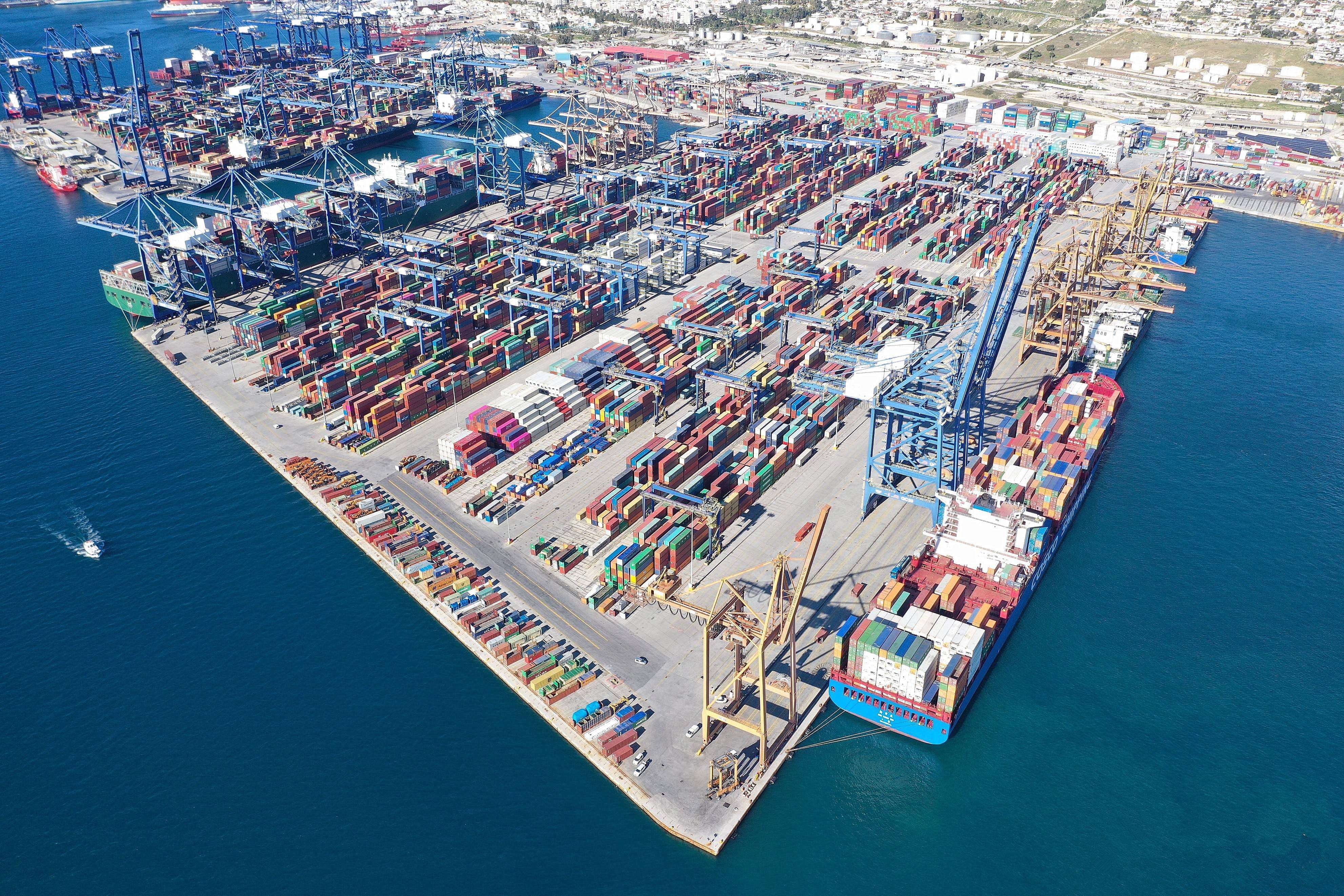
港口事件刚迎转机,李嘉诚突传跑路,才抛售400套房子,回应来了
Sou Hu Cai Jing· 2025-08-05 10:03
Group 1 - The core issue revolves around Li Ka-shing's port transaction, which has faced numerous uncertainties and interruptions, leading to speculation about his potential exit from the market [1][5][56] - The involvement of China COSCO Shipping Group in the transaction indicates a strategic interest in securing control over international shipping routes, reflecting broader national security considerations [9][11] - The Panama Canal's management has raised concerns regarding the legality of the transaction, suggesting that it could lead to excessive concentration of port ownership, which may negatively impact local interests [16][19][20] Group 2 - Li Ka-shing's recent actions, including the sale of 400 properties at significantly reduced prices, have sparked speculation about his confidence in the real estate market [3][35][38] - The rapid sale of properties, including a notable discount on the "Yuchui Garden" project, demonstrates Li's acute market awareness and strategic decision-making [34][35] - The rumors surrounding Li Ka-shing's potential asset relocation and the sale of his marital home have been swiftly denied by his family, indicating a proactive approach to managing public perception [49][51][56]
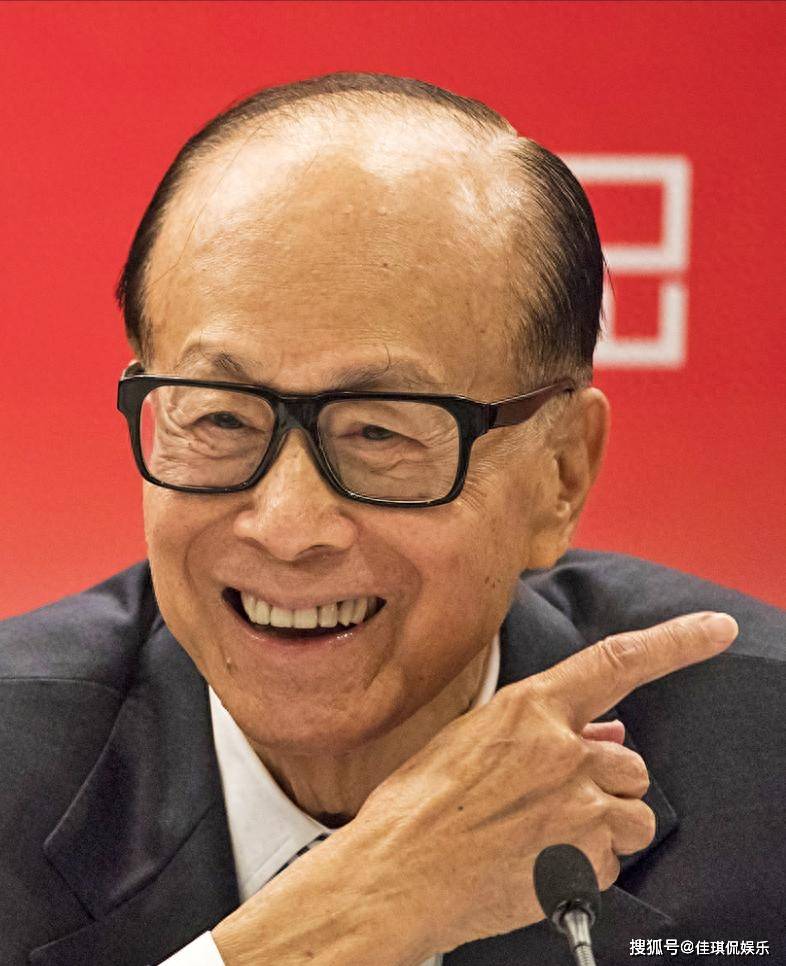
市监局一锤定音,李嘉诚港口交易一分为二,金蝉脱壳计划落空
Sou Hu Cai Jing· 2025-05-01 09:00
Core Viewpoint - The potential sale of port assets by Li Ka-shing to BlackRock has raised significant concerns regarding geopolitical implications, particularly in the context of U.S.-China relations and the control of global shipping routes [3][6][12]. Group 1: Transaction Details - Li Ka-shing plans to sell 34 ports, with 21 located in Asia and Oceania, and 13 in Europe, including critical ports like Rotterdam, which handles over 13.8 million containers annually, accounting for 42% of the European market [5]. - The transaction has not undergone a global public bidding process, leading to criticism and concerns about national interests and strategic assets [6][19]. - BlackRock's involvement is framed as enhancing infrastructure control, but this raises alarms about U.S. geopolitical strategies that could undermine China's Belt and Road Initiative [11][12]. Group 2: Regulatory and Political Reactions - The Chinese government has initiated an antitrust investigation into the transaction, emphasizing the need for regulatory approval before any sale can proceed [6][17]. - There are strict regulations in place regarding large transactions involving national security, with China requiring notification for deals exceeding 12 billion RMB [17][18]. - The Chinese authorities have made it clear that any attempts to circumvent regulatory scrutiny will not be tolerated, and legal consequences will follow for violations [18][21]. Group 3: Strategic Implications - The sale of these ports could significantly impact China's foreign trade framework, particularly its Belt and Road Initiative, by potentially constraining access to key shipping routes [12][21]. - The situation highlights a broader concern regarding the lack of national sentiment in business decisions, as Li Ka-shing's willingness to sell to U.S. interests has drawn public and governmental backlash [19][21]. - The ongoing geopolitical tensions and trade wars further complicate the landscape, with the potential for increased scrutiny on foreign investments in critical infrastructure [10][21].

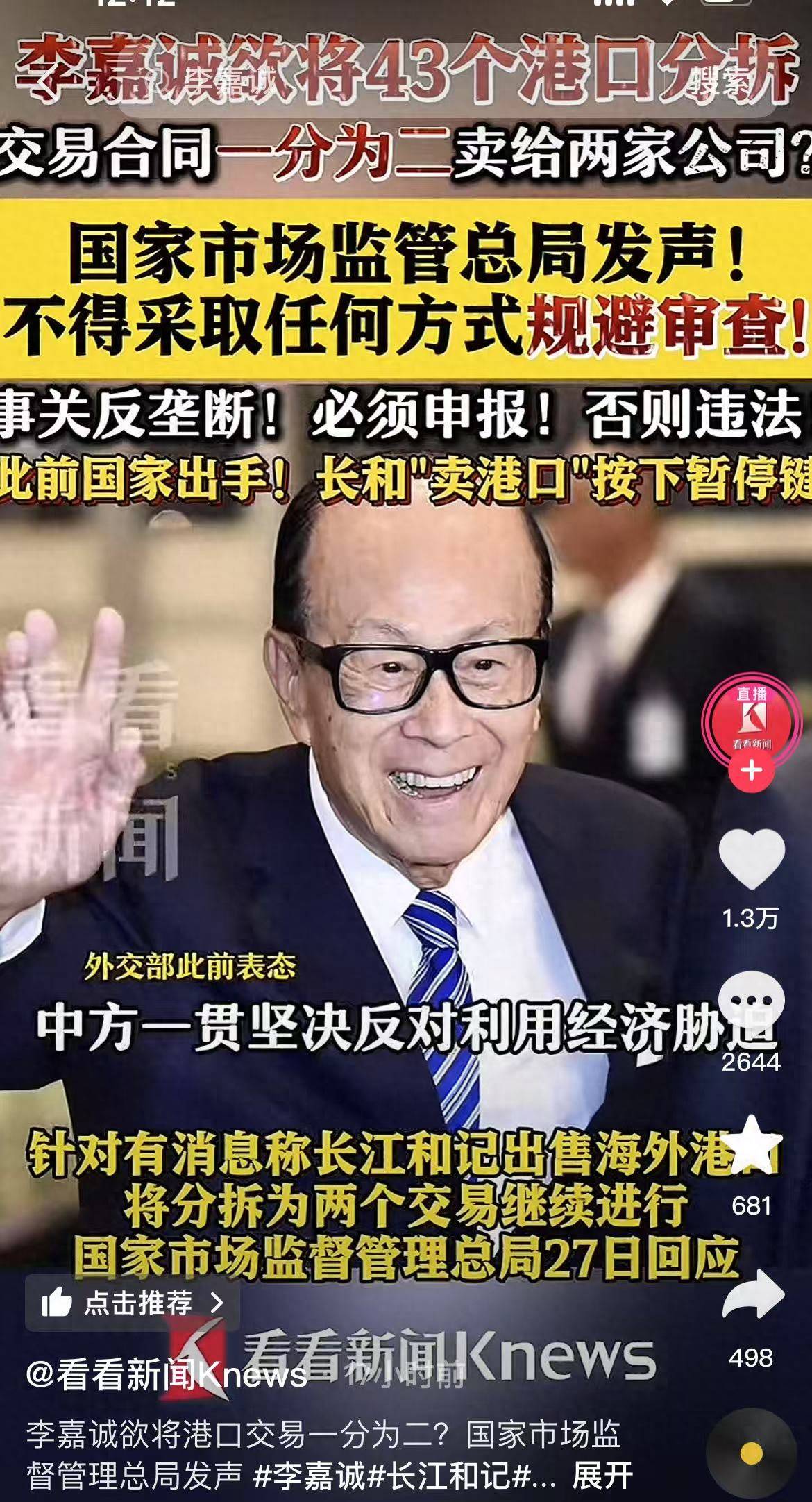
李嘉诚摊上事了!国家出手后,长和交易被叫停,事态已超出美掌控
Sou Hu Cai Jing· 2025-04-02 06:01
Core Viewpoint - The situation has escalated beyond the control of the U.S., leading to an antitrust investigation by China's State Administration for Market Regulation into Li Ka-shing's Cheung Kong Group's sale of ports to BlackRock, resulting in a market value loss exceeding 78.1 billion [1][2]. Group 1: Transaction Details - The transaction involves the sale of two significant ports in the Panama Canal, which are crucial for China's maritime security. If these ports fall into American hands, it could jeopardize the safety of Chinese shipping in this vital waterway [2][3]. - Cheung Kong Group has decided to temporarily suspend the signing of the contract with BlackRock, indicating that the deal is not yet terminated but merely postponed [1]. Group 2: Strategic Implications - The investigation by the Chinese government is seen as necessary and timely, as it addresses not only the immediate transaction but also the broader implications for China's overseas shipping security [2][3]. - Even if the antitrust investigation leads to the termination of the deal, it is viewed as a temporary measure, and the underlying issues regarding U.S. pressure on Panama may persist [3]. Group 3: Long-term Solutions - China has already begun to establish alternative trade routes, such as the Chilean port of Quintero, which significantly reduces shipping time from Asia to South America and is less susceptible to U.S. influence [4]. - Other initiatives include the development of new shipping routes, such as the Arctic route in collaboration with Russia and the proposed "land bridge" project with Thailand, which would allow Chinese vessels to bypass the Strait of Malacca [4]. Group 4: National Interests - The investigation serves as a warning to Li Ka-shing and other businessmen that commercial interests must not override national security concerns, emphasizing the need for a proper alignment of business practices with national interests [6][7].
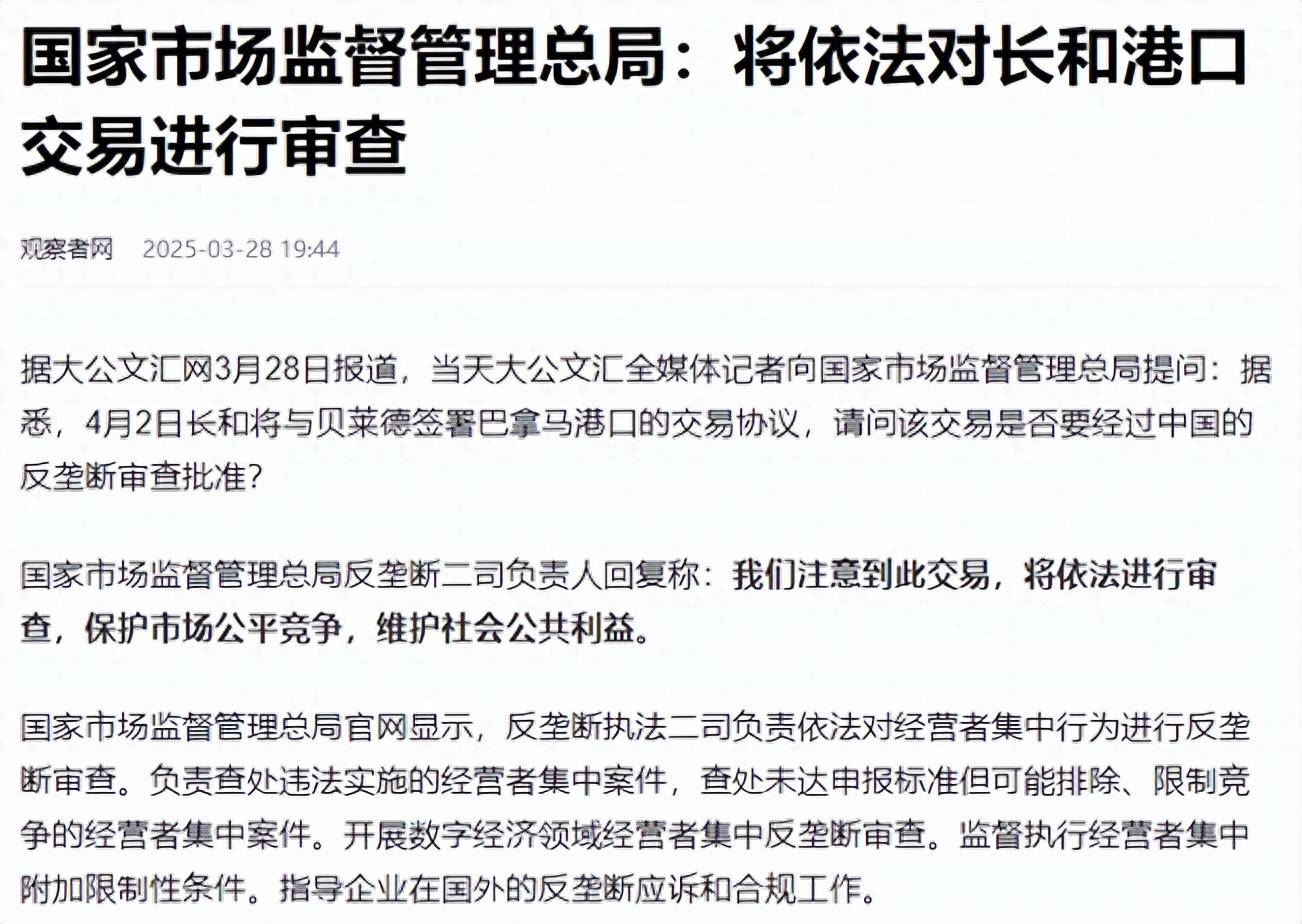
李嘉诚最后一点名声,卖了190亿
36氪· 2025-03-26 00:07
Core Viewpoint - The article discusses the recent sale of 43 global ports by Li Ka-shing's CK Hutchison Holdings to a consortium led by BlackRock for $22.8 billion, highlighting the mixed reactions from the public and media in Hong Kong regarding national interests and Li's business ethics [6][8][10]. Group 1: Sale of Ports - CK Hutchison Holdings announced the sale of 43 global ports for $22.8 billion, resulting in approximately $19 billion cash income for Li Ka-shing's family after minority shareholder adjustments [6][8]. - The sale includes ports in 23 countries, with significant locations such as the Panama Canal, where Chinese cargo accounts for 21.4% of total traffic [19][22]. - Following the announcement, CK Hutchison's stock price initially rose by 33% but faced a decline after public backlash and media criticism [8][12]. Group 2: Public Reaction - Hong Kong media criticized the sale, questioning the decision to transfer control to a foreign entity and its implications for national interests [10][14]. - Some commentators accused Li Ka-shing of lacking integrity and being overly accommodating to foreign powers, leading to a significant drop in public sentiment towards him [10][14][36]. - The article notes that Li's reputation has suffered, with comparisons drawn to other Hong Kong tycoons who have maintained a stronger commitment to local investments [62][70]. Group 3: Historical Context - The article traces Li Ka-shing's history with the Panama Canal, where he secured management rights in 1997, and his long-term investments in the region that have yielded substantial returns [24][30]. - It highlights that Li's business strategies have evolved over the years, with a notable shift towards overseas investments, particularly in the UK, which has raised concerns about his commitment to Hong Kong [48][56]. - The article contrasts Li's approach with that of other successful Hong Kong businessmen who have continued to invest in mainland China, suggesting a divergence in business philosophy [62][70].