炒菜

Search documents
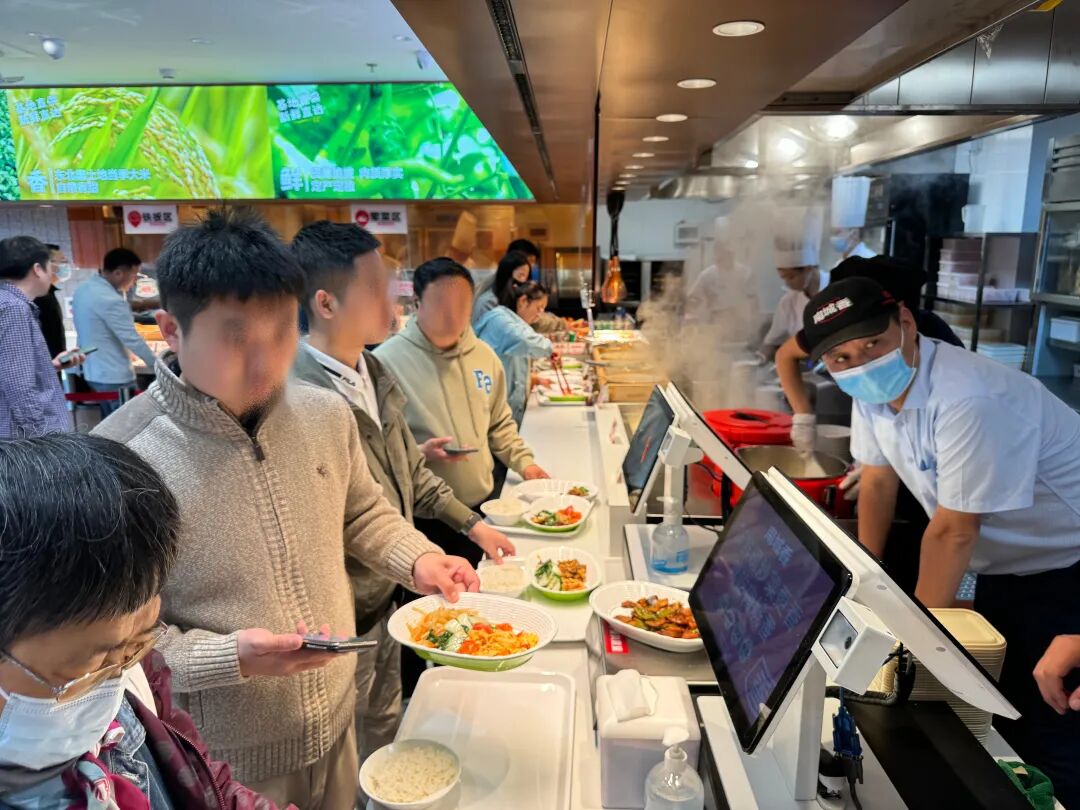
进入“20元时代”,中式米饭快餐没有退路
3 6 Ke· 2026-01-28 13:09
Core Insights - The competition logic in the Chinese rice fast food sector is undergoing significant changes, with a shift towards a "paradigm shift" in 2026, emphasizing profitability amidst rising costs and intense competition [2][4][10] - The industry is moving towards a model that focuses on maximizing store efficiency and profitability rather than rapid expansion [5][9] Group 1: Market Dynamics - The market is experiencing fierce competition with both established brands and new entrants, leading to a scenario where profitability is increasingly difficult to achieve [2][4] - The average consumer spending in the Chinese rice fast food sector has decreased, with figures showing a drop from 29.7 yuan in 2022 to 27.5 yuan by August 2025 [10][11] - The current mainstream price range for Chinese rice fast food is between 20 to 25 yuan, indicating a trend towards lower pricing [10][11] Group 2: Business Strategies - Brands are adopting a "full-time, full-customer, all-capable store" model to attract a wider customer base and enhance profitability [3][7] - Innovations such as self-service models and diverse product offerings are being implemented to cater to different consumer needs and maximize store utilization [8][9] - The introduction of technology, such as smart cooking machines, is being leveraged to reduce labor costs and improve food quality [18] Group 3: Expansion Challenges - The expansion of Chinese rice fast food brands is entering a "deep water zone," with a projected market size of 2.77 trillion yuan in 2024, growing at 10.1% [19] - While some brands are rapidly expanding, others are slowing down due to the challenges of scaling operations effectively [20][21] - Successful expansion requires a robust organizational capability and a deep understanding of local market dynamics, as evidenced by the varied experiences of different brands [22][23] Group 4: Future Outlook - The next decade for Chinese rice fast food will focus on a multi-faceted approach that includes freshness, transparency, intelligence, low pricing, and health [24] - Brands that can maintain a balance between cost and quality while adapting to consumer demands will likely survive and thrive in this competitive landscape [24]

杭州首家“AI机器人餐厅”来了!从烹饪到服务都由机器人协同完成
Xin Hua She· 2026-01-15 03:24
Core Insights - The "24 Solar Terms AI Robot Restaurant" has commenced trial operations in the Xihu District of Hangzhou, Zhejiang Province, showcasing the integration of AI technology in the food service industry [2] Group 1: Restaurant Operations - The restaurant utilizes robots for various tasks including noodle cooking, stir-frying, ice cream preparation, and coffee making, highlighting advancements in automation within the culinary sector [2] - This establishment serves as a practical platform for the local AI robotics industry, providing real-world applications for technology [2] Group 2: Community Impact - The restaurant aims to offer convenient and affordable dining options for the local population, enhancing the dining experience through innovative technology [2]

这年头,摆摊的比开公司的挣得多!
Sou Hu Cai Jing· 2025-11-13 16:41
Core Insights - The article discusses the potential profitability of small businesses, particularly food stalls, highlighting that they can generate significant income compared to traditional corporate jobs [1][10]. Group 1: Business Viability - A food stall can sell several hundred bowls of soup daily, with a profit margin of approximately 7 yuan per bowl, leading to a daily profit of around 700 yuan, translating to an annual income of 70,000 to 80,000 yuan [1]. - The importance of location is emphasized, as many businesses fail due to poor site selection, similar to real estate [3]. - The article suggests that small businesses, such as food stalls, can be more profitable than gig economy jobs like ride-sharing [8]. Group 2: Entrepreneurial Challenges - Running a food stall requires hard work and long hours, often leading to physical exhaustion if operating multiple meal services [5]. - The article notes that many entrepreneurs struggle with the demands of small business operations, especially when transitioning from easier online business models to more labor-intensive ones [5][10]. - It highlights the need for adaptability and understanding of market dynamics, as opportunities shift over time, with new trends emerging in technology and consumer preferences [5][10]. Group 3: Business Strategy - Success in small business relies on finding the right position and rhythm, as well as understanding the nuances of the trade [6]. - The article points out that even small ventures can be lucrative if managed well, with examples of successful local businesses that thrive despite high turnover among owners [9]. - It stresses the importance of calculating input-output ratios and customer demand to optimize profitability [11]. Group 4: Personal Aspirations - The article acknowledges that not everyone is inclined or capable of running a small business, suggesting that some may prefer traditional employment or other opportunities [13]. - It concludes that the scale of business is relative, and with the right management, small businesses can grow into larger enterprises [13].