热塑性聚氨酯

Search documents
化工巨头巴斯夫全球最大投资项目在广东湛江全面投产
Xin Lang Cai Jing· 2026-03-28 05:10
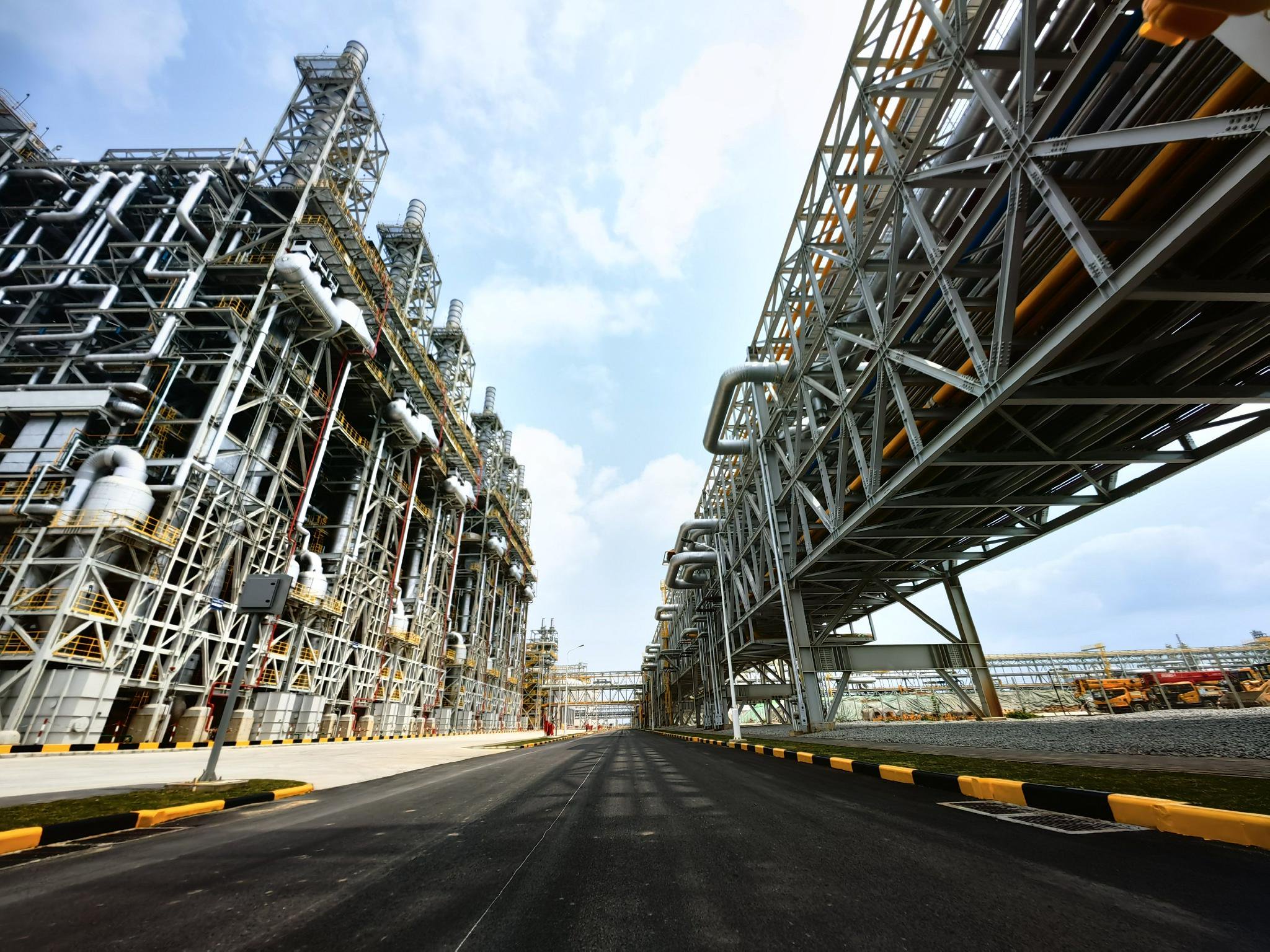
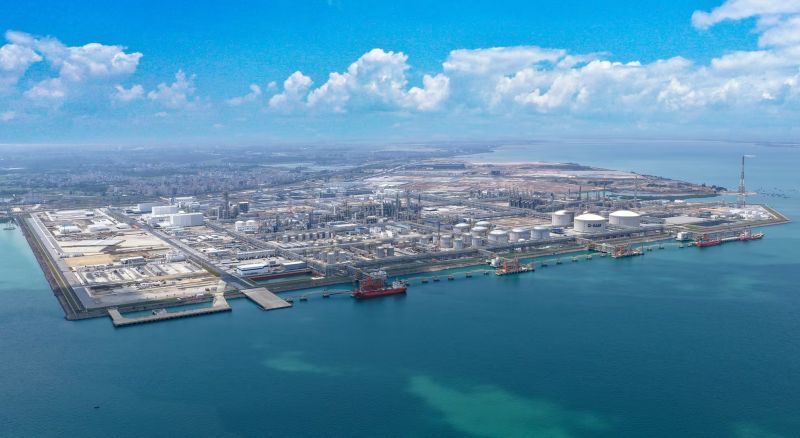
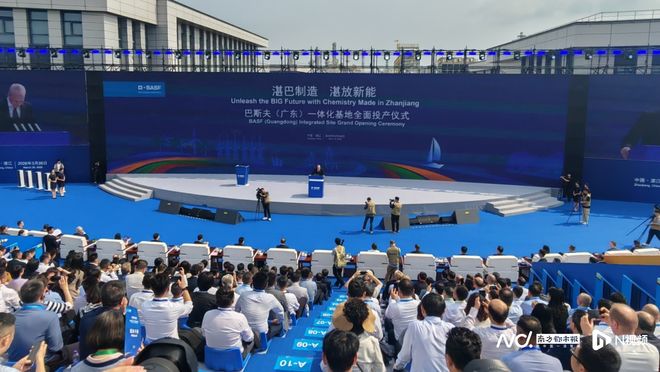
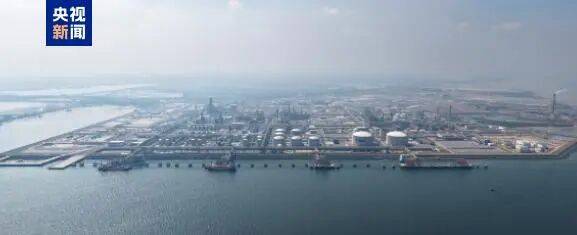
Core Insights - BASF has launched its largest investment project in Zhanjiang, China, with a total investment of approximately €8.7 billion, covering an area of about 4 square kilometers and featuring 18 production units and 32 production lines [1][5][11] - The Zhanjiang integrated base is the first wholly foreign-owned heavy chemical project in China, designed as a highly integrated production facility for petrochemicals and intermediates, including a planned ethylene unit with an annual capacity of 1 million tons [1][3][5] - The project aligns with Zhanjiang's strategic location and industrial foundation, enhancing its role as a key hub for the green petrochemical industry and marine economy in Guangdong province [3][5][11] Investment and Economic Impact - The Zhanjiang base is expected to significantly contribute to the local economy, with projections indicating a GDP of approximately ¥395.3 billion by 2025, where the secondary industry will account for over 30% of the total [5][11] - The industrial growth in Zhanjiang is projected to be robust, with an expected increase of 10.7% in industrial added value by 2026, driven by major projects like BASF [5][9] Production and Product Range - The Zhanjiang base will produce over 70 types of products, including engineering plastics, thermoplastic polyurethanes, non-ionic surfactants, and polyethylene, catering to various industries such as automotive, electronics, and consumer goods [1][17][20] - The ethylene unit is designed to be flexible, capable of processing various feedstocks, and is the world's first ethylene unit powered entirely by renewable energy [20] Sustainability and Innovation - The Zhanjiang base is positioned as a benchmark for BASF's global low-carbon transition, aiming to reduce CO2 emissions by up to 50% compared to traditional petrochemical facilities through integrated design and renewable energy applications [15][16] - The facility will achieve 100% renewable energy supply, supported by long-term green electricity purchase agreements [15][16] Market Position and Future Plans - BASF's sales in Greater China are projected to reach approximately €8.2 billion by 2025, with the Zhanjiang base expected to increase this share from 14% to 18-19% [12][11] - The company emphasizes local sourcing, with about 80% of equipment procured locally, enhancing cost competitiveness and supply reliability [12][15]


100% 采用可再生能源供电:巴斯夫全面启用在华全新世界级一体化基地
Zhong Guo Fa Zhan Wang· 2026-03-27 09:29
Core Insights - BASF has officially launched its world-class integrated production site in Zhanjiang, Guangdong, marking a significant investment in China's growing chemical market [1][3] - The Zhanjiang site spans approximately 4 square kilometers and integrates efficiency, digitalization, and sustainability from its design phase [1][3] - The total investment for the Zhanjiang integrated site is approximately €8.7 billion, which is significantly lower than the initial budget [3][4] Group 1: Production and Employment - The Zhanjiang integrated site employs over 2,000 staff and produces a diverse range of products, including basic chemicals, intermediates, and specialty chemicals, serving various industries such as transportation, consumer goods, electronics, and personal care [3][4] - The site has successfully commissioned 18 plants and 32 production lines, producing over 70 different products [4][5] Group 2: Sustainability and Innovation - The Zhanjiang site aims to reduce carbon emissions by up to 50% compared to traditional petrochemical facilities through integrated processes, innovative technologies, and renewable energy applications [3][4] - The site will operate on 100% renewable energy, supported by long-term green electricity purchase agreements and investments in offshore wind farms [3][4] Group 3: Strategic Importance - The Zhanjiang integrated site is positioned as a key platform for BASF's future growth in China, aligning with the company's strategy of "local production for local markets" [3][4] - BASF has been operating in China for over 140 years, with a strong production, sales, and innovation network across the country [5]

总投资87亿欧元!巴斯夫(广东)一体化基地全面投产
DT新材料· 2026-03-27 01:18
Core Viewpoint - BASF's integrated base in Zhanjiang, Guangdong, marks China's first wholly foreign-owned large-scale petrochemical project and is the largest single investment by a German company in China, with a total investment of approximately €8.7 billion [2]. Group 1 - The Zhanjiang integrated base covers an area of about 4 square kilometers and currently employs over 2,000 staff [4]. - The facility has successfully launched 18 sets of equipment and 32 production lines, capable of producing over 70 types of basic chemicals, intermediates, and specialty chemicals, serving various industries including transportation, consumer goods, electronics, home care, and personal care [4]. - The core ethylene unit of the base is the world's first similar unit to fully utilize renewable energy for its main compressor, with an annual production capacity of 1 million tons, processing various raw materials such as naphtha and butane to produce high-quality low-carbon products [4]. Group 2 - The Zhanjiang integrated base project was announced by BASF in 2018, construction began in 2019, the first engineering plastics unit was launched in 2022, and the thermoplastic polyurethane unit is set to be operational in 2024 [4]. - The first batch of products from the core units is expected to be produced between 2025 and 2026, with the ethylene unit being completed on schedule, marking the successful completion of the project [4].
总投资87亿欧元!巴斯夫(广东)一体化基地全面投产
Sou Hu Cai Jing· 2026-03-26 21:01
Core Insights - BASF's integrated base in Zhanjiang, Guangdong, has officially commenced full production, marking it as China's first wholly foreign-owned large-scale petrochemical integrated project and the largest single investment by a German company in China, with a total investment of approximately €8.7 billion [1][2] Group 1 - The Zhanjiang integrated base covers an area of about 4 square kilometers and currently employs over 2,000 staff, having successfully launched 18 facilities and 32 production lines [2] - The base produces over 70 types of basic chemicals, intermediates, and specialty chemicals, serving various industries including transportation, consumer goods, electronics, home care, and personal care [2] - The core ethylene joint facility is the world's first to use 100% renewable energy to drive its main compressor, with an annual capacity of 1 million tons, capable of processing multiple feedstocks such as naphtha and butane to produce high-quality low-carbon products [2][3] Group 2 - BASF announced the Zhanjiang integrated base project in 2018, began construction in 2019, and has since seen the production of its first engineering plastics facility in 2022, with a thermoplastic polyurethane facility set to launch in 2024 [3] - The first batch of products from the core facility is expected to roll off the production line between late 2025 and early 2026, with the ethylene joint facility successfully commencing production as scheduled, marking the project's successful completion [3]
湛江巴斯夫(广东)一体化基地全面投产,总投资87亿欧元
Nan Fang Du Shi Bao· 2026-03-26 08:42
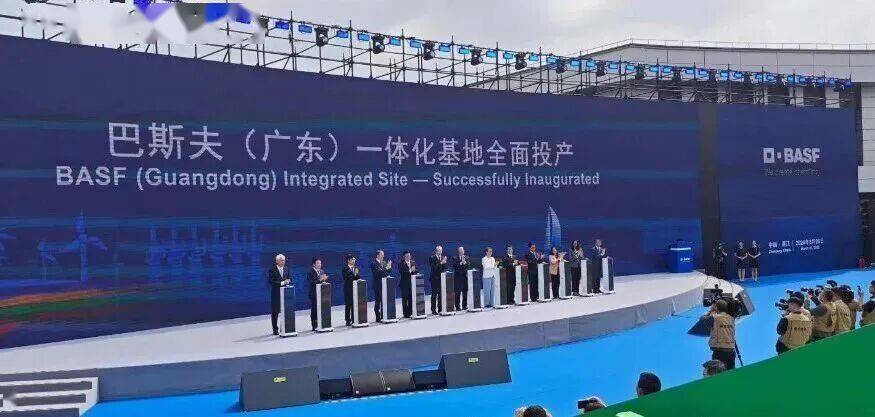
Core Viewpoint - BASF's integrated base in Zhanjiang has officially commenced operations, marking a significant milestone as the first wholly foreign-owned project in China's heavy chemical sector and the largest single overseas investment in BASF's history, with a total investment of €8.7 billion [1][13]. Group 1: Project Overview - The Zhanjiang integrated base covers approximately 4 square kilometers and is BASF's third-largest integrated production facility globally, reflecting the company's strategy of "local production, serving local markets" [1][2]. - The construction of the Zhanjiang base is a testament to China's high-level opening-up and efficient local government services, with the project timeline from signing a memorandum of understanding in July 2018 to the first production in September 2022 taking only four years [3][6]. Group 2: Production Capacity and Employment - Upon full operation, the Zhanjiang base will have 18 production facilities and 32 production lines, employing over 2,000 staff and producing more than 70 types of products, including basic chemicals, intermediates, and specialty chemicals [6][7]. - The base is expected to create approximately 3,000 high-quality jobs and generate over 50,000 additional employment opportunities in related sectors by 2035 [13]. Group 3: Strategic Importance - The Zhanjiang base will serve as a core strategic hub for BASF's operations in China, providing high-quality raw materials for key industries such as new energy vehicles, photovoltaics, and electronics [6][7]. - The facility's core ethylene unit, powered entirely by renewable energy, has an annual capacity of 1 million tons and is designed to produce high-quality low-carbon basic chemicals, enhancing BASF's competitive cost structure in the South China and Asian markets [7][9]. Group 4: Sustainability Initiatives - The Zhanjiang base integrates low-carbon principles throughout its design and operation, achieving 100% renewable energy supply through long-term green electricity purchases and offshore wind investments [8][9]. - The facility's carbon emissions are reduced by up to 50% compared to traditional petrochemical projects, setting a new benchmark for sustainable chemical production globally [9]. Group 5: Economic Impact and Future Prospects - The Zhanjiang base is a key support for Guangdong's ambition to create a world-class green petrochemical industry cluster, with the potential to generate over 230 billion yuan in annual output value by 2035 [10][12]. - BASF's investment reflects confidence in China's market, contributing to the diversification of global supply chains and enhancing the resilience of the chemical industry in the Asia-Pacific region [13].
巴斯夫(广东)一体化基地全面投产,不只是上个大项目
Nan Fang Du Shi Bao· 2026-03-26 08:36
Core Viewpoint - The BASF (Guangdong) integrated base has officially commenced operations, marking a significant milestone as China's first wholly foreign-owned large-scale petrochemical project with an investment of approximately €8.7 billion, the largest single investment by BASF and any German company in China [1][2]. Group 1: Project Significance - The project is a testament to China's improving business environment and its commitment to attracting global quality resources through legal, international, and convenient business practices [1]. - The successful completion of the project amidst global challenges such as the pandemic and supply chain disruptions highlights the resilience of foreign investment in China [1][3]. Group 2: Economic Impact - The BASF (Guangdong) integrated base is expected to serve as a key engine for Guangdong's development of a world-class green petrochemical industry cluster, utilizing advanced production processes and environmental technologies [2][3]. - The project will create a "chain effect," attracting numerous upstream and downstream enterprises to gather in Zhanjiang, thus forming a complete industrial ecosystem from basic chemicals to high-end new materials [3]. Group 3: Environmental Commitment - The base plans to use 100% renewable energy and aims to minimize carbon emissions during production, promoting a green transformation in the petrochemical industry [3]. - The production of green low-carbon products will support strategic emerging industries in Guangdong, such as new energy vehicles and offshore wind power [3]. Group 4: Bilateral Relations - The investment signifies a new height in the deep integration of the Sino-German industrial chain, reinforcing supply security in the Chinese market and providing predictable capacity support for the global chemical industry [3]. - The project exemplifies the ongoing economic cooperation between China and Germany, serving as a counter-narrative to calls for "decoupling" in certain countries [3][4].
(投资中国)世界化工巨头巴斯夫最大单笔投资项目在广东全面投产
Zhong Guo Xin Wen Wang· 2026-03-26 07:53
Core Insights - BASF's Zhanjiang integrated production base has officially commenced operations, marking the company's largest single investment project to date with a total investment of approximately €8.7 billion [1][2] Group 1: Investment and Production - The Zhanjiang base covers an area of about 4 square kilometers and produces a diversified product portfolio, including basic chemicals, intermediates, and specialty chemicals, serving various industries such as transportation, consumer goods, electronics, home care, and personal care [1] - This facility is BASF's seventh integrated production base globally and the third largest after Ludwigshafen in Germany and Antwerp in Belgium [2] Group 2: Environmental Impact and Strategy - The production at the Zhanjiang base is aligned with BASF's global strategy of "local production for local markets," with most products intended for the Chinese market [1] - The base is designed to reduce carbon dioxide emissions by up to 50% compared to traditional petrochemical facilities through integrated processes, innovation, and the use of renewable energy [1] - BASF aims to achieve 100% renewable energy supply for the Zhanjiang base through long-term green electricity purchase agreements and investments in offshore wind farms [1] Group 3: Project Timeline - The Zhanjiang integrated base project was initiated in 2019, with the first production unit announced in 2022, and the thermoplastic polyurethane unit expected to commence production in 2024 [1] - The core unit is projected to start producing its first products by November 2025, with a record timeline for the ethylene joint unit's production [1]
德企巴斯夫(广东)一体化基地项目全面投产,全球第三大
Sou Hu Cai Jing· 2026-03-26 06:03
Group 1 - BASF's integrated base in Guangdong has successfully commenced production of 18 units and 32 production lines, achieving full operational status [1] - The Zhanjiang integrated base project was announced in 2018, with construction starting in 2019, and the first unit began production in 2022 [3] - The core ethylene joint unit of the integrated base was successfully launched in January this year, supplying essential chemicals like ethylene and propylene [3] Group 2 - The Guangdong integrated base is China's first wholly foreign-owned large-scale petrochemical integration project, with a total investment of approximately €8.7 billion, making it BASF's largest single investment project to date [4] - The base employs over 2,000 staff and produces a diverse range of products, including basic chemicals, intermediates, and specialty chemicals, serving various industries such as transportation, consumer goods, electronics, and personal care [3] - The integrated base features the world's first ethylene joint unit powered 100% by renewable energy, with an annual capacity of 1 million tons, significantly reducing carbon emissions by up to 50% compared to traditional petrochemical bases [3]
德企在华最大独资单体项目巴斯夫(广东)一体化基地项目全面投产
Xin Hua Wang· 2026-03-26 03:33
Group 1 - BASF's integrated base project in Zhanjiang, Guangdong, has officially commenced full production, representing an investment of approximately €8.7 billion, making it the largest single investment project by a German company in China [1] - The Zhanjiang base is BASF's third-largest global site, independently operated and managed by BASF, reflecting the company's long-term confidence in China as the world's largest chemical market [1] - The base has successfully launched 18 facilities and 32 production lines, producing over 70 types of products, including basic chemicals, intermediates, and specialty chemicals, serving various industries such as transportation, consumer goods, electronics, home care, and personal care [1] Group 2 - In 2025, approximately 14% of BASF's consolidated sales are expected to come from China, with projections to increase this share to 15%-20% following the launch of the Zhanjiang base [2] - The Zhanjiang base is seen as a crucial platform for BASF's future development in China, according to the president of BASF's Asia large projects [2]
经济随笔:德国企业缘何青睐中国?
Xin Hua She· 2026-01-25 01:17
Group 1 - German companies are making significant investments in China, with over 90% of surveyed firms showing no intention to withdraw from the market and more than half planning to increase investments [1][2] - The trade volume between Germany and China reached 185.9 billion euros in the first three quarters of 2025, marking an increase and reaffirming China as Germany's largest trading partner [1][2] - The investment structure of German firms is heavily focused on the manufacturing sector, benefiting from China's comprehensive industrial support system [2][4] Group 2 - German companies are adapting to the fast-paced innovation environment in China, shifting from traditional technology exports to collaborative innovation [4][5] - The strategic alignment between China's manufacturing upgrades and global development needs is creating a stable investment environment for foreign companies [6][7] - Other multinational companies, such as Medtronic and Danfoss, are also establishing significant operations in China, indicating a broader trend of foreign investment in the region [7]