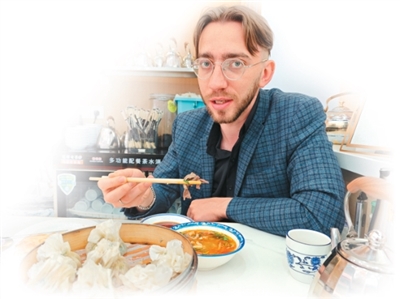
焙子

Search documents
让内蒙古美食香飘上海
Xin Lang Cai Jing· 2026-02-19 21:59
Core Viewpoint - The article highlights the journey of Yuan Zhenguo, who, after years of hard work and entrepreneurship in Shanghai, returns to his hometown in Inner Mongolia to celebrate the New Year with family, reflecting on his experiences and aspirations to bring local delicacies to the urban market [1][2]. Group 1: Personal Journey and Entrepreneurship - Yuan Zhenguo, born in 1978, left his hometown for Hohhot to pursue various jobs and eventually started a family with Feng Yao [1]. - In 2020, the couple sold their house and business to fulfill Feng Yao's father's wish to return his ashes to Shanghai, starting anew in the city [1]. - Yuan began his entrepreneurial venture by selling Inner Mongolian steamed dumplings in Shanghai, quickly gaining popularity among locals [1]. Group 2: Family and Cultural Connection - Upon returning to his hometown, Yuan experiences a sense of nostalgia and pride as he observes the transformation of his once impoverished county into a prosperous town [2]. - The family reunion is characterized by traditional home-cooked meals, evoking warmth and a sense of belonging [2]. - Yuan reflects on the importance of family and the comforting feeling of home, contrasting it with the fast-paced life in the city [4]. Group 3: Future Aspirations - Yuan aims to expand his business by introducing not only beef and lamb but also high-quality dairy products from Inner Mongolia to the Shanghai market [1]. - The New Year celebration serves as a source of energy and motivation for Yuan to continue his entrepreneurial journey [4].
【来内蒙古过大年】把心留在故乡 把内蒙古味道带去上海
Xin Lang Cai Jing· 2026-02-19 12:45
Core Viewpoint - The article narrates the journey of Yuan Zhenguo, who, after years of hard work in business, returns to his hometown for the New Year, reflecting on his life choices and the importance of family and roots [1][2][4]. Group 1: Personal Background and Journey - Yuan Zhenguo, born in 1978 in a small village in Ulanqab, Inner Mongolia, learned business skills from his father and left his hometown at the age of 20 to pursue opportunities in Hohhot [1]. - After years of various business ventures, he settled down with his wife, Feng Yao, and welcomed their long-awaited child in 2020 [2]. Group 2: Business Ventures - Upon moving to Shanghai, Yuan identified a business opportunity by leveraging the popularity of Inner Mongolia's lamb, starting with a small stall selling steamed dumplings [3]. - His business gradually gained traction, leading him to expand his offerings to include various traditional dishes, adapting them to urban consumer preferences [3]. Group 3: Family and Cultural Significance - The return to his hometown during the New Year symbolizes a reconnection with family and cultural roots, highlighting the emotional significance of home and family gatherings [4][5]. - The article emphasizes the contrast between the fast-paced life in Shanghai and the comforting familiarity of his hometown, illustrating the deep-seated desire for belonging and stability [5].
漫长的冬天,来内蒙吃点好的,还有......
3 6 Ke· 2025-12-26 02:45
Core Viewpoint - The article highlights the unique culinary experiences and cultural richness of Inner Mongolia during winter, emphasizing the warmth and comfort provided by traditional meat dishes and local delicacies in the harsh cold environment [1][21]. Group 1: Culinary Delights - The winter season in Inner Mongolia is characterized by hearty meat dishes, such as roasted lamb, beef steaks, and various soups, which are essential for warmth and sustenance [1][6][10]. - Traditional dishes like "hand-pulled meat" and "ice-cooked lamb" showcase the region's culinary techniques, emphasizing the use of fresh, local ingredients to enhance flavor [7][9]. - Dairy products, including milk skin and yogurt pancakes, are highlighted as comforting treats that complement the meat dishes, providing a sweet and rich experience [13][15]. Group 2: Cultural Significance - The article illustrates the resilience and warmth of the local people, who find joy and community in sharing meals during the cold winter months [3][21]. - The winter landscape of Inner Mongolia, with its snow-covered plains and traditional yurts, creates a picturesque backdrop that enhances the cultural experience of dining in this region [17][18]. - The communal aspect of dining, where friends and family gather around hot pots and share stories, is emphasized as a vital part of the winter experience in Inner Mongolia [10][12].

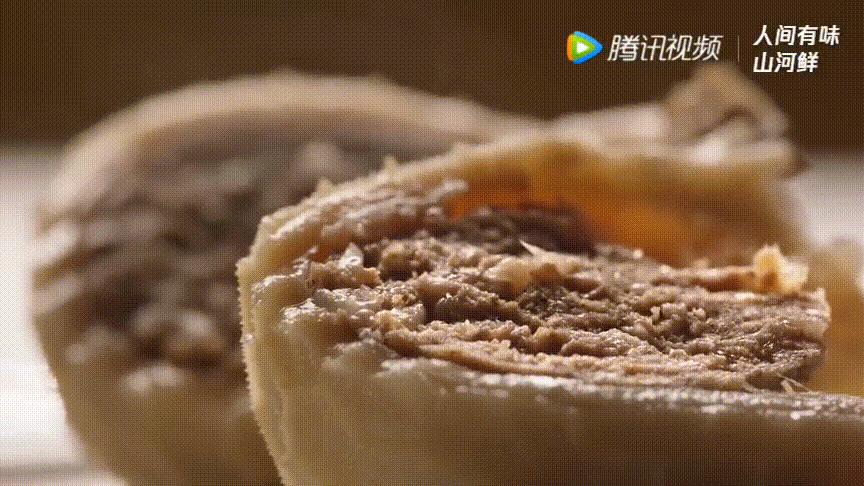
早餐花样多 地道中国味(体验“中国味儿”)
Ren Min Ri Bao Hai Wai Ban· 2025-06-13 22:55
Core Viewpoint - The article explores the unique breakfast cultures in different regions of China, highlighting the experiences of foreign individuals who have immersed themselves in local culinary traditions and the cultural significance behind these meals [5][11][17]. Group 1: Inner Mongolia Breakfast Culture - The breakfast in Inner Mongolia is characterized by hearty dishes such as lamb offal soup, baked bread, and various dairy products, which are designed to provide substantial energy for the day [6][8]. - The term "hard breakfast" refers to the filling nature of the food rather than its texture, reflecting the historical lifestyle of nomadic herders who required high-calorie meals [8]. - The quality of lamb in Inner Mongolia is attributed to the natural grazing conditions, which reduce the gamey taste, enhancing the overall flavor of the meat [9]. Group 2: Hainan Breakfast Culture - In Hainan, breakfast is not just about food but also about social interaction, exemplified by the "old dad tea" culture where people gather to enjoy tea and dim sum [11][13]. - The variety of local rice noodles, such as the Sanya port noodles, showcases the region's emphasis on fresh ingredients and distinct flavors, with each type of noodle reflecting local characteristics [14][15]. - The experience of trying unique dishes like the Lingshui sour noodles highlights the adventurous spirit of exploring local cuisine, which often includes unexpected ingredients [15]. Group 3: Beijing Breakfast Culture - Beijing's breakfast scene features traditional foods like fried sauce noodles and douzhi (fermented mung bean drink), which are deeply rooted in the city's history and culture [17][19]. - The preparation and consumption of these dishes often involve a communal aspect, with many breakfast vendors located in bustling areas, creating a lively atmosphere [18]. - The stories behind the dishes, such as the origin of the door nail meat pie, add a layer of cultural richness to the culinary experience in Beijing [19].