
燃气灶具

Search documents
鹤庆县商务和市场监管局多维发力 织密春节民生保障“安全网”
Sou Hu Cai Jing· 2026-02-14 10:21
Group 1 - The consumption market is entering a peak season with the approach of the Spring Festival, driven by demand for New Year goods, festive gatherings, and promotional activities [1] - The Heqing County Business and Market Supervision Bureau is actively implementing special actions to ensure supply, stabilize prices, and protect people's livelihoods during the festive period [1] Group 2 - Focus on the supermarket market to ensure the quality and stability of essential goods such as grains, oils, meats, eggs, dairy, vegetables, fruits, and festive gifts [2] - Enforcement personnel are conducting inspections in supermarkets and farmers' markets, urging businesses to expand supply channels, maintain adequate inventory, and establish emergency replenishment mechanisms [2][8] Group 3 - Emphasis on food safety in the catering sector, particularly for "New Year's Eve" dinner services [5] - Special inspections are being carried out in various restaurants and specialty eateries to ensure compliance with food safety regulations, including proper sourcing, storage, and preparation of ingredients [6] Group 4 - Focus on key industrial products to strengthen safety measures, particularly for fireworks, gas stoves, household appliances, and electric bicycles [8] - Inspections include verifying the legality of business qualifications, mandatory product certifications, and compliance with labeling and record-keeping requirements [8] Group 5 - Consumer dispute resolution mechanisms are being enhanced to protect consumer rights, with a 24-hour hotline in place for complaints related to essential goods and services [12] - The supply of essential goods in Heqing County is reported to be sufficient and diverse, with stable prices and good purchasing order during the Spring Festival [12]

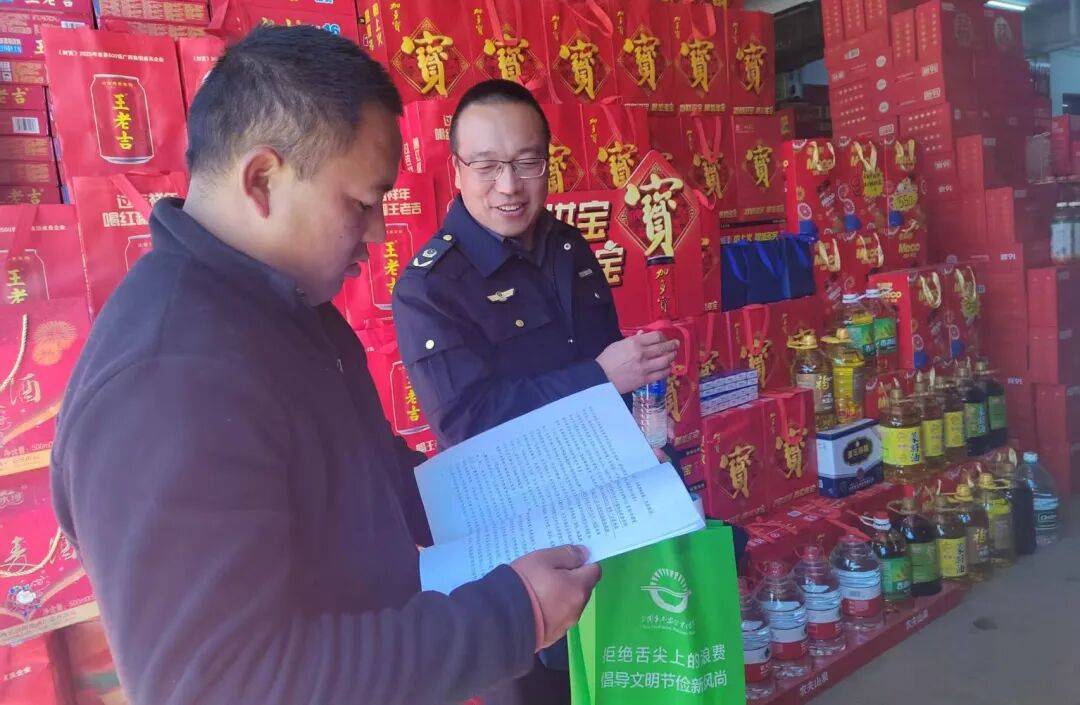
额敏县农资“护春耕”、消费“保新春”市场监管在行动
Zhong Guo Shi Pin Wang· 2026-02-11 11:39
Core Viewpoint - The article emphasizes the importance of ensuring the quality of agricultural materials and consumer goods ahead of the Spring Festival, aiming to protect the safety of rural consumers and enhance their awareness of product quality and rights protection [1][2]. Group 1: Agricultural Materials Quality Assurance - The market supervision administration in Emin County initiated the "Entering Thousands of Enterprises to Assist Tens of Thousands of Households" campaign to promote quality safety of agricultural materials [1]. - The campaign focused on educating farmers about quality identification techniques and standards for purchasing agricultural products such as agricultural film, drip irrigation belts, and fertilizers [1]. - Key points highlighted include checking product certificates, testing reports, production dates, and trademarks to prevent the purchase of unqualified or substandard agricultural materials [1]. Group 2: Consumer Goods Safety Awareness - The initiative also addressed consumer goods frequently purchased during the Spring Festival, such as toys and power banks, emphasizing the importance of 3C certification, safety warning labels, and quality assurance [1]. - Parents were advised to be cautious of toys without safety labels and low-quality materials, which pose potential risks [1]. - The campaign included distributing promotional materials, face-to-face Q&A sessions, and case studies to provide comprehensive consumer guidance [1]. Group 3: Consumer Rights Protection - The program aimed to enhance the rights protection capabilities of rural consumers, encouraging them to retain shopping receipts and report quality issues or disputes through the 12315 complaint hotline [1][2]. - The overall goal was to create a safe, reliable, and orderly market environment for rural consumers, ensuring a joyful Spring Festival and smooth agricultural activities for farmers [2].
可能藏在车里、浴室里、厨房里的“隐形杀手”,一定要当心!丨科普时间
Xin Lang Cai Jing· 2026-02-07 12:34
Core Viewpoint - The article highlights the dangers of carbon monoxide (CO) poisoning, particularly during the winter months when heating devices are in use, and emphasizes the importance of awareness and preventive measures against CO exposure. Group 1: Sources of Carbon Monoxide - Carbon monoxide is a colorless, odorless gas primarily produced from the incomplete combustion of fossil fuels [2] - Common sources of CO in daily life include gas water heaters, gas stoves, coal stoves, and car exhaust, especially in poorly ventilated areas [2] Group 2: Symptoms of Carbon Monoxide Poisoning - Mild poisoning symptoms include headache, dizziness, tinnitus, palpitations, nausea, vomiting, and weakness [4] - Moderate poisoning can lead to more severe symptoms such as flushed skin, sweating, unsteady walking, confusion, and fatigue [5] - Severe poisoning may result in coma, dilated pupils, incontinence, and serious complications like brain edema and arrhythmias, posing a life-threatening risk [5][6] Group 3: Prevention Measures - Key preventive strategies include ensuring proper ventilation and conducting safety checks on gas appliances [7] - Recommendations for safe use of gas appliances include avoiding the use of direct vent gas water heaters, ensuring proper installation and maintenance of gas stoves, and conducting regular safety inspections of gas pipelines [8][9] - For coal and charcoal use, it is advised not to use these in enclosed spaces and to ensure proper ventilation [10][11] - Safety measures for vehicle use include avoiding sleeping in running vehicles and minimizing time spent in poorly ventilated parking areas [12][13] Group 4: Emergency Response - Immediate actions in case of suspected CO poisoning include ventilating the area, relocating the patient to fresh air, and ensuring their airway is clear [14][15] - It is crucial to call emergency services and provide clear information about the situation, even if the patient appears stable [15] - Avoid using open flames or administering any substances to the patient without professional guidance [16]
【微海报】警惕“无形杀手”——冬季预防一氧化碳中毒六要点
Xin Lang Cai Jing· 2026-01-21 09:16
Group 1 - The article emphasizes the importance of preventing carbon monoxide poisoning during winter, highlighting six key points for safety [1][3][5] - It advises the installation of carbon monoxide detectors and regular maintenance to ensure they function properly [2][4] - The article warns against using coal or charcoal for heating in enclosed spaces and suggests keeping such heating sources outside at night [3][5] Group 2 - It stresses the need to prevent gas leaks by ensuring gas pipelines are not aging or leaking, and to avoid extinguishing flames while cooking [6][7] - The article recommends that gas water heaters should not be installed near windows or outdoors, and should be placed outside of bathrooms [7][8] - It highlights the dangers of using charcoal grills indoors, particularly in closed environments [5][6]

新疆乌苏市市场监管局规范燃气灶具市场秩序
Zhong Guo Shi Pin Wang· 2026-01-14 07:23
Core Viewpoint - The Xinjiang Uygur Autonomous Region's Wusu City Market Supervision Administration is enhancing the regulatory framework for the gas stove market to ensure compliance and safety standards [1] Group 1: Regulatory Actions - The Wusu City Market Supervision Administration has initiated a special inspection action focusing on the sales of gas stoves in the region [1] - Currently, there are 23 market entities involved in the sale of gas stoves within the jurisdiction [1] - The inspection includes verifying sales qualifications, purchase certificates, and ensuring products have undergone CCC certification for quality assurance [1] Group 2: Compliance and Guidance - During the inspection, enforcement personnel provided on-site guidance to help businesses clarify their responsibilities and establish a standardized inventory record-keeping system [1] - The administration aims to deepen the quality and safety supervision of gas stoves and promote the application of smart regulatory practices [1] Group 3: Future Plans - The Wusu City Market Supervision Administration plans to enhance inter-departmental collaboration and maintain a proactive approach to ensure gas safety [1] - The administration emphasizes a continuous commitment to safeguarding public safety in the gas stove market [1]
出现这4种情况,建议更换燃气灶!速自查→
Xin Lang Cai Jing· 2025-12-21 10:25
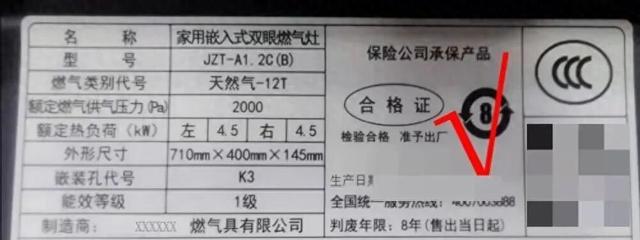
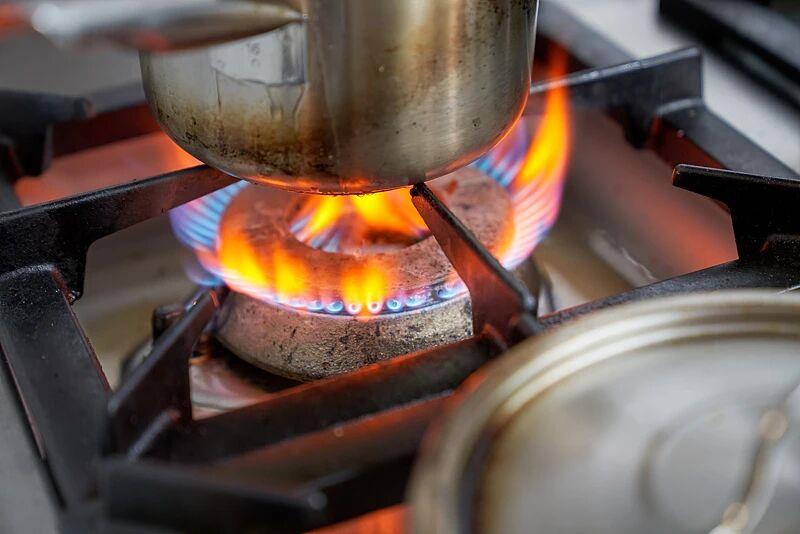
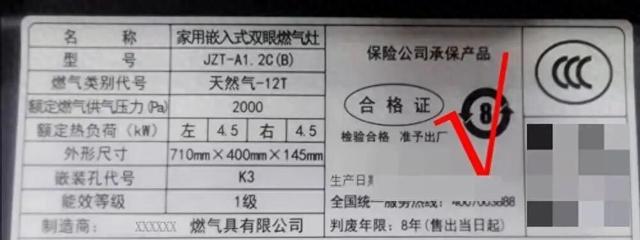
Core Viewpoint - The article emphasizes the importance of replacing gas stoves that have exceeded their service life, typically not exceeding 8 years, to prevent safety hazards such as gas leaks and carbon monoxide poisoning [2][6]. Group 1: Replacement Criteria - Gas stoves and water heaters have a clear service life, generally not exceeding 8 years from the date of sale [2]. - Four indicators to determine if a gas stove needs replacement include: 1. Functionality issues such as frequent extinguishing of flames or inconsistent water temperature from the heater [2]. 2. Condition of the flame; a blue flame is normal, while black smoke or a pungent smell indicates a need for immediate replacement [2][3]. 3. Physical appearance; any deformation or severe rusting of the stove should prompt immediate replacement [2]. 4. The effectiveness of the flame extinguishing protection device should be regularly checked [3][4]. Group 2: Safety Recommendations - Regular cleaning of gas stoves is essential to prevent blockage of gas holes, nozzles, and fire caps, which can affect normal combustion [6][8]. - Avoid using incompatible energy-saving products like "energy rings" or "wind shields," as they can cause damage and lead to incomplete combustion, producing harmful substances [7]. - Regular inspection of gas connection hoses is necessary to prevent aging, breakage, or damage, ensuring compliance with safety standards [7]. - Maintaining a stable gas usage environment is crucial; ensure proper ventilation while avoiding direct strong winds that could disrupt combustion [8].
如有这4种情况 燃气灶“没坏也要换” 速自查→
Xin Lang Cai Jing· 2025-12-21 02:13
Core Insights - Increasing number of old household appliances are being replaced, but many families continue to use gas stoves that have exceeded their service life, with some being used for over ten years. It is important to recognize that gas stoves have a defined lifespan and should be replaced when necessary [1] Group 1: Replacement Guidelines - Gas stoves and water heaters typically have a clear disposal age limit, generally not exceeding 8 years from the date of sale [3] - Signs that indicate a gas stove needs replacement include: - If the stove valve does not close properly, leading to frequent extinguishing of the flame - If the water heater's output fluctuates between hot and cold, professional maintenance should be sought, and if it remains unusable after repairs, replacement is necessary [6] - The normal flame color for gas stoves should be blue; if the flame is not blue, produces black smoke, or if a pungent odor is detected while using the water heater, immediate replacement is required [6] Group 2: Maintenance and Safety - Regular cleaning of gas stoves is essential as gas ports, nozzles, and burner caps can become clogged with grease over time, affecting normal combustion [9] - Gas connection hoses can deteriorate over time, leading to breakage or damage; regular inspections and the use of compliant hoses are recommended [9] - A stable gas usage environment is crucial; gas combustion consumes indoor oxygen, so proper ventilation must be maintained to prevent incomplete combustion or extinguishing of the flame [11]
出现这4种情况,燃气灶“没坏也要换”!速自查→
Xin Lang Cai Jing· 2025-12-20 01:36
Core Viewpoint - The article emphasizes the importance of replacing gas stoves and water heaters after their service life, which is generally not to exceed 8 years, to prevent safety hazards such as gas leaks and carbon monoxide poisoning [2][5]. Group 1: Replacement Criteria - Gas stoves and water heaters have a clear service life, typically starting from the date of sale and lasting no more than 8 years [2]. - Four key indicators to determine if a gas stove needs replacement include: 1. Functionality issues such as frequent extinguishing of flames or inconsistent water temperature from the heater [2]. 2. Flame color and emissions; a blue flame is normal, while black smoke or a pungent odor indicates a need for immediate replacement [2]. 3. Physical condition; any deformation or severe rusting of the stove should prompt replacement [2]. 4. The effectiveness of the flame-out protection device should be regularly checked [2][3]. Group 2: Safety Recommendations - Gas stoves with effective flame-out protection should cut off gas supply within 5-10 seconds after the flame goes out, preventing gas leaks [3]. - Regular maintenance is crucial; cleaning gas stove components like gas holes and nozzles can prevent blockages and ensure proper combustion [6]. - Avoid using incompatible energy-saving products like "energy rings" or "wind shields," as they can cause damage and lead to incomplete combustion [7][9]. - Regularly inspect gas connection hoses for aging or damage, and ensure compliance with safety standards [9]. Group 3: Usage Guidelines - Maintaining proper ventilation during gas stove use is essential to prevent oxygen depletion and ensure safety [11]. - It is advised to keep the stove monitored during use and to turn off the gas supply after cooking [11].
冬季用火用电,小心这些安全隐患
Xin Lang Cai Jing· 2025-12-19 23:35
Group 1 - The meteorological department predicts significant fluctuations in temperature this winter, with frequent cold waves and increased safety risks related to household electricity, gas, and heating [1] - The use of high-power electric appliances such as electric heaters and electric blankets will rise, leading to an increased risk of fire, necessitating heightened safety precautions [1] - Consumers are advised to look for the "3C" mark on heating products, which indicates compliance with national safety standards [1] Group 2 - When using household gas, it is crucial to check for safety hazards, especially in winter when kitchens are often sealed, leading to insufficient oxygen supply and potential carbon monoxide poisoning [3] - The color of the flame from gas appliances can indicate proper combustion; a blue flame signifies normal operation, while yellow or red flames indicate incomplete combustion, requiring immediate ventilation [3] - Many energy-saving products may not be compatible with gas appliances, potentially causing damage; users should contact gas companies for inspections if issues arise [3] Group 3 - In the event of a fire, it is essential to assess the situation quickly within the first minute, determining the fire's size and type of materials burning [4] - If the fire exceeds the size of an A4 paper or is not controlled within a minute, individuals should abandon attempts to extinguish it and call for help, providing clear information about the fire [4] - Residents should follow safety protocols, such as checking the temperature of doors before opening and sealing off rooms to delay the spread of fire and smoke while waiting for assistance [4]
没到报废年限的燃气具是否需要更换?可从四方面判断
Zhong Guo Xin Wen Wang· 2025-12-17 06:10
Core Viewpoint - The article emphasizes the importance of assessing the need to replace gas appliances, such as gas stoves and water heaters, even if they have not reached their expiration date, highlighting four key criteria for evaluation [1][2]. Group 1: Criteria for Replacement - The first criterion is functionality; if the gas stove valve does not close properly, there are frequent extinguishments, or the water heater has ignition difficulties and inconsistent water temperature, professional maintenance is advised, and replacement should be considered if issues persist [1]. - The second criterion is the condition of the appliance; a normal gas appliance should have a blue flame, and if the flame is not blue or there is frequent black smoke or a strong odor when using the water heater, it should be immediately stopped [2]. - The third criterion focuses on the appearance; if the main body of the stove is deformed or damaged, or if the piping is severely corroded, immediate replacement is necessary [2]. - The fourth criterion pertains to safety devices; if the flameout protection device fails, which prevents gas leakage after the flame goes out, it poses a risk of explosion and should be replaced [2]. Group 2: Safety and Certification - The article also mentions that there are mandatory certification requirements for gas appliances and water heaters in the country, urging residents to look for the 3C certification mark when purchasing new appliances [2]. - It is recommended to choose appropriate gas appliances based on the type of gas used at home and to have them installed and adjusted by professionals to ensure safety [2].