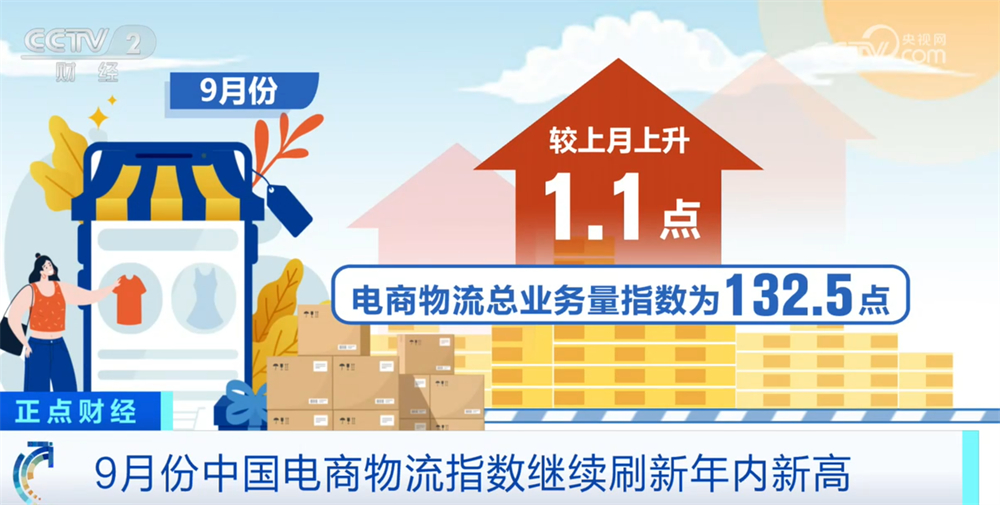
节日礼品

Search documents
鹤庆县商务和市场监管局多维发力 织密春节民生保障“安全网”
Sou Hu Cai Jing· 2026-02-14 10:21
Group 1 - The consumption market is entering a peak season with the approach of the Spring Festival, driven by demand for New Year goods, festive gatherings, and promotional activities [1] - The Heqing County Business and Market Supervision Bureau is actively implementing special actions to ensure supply, stabilize prices, and protect people's livelihoods during the festive period [1] Group 2 - Focus on the supermarket market to ensure the quality and stability of essential goods such as grains, oils, meats, eggs, dairy, vegetables, fruits, and festive gifts [2] - Enforcement personnel are conducting inspections in supermarkets and farmers' markets, urging businesses to expand supply channels, maintain adequate inventory, and establish emergency replenishment mechanisms [2][8] Group 3 - Emphasis on food safety in the catering sector, particularly for "New Year's Eve" dinner services [5] - Special inspections are being carried out in various restaurants and specialty eateries to ensure compliance with food safety regulations, including proper sourcing, storage, and preparation of ingredients [6] Group 4 - Focus on key industrial products to strengthen safety measures, particularly for fireworks, gas stoves, household appliances, and electric bicycles [8] - Inspections include verifying the legality of business qualifications, mandatory product certifications, and compliance with labeling and record-keeping requirements [8] Group 5 - Consumer dispute resolution mechanisms are being enhanced to protect consumer rights, with a 24-hour hotline in place for complaints related to essential goods and services [12] - The supply of essential goods in Heqing County is reported to be sufficient and diverse, with stable prices and good purchasing order during the Spring Festival [12]

三亚市市场监管局开展节前市场规范经营指导 全力保障春节期间市场秩序稳定
Xin Lang Cai Jing· 2026-02-06 06:35
Core Insights - The article discusses the efforts of Sanya's Market Supervision Administration to ensure market regulation during the Spring Festival, focusing on creating a safe and orderly consumption environment for the holiday season [1][2][3] Group 1: Market Regulation Efforts - The Market Supervision Administration conducted on-site guidance in major markets and supermarkets from February 3 to 4, emphasizing the importance of regulating business practices during the festive period [1] - Key areas of focus included ensuring clear pricing, food safety, and compliance with labeling standards for bulk food products [2] Group 2: Risk Prevention Measures - The administration highlighted the need for clear and accurate pricing information for all products, particularly fresh produce and holiday gifts, to prevent price fraud and ensure consumer rights [2] - Food safety measures were reinforced, including checks on staff health management and hygiene practices in food preparation areas [2] - A system for verifying incoming goods was implemented, requiring random checks of suppliers' qualifications and product certifications to ensure legal sourcing and quality [2] Group 3: Stakeholder Engagement - The administration engaged in discussions with market operators and supermarket managers to understand recent market supply and price fluctuations, emphasizing the need for responsible business practices during the peak consumption season [3] - Continuous market inspections and strict enforcement against illegal activities were promised to maintain a fair market environment and protect consumer rights [3]
泰国涨30%关税、菲律宾查处32个香烟柜,东南亚电商清扫持久战!
Sou Hu Cai Jing· 2026-01-10 00:44
Core Insights - The Southeast Asian e-commerce market is facing increased compliance pressures, highlighted by significant law enforcement actions against smuggling, indicating a shift towards stricter regulations [1] - The era of growth driven by "low-price duty-free" strategies is coming to an end, with compliance and localization becoming essential for survival and growth in 2026 [1][3] Group 1: Regulatory Changes - The global compliance wave is accelerating the transformation of tax systems in Southeast Asia towards transparency and standardization, presenting both challenges and opportunities for cross-border merchants [3] - Starting January 1, 2026, China will implement electronic verification for export goods regarding tax compliance, making it essential for cross-border sellers to ensure business compliance and complete documentation [4] Group 2: Taxation and Pricing Strategies - In Thailand, approximately 97% of import goods will have taxes included in the final pricing, leading to increased costs across various product categories, with clothing expected to rise by 20%-30% and electronics by 10% [5] - Vietnam's e-commerce platforms are adopting a model of withholding and remitting taxes for individual sellers, requiring accurate account information to avoid compliance issues [7] - Indonesia is planning to optimize its tax system, which will further standardize the tax environment, necessitating urgent adjustments in supply chains and product structures for sellers relying on low-price models [7] Group 3: Strategic Recommendations - For high-value, seasonal products, sellers should prioritize air freight and local warehousing to enhance delivery speed and user experience while recalculating total costs to ensure profitability [9] - For low-value, everyday items, transitioning to local shipping through bulk sea freight can mitigate logistics costs and improve customer experience, marking a strategic shift from cross-border to local sales [11] - For popular consumer goods, a mixed logistics strategy of air freight for urgent needs and sea freight for stable inventory can help manage cash flow and meet demand fluctuations [12] Group 4: Long-term Market Positioning - The Southeast Asian e-commerce landscape is evolving into a competitive arena where compliance capabilities, localized operations, and brand strength are critical for success [17] - Companies must embrace compliance proactively, adjust strategies, and deepen local operations to secure a foothold in the market and capitalize on long-term growth opportunities [17]

南京暖冬消费季启动,从今年12月持续至明年3月
Nan Jing Ri Bao· 2025-12-18 03:28
Group 1 - The core idea is that Nanjing is launching a series of promotional activities to boost consumer spending during the winter season, leveraging national pilot projects for international consumption environment and new consumption models [1][2] - From December to March, Nanjing will host over 370 promotional events aimed at creating a diverse and unique winter shopping experience [1] - The city will focus on government guidance and market-driven initiatives, engaging various sectors, key business districts, and cultural tourism locations to enhance digital consumption innovation [1] Group 2 - The "Double Twelve Nanjing Product Carnival" will feature online and offline promotions, supporting key business districts and commercial streets with outdoor sales activities [2] - The "New Year Consumption Season" will create distinctive shopping scenes in major areas like Xinjiekou and Baijiah Lake, including a local food selection event [2] - A "Spring Festival Folk Consumption Month" will include themed activities such as the Qinhuai Lantern Festival and various culinary events to promote consumer engagement [2]
12月商超经营重点来了!营销策划、生鲜重点、毛利管控、陈列规划...
Sou Hu Cai Jing· 2025-12-02 16:13
Core Insights - December is a crucial month for retail businesses, characterized by a surge in consumer demand due to various holidays and seasonal changes, making it a "golden month" for sales [1][2] December Marketing Focus - The marketing strategy should revolve around the themes of "winter economy" and "holiday gatherings," with a focus on product adjustments and promotional activities to capture the year-end consumption peak [2] - Key dates in December include major events like heavy snow, Double Twelve, Winter Solstice, Christmas, and New Year's, which influence consumer behavior and purchasing patterns [2] Seasonal Marketing Strategies - **Heavy Snow and Winter Solstice**: Marketing proposals should emphasize health and wellness, promoting high-energy and high-protein products, along with convenient ready-to-eat options to meet consumer needs for nourishment and time efficiency [3][4][6] - **Christmas**: Focus on fresh and prepared food items, including vegetables, meats, and baked goods, to enhance the festive atmosphere and facilitate family gatherings [13][15] - **New Year**: The marketing approach should cater to family reunions, short trips, and gift-giving, emphasizing health and wellness products that align with New Year resolutions [24][25] Product Display and Promotion - **Heavy Snow Season**: Create themed displays for high-energy staple foods, warming soup ingredients, and traditional foods like dumplings and glutinous rice balls, enhancing the shopping experience [8][9][10] - **Christmas**: Highlight fresh produce, ready-to-eat meals, and festive baked goods, ensuring a variety of options for holiday celebrations [15][16] - **New Year**: Introduce health-focused products and gift sets, with an emphasis on low-sugar and nutritious options to cater to health-conscious consumers [26][27] Consumer Engagement Strategies - Implement online and offline promotional strategies, including pre-event marketing through social media and in-store decorations to create a festive shopping environment [30][31] - Utilize seasonal themes in product packaging and marketing materials to enhance consumer appeal and drive sales [27][29]
“小包裹”助力消费跑出“加速度” 9月份电商物流指数创年内新高
Yang Shi Wang· 2025-10-16 04:26
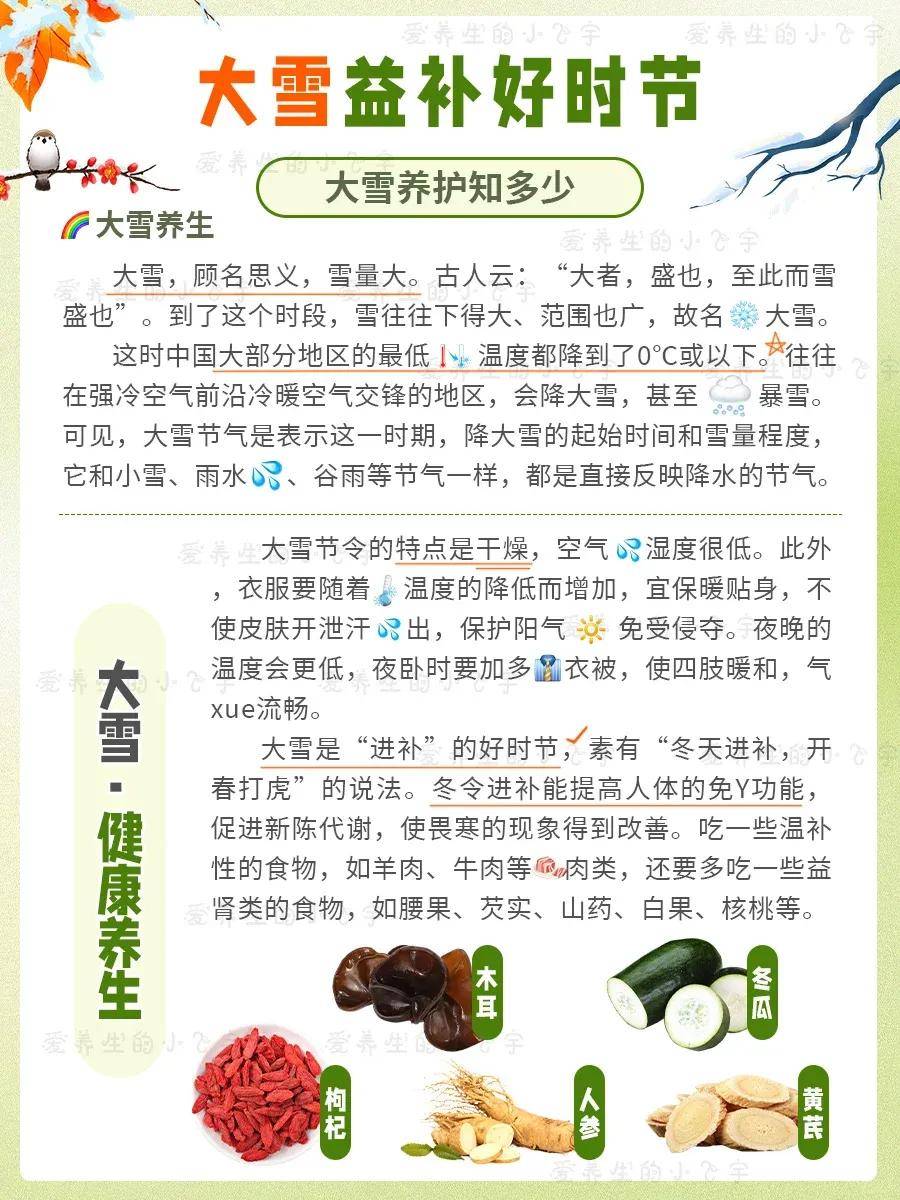
Core Insights - The China E-commerce Logistics Index for September reached a new high of 112.7 points, increasing by 0.4 points from the previous month, indicating sustained growth in e-commerce logistics [1] - The total business volume index for e-commerce logistics was 132.5 points, up by 1.1 points month-on-month, with the central region showing the highest increase of 3.5 points [1] - The rural e-commerce logistics business volume index also rose to 132.7 points, marking a 1.0 point increase, with the western region experiencing the highest growth of 2.3 points [3] Demand and Economic Activity - The continuous rise in the e-commerce logistics index reflects growing demand around the e-commerce sector and indicates improving economic vitality [1] - Factors contributing to demand growth include the National Day and Mid-Autumn Festival holiday preparations, seasonal consumption changes, and back-to-school shopping [1] - Popular online consumption categories included mooncakes, cultural products, and travel-related items, with significant sales in automotive supplies and holiday gifts [1] Technological and Operational Improvements - E-commerce logistics companies are enhancing their capabilities through increased transport capacity, technological advancements, and improved services, leading to a steady rise in supply willingness and capacity [5] - Key performance indicators such as logistics timeliness, fulfillment rate, satisfaction rate, and personnel index have all shown improvement, with the satisfaction rate reaching a high of 103 points for the first time this year [5] - Cost indices have decreased, reaching the lowest level since 2023, as companies implement measures like demand forecasting and unmanned delivery to reduce costs and increase efficiency [5] Future Outlook - The upcoming National Day and Mid-Autumn Festival are expected to boost e-commerce logistics demand, while the pre-promotion activities for the "Double Eleven" shopping festival may further enhance growth in October [5]
9月份电商物流指数继续刷新年内新高 “小包裹”折射经济活力持续向好
Yang Shi Wang· 2025-10-16 04:14
Core Insights - The China E-commerce Logistics Index for September reached 112.7 points, marking a month-on-month increase of 0.4 points and setting a new annual high [3] - The total business volume index for e-commerce logistics was 132.5 points, up 1.1 points from the previous month, with the central region showing the largest increase of 3.5 points [3][5] Industry Performance - The China E-commerce Logistics Index has maintained growth for seven consecutive months, indicating a sustained increase in demand around the e-commerce sector and reflecting ongoing economic vitality [5] - Various factors have contributed to the rise in demand, including preparations for the National Day and Mid-Autumn Festival holidays, seasonal consumption changes, and back-to-school shopping [7] - Popular online consumption categories included mooncakes, cultural tourism products, and seasonal gifts, with strong sales in automotive supplies and travel gear as autumn consumption begins to scale up [7]