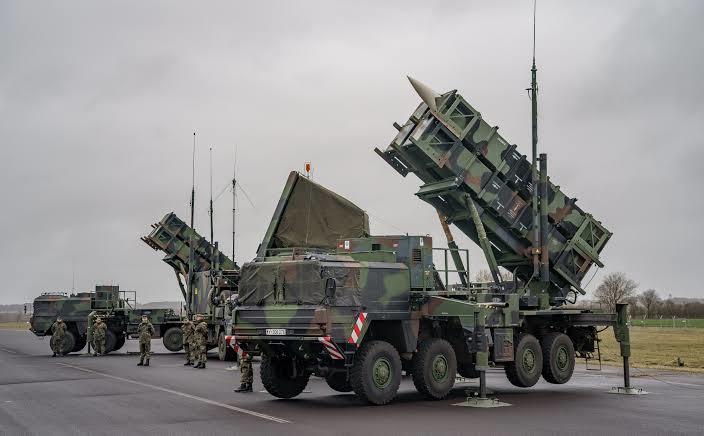
爱国者防空导弹

Search documents
美军最新动作,特朗普:近期达不成协议就准备动武!金价油价齐涨
Mei Ri Jing Ji Xin Wen· 2026-02-12 00:18
Group 1 - Iranian President Pezeshkian stated that Iran does not seek nuclear weapons and is open to any form of verification, but distrust from the US and Europe hampers dialogue [2][21] - Pezeshkian emphasized that regional issues should be resolved by the countries living in the area, not by external forces [6][24] - The Iranian government is making efforts to solve existing problems and is committed to regional peace and stability through dialogue with neighboring countries [6][25] Group 2 - US President Trump indicated that if an agreement is not reached soon, he is prepared to take military action against Iran, similar to actions taken in June of the previous year [7][26] - The US and Iran resumed negotiations in Oman, marking the first dialogue since the conflict in June, with Trump noting a softer approach from Iran [8][27] - Trump plans to discuss Iran issues with Israeli Prime Minister Netanyahu and expects a second round of negotiations with Iran to occur next week [11][30] Group 3 - Recent satellite images show that US military bases in the Middle East have increased their deployment of military equipment, including Patriot missiles [12][31] - International gold prices rose, with spot gold reaching $5,100 per ounce, while Brent crude oil futures approached $70, reflecting a 1.39% increase [15][34]


欧洲40亿军援砸向乌克兰,俄军为何不再隐忍?敖德萨遭导弹轰炸!
Sou Hu Cai Jing· 2025-12-06 04:34
Group 1 - The core viewpoint of the articles revolves around the ongoing tensions and negotiations between Russia, the United States, and Ukraine regarding the Ukraine conflict, highlighting significant disagreements and the lack of substantial progress in peace talks [1][4][5] - Russia demands Ukraine to undergo comprehensive disarmament, eliminate any long-range weaponry capable of threatening Moscow, and cede 20% of Donetsk region along with five cities, which poses a major obstacle in negotiations [1][4] - The Trump administration's "28-point peace plan" supported Russia's conditions but faced strong resistance from Europe, which insists that territorial concessions from Ukraine cannot be a condition for peace [4][5] Group 2 - Despite Western support for Ukraine, including military and economic aid, the situation on the battlefield remains dire for Ukraine, indicating a potential stalemate in the conflict [5][7] - Russia has stabilized its economy and is prepared for a prolonged conflict, while the U.S. is concerned about being drawn deeper into the war, prompting calls for an end to hostilities [7][8] - European nations, particularly Germany, Poland, and Norway, continue to provide significant military support to Ukraine, including advanced weaponry, despite the lack of full U.S. backing [8][10] Group 3 - The provision of advanced military equipment, such as the Tiger attack helicopters from Australia and various missile systems from European countries, aims to enhance Ukraine's military capabilities against Russian forces [8][10] - Russia has responded to European military aid by targeting Ukrainian infrastructure, particularly in Odesa, indicating a strategic approach to undermine Ukraine's support [10]

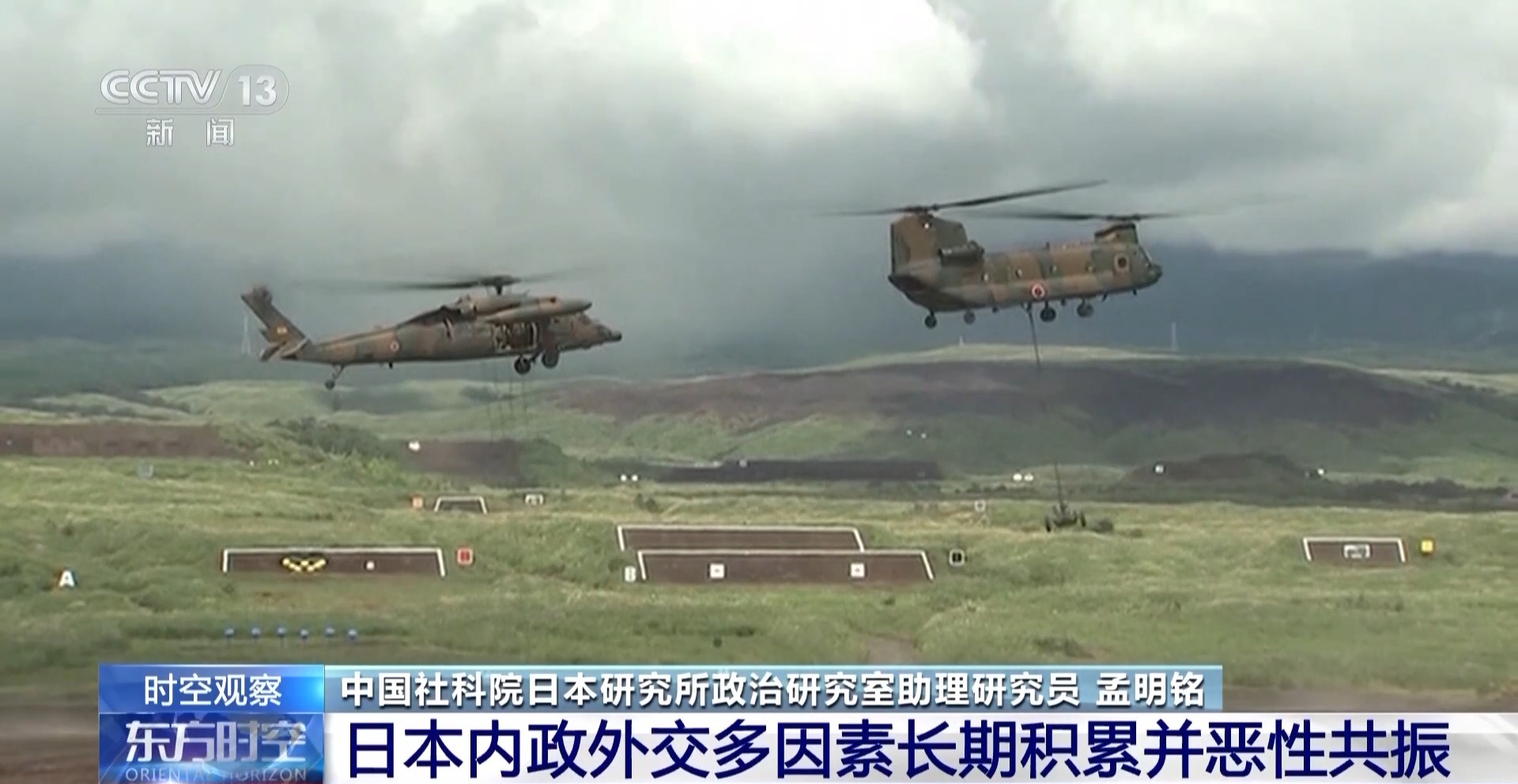
扩张军力动作不断 日本有何企图?专家解读→
Yang Shi Xin Wen· 2025-11-24 19:31
Group 1 - The Japanese government has completed the export of "Patriot" missile systems to the United States, marking the first export of lethal weapons since the relaxation of arms export restrictions [1] - Prime Minister Fumio Kishida has initiated the establishment of a new central intelligence agency, the "National Intelligence Agency," aiming to create a Japanese version of the CIA [1] Group 2 - There are efforts by Japanese right-wing forces to amend the "Three Non-Nuclear Principles" to introduce and potentially use nuclear weapons under the guise of "nuclear sharing" [2] - Kishida's provocative statements on Taiwan, history, territory, and security issues reveal a dangerous historical and strategic perspective held by Japanese right-wing forces [2] - The resurgence of right-wing thought in Japan is attributed to the incomplete reckoning of militaristic crimes post-World War II, compounded by U.S. encouragement of Japan's militaristic tendencies [2][4] Group 3 - The strategic anxiety of Japan's ruling elite is driven by stagnation in national power and the rise of China, leading to a desire to break free from post-war peace constraints and pursue a "normal state" status [4] - Japan is on a perilous path of undermining its "Peace Constitution" while attempting to assert itself in regional security matters [4][6] - The conservative shift in Japan's national security strategy poses significant risks to regional stability and security [6]
日本首次出口杀伤性武器,外交部回应
Zhong Guo Ji Jin Bao· 2025-11-21 09:58
Core Viewpoint - Japan has recently exported lethal weapons for the first time after relaxing its arms export restrictions, which raises concerns about a potential return to militarism and the violation of post-war commitments [1][2] Summary by Sections Japan's Arms Export Policy - Japan has completed its first export of lethal weapons, specifically the "Patriot" air defense missiles, following the relaxation of its arms export policy [1] - The Japanese government is discussing amendments to three security treaty documents, including changes to the "Three Non-Nuclear Principles" and increasing defense spending [1] International Response - China's Foreign Ministry spokesperson, Mao Ning, emphasized that if Japan attempts to revert to militarism and abandon its commitment to peaceful development, it will face opposition from both the Chinese people and the international community [2] - Mao pointed out that post-World War II international legal documents clearly outline Japan's obligations as a defeated nation, including complete disarmament and the prohibition of maintaining military industries that could lead to rearmament [1] Military Expansion Concerns - Japan's defense budget has seen a continuous increase for thirteen consecutive years, and the country has enacted new security laws to allow for collective self-defense [1] - The modification of Japan's "Three Principles on Arms Exports" to "Principles on Defense Equipment Transfers" indicates a significant relaxation of arms export restrictions, culminating in the export of lethal weapons [1]
日本首次出口杀伤性武器,中方:意欲何为?
财联社· 2025-11-21 07:59
Core Viewpoint - Japan is increasingly expanding its military capabilities and loosening restrictions on arms exports, raising concerns about its intentions and potential return to militarism [1] Group 1: Japan's Military Expansion - Japan has completed the return of "Patriot" missile systems to the U.S., marking its first export of lethal weapons since relaxing arms export restrictions [1] - The Japanese government has been increasing its defense budget for 13 consecutive years and has passed new security laws to allow for collective self-defense [1] - The modification of Japan's arms export principles indicates a significant shift towards a more aggressive military posture [1] Group 2: International Implications - Japan's actions contradict its stated goal of establishing a nuclear-free world, as it seeks to enhance deterrence cooperation and potentially revise its "Three Non-Nuclear Principles" [1] - The international community, particularly China, expresses strong opposition to Japan's militarization and potential revival of militaristic policies, emphasizing that such actions would disrupt post-war international order [1]

外交部:如果日本想重走军国主义老路 最终只能以失败告终
Ren Min Ri Bao· 2025-11-21 07:49
Core Viewpoint - Japan is increasingly expanding its military capabilities and loosening restrictions on arms exports, raising concerns about its intentions and potential return to militarism after World War II [1] Group 1: Japan's Military Expansion - Japan has completed the return of "Patriot" air defense missiles to the United States, marking its first export of lethal weapons since relaxing arms export restrictions [1] - The Japanese government has been increasing its defense budget for thirteen consecutive years and has enacted new security laws to allow collective self-defense [1] - Japan is modifying its "Three Principles on Weapons Exports" to the "Three Principles on Defense Equipment Transfers," further easing arms export limitations [1] Group 2: Nuclear Policy and International Relations - Japan claims to aim for a world without nuclear weapons while simultaneously strengthening "extended deterrence" cooperation and seeking to amend its "Three Non-Nuclear Principles" [1] - The potential modification of these principles could facilitate Japan's pursuit of "nuclear sharing" arrangements, which raises alarms about its commitment to peace [1] - The actions taken by Japan suggest a move away from its post-war pacifism and a shift towards rearmament, prompting questions about its future intentions [1]
“日本首次出口具杀伤力武器”
券商中国· 2025-11-20 04:23
Core Viewpoint - The Japanese government has completed the export of "Patriot" air defense missiles to the United States, marking a significant shift in Japan's defense policy and raising concerns about potential regional security implications [1][2]. Group 1: Export of Defense Equipment - The export of "Patriot" missiles is the first instance of Japan exporting lethal weapons since the relaxation of its arms export policy in 2023 [2]. - Japan's government revised its "Three Principles on Defense Equipment Transfer" and operational guidelines in December 2023, allowing Japanese contractors to export defense equipment to countries of origin for manufacturing licenses [2]. Group 2: Implications and Reactions - Military experts view this development as a dangerous signal that could trigger a series of chain reactions in regional security dynamics [1].
危险信号!日本首次出口“爱国者”导弹
第一财经· 2025-11-20 01:22
Core Viewpoint - The article discusses Japan's completion of the export of "Patriot" air defense missiles to the United States, marking a significant shift in Japan's defense policy and raising concerns about potential regional security implications [3]. Group 1: Export of Defense Equipment - Japan has completed the delivery of "Patriot" air defense missiles to the United States as part of a contract, which is the first export of lethal weapons since Japan relaxed its arms export restrictions in 2023 [3]. - The export follows Japan's modification of its "Three Principles on Defense Equipment Transfer" and operational guidelines in December 2023, allowing Japanese contractors to export defense equipment to countries with manufacturing licenses [3]. Group 2: Implications and Reactions - Military experts view this development as a dangerous signal that could trigger a series of chain reactions in regional security dynamics [3]. - The export is seen as a response to the United States' request for Japan to fill the gap in its weapon stockpiles due to aid provided to Ukraine [3].
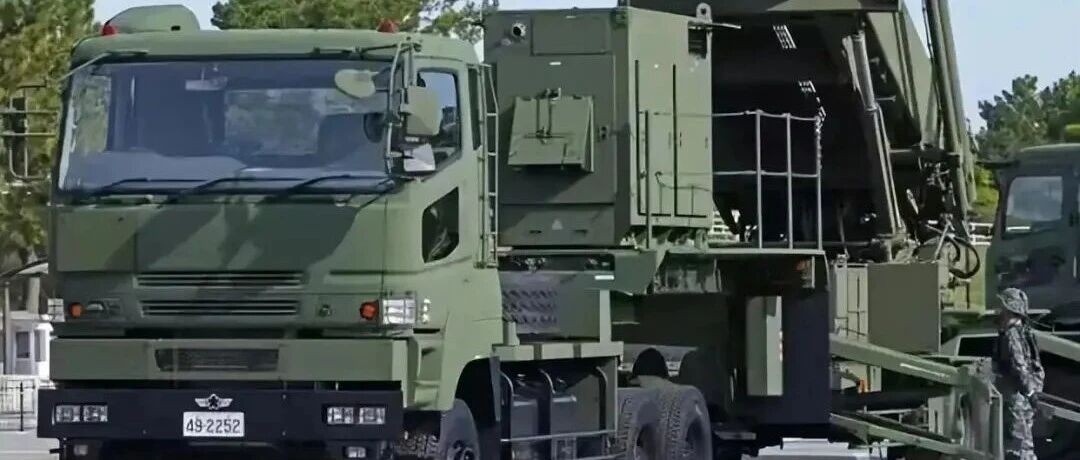
日本首次出口“爱国者”导弹
财联社· 2025-11-20 00:29
Core Viewpoint - The Japanese government has completed the export of "Patriot" air defense missiles to the United States, marking a significant shift in Japan's defense policy and raising concerns about potential regional security implications [1][2]. Group 1: Export of Defense Equipment - The Japanese government has delivered "Patriot" air defense missiles to the U.S. as part of a contract, which is the first export of lethal weapons since Japan relaxed its arms export policy in 2023 [2]. - This export follows the revision of Japan's "Three Principles on Defense Equipment Transfer" and operational guidelines, allowing Japanese contractors to export defense equipment to countries with manufacturing licenses [1][2]. Group 2: Policy Changes - On December 22, 2023, the Japanese government approved a new version of the "Three Principles on Defense Equipment Transfer," enabling the export of domestically produced "Patriot" missiles to the U.S. [2]. - This decision represents the first time since the 2014 cabinet resolution that Japan has allowed the export of lethal weapons, indicating a significant policy shift in Japan's defense strategy [2].
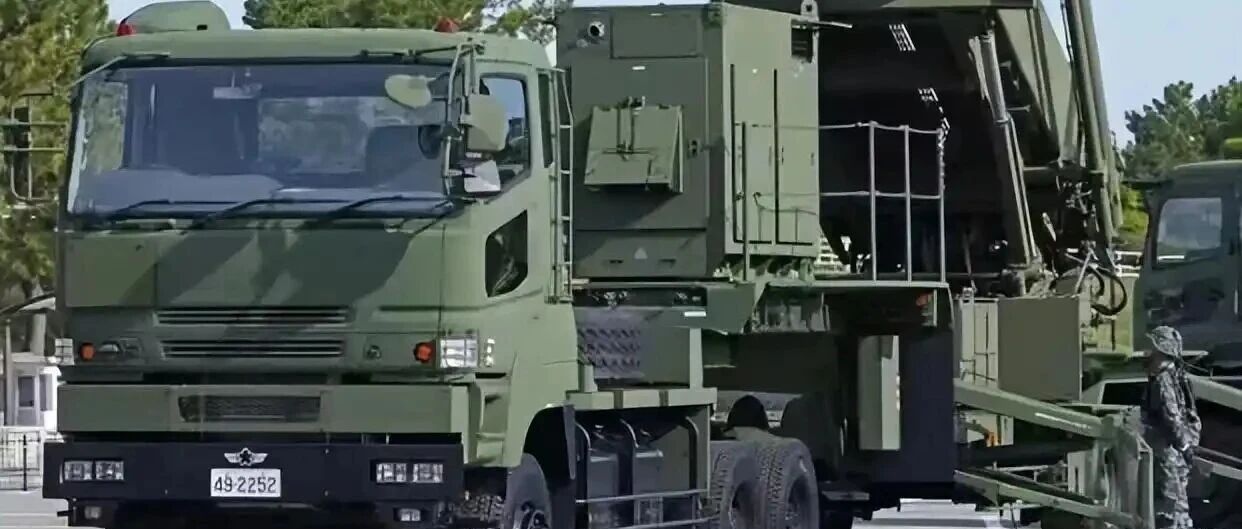
危险信号!日媒爆料:日本完成对美返销“爱国者”导弹,系首次出口具有杀伤力武器
Huan Qiu Wang· 2025-11-19 13:38
Core Viewpoint - The Japanese government has completed the export of "Patriot" air defense missiles to the United States, marking a significant shift in Japan's defense policy and raising concerns about regional security implications [1][3]. Group 1: Policy Changes - The Japanese government amended its "Three Principles on Defense Equipment Transfer" and operational guidelines in December 2023, allowing Japanese contractors to export defense equipment to countries with manufacturing licenses [3]. - This export of "Patriot" missiles is the first instance of Japan exporting lethal weapons since the relaxation of its arms export restrictions in 2023 [3][4]. - The decision to export these missiles follows a 2014 cabinet resolution that allowed for the transfer of defense equipment, indicating a significant policy shift towards more proactive military engagement [3]. Group 2: Regional Reactions - Chinese officials have expressed concerns regarding Japan's military movements, citing the historical context of Japanese militarism and urging Japan to respect the security concerns of its neighbors [3]. - Military experts have indicated that the modification of Japan's arms export policy signals a potential increase in the export of lethal weapons, which could threaten regional security [4].