
猪肉炖粉条

Search documents
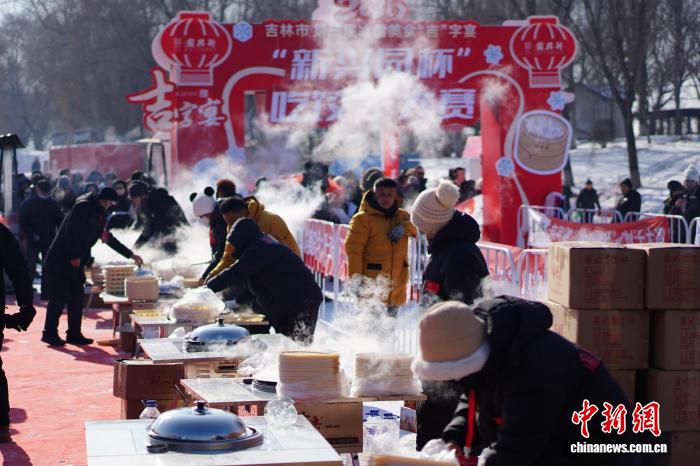
“吉”字宴冰面开席 吉林市百口“铁锅炖”免费飨客
Zhong Guo Xin Wen Wang· 2026-01-31 08:01
Core Viewpoint - The "Ji" Feast, a significant ice and snow culinary event in Jilin City, aims to attract tourists and enhance the city's reputation as a winter tourism hub, showcasing local delicacies and cultural activities [1][2]. Group 1: Event Overview - The third "Ji" Feast was held on January 31, featuring large iron pots arranged in a "Ji" shape on the ice, offering free local delicacies to visitors [1]. - Jilin City is recognized as a major destination for ice and snow tourism, known for its beautiful frost and skiing opportunities, and has been awarded as one of China's top ten ice and snow tourism cities for several consecutive years [1][2]. Group 2: Culinary Highlights - The event showcased various local dishes, including the "Three Flowers and One Island" fresh fish pot, Ula hot pot, pork stewed with vermicelli, and chicken stewed with mushrooms, attracting tens of thousands of visitors [2]. - Long queues formed at each cooking station, emphasizing the popularity of the "surrounding stove dining" experience, complemented by live performances on the main stage [2]. Group 3: Activities and Competitions - The event included diverse activities such as a badminton invitation tournament, a parade featuring unique horses and floats, ice karting, and snow tubing, enhancing the overall experience [2]. - A "dumpling eating competition" drew significant interest, with participants competing to eat the most dumplings within a set time, showcasing the festive atmosphere [5].

好评中国|中国年味,有的不只是“家乡味”
Xin Lang Cai Jing· 2026-01-25 03:47
Group 1 - The article emphasizes the cultural significance of traditional Chinese New Year goods, highlighting the emotional connection to hometown flavors and family traditions [1][3] - Various regional specialties are showcased, such as Jilin ginseng, Yunnan wild mushrooms, and Hunan dried duck, reflecting the diversity of Chinese culinary culture [1] - The concept of "local goods" and "foreign goods" coming together in markets like Changchun's Agricultural County is noted, providing a one-stop shopping experience for consumers [1][3] Group 2 - The article discusses how food items from different regions evoke a sense of longing and connection to places one has not visited, enhancing the experience of the New Year celebration [2] - It highlights the romantic aspect of sharing regional delicacies between couples who cannot celebrate together, symbolizing emotional ties despite physical distance [2] - The gathering of diverse goods at markets enriches the overall experience of the New Year, making it more vibrant and multifaceted [3]
中国年味,有的不只是“家乡味”
Xin Lang Cai Jing· 2026-01-25 02:49
Group 1 - The article emphasizes the cultural significance of traditional Chinese New Year goods, highlighting the emotional connection to hometown flavors and family traditions [1][3] - Various regional specialties are showcased, such as Jilin ginseng, Yunnan wild mushrooms, and Hunan sauce duck, reflecting the diversity of Chinese culinary heritage [1] - The concept of "local goods" and "foreign goods" is explored, illustrating how they cater to diverse consumer needs and enhance the festive atmosphere [1][3] Group 2 - The article discusses how food items from different regions evoke a sense of longing and connection to places not yet visited, enriching the New Year experience [2] - It highlights the role of food in romantic relationships during the New Year, where couples exchange regional delicacies to feel closer despite being apart [2] - The gathering of various local and foreign goods at markets symbolizes the richness and diversity of Chinese New Year celebrations, fulfilling a wide range of consumer demands [3]
起号最快的离职博主,闯入10元工地盒饭赛道
36氪· 2025-12-04 00:36
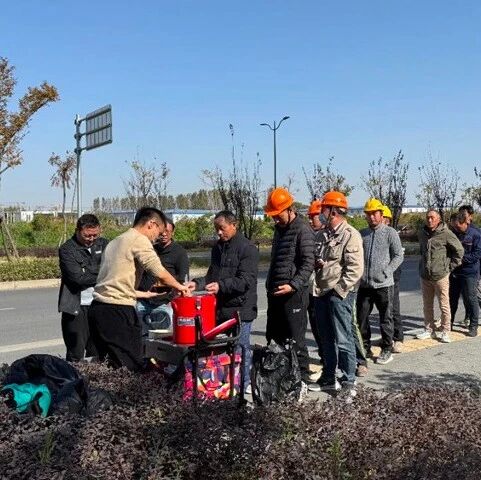
Core Viewpoint - The article discusses the journey of a young individual, Xiao Bing, who transitioned from being a laid-off programmer to selling affordable lunch boxes at construction sites in Shanghai, leveraging social media to document his experiences and attract a following of 200,000 fans in just half a month [6][10][52]. Group 1: Xiao Bing's Business Model - Xiao Bing sells lunch boxes at construction sites for 10 yuan, offering generous portions that appeal to workers looking for affordable meals [11][20]. - His business model emphasizes quality and quantity, with each box containing nearly half a kilogram of meat, which he claims is necessary to sustain the physical demands of labor [23][24]. - The operation is simple, using a four-wheeled cart and a 30L thermal container for the food, allowing him to serve quickly and efficiently [18][20]. Group 2: Social Media Impact - Xiao Bing's rise to fame is attributed to the authentic interactions he showcases in his videos, highlighting the lives of construction workers and the community around him [9][10]. - His social media presence not only serves as a marketing tool but also creates a sense of community, where he refers to his followers as "义父" (benefactors) [52]. - Despite the initial success, he faces challenges with content repetition and the need to innovate to maintain viewer engagement [55]. Group 3: Economic Context - The article highlights the economic pressures faced by young professionals in Shanghai, particularly in the wake of layoffs and the high cost of living [12][31]. - Xiao Bing's story reflects a broader trend of young individuals turning to self-employment and entrepreneurship as traditional job security diminishes [10][31]. - The construction site environment is characterized by a lack of dining options, making Xiao Bing's offering particularly valuable to workers [15][20].
东北“乱炖”(多味斋)
Ren Min Ri Bao· 2025-07-29 23:23
Core Viewpoint - The article discusses the unique characteristics of Northeast Chinese cuisine, particularly its stews, which reflect the region's history and cultural influences, emphasizing the concept of "chaotic stew" that combines various ingredients harmoniously [1][2]. Group 1: Characteristics of Northeast Cuisine - Northeast cuisine lacks formal classification like the "Four Great Cuisines" or "Eight Great Cuisines" of China, primarily due to its historical context as a remote area with scarce resources [1]. - The cooking style is described as "chaotic stew," where the focus is on flavor rather than strict adherence to culinary rules, allowing for creativity and personal expression in cooking [1][3]. Group 2: Key Dishes and Ingredients - A notable dish, "De Mo Li," features fish as the main ingredient, complemented by tofu and vermicelli, highlighting the rich agricultural produce of Northeast China's black soil [2]. - Another popular dish is "Pork Stew with Vermicelli," which includes frozen tofu that absorbs flavors more effectively, enhancing the overall taste experience [2]. - The dish "Da Feng Shou" symbolizes the abundance of Northeast produce, incorporating a variety of colorful vegetables and pork ribs, showcasing the region's culinary diversity [2][3]. Group 3: Cooking Philosophy - The cooking philosophy of Northeast cuisine emphasizes inclusivity and boldness, where the size of the cooking pot is crucial to accommodate a variety of ingredients, reflecting the communal and hearty nature of the food [3]. - The concept of "stewing" allows for endless combinations of ingredients, encouraging creativity and personal interpretation in the cooking process [3].