
玉米胚芽

Search documents
玉米最营养的部位原来是这里!很多人都浪费了
Yang Shi Xin Wen· 2026-02-26 08:07
Core Viewpoint - Corn is a nutritious food that offers various health benefits, making it a popular choice for many, especially for those looking to manage weight and improve overall health. Nutritional Value of Corn - A typical ear of corn weighing about 200 grams has an edible portion of approximately 100 grams, containing various nutrients such as β-carotene, lutein, and zeaxanthin, with β-carotene ranging from 58.13 to 817.27 mg/100g, lutein from 15.47 to 854.4 mg/100g, and zeaxanthin from 22.64 to 227.8 mg/100g [1] - Corn has a dietary fiber content of 2.9g/100g, which is nearly five times that of japonica rice [2] - The potassium content in corn is 238mg/100g, which is 2.5 times that of japonica rice and 1.3 times that of wheat flour [2] - Corn contains vitamin B2 at 0.11mg/100g, which is 1.4 times that of japonica rice and 2.2 times that of wheat flour [2] - Compared to japonica rice and wheat flour, corn has lower protein content, being only half and a quarter of their respective amounts [9] Health Benefits of Eating Corn - Consuming corn can help stabilize blood sugar levels due to its high dietary fiber content, which enhances satiety and promotes gastrointestinal motility [5] - The rich potassium content in corn aids in blood pressure control by maintaining fluid balance and participating in cellular metabolism [5] - Corn is lower in calories compared to white rice and wheat products, making it beneficial for weight management when used as a partial substitute for these foods [6] - The β-carotene in corn is a significant source of vitamin A, which protects vision and helps prevent night blindness and other eye diseases [7] Types of Corn and Their Nutritional Differences - Sweet corn and waxy corn differ in taste and nutritional content; sweet corn has a higher sugar content and lower starch, while waxy corn has a higher digestible starch content [11][13] - Yellow and purple corn contain more antioxidants compared to white corn, with yellow corn being richer in carotenoids and purple corn having higher anthocyanin content [15] Most Nutritious Part of Corn - The most nutritious part of corn is the germ, which constitutes about 8% to 12% of the kernel's weight and contains essential nutrients such as vitamin E, calcium, iron, and zinc [18][19] - Corn germ is rich in unsaturated fatty acids, with 45% to 55% of its fat content being unsaturated, primarily linoleic acid [20]


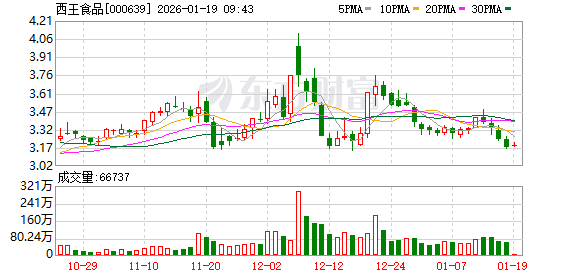
西王食品:除西王集团关联方,另有其它玉米胚芽采购渠道,第三方供应商采购占比超关联方
Cai Jing Wang· 2026-01-21 05:54
Group 1 - The core viewpoint of the article is that Xiwang Food has multiple procurement channels for corn germ, with third-party suppliers accounting for a significant portion of purchases, exceeding that of related parties [1] Group 2 - Xiwang Food confirmed that aside from related parties within the Xiwang Group, there are other procurement channels for corn germ [1] - The proportion of purchases from third-party suppliers has surpassed that from related parties in recent years [1]

西王食品:公司有其它玉米胚芽的采购渠道,第三方供应商采购占比超过关联方采购
Mei Ri Jing Ji Xin Wen· 2026-01-19 01:44
Group 1 - The company, Xiwang Food, confirmed that it has procurement channels for corn germ beyond its related party, Xiwang Group [2] - The procurement from third-party suppliers exceeds that from related parties [2]
这些粗粮可能比米饭还“升糖”
Xin Lang Cai Jing· 2025-12-24 16:48
Core Insights - Many people consider consuming coarse grains as a healthy choice for controlling blood sugar, especially for those with high blood sugar or diabetes, but some coarse grains can actually cause blood sugar levels to rise more quickly than white rice or steamed buns [1] Group 1: High Glycemic Index Coarse Grains - Glutinous corn has a glycemic index (GI) of approximately 70-80, which is classified as high, leading to a faster increase in blood sugar levels compared to other grains [2] - Yellow millet porridge, particularly made from glutinous varieties, can raise blood sugar levels faster than white rice porridge, making it important for those with blood sugar issues to limit its consumption [2] - Baked sweet potatoes have a GI of 94, significantly higher than steamed ones (GI of 77), due to the conversion of some sucrose into faster-acting maltose during baking [2] Group 2: Factors Contributing to High Glycemic Response - The breeding of sweeter varieties of foods like sweet potatoes and pumpkins has resulted in higher sugar content and GI values compared to older varieties [3] - Overcooking grains increases the gelatinization of starch, leading to faster absorption in the intestines and a quicker rise in blood sugar [3] - Excessive processing, such as making mashed potatoes or grain pastes, removes dietary fiber that helps slow down sugar absorption, resulting in a doubled glycemic response [3] Group 3: Recommended Coarse Grains for Stable Blood Sugar - Whole grain cereals like oats, barley, and buckwheat have lower GI values compared to refined grains, aiding in better blood sugar control for diabetic patients [5] - Legumes such as red beans, green beans, and chickpeas have a milder GI, providing essential nutrients while avoiding excessive saturated fats and cholesterol [6] - Bran products, including oat bran and whole grain bread, are rich in dietary fiber, which helps slow digestion and sugar absorption, making them beneficial for diabetes management [7] - Germ foods like wheat germ and corn germ are nutrient-dense, containing vitamins, minerals, and healthy fats that support overall health, particularly for diabetic patients [7]
秋粮收购一线探访
Ren Min Ri Bao· 2025-12-19 01:36
Core Insights - The autumn grain harvest in China is progressing rapidly, with a notable increase in both the speed of grain purchases and market activity, particularly in Heilongjiang Province [8] Group 1: Grain Purchase Characteristics - Digital platforms like "Hui San Nong" are facilitating grain sales, allowing farmers to secure better prices, with some reporting a price increase of 27 to 34 yuan per ton compared to grain brokers [2] - The average purchase price for corn has risen by 80 to 100 yuan per ton compared to last year, leading to increased enthusiasm among farmers for selling their grain [4] - As of November 25, Heilongjiang Province has seen a total grain purchase of 506 billion jin, an increase of 109.7 billion jin year-on-year [7] Group 2: Financial Support and Loan Disbursement - The Agricultural Development Bank is providing significant financial support, with a total of 40.7 billion yuan in loans for autumn grain purchases, facilitating the acquisition of 168.8 million tons of grain [3] - The bank has also increased its loan disbursement for the 2025 grain year by 13.78 billion yuan, supporting the purchase of 110.46 billion jin of grain [7] - The bank's commitment to providing 24-hour payment services is crucial for ensuring farmers receive their payments promptly [3] Group 3: Quality and Market Dynamics - The quality of this year's corn is reportedly better than last year, with most samples classified as first-grade, which supports higher prices for farmers [7] - There is a growing demand for corn from outside Heilongjiang, indicating a recovery in downstream demand [8] - The market for high-protein soybeans remains strong, with active purchasing interest from operators [8] Group 4: Challenges and Recommendations - Some farmers are hesitant to sell their grain, driven by market speculation, which could pose risks [9] - Experts suggest enhancing the coordination between policy-driven and market-driven purchases, improving financial support, and promoting storage technology to ensure farmers benefit from the harvest [9]
【人民日报】秋粮收购一线探访(乡村观察)
Ren Min Ri Bao· 2025-12-19 00:53
Group 1 - The core viewpoint of the articles emphasizes the importance of food security and the current rapid pace of autumn grain procurement in China, particularly in Heilongjiang Province, which is experiencing a bumper harvest and favorable prices for farmers [1][7]. Group 2 - Digital platforms like "Hui San Nong" are facilitating grain sales, allowing farmers to efficiently sell their produce and receive payments quickly, with prices at procurement points being higher than those offered by grain brokers [2][3]. - The average procurement price for corn has increased by 80 to 100 yuan per ton compared to last year, leading to higher enthusiasm among farmers for selling their grain [4][6]. - As of the end of November, the Agricultural Development Bank has provided significant financial support for grain procurement, with loans amounting to 40.7 billion yuan for autumn grain purchases, facilitating the acquisition of 168.8 million tons of grain [3][6]. Group 3 - The quality of grains, particularly corn, has improved this year, with most samples being classified as first-grade, which is crucial for ensuring better prices for farmers [6][7]. - The total grain procurement in Heilongjiang Province has reached 506 billion jin, an increase of 109.7 billion jin year-on-year, indicating a robust market activity [6][7]. - Companies are focusing on building a complete industrial chain for corn, from procurement to deep processing, which enhances product value and competitiveness [5].
秋粮收购一线探访(乡村观察)
Ren Min Ri Bao· 2025-12-18 21:56
Core Insights - The article discusses the current state of autumn grain procurement in Heilongjiang Province, highlighting the rapid pace of grain purchases and the positive impact of digitalization on the process [2][7]. Group 1: Procurement Characteristics - The autumn grain procurement is characterized by a significant increase in purchasing speed, with Heilongjiang Province's enterprises having purchased a total of 506 billion jin of new grain by November 25, an increase of 109.7 billion jin year-on-year [7]. - Digital platforms like "Hui San Nong" are facilitating the procurement process, allowing farmers to easily schedule sales and receive timely payments [2][3]. - The average purchase price for corn has increased by 80 to 100 yuan per ton compared to last year, leading to higher enthusiasm among farmers to sell their grain [4][7]. Group 2: Financial Support - The Agricultural Development Bank has provided substantial financial backing, with a total of 172.81 billion yuan in loans for autumn grain procurement by the end of November, an increase of 13.78 billion yuan year-on-year [7]. - The bank supports both policy-based and market-oriented grain purchases, ensuring that farmers receive timely payments for their grain sales [7][8]. Group 3: Quality and Market Dynamics - The quality of grain, particularly corn, has improved this year, with most samples being classified as first-grade, which is expected to benefit farmers through better pricing [6][7]. - There is a notable increase in demand for corn from outside Heilongjiang, indicating a recovery in downstream demand [7]. - The market for soybeans remains strong, with high protein soybean purchases being actively pursued by operators [7]. Group 4: Challenges and Recommendations - Some farmers are hesitant to sell their grain, driven by a "look up, not down" mentality regarding market prices, which could pose risks [8]. - Experts suggest enhancing the coordination between policy-based and market-oriented procurement, improving financial support, and promoting storage technology to ensure that farmers can effectively capitalize on their harvests [8].