
绿豆

Search documents
党旗在基层一线高高飘扬|从“外人”到“亲人”:第一书记的振兴答卷
Xin Hua She· 2026-02-26 01:35
Core Viewpoint - The article highlights the transformative efforts of You Bianqing, the first secretary of Nanliunan Village, in improving the village's infrastructure and agricultural practices, leading to economic development and enhanced community trust [3][4]. Group 1: Infrastructure Development - You Bianqing successfully advocated for the construction of a 3.8-kilometer asphalt road, significantly improving access to the village and changing residents' perceptions of the work team [3][4]. - The newly built roads have eliminated the previous difficulties in transportation, allowing villagers to seek assistance from the village committee more readily [4]. Group 2: Agricultural Innovation - The village, previously reliant on traditional crops like corn, has shifted towards fruit tree cultivation, introducing varieties such as peaches, pears, cherries, and grapes since 2017 [4][7]. - In 2025, through offline exhibitions and online promotions, the village generated over 1 million yuan in sales from fruits and other agricultural products [7]. Group 3: Community Engagement and Development - You Bianqing utilized social media to promote the village's agricultural products, engaging the community in the process of transforming from traditional farmers to operators of fruit-picking parks [7]. - The village has seen significant improvements in its appearance, with new public facilities replacing old waste piles, contributing to a better living environment [7].

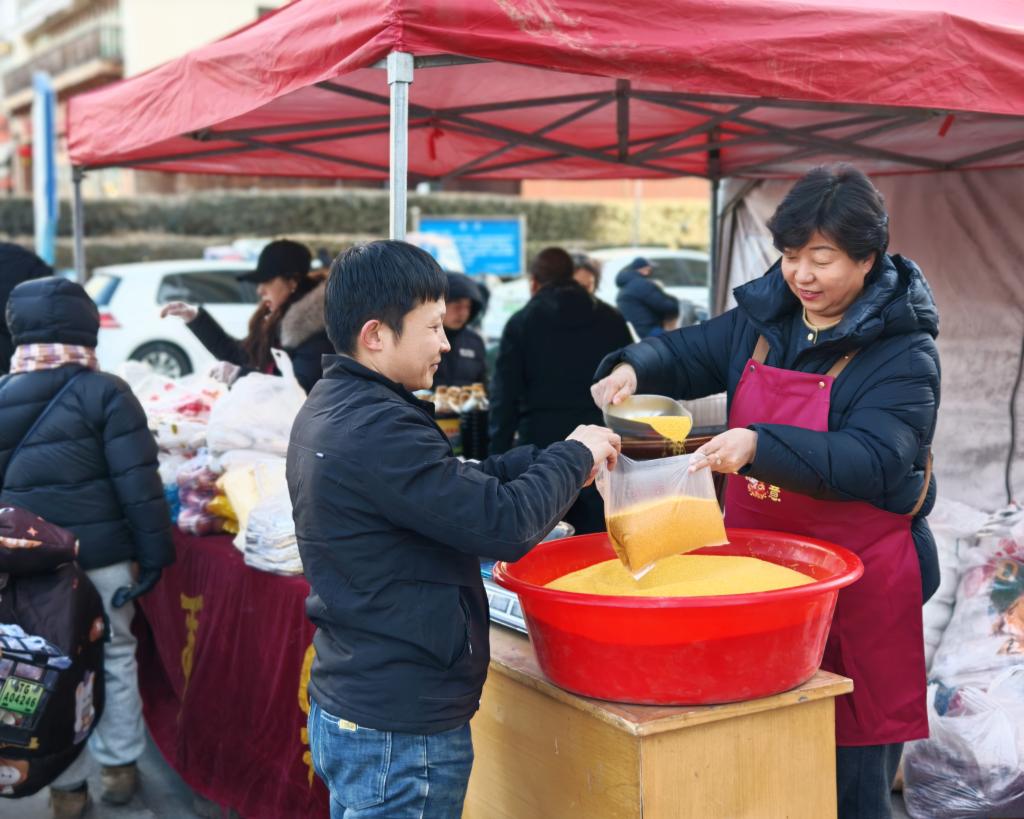
从“外人”到“亲人” 第一书记的振兴答卷
Xin Hua She· 2026-02-26 00:04
Core Insights - The article highlights the transformative impact of community leadership in rural development, particularly through the efforts of a female village leader in Shanxi Province, who has successfully improved infrastructure and agricultural practices in her village [1][2][3] Group 1: Infrastructure Development - The village leader, You Bianqing, successfully advocated for the construction of a 3.8-kilometer asphalt road, significantly improving access to the village and changing residents' perceptions of her leadership [1][2] - The newly built roads have eliminated the previous difficulties in transportation, allowing villagers to seek assistance from the village committee more readily [2] Group 2: Agricultural Innovation - Recognizing the limitations of traditional farming, the village leader introduced new fruit tree varieties, including peaches and cherries, to diversify agricultural production and enhance income [2] - In 2025, through a combination of offline exhibitions and online marketing, the village generated over 1 million yuan in sales from fruits and other agricultural products [2] Group 3: Community Transformation - The village has undergone a significant transformation, with the removal of traditional waste piles and the introduction of new public facilities such as community centers and recreational areas [3] - The village leader is exploring further opportunities for economic development, including the establishment of a branch crushing factory and cold storage for seasonal fruit sales [3]
美关税压力下,印度12月对华出口大涨68%
Huan Qiu Shi Bao· 2026-01-26 22:48
Core Insights - India's exports to China have significantly increased, with a 68% rise in December alone, reaching $2.05 billion, and a 36.7% increase in the first nine months of the fiscal year, totaling $14.25 billion [1][2][3] Group 1: Trade Diversification - The U.S. high tariffs have pressured India to diversify its trade, making China a key export market [2][3] - Key products driving the export growth include oilseed meal, seafood, telecom instruments, and spices [2] - Notably, exports of electronic products to China have surged, with mobile component exports increasing by 82% to $362 million and printed circuit board exports skyrocketing over 2000% to $418 million [2] Group 2: Bilateral Trade Dynamics - China has become India's largest trading partner, with bilateral trade expected to reach $110.2 billion, surpassing trade with the U.S. at $105.31 billion [3] - The ongoing negotiations between India and the U.S. have stalled, further emphasizing the importance of the Chinese market for India [3] Group 3: Structural Changes and Opportunities - The growth in exports to China is attributed to global supply chain restructuring, India's market diversification efforts, and improving Sino-Indian relations [4] - India can leverage China's vast market to stabilize exports, boost economic growth, and attract investments in infrastructure and renewable energy projects [5] Group 4: Future Collaboration Potential - There are opportunities for bilateral cooperation in energy, electronics, agriculture, and digital economy sectors, which can enhance mutual benefits [6] - India is planning to ease restrictions on Chinese companies to mitigate project delays and supply shortages, indicating a shift towards greater collaboration [6]
2025年陕西企业通过中欧班列(西安)进出口货值415.4亿元 占班列总货值的56.9%
Xin Lang Cai Jing· 2026-01-23 14:47
Group 1 - The core point of the article highlights the significant growth and operational efficiency of the China-Europe Railway Express (Xi'an) in 2025, with a total of 28,000 enterprises involved in import and export activities, achieving a 11.7% year-on-year increase in trade value to 41.54 billion yuan [2] - In 2025, 347 enterprises from Shaanxi province contributed to the total trade value, which accounted for 56.9% of the total value of the railway express, indicating an increasing compatibility between Shaanxi's industrial structure and the railway transport [2] - The Xi'an Customs has implemented innovative models to optimize the business environment, enhancing the railway's consolidation capacity, with 39.52 billion yuan of goods passing through the Xi'an Comprehensive Bonded Zone, representing 54.2% of the total import and export value [2] Group 2 - The article discusses the promotion of trade integration, with the Xi'an Customs providing one-stop customs guidance and customized regulatory services for the export of advantageous industries such as new energy vehicles and photovoltaic products to Central Asia, achieving nearly 2 billion yuan in exports [3] - The import side has seen improvements as well, with the daily operational capacity of designated supervision sites for imported grain increasing from 40 standard containers to over 200, and the inspection and release time reduced to under 5 days [3] - Trade with Kazakhstan and Uzbekistan has been particularly active, with a direct "point-to-point" connection enhancing cross-border logistics efficiency, leading to a trade volume of 5.32 billion yuan with Kazakhstan, marking a 19.1% increase [3]
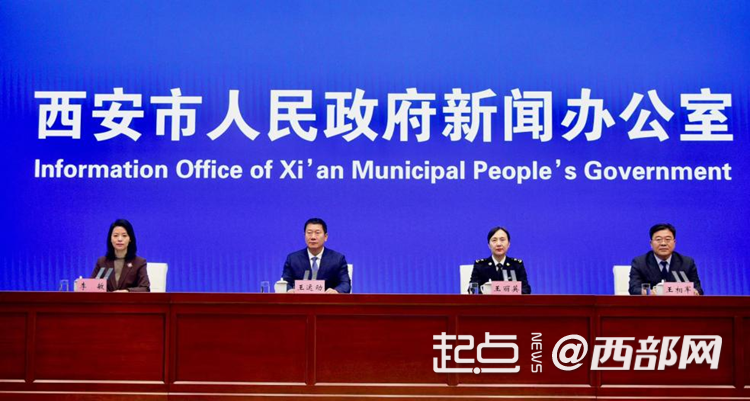
郑州一男童食用隔夜木耳进ICU!医生紧急提醒!
Xin Lang Cai Jing· 2026-01-19 04:46
Core Viewpoint - The article highlights the dangers of consuming improperly prepared dried mushrooms, specifically the risk of mycotoxin poisoning from overnight soaked wood ear mushrooms, which can lead to severe health crises, including death [1][3]. Group 1: Incident Overview - A 5-year-old boy experienced severe symptoms after consuming overnight soaked wood ear mushrooms, leading to a diagnosis of mycotoxin poisoning and requiring ICU treatment [1]. - The poisoning was attributed to mycotoxin produced by the bacterium Pseudomonas cocovenenans, which is known for causing fatal foodborne illnesses [3]. Group 2: Mycotoxin Characteristics - Mycotoxin is highly heat-resistant, remaining unaffected by boiling or pressure cooking, making conventional cooking methods ineffective for detoxification [5]. - The lethal dose of mycotoxin is as low as 1-1.5 milligrams, with a mortality rate ranging from 40% to 100%, and it causes irreversible damage to vital organs [5]. - The toxin is colorless and odorless, making it difficult to detect until significant contamination has occurred [5]. Group 3: Food Safety Guidelines - It is advised that wood ear and silver ear mushrooms should not be soaked at room temperature for more than 4 hours, and in warmer conditions, this time should be reduced to 2-3 hours [8]. - For dried beans, soaking should be limited to 4-6 hours in warm water, and they should not be left overnight [8]. - Regularly changing the soaking water and thoroughly cooking the soaked ingredients are recommended to minimize bacterial growth and toxin accumulation [8].
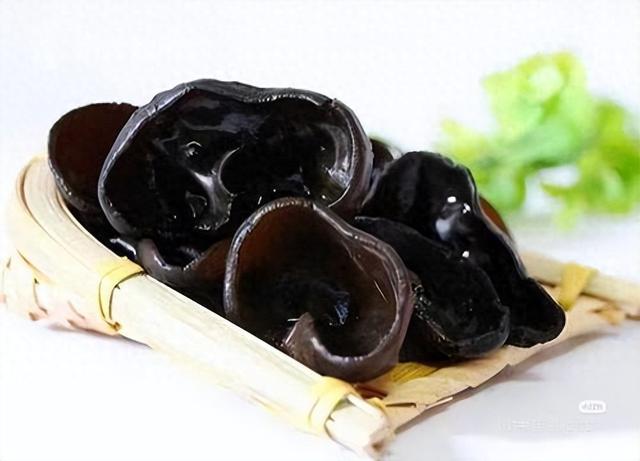
冬天要适当吃些凉性食物
Xin Lang Cai Jing· 2026-01-15 16:20
Group 1 - The article emphasizes the importance of consuming cooling foods during winter to balance internal heat and prevent symptoms like dry lips and excessive thirst [1] - It clarifies that cooling foods are not necessarily cold in temperature but include specific vegetables, fruits, animal proteins, and legumes [1] - Examples of cooling foods mentioned are winter melon, Chinese cabbage, celery, spinach, winter bamboo shoots, snow pears, water chestnuts, duck meat, seafood, mung beans, and lotus seeds [1]
粮食种类大全
Xin Lang Cai Jing· 2026-01-08 11:48
Core Insights - China's agricultural policy will shift towards supply-demand balance and competitiveness enhancement, aiming to establish a market-based pricing mechanism for agricultural products within the next two to three years, alongside a direct subsidy system to protect farmers' interests and promote sustainable agricultural development [5]. Group 1: Grain Production - The total grain production in China reached 1,339 billion jin in 2020, an increase of 11.3 billion jin from the previous year, marking a year-on-year growth of 0.9% and achieving a continuous harvest for the seventeenth consecutive year [4][5]. Group 2: Grain Quality and Storage - The moisture content of harvested grain is crucial for both commercial use and seed purposes, with the ideal drying level being close to the critical moisture content for microbial growth, ensuring safe storage, preventing mold and quality deterioration, and maintaining freshness, taste, and germination ability [5]. - Moisture and temperature jointly affect the respiration of grain, with low moisture levels resulting in minimal temperature impact on respiration, while increased moisture leads to significant respiratory intensity changes with temperature fluctuations [7]. Group 3: Experimental Findings - Experiments indicate that grain with a moisture content of 18%-23% experiences a rapid increase in respiration at temperatures of 50-55°C, followed by a sharp decline, whereas grain with a moisture content of 14%-16% maintains stable respiration intensity over several days at the same temperature [8].
平凉市十二月份部分重要商品价格市场变动情况
Xin Lang Cai Jing· 2026-01-04 02:49
Core Viewpoint - The price monitoring data for December indicates mixed trends in the prices of key commodities compared to November, with some prices rising and others falling, while overall trends show more decreases than increases compared to the same period last year [1] Group 1: Main Food Prices - Grain prices show mixed trends, with wheat averaging 117.67 yuan per 50 kg, down 0.84% month-on-month but up 0.57% year-on-year [2] - Corn prices increased to 105.67 yuan per 50 kg, up 0.64% month-on-month and up 6.02% year-on-year [3] - Pork prices continue to decline, with rib pork averaging 10.50 yuan per 500 g, down 4.55% month-on-month and down 22.22% year-on-year [3] - Vegetable prices have seen a significant increase, with an average price of 4.17 yuan per 500 g, up 14.23% month-on-month and up 14.82% year-on-year [4] - Apple prices decreased to 5.40 yuan per 500 g, down 9.09% month-on-month but up 19.21% year-on-year [5] Group 2: Main Production Material Prices - Agricultural material prices are mixed, with urea at 2.13 yuan per kg, down 0.47% month-on-month, while diammonium phosphate increased by 1.17% [6] - Construction material prices are generally rising, with rebar averaging 3,360.00 yuan per ton, up 1.36% month-on-month [7] - Coal prices remain stable, with mixed trends; mixed coal averaging 501.00 yuan per ton, unchanged month-on-month, and large carbon at 685.00 yuan per ton, up 1.48% month-on-month [7]
这些粗粮可能比米饭还“升糖”
Xin Lang Cai Jing· 2025-12-24 16:48
Core Insights - Many people consider consuming coarse grains as a healthy choice for controlling blood sugar, especially for those with high blood sugar or diabetes, but some coarse grains can actually cause blood sugar levels to rise more quickly than white rice or steamed buns [1] Group 1: High Glycemic Index Coarse Grains - Glutinous corn has a glycemic index (GI) of approximately 70-80, which is classified as high, leading to a faster increase in blood sugar levels compared to other grains [2] - Yellow millet porridge, particularly made from glutinous varieties, can raise blood sugar levels faster than white rice porridge, making it important for those with blood sugar issues to limit its consumption [2] - Baked sweet potatoes have a GI of 94, significantly higher than steamed ones (GI of 77), due to the conversion of some sucrose into faster-acting maltose during baking [2] Group 2: Factors Contributing to High Glycemic Response - The breeding of sweeter varieties of foods like sweet potatoes and pumpkins has resulted in higher sugar content and GI values compared to older varieties [3] - Overcooking grains increases the gelatinization of starch, leading to faster absorption in the intestines and a quicker rise in blood sugar [3] - Excessive processing, such as making mashed potatoes or grain pastes, removes dietary fiber that helps slow down sugar absorption, resulting in a doubled glycemic response [3] Group 3: Recommended Coarse Grains for Stable Blood Sugar - Whole grain cereals like oats, barley, and buckwheat have lower GI values compared to refined grains, aiding in better blood sugar control for diabetic patients [5] - Legumes such as red beans, green beans, and chickpeas have a milder GI, providing essential nutrients while avoiding excessive saturated fats and cholesterol [6] - Bran products, including oat bran and whole grain bread, are rich in dietary fiber, which helps slow digestion and sugar absorption, making them beneficial for diabetes management [7] - Germ foods like wheat germ and corn germ are nutrient-dense, containing vitamins, minerals, and healthy fats that support overall health, particularly for diabetic patients [7]
内蒙古:北疆大地绘新卷,草原乡村焕新颜
Xin Lang Cai Jing· 2025-12-24 16:47
Core Insights - Inner Mongolia is transforming its traditional agriculture and animal husbandry into a trillion-level industry, with a focus on technological advancements and industrial clusters, contributing significantly to national food security and economic growth [1][2][4]. Agricultural Production - In 2024, Inner Mongolia's grain production is expected to exceed 800 billion jin (approximately 400 million tons), with a grain planting area of 1.05 million acres, ranking sixth nationally [2]. - The region has implemented 12 disaster prevention measures, recovering an estimated 800 million jin of grain losses from severe flooding, showcasing its resilience [2]. - The area has successfully transformed saline-alkali land into productive farmland, with significant increases in the yields of various crops, including millet, oats, and sunflowers, leading to a shift from an agricultural region to an agricultural powerhouse [3]. Dairy Industry Development - Inner Mongolia's dairy industry is a model for industrial upgrading, with a total industry chain value exceeding 250 billion yuan (approximately 36 billion USD) [1][4]. - The region has 1,142 large-scale agricultural processing enterprises, generating an annual output value of 470 billion yuan (approximately 68 billion USD), and has developed several industry clusters worth over 100 billion yuan [4]. - Technological innovations in dairy farming, such as smart management systems and automated milking, have improved milk production and quality, surpassing EU standards [4][5]. Infrastructure and Rural Development - Significant improvements in rural infrastructure have been made, including the construction of 24,000 kilometers of rural roads and an increase in rural water supply coverage to 85.1% [6]. - The region has also focused on enhancing living conditions through environmental clean-up initiatives and the establishment of sanitation facilities, with a 97.2% rate of waste collection in villages [7]. - The integration of renewable energy projects, such as distributed photovoltaic power generation, has provided new income sources for rural communities [5][6]. Strategic Planning and Policy Support - Inner Mongolia's strategic planning includes the establishment of large-scale dairy farms and the promotion of collaborative development among the dairy, meat, and forage industries [5]. - A comprehensive policy support system has been implemented, including various initiatives aimed at enhancing the dairy sector and promoting agricultural modernization [5][6]. - The region's commitment to rural revitalization reflects a dual focus on food security and improving the quality of life for its residents [7][8].