玛莎拉蒂吉博力

Search documents
网红豪车玛莎拉蒂“打骨折”搏命,背后藏着中国车主最狠的清醒
3 6 Ke· 2025-12-24 07:58
Core Insights - Maserati, once a symbol of success in China, is now facing a drastic price drop, with vehicles being sold at significant discounts, marking the end of an era for the brand [1][10] - The shift from waiting lists and price premiums to aggressive discounting reflects broader changes in the Chinese automotive market, where consumer preferences have evolved significantly [3][12] Group 1: Sales and Market Dynamics - Maserati's sales in China peaked at 14,400 units in 2017, making it the largest single market for the brand, but have plummeted to just 1,228 units in 2024, a decline of 71% [10][13] - The brand's aggressive pricing strategy includes fuel versions at 60% off and electric versions at 40% off, with the lowest price now at 358,000 yuan [1][12] - The rapid decline in sales is not an isolated incident; other luxury brands like Porsche and Mercedes-Benz are also experiencing challenges in the Chinese market [12][13] Group 2: Consumer Sentiment and Preferences - Consumers are increasingly prioritizing functionality and technology over brand prestige, as seen in the shift in buyer inquiries from status symbols to practical features like battery life and smart driving capabilities [5][9] - The perception of luxury is changing, with younger consumers valuing practicality and technological advancement over traditional luxury markers [14] - The experience of owning a Maserati has been marred by issues such as high fuel consumption and unreliable technology, leading to dissatisfaction among previous owners [7][8] Group 3: Industry Trends and Future Outlook - The luxury automotive market is undergoing a transformation, with electric and smart vehicles becoming the new standard, leaving traditional brands struggling to keep up [10][12] - The competitive landscape is shifting, with Chinese brands rapidly gaining market share by offering advanced technology and features at lower price points [12][14] - The decline of Maserati serves as a cautionary tale for luxury brands, emphasizing the need to adapt to changing consumer expectations and technological advancements [13][14]

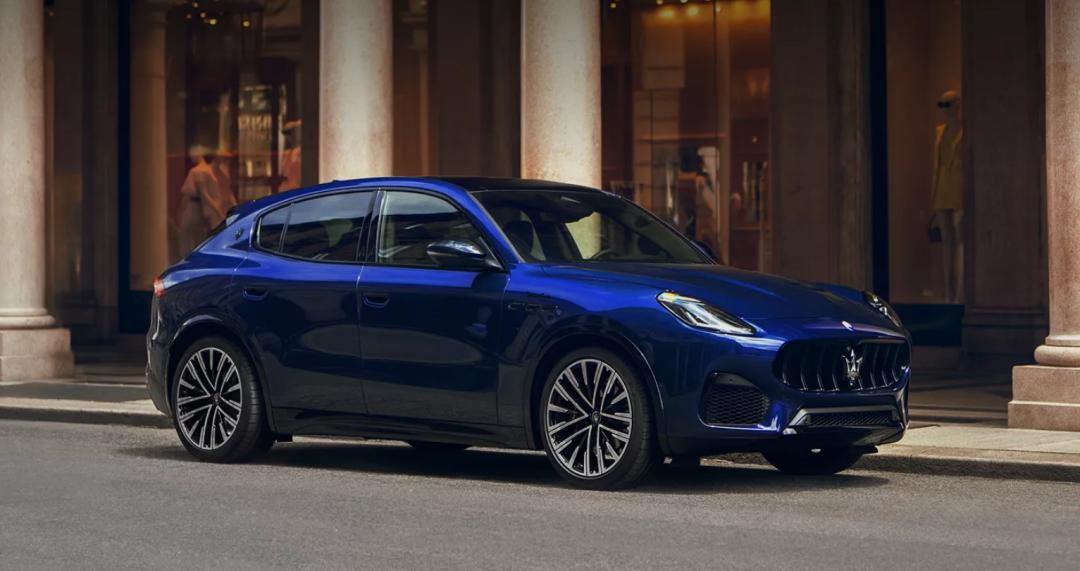
“超跑皇后”玛莎拉蒂失速:降至30万+级,北京仅剩一家4S店
Bei Jing Shang Bao· 2025-12-08 08:43
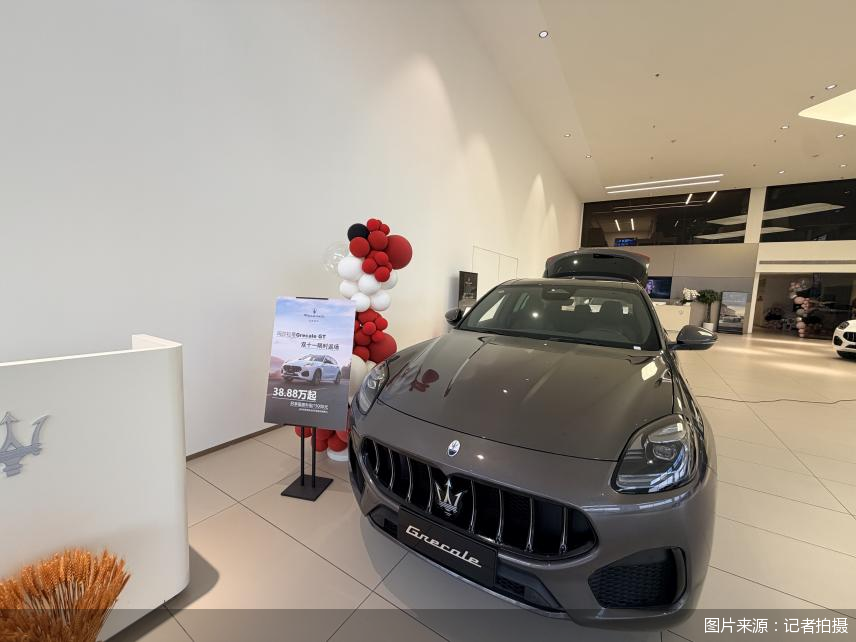
Core Viewpoint - Maserati, known as the "Queen of Supercars," is facing significant challenges, including store closures and price reductions, as its global sales have nearly halved and its market share in China has dropped to 8.2% [1][6][10] Group 1: Sales and Store Closures - Maserati has closed two of its three 4S stores in Beijing, leaving only one operational, which is heavily discounting inventory with price reductions of around 40% [3][4] - The global sales of Maserati fell from 26,689 units in 2023 to 14,725 units in 2024, a decline of over 40% [6] - In China, Maserati's sales dropped from approximately 4,680 units in 2022 to 1,209 units in 2024, with the market share decreasing from 20% to 8.2% [6][7] Group 2: Pricing and Inventory Issues - The remaining Maserati dealership in Beijing is offering significant discounts on the Grecale model, with prices reduced from an official range of 650,800 to 1,038,800 yuan to as low as 388,800 yuan [3][4] - The electric version of the Grecale is priced at 358,800 yuan, down from an official price of 898,800 yuan, but only a limited number of units are available nationwide [3][4] Group 3: Management Changes and Strategic Challenges - Maserati has experienced frequent management changes, with three leadership changes in two years, yet this has not improved the declining sales trend [6][7] - The brand's product lineup is facing significant gaps, with key models like the Levante and Ghibli being discontinued, leading to a lack of new offerings in the market [8][9] Group 4: Electric and Technological Transition - Maserati's electric vehicle strategy, initiated in 2019, aims for full electrification by 2028, but currently, it only has a few electric models available, and the planned MC20 Folgore electric supercar has been canceled due to insufficient market demand [8][9] - The brand's electric models lack advanced features, with basic functionalities being standard while higher-level driving assistance requires additional options [8] Group 5: Market Position and Future Outlook - The luxury automotive market is becoming increasingly competitive, with new domestic brands challenging Maserati's position, and the brand has missed opportunities in the electric vehicle sector [10] - Analysts suggest that Maserati must adapt to the Chinese market's unique demands and enhance its electric and intelligent vehicle offerings to avoid further market share decline [10]
玛莎拉蒂为何沦落到被7次贱卖?
Hu Xiu· 2025-07-15 06:42
Core Viewpoint - Maserati, once a prestigious Italian sports car brand, is currently facing significant challenges and potential sale due to declining sales and financial instability [3][46][80]. Group 1: Historical Context - Maserati was founded in 1914 by the Maserati family, initially focusing on modified cars and racing [12][14]. - The brand gained fame with the Tipo 26 winning the Targa Florio in 1926, but faced financial crises leading to multiple ownership changes [15][16][30]. - After World War II, Maserati returned to racing success but struggled financially, leading to a shift towards consumer vehicles in the 1960s [19][21]. - The brand was sold to Citroën in the 1960s, which ultimately failed to revitalize it, leading to further ownership changes [24][26][29]. - In 1993, Maserati became part of Fiat, which later transferred control to Ferrari, helping to revive the brand with models like the 3200 GT and MC12 [31][36][40]. Group 2: Current Market Position - Maserati entered the Chinese market in 2004, initially achieving decent sales but later struggling as the luxury car market evolved [48][61]. - The brand peaked in China in 2017 with sales of 14,498 units, but has since seen a dramatic decline, with only 1,228 units sold in 2024, a 71% drop year-on-year [61][68]. - The brand's image has been tarnished by associations with micro-business sales tactics, leading to a loss of exclusivity and prestige [63][66]. Group 3: Strategic Challenges - Maserati's frequent changes in ownership have hindered the development of a consistent brand identity and strategy [72][75]. - The brand is currently seen as struggling to define its unique selling proposition, lacking a clear identity compared to competitors like Ferrari and Lotus [76][78]. - Stellantis, Maserati's current parent company, is facing its own financial difficulties, leading to suggestions that selling Maserati may be a viable option [79][80]. Group 4: Future Outlook - The future of Maserati may hinge on a potential acquisition by a Chinese company, which could seek to leverage the brand's heritage or technology [86]. - The brand's revival may require a significant overhaul to appeal to a younger demographic and adapt to the changing luxury market [85][88].