玫瑰花酱

Search documents
“云花”寄春来 “颜值”变“产值”
Xin Hua Wang· 2026-02-21 10:51
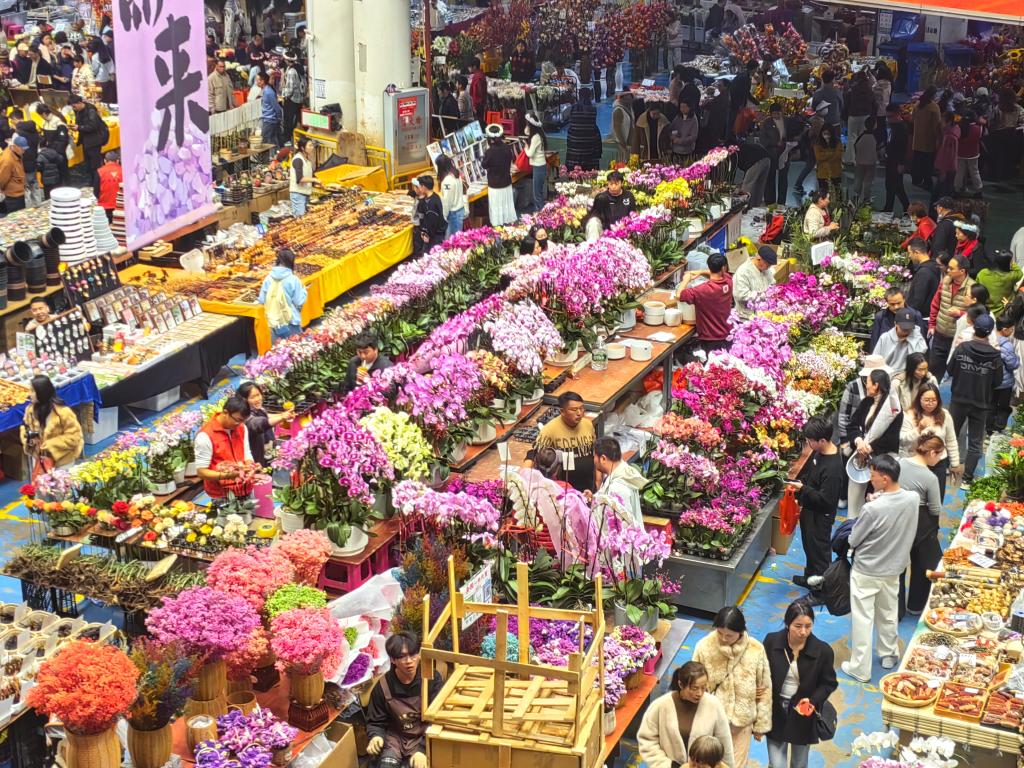
Core Viewpoint - The flower industry in Yunnan is experiencing significant growth, driven by the increasing popularity of floral products and services, particularly during the Spring Festival, highlighting the integration of flowers into various aspects of life and commerce [1][3][6]. Group 1: Flower Market Dynamics - During the Spring Festival, the Kunming Metro station near the Dounan Flower Market sees a surge in visitors, showcasing the cultural significance of flowers during this festive period [1]. - The Dounan Flower Market is recognized as Asia's largest fresh-cut flower trading market, contributing to the local economy and tourism [1][6]. Group 2: Education and Entrepreneurship - A flower art training school has been established, catering to a diverse range of students, including international participants, and focusing on practical skills related to floral arrangements and entrepreneurship [3]. - The majority of students at the training school aim to start their own flower-related businesses, indicating a growing entrepreneurial spirit within the floral industry [3]. Group 3: Culinary Innovations - The integration of flowers into the culinary scene is gaining traction, with products like flower cakes, rose vinegar, and flower-infused teas becoming popular among consumers [5]. - Unique dining experiences, such as flower hot pot, are emerging, showcasing the versatility of flowers beyond their aesthetic appeal [5]. Group 4: Economic Impact - Yunnan is a major flower production area, with an annual output exceeding 20 billion stems, accounting for 70% of the national market share for fresh-cut flowers [6]. - The flower industry is seen as a bridge connecting production, lifestyle, and ecology, with plans to expand market access and promote Yunnan's floral products on a larger scale [6].

新疆这趟慢火车为何深受老百姓喜欢?
Zhong Guo Xin Wen Wang· 2026-01-01 01:24
Core Viewpoint - The slow train service in Xinjiang, specifically the 7558 "Yulong" train, plays a crucial role in connecting remote villages and urban areas, providing affordable transportation and facilitating local commerce and cultural exchange [2][4]. Group 1: Economic Impact - The slow train connects Urumqi and Hotan over a distance of 1960 kilometers, making it an essential transportation lifeline for residents in remote areas [2]. - The train's low ticket prices, with the cheapest segment costing only 4 yuan, make it accessible for many, enhancing the convenience of travel for local residents [2]. - Local vendors, like Amina, utilize the train to sell regional products such as walnuts, red dates, and yogurt dumplings, significantly boosting their sales and livelihoods [1][3]. Group 2: Cultural Significance - The slow train serves as a mobile market, allowing passengers to buy local goods while fostering social interactions among travelers [3]. - Cultural activities, such as performances and book recommendations, are organized on the train, enriching the travel experience and promoting local culture [3][4]. Group 3: Service Improvements - Recent upgrades to the slow train include the introduction of modern air-conditioned coaches, enhancing passenger comfort during long journeys [5]. - The new train cars feature improved seating, lighting, and ventilation, along with electronic displays for real-time travel information, significantly enhancing the overall travel experience [5].

国网兰州供电公司:电力护航“浪漫经济”一路生花
Zhong Guo Neng Yuan Wang· 2025-06-16 08:49
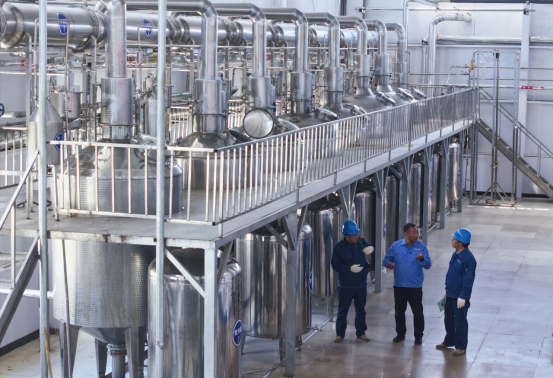
Core Viewpoint - The rose industry in Yongdeng County, Gansu Province, is experiencing a flourishing season, with significant contributions to local economy and employment through rose cultivation and processing [1][5]. Group 1: Company Overview - Gansu Dongfang Tianrun Rose Technology Development Co., Ltd. is a provincial high-tech enterprise that integrates rose seedling cultivation, planting, acquisition, research and development, processing, and sales [5]. - The company has established standardized processing workshops and advanced rose extraction production lines, producing products such as rose essential oil, rose pure dew, and rose jam, with an annual output value exceeding 30 million yuan [5]. - The company employs a "company + base + farmers" model, benefiting 198 poverty alleviation households with annual labor remuneration reaching over 7 million yuan [5]. Group 2: Industry Impact - Yongdeng County's rose planting area accounts for approximately 42% of the national total and nearly one-third of the global total, contributing significantly to Gansu's agricultural identity alongside "Tianshui Huaniu Apple" [5]. - The county has over 100,000 acres of rose cultivation, producing more than 25.8 million kilograms of fresh flowers annually, with an annual output value of about 600 million yuan, benefiting over 50,000 farming households with an average income increase of over 12,000 yuan per household [5]. Group 3: Power Supply Support - The State Grid Lanzhou Power Supply Company has focused on the power supply needs of the rose core production area, continuously upgrading the distribution network and enhancing power supply capacity [6]. - A dedicated power supply mechanism for the rose season has been established, ensuring efficient power supply and reducing costs for processing enterprises during peak production periods [9]. - In response to urgent power needs, the company has implemented a "green channel" for electricity supply, enabling rapid construction and extension of power lines to support local businesses [7].
沙漠玫瑰迎来采摘季 小花朵带来大产业
Yang Shi Wang· 2025-05-21 16:36
Core Viewpoint - The Xinjiang Hotan region demonstrates that vibrant roses can thrive in the Taklamakan Desert, serving both ecological and economic purposes, with over 70,000 acres of roses currently in the harvesting season [1] Group 1: Economic Impact - Local villagers are actively engaged in rose harvesting, which requires specific techniques and timing to ensure quality, with petals for rose jam harvested separately from buds for tea and essential oils [3] - The rose trading market operates from 9 AM to 8 PM, with daily trading volumes reaching approximately 30 tons of rose petals [6] - Over 2,000 households are involved in rose cultivation in the region, with local cooperatives established to produce products like rose-flavored bread and pure rose water, alongside tourism activities that attract photography and art enthusiasts [7] Group 2: Ecological Benefits - The roses contribute to ecological benefits by stabilizing the desert environment, with the last rose seedling planted in November 2022 marking a successful effort to combat desertification [9] - The cultivation of drought-resistant rose varieties has led to the formation of dense flower beds that effectively block wind and reduce soil erosion [9]