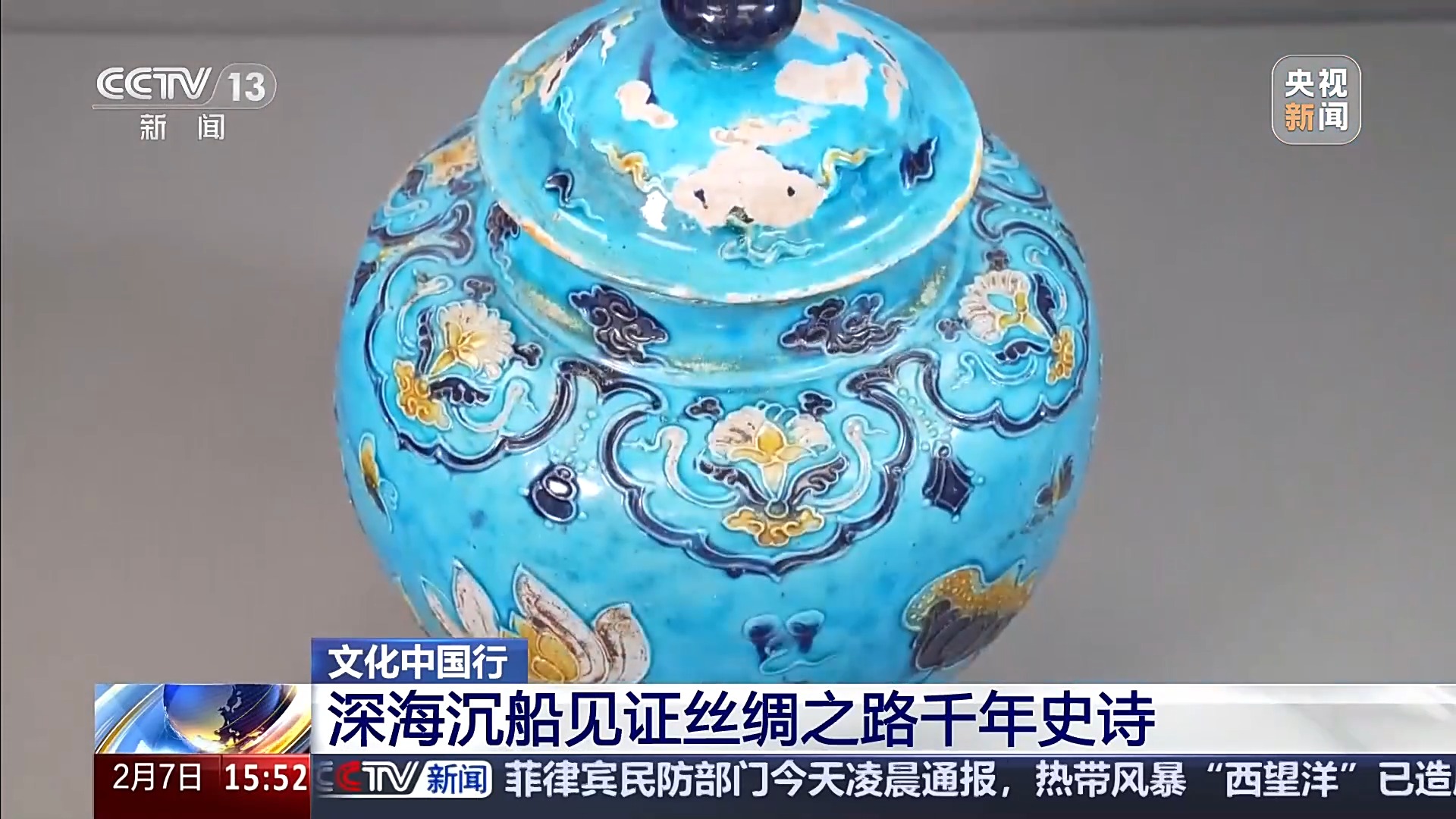
珐华器

Search documents
文化中国行丨我国沉船考古首次发现珐华器 生动见证古代“定制外销”
Yang Shi Xin Wen Ke Hu Duan· 2026-02-08 12:54
Core Viewpoint - The exhibition "Sailing Towards the Sea" at the Beijing Grand Canal Museum showcases artifacts from the Ming Dynasty, highlighting the cultural and commercial exchanges along the Maritime Silk Road, particularly through the discovery of two ancient shipwrecks in the South China Sea [1][8]. Group 1: Artifacts and Their Significance - The majority of the exhibits are ceramics, primarily featuring blue and white porcelain, Famille Rose, and monochrome glazes, with the Famille Rose being a first-time discovery in underwater archaeology in China [3][4]. - A notable artifact is a large Famille Rose jar from the Ming Zhengde period, which serves as a testament to ancient "customized exports" and showcases exquisite craftsmanship [3][4]. - The blue and white plate with auspicious dragon motifs exemplifies cultural symbolism and serves as an excellent medium for cultural export [6]. Group 2: Historical Context and Trade Insights - The two shipwrecks, Northwest Slope No. 1 and No. 2, represent the first simultaneous discovery of ancient Chinese outbound and inbound trade vessels, illustrating the bidirectional nature of maritime trade [8]. - The location of the shipwrecks is identified as a crucial route for ancient maritime trade in China, emphasizing the historical importance of these trade networks [10]. - The artifacts recovered from the deep sea not only reflect the Ming Dynasty's porcelain craftsmanship and overseas trade but also signify China's advanced capabilities in deep-sea archaeology [12].

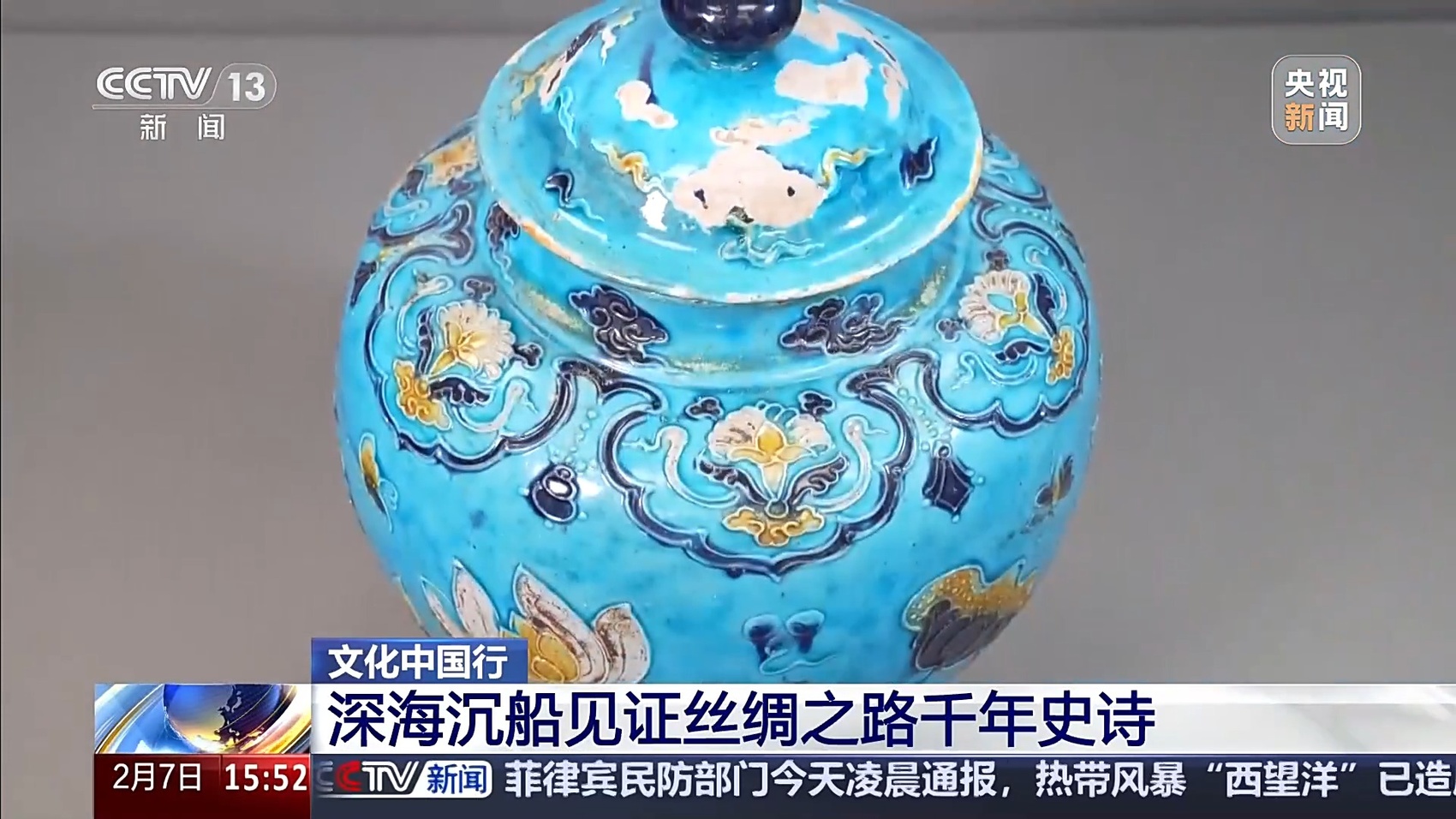
我国沉船考古首次发现珐华器 生动见证古代“定制外销”
Xin Lang Cai Jing· 2026-02-07 11:31
Core Viewpoint - The exhibition "Sailing Towards the Sea" at the Beijing Grand Canal Museum showcases artifacts from the Ming Dynasty, highlighting the cultural and commercial exchanges along the Maritime Silk Road, particularly through the discovery of two ancient shipwrecks in the South China Sea [1][9]. Group 1: Exhibition Details - The exhibition features artifacts from two shipwrecks discovered in October 2022, located at a depth of approximately 1500 meters between Hainan Island and the Xisha Islands, dating back to the Ming Dynasty [1]. - The majority of the exhibits are ceramics, including blue and white porcelain, Famille Rose, and monochrome glazes, with the Famille Rose being a first-time discovery in underwater archaeology in China [3][5]. Group 2: Significance of Artifacts - The Famille Rose piece, a large jar with gold inlay and intricate hollowed designs, exemplifies the complexity of ancient Chinese craftsmanship and serves as a testament to "customized exports" of the time [3][5]. - Other artifacts, such as the blue and white plate with auspicious dragon motifs, represent cultural symbolism and serve as excellent carriers of cultural export [7]. Group 3: Historical Context - The shipwrecks are significant as they represent the first simultaneous discovery of ancient Chinese outbound and inbound trade vessels, illustrating the bidirectional exchanges of the Maritime Silk Road [9]. - The location of the shipwrecks is identified as a crucial route for ancient maritime trade in China, emphasizing the importance of these findings in understanding historical trade networks [11]. Group 4: Archaeological Impact - The artifacts recovered from the deep sea not only reflect the Ming Dynasty's porcelain craftsmanship and overseas trade but also demonstrate China's advanced capabilities in deep-sea archaeology, highlighting the potential for dialogue between ancient and modern times [13].
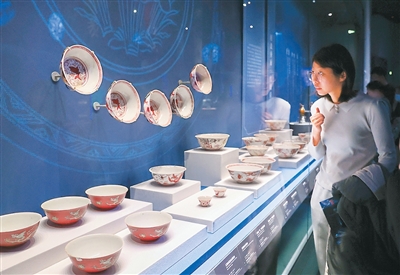
到“运河之舟”看南海瑰宝
Ren Min Wang· 2026-01-07 00:16
Core Viewpoint - The exhibition "Towards the Sea" at the Beijing Grand Canal Museum showcases significant findings from deep-sea archaeology in the South China Sea, highlighting the discovery of Ming Dynasty shipwrecks and the advanced level of China's deep-sea archaeological efforts [2]. Group 1: Exhibition Overview - The exhibition features 377 precious artifacts, including ceramics and wood, discovered from two shipwrecks dated to the Ming Dynasty [2]. - The project has been recognized as one of the "Top Ten Archaeological Discoveries of 2023" in China [2]. - The exhibition is organized by multiple institutions, including the National Cultural Heritage Administration and the Capital Museum [2]. Group 2: Artifacts and Findings - The artifacts include exquisite blue and white porcelain with intricate designs, reflecting the elegance of traditional Chinese art [3]. - Notable pieces include a large blue and white plate with dragon motifs and a jar depicting the Eight Immortals, showcasing the high level of Ming Dynasty porcelain craftsmanship [4][5]. - The exhibition also features the first discovery of "Fahua" ceramics in ancient shipwrecks, which are characterized by their complex craftsmanship and vibrant colors [5]. Group 3: Archaeological Techniques and Technologies - A simulated laboratory is set up to demonstrate the preservation and restoration processes of the artifacts, including desalination and rust removal [6]. - Advanced technologies used in the archaeological project include manned submersibles and underwater robots, showcasing China's cutting-edge deep-sea technology [6]. - The exhibition provides a timeline of underwater archaeology's development in China, emphasizing recent breakthroughs that enhance understanding of the Maritime Silk Road's history [6]. Group 4: Exhibition Duration - The exhibition is scheduled to run until March 15 [7].
377组件文物!两艘海下1500米明代沉船“驶”进“运河之舟”
Yang Shi Xin Wen· 2025-12-17 19:42
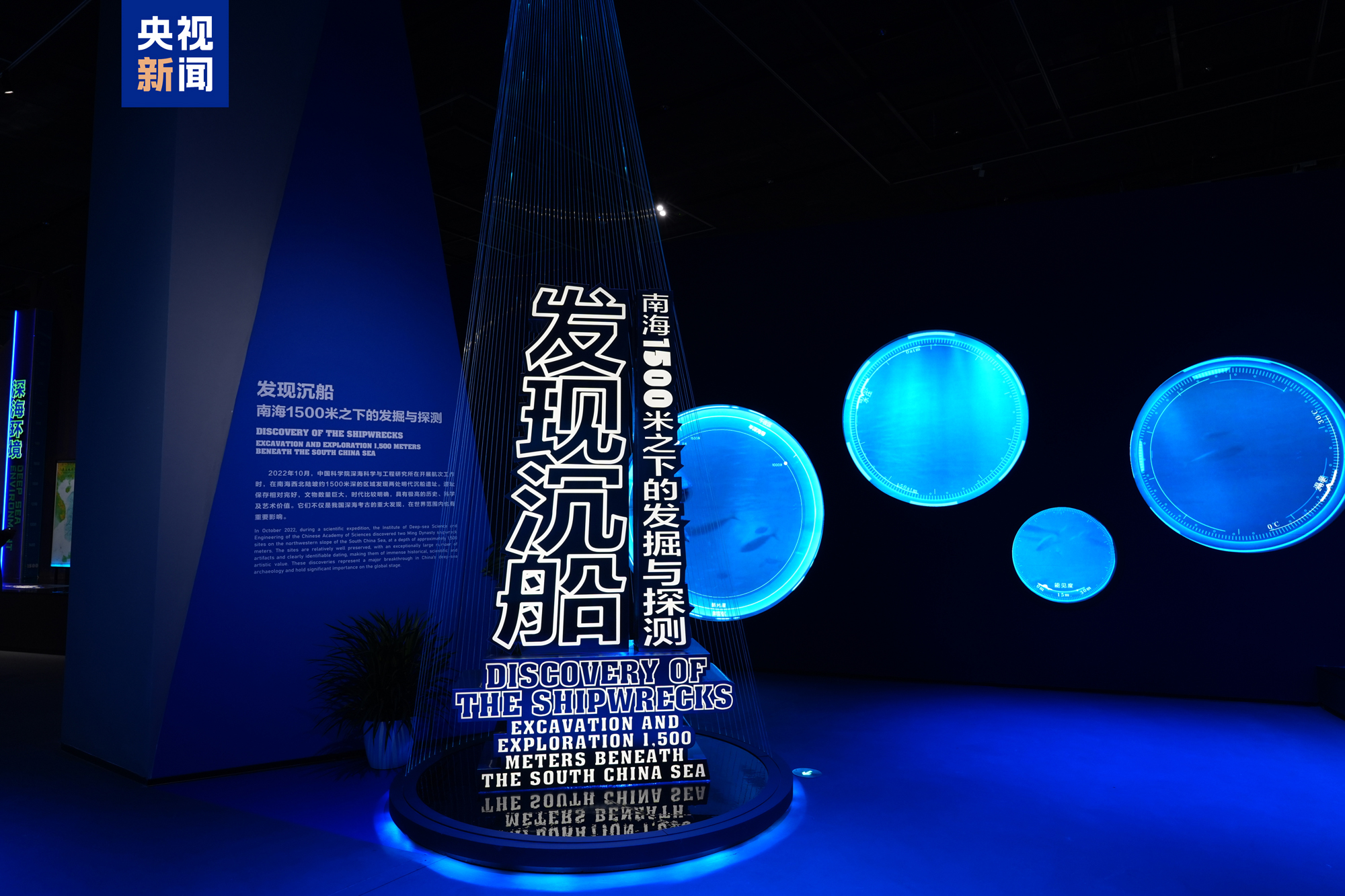
Core Viewpoint - The exhibition "Sailing Towards the Sea - Special Exhibition of Deep-sea Archaeology in the Northwest Slope of the South China Sea" showcases a significant collection of Ming Dynasty artifacts, highlighting the prosperous maritime trade during that period and marking a milestone in China's deep-sea archaeology [1][5]. Group 1: Exhibition Overview - The exhibition features 377 artifacts, including blue and white porcelain, enamelware, and colorful ceramics from the Ming Dynasty, which are well-preserved and hold high historical, scientific, and artistic value [1]. - Artifacts are sourced from two Ming Dynasty shipwrecks discovered in October 2022, located at a depth of approximately 1500 meters in the South China Sea, between Hainan Island and the Xisha Islands [5]. - The shipwrecks represent the first simultaneous discovery of ancient Chinese outbound and return maritime trade vessels, illustrating the two-way exchange of the Maritime Silk Road [5]. Group 2: Thematic Focus - The exhibition aims to present two main themes: the exchange and mutual learning along the Maritime Silk Road during the Ming Dynasty, particularly the production and export of porcelain, and the advancements in China's deep-sea archaeology [6]. - It utilizes artifacts, underwater imagery, and archaeological narratives to engage visitors and highlight the significance of deep-sea archaeology in promoting cultural exchange and understanding [6]. Group 3: Exhibition Structure - The exhibition is structured around three content sections: discovering the shipwrecks, exploring the shipwrecks, and uncovering the shipwrecks, showcasing the latest archaeological findings and integrating innovative display technologies for an immersive experience [6]. - The exhibition will run until March 15, 2026, allowing ample time for public engagement with these historical discoveries [22].
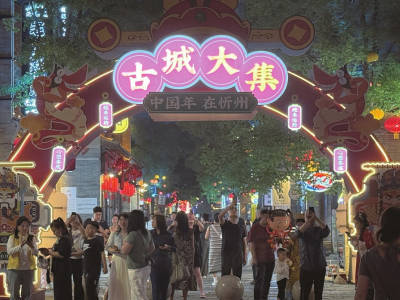
古韵新声 激活消费新引擎
Sou Hu Cai Jing· 2025-05-26 08:12
Group 1: Core Insights - The article highlights the significant increase in tourist traffic and revenue during the "May Day" holiday, with Xinzou Ancient City receiving 495,900 visitors and generating revenue of 19.11 million yuan, a year-on-year increase of 24.89% [2] - The transformation of traditional pedestrian streets into vibrant commercial and cultural hubs is emphasized, showcasing their role in driving urban economic growth and preserving historical heritage [4][10] - The integration of cultural elements and innovative management practices in pedestrian streets is identified as a key factor in enhancing consumer attraction and experience [11] Group 2: Economic Impact - Xinzou Ancient City has established a commercial ecosystem with over 600 unique merchants, contributing to a diverse economic landscape with 11 functional areas catering to various consumer needs [4] - The night economy in Xinzou Ancient City is thriving, with nighttime consumption exceeding 1.5 billion yuan in 2024 and an average revenue growth of 30% for shops [7] - The introduction of new retail and dining brands in both Xinzou and Taiyuan's pedestrian streets has significantly boosted sales, particularly during the holiday period [8] Group 3: Cultural Integration - The article discusses the revival of traditional crafts and local cuisine, which are now actively integrated into modern consumer experiences, enhancing the cultural appeal of pedestrian streets [8] - Events such as immersive performances and cultural showcases in Taiyuan's Clock Tower Street have successfully attracted visitors, blending historical and contemporary cultural expressions [5][11] - The preservation and innovation of historical brands and local specialties are crucial for maintaining the cultural identity of these pedestrian areas [6][11] Group 4: Future Development - The article suggests that further differentiation and unique branding are necessary to combat the homogenization of pedestrian street offerings, which is a common issue across the country [12] - The potential for smart transformation through digital technologies and enhanced online-offline integration is highlighted as a means to improve competitiveness [12] - Collaborative development among various districts is seen as a trend, with plans to create commercial clusters that enhance the overall economic landscape [13]