琉璃冰箱贴

Search documents
走山西,看古建“天际线”
Ren Min Ri Bao· 2025-12-24 01:35
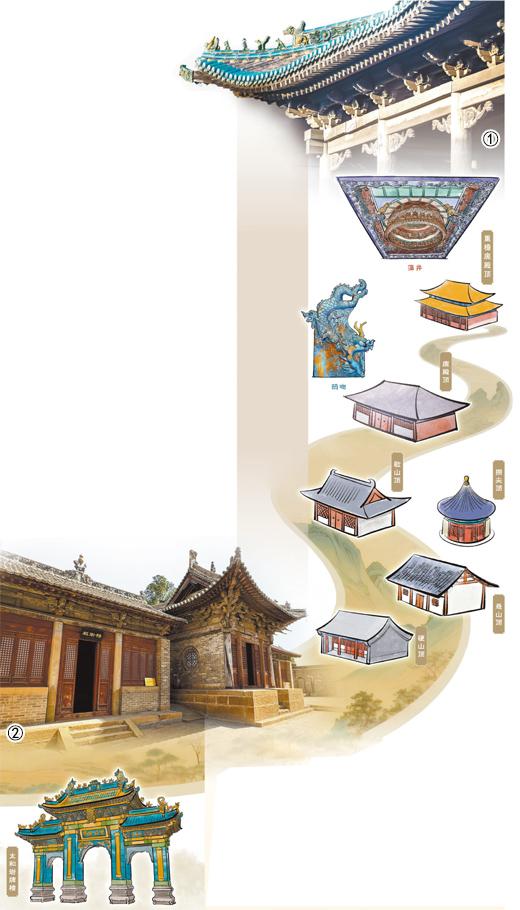
Core Viewpoint - The article highlights the significance of traditional Chinese architecture, particularly the roofs, as both artistic expressions and cultural symbols that reflect the nation's aesthetic values and historical legacy [2][3]. Group 1: Architectural Significance - China has over 260,000 immovable cultural relics of ancient architecture, with roofs being referred to as the "fifth facade" of buildings, showcasing unique aesthetic curves that embody the nation's cultural heritage [2][4]. - The roofs of ancient buildings are designed based on functional needs, utilizing materials that effectively manage rainwater and snow, reduce wind impact, and enhance lighting, demonstrating ancient wisdom in harmonizing with nature [4][6]. Group 2: Types and Features of Roofs - The main types of ancient Chinese roofs include the hipped roof, gable roof, pointed roof, and hard mountain roof, each characterized by distinct features such as deep eaves and upward-curving ridges [4][5]. - The architectural styles evolved over different dynasties, with notable examples including the single-eaved hipped roof of the Tang Dynasty and the double-eaved hipped roof of the Song Dynasty, reflecting advancements in building techniques and aesthetic preferences [5][6]. Group 3: Cultural and Philosophical Aspects - The roofs of ancient buildings encapsulate the philosophical thoughts of the Chinese regarding the relationship between heaven, earth, and humanity, with upward-curving eaves symbolizing a desire for harmony with nature [6][7]. - The aesthetic and philosophical elements of ancient roofs continue to influence modern architecture, as seen in contemporary designs that incorporate traditional features while utilizing modern materials and techniques [6][7]. Group 4: Modern Cultural Integration - The cultural significance of ancient architecture is being revitalized through modern creative products, such as miniature replicas and themed merchandise, appealing to younger generations and integrating traditional aesthetics into contemporary life [7]. - The popularity of cultural IPs and social media trends related to ancient architecture has led to a surge in tourism and interest in historical sites, particularly in Shanxi province, where ancient roofs are a major attraction [4][7].

新华全媒+|2025年中国国际服务贸易交易会在北京开幕
Xin Hua She· 2025-09-10 12:19
Core Points - The 2025 China International Service Trade Fair opened in Beijing on September 10, with the theme "Digital Intelligence Leading, Service Trade Renewed" [1] Group 1: Event Overview - The event features various exhibitions, including cultural and creative products showcased at the cultural tourism service special exhibition [5][7] - The fair includes a display of construction solutions, such as the use of attached lifting platforms and exterior wall spraying robots for the renovation of old residential areas [7] - The fair is held at the Beijing Shougang Park, where attendees can participate in various activities and view different exhibition areas [13][20] Group 2: International Participation - The fair includes an exhibition area for Iran, where visitors can observe displayed products [9][11] - Australia is highlighted as the guest country for the fair, with a dedicated pavilion opening ceremony [17]
文博会观察:中国非遗产品“圈粉”海内外
Zhong Guo Xin Wen Wang· 2025-05-24 01:09
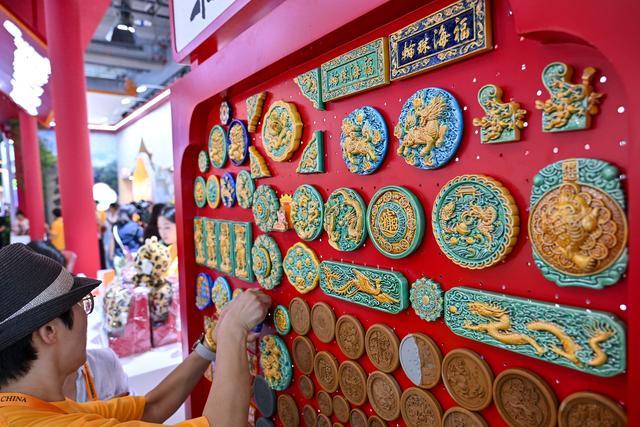
Group 1 - The 21st China (Shenzhen) International Cultural Industries Fair showcases various intangible cultural heritage projects and products, attracting both domestic and international visitors [1] - The Longmen Lv's Brick Carving Glaze Company from Shanxi presents unique glaze refrigerator magnets, highlighting the complexity of their production process which involves 16 steps [1] - The company has expanded its market by designing and developing a series of cultural and creative products, with many visitors and exhibitors expressing interest in collaboration [1] Group 2 - The Jiangxi Pavilion features over 2,000 cultural and creative products with intangible heritage elements, and has already made several sales during the fair [2] - The "Spring Bowl," inspired by the classic "Zhengde Bowl," has sold approximately 80,000 sets this year, symbolizing good fortune and embodying traditional Chinese New Year customs [2] - The popularity of Thangka art is rising among younger audiences, with the Inner Mongolia Yunshu Trading Company showcasing limited edition Thangka artworks that blend traditional and modern aesthetics [2][3]
传统元素变身时尚爆款 “吸睛”小文创带动"文旅+"大市场
Yang Shi Wang· 2025-05-06 12:36
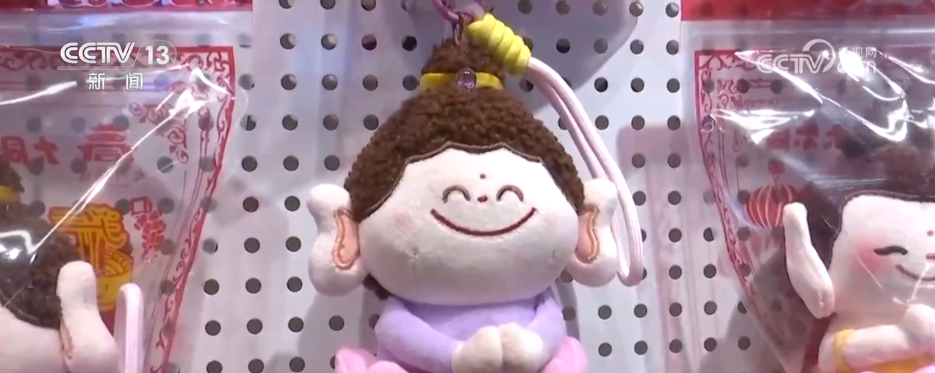
Group 1 - The trend of cultural and creative products has become a new fashion for tourists during the "May Day" holiday, showcasing traditional Chinese culture through innovative designs [1] - In Datong, the "Buddha Companion" series inspired by the Yungang Grottoes has gained popularity among visitors, featuring cute and charming designs [3] - The newly launched "Pingcheng Memory" metal bookmarks, showcasing exquisite hollow carving techniques, have also been well-received, serving as both practical tools and unique souvenirs [5] Group 2 - Colorful glazed refrigerator magnets have emerged as a cultural creative hit, blending traditional craftsmanship with modern geometric designs, encapsulating iconic Datong elements [7] - The Hunan Museum's fourth-floor park has become a popular spot for tourists, offering a variety of practical and fun cultural products, including refrigerator magnets and artistic prints [8] - Unique desserts inspired by historical artifacts, such as mousse cakes and cookies, have attracted attention, with the "Naughty Little Raccoon" chocolate mousse being particularly popular [10] Group 3 - In Changsha, various creative micro-landscapes have been developed in old streets, leading to the introduction of portable cultural products, including vintage-style newspapers and creative bags [12]