
春碗

Search documents
中国最大的无烟煤生产基地阳泉的文旅转型丨故乡里的中国
经济观察报· 2026-02-18 07:03
Core Viewpoint - Yangquan is transforming itself into a "Red City," "Science Fiction City," "Memory City," and "Fossil City," leveraging its rich industrial history and cultural resources to boost tourism and economic development [6][7]. Historical Context - Yangquan, located in eastern Shanxi, has a history marked by significant industrial developments, including the establishment of the Zhengtai Railway in 1906 and the founding of the Baojin Iron Factory in 1907, which became a major national capital enterprise [4][5][16]. - At its peak, Yangquan had 404 enterprises across various sectors, including coal, metallurgy, and machinery, forming the backbone of its industrial economy [5][16]. Industrial Heritage and Tourism - As the largest anthracite coal production base in China, Yangquan is capitalizing on its industrial heritage by repurposing old factories into tourist attractions, such as the transformation of the water pump factory into the "Yangquan Memory 1947" cultural park [6][10][15]. - The city is also rich in red tourism resources, being the site of significant historical battles and the birthplace of the first People's City created by the Communist Party [7][41]. Cultural and Tourism Development - Predictions indicate that during the 2026 Spring Festival, Yangquan's tourism will see a 34.1% increase in visitor numbers and a 38.2% rise in revenue, with a significant portion of visitors coming from Beijing [9]. - The "Yangquan Memory 1947" cultural park is expected to attract 1.345 million visitors in 2025, showcasing local history and culture through various exhibits and events [24]. Rural Tourism Initiatives - The Yangjiagou village has undergone significant transformation into a tourism demonstration village, featuring infrastructure improvements and cultural storytelling elements [29][32]. - The village's unique "South Wall" has gained popularity on social media, contributing to increased tourism and local business revenue, which reached 3 million yuan from last year's "Eleventh" to the Spring Festival [36]. Future Prospects - Yangquan is developing a unique tourism matrix that combines industrial heritage with natural landscapes, including plans for an industrial-themed museum and a fossil museum to enhance its cultural offerings [40][54]. - The city aims to integrate its rich geological history into tourism, with ongoing projects to establish a national-level "Geological Cultural Village" and a training base for ancient biological fossils [54][58].

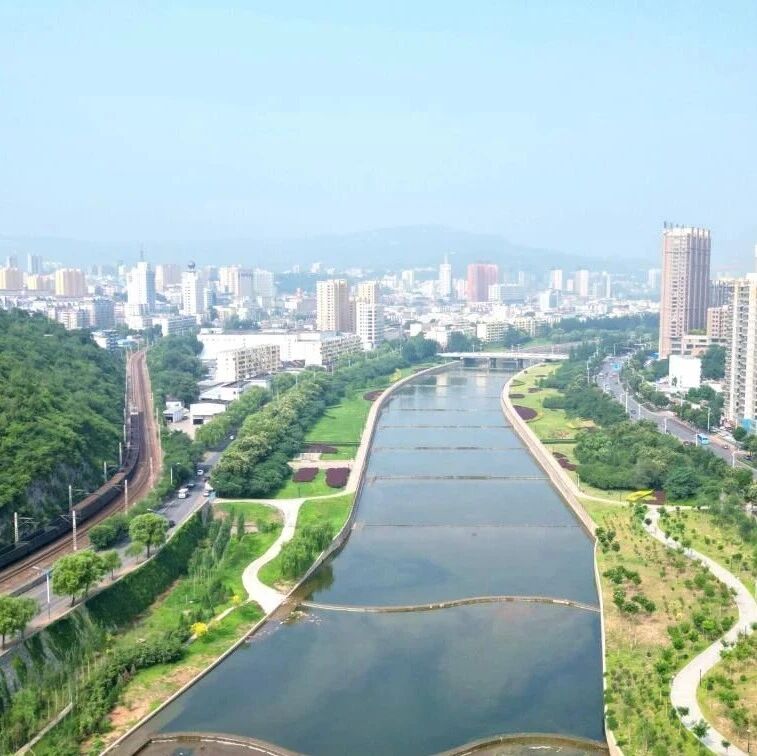
中国最大的无烟煤生产基地阳泉的文旅转型丨故乡里的中国
Jing Ji Guan Cha Wang· 2026-02-17 02:52
Group 1 - Yangquan, a small city in eastern Shanxi, has a rich industrial history dating back to the establishment of the Zhengtai Railway in 1906, which transformed it into a logistics hub [1][9] - The city is known as China's largest smokeless coal production base and has diversified its economy into tourism, leveraging its industrial heritage [1][2] - The "Yangquan Memory: 1947" cultural park was established on the site of a former water pump factory, showcasing industrial relics and local history [6][12] Group 2 - Yangquan is strategically located on the Zhengtai Railway and has significant historical importance, including being a site of major battles during the Hundred Regiments Offensive [2][4] - The city is also home to rich red tourism resources, including the birthplace of the Chinese Communist Party's first people's city [2] - The cultural park features exhibits on local products and historical figures, including Liu Cixin, the author of "The Wandering Earth" [13][16] Group 3 - Predictions indicate a 34.1% increase in tourist reception and a 38.2% rise in tourism revenue during the 2026 Spring Festival, with nearly half of the visitors coming from Beijing [4] - The transformation of Yangjiachong Village into a tourism destination began in 2018, focusing on infrastructure improvements and cultural storytelling [17][19] - The village's unique "South Wall" has gained popularity on social media, significantly boosting local business revenues [22][24] Group 4 - Yangquan is actively revitalizing its industrial heritage, with plans for an industrial-themed museum and the preservation of historical sites like the Ma Jia Ping substation [24][25] - The city is also developing a fossil museum and park, aiming to create a geological cultural village [34][36] - The integration of local cultural products and heritage into tourism is forming a unique "mining culture tourism corridor" [35]
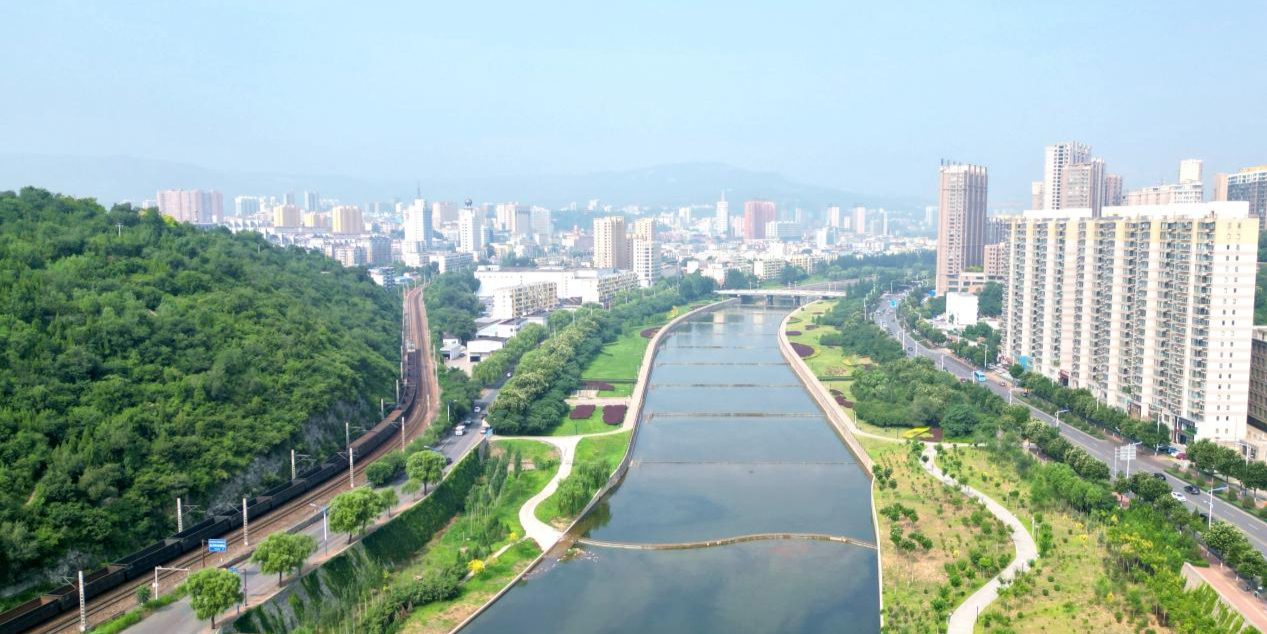
全球看春晚!总台春晚宣传片和文创产品亮相中国驻荷兰大使馆新春招待会
Jing Ji Guan Cha Wang· 2026-01-30 05:32
Group 1 - The Chinese Embassy in the Netherlands hosted a Spring Festival reception attended by over 300 guests, including diplomats, Chinese expatriates, and representatives from Chinese institutions [1] - The event featured a promotional video for the Spring Festival Gala, enhancing the festive atmosphere and marking the beginning of promotional activities for the gala in the Netherlands [1] - The Vice Chairman of the China-Netherlands Business Council expressed optimism about deepening cooperation between China and the Netherlands in various sectors such as technology, agriculture, social security, and water management [1] Group 2 - The Spring Festival Gala promotional video will also be showcased at key locations in the Netherlands, including Amsterdam Schiphol Airport, the Dutch railway system, and the Chinese Cultural Center in The Hague, aiming to increase awareness of Chinese culture among the Dutch public [2]
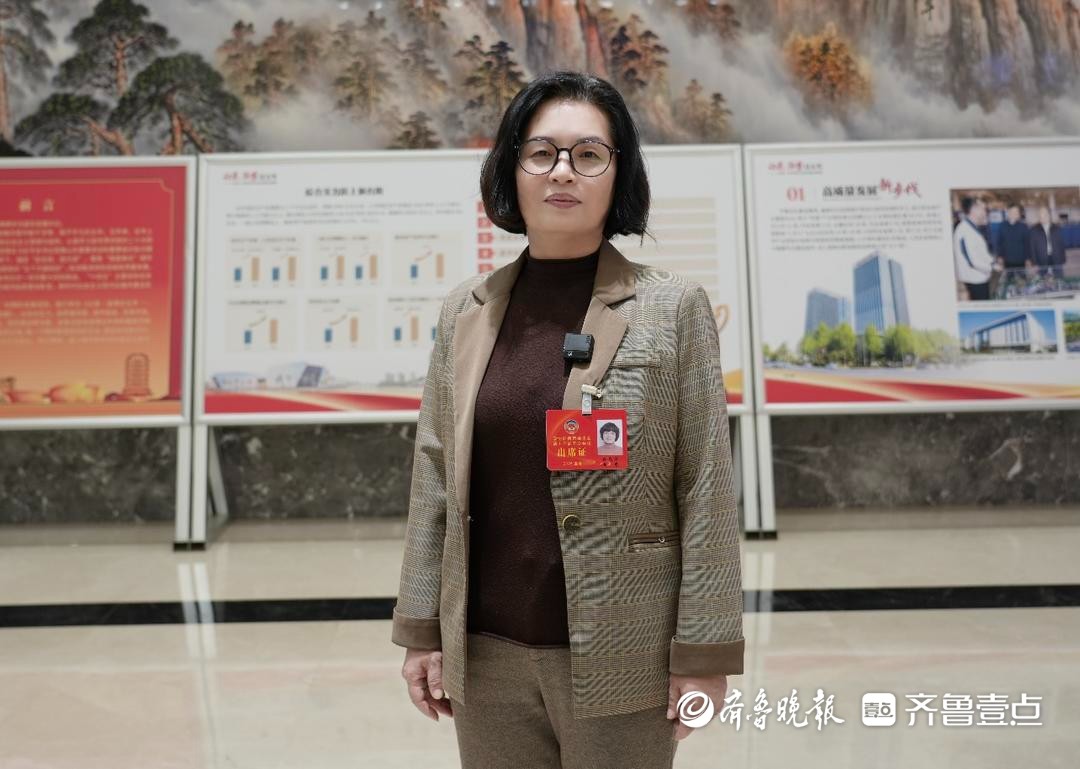
政协委员孙庆萍:“文化+IP”助推陶琉产业跃升
Qi Lu Wan Bao· 2026-01-20 03:03
Core Viewpoint - The discussions during the "Two Sessions" in Zibo focused on the integration of traditional culture and industrial upgrading, emphasizing the role of cultural core and IP empowerment in promoting the Zibo ceramic industry [1][3]. Group 1: Cultural and Industrial Integration - The government work report highlighted the promotion of cultural "two innovations," specifically mentioning "ceramic culture," which provides direction for industry development [3]. - The collaboration between Huaguang Guoci and the China Central Television (CCTV) over the past five years has successfully transformed Zibo ceramics from "high-end treasures" to "national collectibles," achieving both cultural dissemination and market expansion [3][4]. Group 2: Product Development and Market Impact - The product development process effectively stimulates the local industrial chain, providing stable orders for upstream and downstream enterprises, and enhancing the craftsmanship standards and quality of small and medium-sized enterprises [4]. - The zodiac series has expanded into the CCTV program "Blossoming China," creating works that combine ceramics with flower culture and Chinese aesthetics, significantly enhancing the brand influence of Zibo ceramics on the national cultural stage [4]. Group 3: Knowledge Sharing and Industry Upgrading - The collaboration with CCTV not only serves as successful brand promotion but also explores a replicable path for industrial upgrading through "cultural excavation, IP binding, design innovation, and market transformation" [4][5]. - Huaguang Guoci actively organizes exchanges and training with local enterprises and institutions to share design and management experiences, aiming to help more peers explore the "culture + IP" development path [4][5]. Group 4: Future Development Path - The key to realizing the value leap of traditional industries like ceramics lies in using strong IP for innovative transformation, requiring companies to not only uphold craftsmanship but also effectively narrate contemporary cultural stories [5]. - This practical path will assist the Zibo ceramic industry in achieving a high-quality development stage that balances craftsmanship and branding, as well as culture and market coexistence, providing valuable insights for the contemporary revitalization of other traditional crafts [5].
人民日报刊发第五篇钟才平署名文章|宏观经济
清华金融评论· 2026-01-11 08:38
Group 1 - The core viewpoint emphasizes the importance of improving people's livelihoods as a driving force for economic development, highlighting the need to expand domestic demand and create a strong domestic market as a foundation for economic growth [3][4][5]. - The article discusses the significant potential for high-quality development in the real estate sector, noting that while urban housing stock is substantial, many residents still have unmet housing needs, particularly in terms of quality and location [4][5]. - It highlights the changing consumer preferences towards service consumption, with a notable increase in per capita service consumption expenditure from 5,000 yuan to 13,000 yuan between 2013 and 2024, indicating a shift towards experiential and emotional consumption [5][6]. Group 2 - The article outlines the necessity of creating a virtuous cycle of employment, income, consumption, and investment, emphasizing the importance of stabilizing employment and increasing income to boost consumption [7]. - It stresses the need for coordinated efforts to promote both consumption and investment, suggesting that they are interdependent and should work together to enhance the domestic market's growth and stability [8][9]. - The article calls for increased investment in sectors that align with new consumer demands, such as healthcare and cultural tourism, to better meet the needs of the population [10][11]. Group 3 - The article discusses the implementation of more proactive macroeconomic policies, including fiscal and monetary measures, to support economic stability and growth, with a focus on enhancing the effectiveness of these policies [25][26]. - It emphasizes the importance of precise and effective fiscal policies, advocating for increased government spending on key projects and social welfare to stimulate economic activity [26][27]. - The article also highlights the need for flexible monetary policies that adapt to changing economic conditions, ensuring liquidity and supporting the real economy [28][29].
人民日报钟才平,连续五日发声!
Xin Lang Cai Jing· 2026-01-11 07:54
Core Viewpoint - The articles emphasize the importance of prioritizing people's livelihoods to drive economic development, advocating for a strong domestic market as a foundation for modernization and sustainable growth [2][43]. Group 1: Economic Development and Livelihood Improvement - The central economic work conference highlights the need to focus on improving people's livelihoods while expanding development space, integrating consumption and investment to stimulate economic growth [2][43]. - The demand for housing quality and living conditions remains significant, with a projected urbanization rate of 67% for permanent residents by 2024, indicating ongoing housing demand [3][44]. - The shift in consumer preferences towards service-oriented and experiential consumption is evident, with per capita service consumption expenditure increasing from 5,000 yuan to 13,000 yuan from 2013 to 2024, representing a rise from 39.7% to 46.1% of total consumption [4][45]. Group 2: Investment and Consumption Dynamics - The articles advocate for a dual approach to stimulate both consumption and investment, emphasizing their interdependent relationship in driving economic growth [9][51]. - Investment in high-quality urban renewal and affordable housing is essential to meet the evolving housing needs of urban residents, particularly in densely populated areas [4][45]. - The integration of new technologies and creative solutions in product and service offerings is crucial to meet diverse consumer demands, as seen in various regional initiatives [5][46]. Group 3: Policy Support and Economic Governance - Strengthening policy support and reform is necessary to enhance the quality and quantity of consumption and investment, with a focus on improving income distribution and consumer confidence [12][54]. - The government aims to implement measures that facilitate a virtuous cycle of employment, income, consumption, and investment, ensuring a balanced economic development model [6][47]. - The emphasis on localized economic strategies reflects the need for tailored approaches to address regional disparities and promote sustainable growth [34][38].
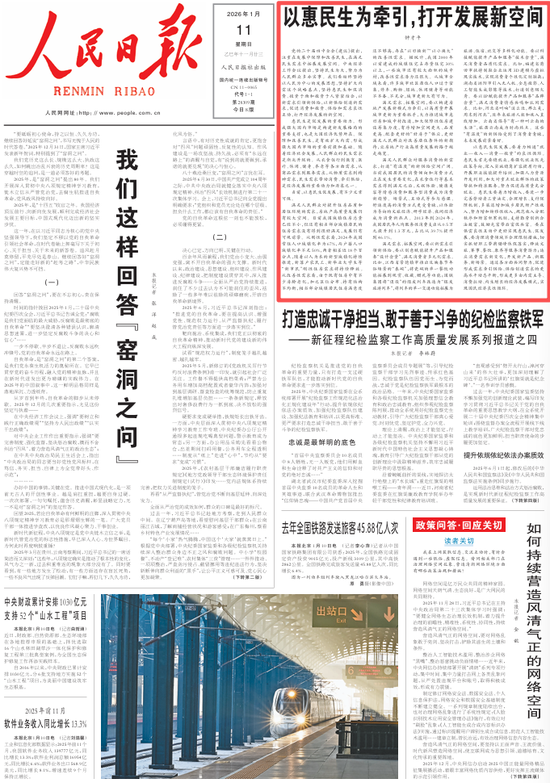
惠民生促发展,第五篇“钟才平”关注“有温度”的新供给
Xin Lang Cai Jing· 2026-01-11 01:44
Core Viewpoint - The article emphasizes the importance of prioritizing people's livelihoods to drive economic development, advocating for a model that combines consumer demand with investment in both goods and people [8][9]. Group 1: Economic Development and Livelihood Improvement - The article highlights that ensuring and improving people's livelihoods is a crucial driver for economic growth, with a strong domestic market being essential for a new development pattern [8]. - It notes that as the economy develops, the public's demand for better living conditions is evolving, covering various aspects from basic needs to services like education and healthcare [8][9]. - The article points out that there is significant potential for high-quality development in the real estate sector, as many urban residents' housing needs remain unmet despite a large total housing stock [9][10]. Group 2: Real Estate and Urban Development - The article suggests that there is a need for a new model of real estate development, focusing on high-quality urban renewal and increasing the supply of better-quality housing to meet public expectations [10]. - It mentions that the urbanization rate for permanent residents is projected to reach 67% by 2024, indicating ongoing demand for housing from new urban residents [9]. - The article also discusses the potential for urban renewal, particularly in densely populated communities where infrastructure and amenities are lacking [9][10]. Group 3: Consumer Demand and Service Sector Growth - The article identifies a shift in consumer preferences towards service-oriented consumption, with spending on services expected to rise significantly, from 5,000 yuan to 13,000 yuan per capita between 2013 and 2024 [10]. - It emphasizes the importance of creating new supply that meets the diverse needs of consumers, including emotional and experiential aspects of consumption [11]. - The article highlights examples of innovative products and services that cater to changing consumer demands, such as personalized products and enhanced experiences in tourism and entertainment [11]. Group 4: Employment and Income Generation - The article stresses the need to maintain stable employment as a foundation for improving livelihoods, advocating for policies that support job creation and skills training [12]. - It calls for measures to increase income for urban and rural residents, including improving wage mechanisms and promoting wealth accumulation [12]. - The article suggests that a well-functioning cycle of employment, income, consumption, and investment is essential for achieving sustainable economic growth [12][13].
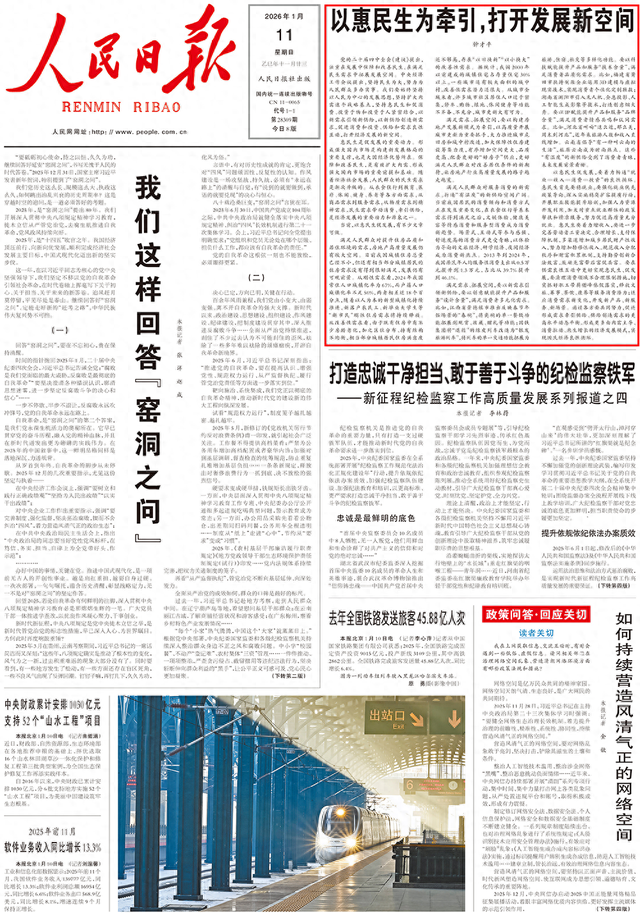
连续五日 人民日报刊发钟才平文章
Ren Min Ri Bao· 2026-01-11 01:01
Core Viewpoint - The articles emphasize the importance of prioritizing people's livelihoods to drive economic development, advocating for a strategy that combines consumer demand with investment to create new growth opportunities in the economy [1][3]. Group 1: Economic Development and Livelihood Improvement - The central economic work conference highlights the need to focus on improving people's livelihoods as a key driver for economic growth, advocating for a people-centered development approach [3][4]. - The demand for housing quality and living conditions remains significant, with a notable gap in meeting urban residents' housing needs, indicating substantial potential for the real estate sector [4][5]. - The shift in consumer preferences towards service-oriented and experiential consumption is evident, with per capita service consumption expenditure increasing from 5,000 yuan to 13,000 yuan from 2013 to 2024, representing a rise from 39.7% to 46.1% of total consumption [5][6]. Group 2: Investment and Consumption Dynamics - The articles stress the need for a new model of real estate development that focuses on high-quality urban renewal and the construction of affordable housing to meet the evolving expectations of residents [5][6]. - A virtuous cycle of "employment—income—consumption—investment" is essential for promoting livelihoods and economic growth, with a focus on stabilizing employment and increasing income through various policy measures [7][8]. - The integration of new demands into supply chains is crucial, with examples of innovative products and services being developed to meet diverse consumer needs, such as personalized shoes and tourism experiences [6][11]. Group 3: Policy Support and Economic Governance - The articles advocate for a coordinated approach to macroeconomic policies, emphasizing the need for effective fiscal and monetary policies to support economic stability and growth [13][16]. - The importance of enhancing the efficiency of fiscal spending and ensuring that public funds are used effectively to support social welfare and economic development is highlighted [15][18]. - The need for a flexible and effective monetary policy that adapts to changing economic conditions is emphasized, with a focus on maintaining liquidity and supporting the real economy [16][17].
人民日报钟才平:以惠民生为牵引,打开发展新空间
Ren Min Ri Bao· 2026-01-11 00:50
Core Viewpoint - The article emphasizes the importance of prioritizing people's livelihoods to drive economic development, advocating for a strategy that combines consumer demand with investment in both material and human resources to create new growth opportunities [3][11]. Group 1: Economic Development and Livelihood Improvement - The 20th Central Committee's Fourth Plenary Session suggests focusing on improving people's livelihoods while expanding development space, highlighting the need for a people-centered development approach [3][11]. - The Central Economic Work Conference stresses the importance of prioritizing livelihoods and providing practical services to the public [3][11]. - Enhancing people's livelihoods is seen as a crucial driver for economic growth, with a strong domestic market being essential for a new development pattern [3][11]. Group 2: Housing Market and Urbanization - There is significant potential for high-quality development in the real estate sector, as many urban residents' housing needs remain unmet despite a substantial total housing stock [4][12]. - By 2024, the urbanization rate for the resident population is projected to be 67%, while the registered population's urbanization rate is below 50%, indicating a gap of nearly 18 percentage points [4][12]. - The demand for improved housing quality is driven by aging properties and uneven distribution, with over 30% of urban residential buildings constructed before 2000 [4][12][13]. Group 3: Service Consumption Trends - There is a notable shift in consumer preferences towards experiential and service-oriented consumption, with spending on service consumption per capita increasing from 5,000 yuan to 13,000 yuan from 2013 to 2024, rising from 39.7% to 46.1% of total consumption [5][13]. - New consumption trends include a focus on emotional and experiential services, such as cultural tourism and wellness, which are becoming increasingly popular [5][13]. Group 4: Employment and Income Generation - To promote livelihoods, it is essential to stabilize employment through policies that support job retention and expansion, as well as vocational training initiatives [7][15]. - Increasing income through improved wage mechanisms and diversified income sources is crucial for enhancing residents' financial stability [7][15]. - A balanced interaction between supply and demand is necessary to achieve livelihood improvements and economic growth, with a focus on removing unreasonable restrictions in the consumption sector [7][15].
以惠民生为牵引,打开发展新空间
Ren Min Ri Bao· 2026-01-11 00:05
Core Viewpoint - The articles emphasize the importance of improving and safeguarding people's livelihoods as a driving force for economic development, advocating for a people-centered development approach that combines expanding domestic demand with enhancing living standards [1][5]. Group 1: Economic Development and Livelihood Improvement - The 20th Central Committee's Fourth Plenary Session suggests focusing on ensuring and improving people's livelihoods while expanding development space through meeting these needs [1]. - The Central Economic Work Conference highlights the need to prioritize people's livelihoods and to implement practical measures for the public [1]. - A strong domestic market is essential for constructing a new development pattern and is supported by the effective improvement of people's livelihoods [1]. Group 2: Real Estate Development - There is significant potential for high-quality development in the real estate sector, particularly in meeting the housing needs of urban residents [2]. - The urbanization rate for permanent residents is projected to reach 67% by 2024, while the registered urbanization rate is below 50%, indicating a gap that can be addressed [2]. - Many urban residents still have unmet housing needs, particularly in terms of improving living conditions and upgrading older housing [2]. Group 3: Urban Renewal and Housing Quality - The articles advocate for a new model of real estate development that focuses on high-quality urban renewal and the renovation of dilapidated housing and urban villages [3]. - There is a call for increasing the supply of high-quality housing that meets the expectations of residents for improved living conditions [3]. Group 4: Consumer Trends and Service Demand - There is a shift in consumer preferences towards service-oriented consumption, with an increase in spending on experiences and emotional consumption [3][4]. - From 2013 to 2024, the average annual per capita expenditure on service consumption in China is expected to rise from 50,000 yuan to 130,000 yuan, increasing its share from 39.7% to 46.1% [3]. Group 5: Employment and Income Growth - To promote development through improving livelihoods, it is crucial to ensure stable employment and enhance income growth through various policies [5]. - The focus should be on increasing residents' income through improved wage mechanisms and supporting wealth accumulation [5]. - The articles stress the importance of creating a virtuous cycle of employment, income, consumption, and investment to drive economic growth [5][6].