甜茶

Search documents
西藏各地欢庆春节藏历新年,消费市场升温,志愿服务暖人心
Xin Lang Cai Jing· 2026-02-21 02:48
Group 1 - The article highlights the vibrant celebration of the Spring Festival and Tibetan New Year across various regions, with a focus on community activities and consumer market growth [1][2][3] - In Linzhi City, a volunteer service team called "Women Chefs" organized a charity event to support sanitation workers, providing them with care packages valued at over 22,000 yuan, benefiting more than 380 workers [1] - The "Women Chefs" initiative aims to empower local women by training them to produce and sell traditional Tibetan foods, thereby improving their income and social integration [1] Group 2 - In Naqu City, a cultural performance themed around the "Year of the Fire Horse" showcased ethnic unity and harmony, emphasizing the importance of community celebrations [2] - The atmosphere in the nursing home in Qiongjie County was filled with warmth as staff members engaged with elderly residents, providing them with traditional foods and organizing entertainment to enhance their festive experience [2] - In Ali Region, a promotional campaign was launched to stimulate consumer spending, distributing 1.5 million yuan in subsidies across various sectors, including fuel and retail, to encourage local shopping [3]
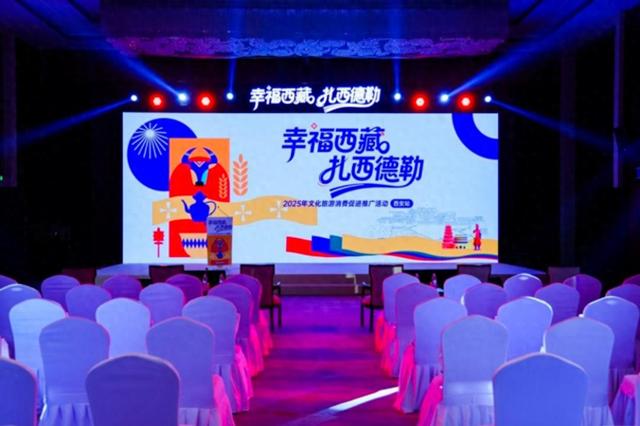
幸福西藏 扎西德勒架起合作桥梁,陕藏联动激活文旅发展新动能
Xin Lang Cai Jing· 2025-12-21 09:22
Core Viewpoint - The "Happy Tibet Zhashidele" cultural tourism promotion event held in Xi'an aims to showcase the unique charm of Tibetan culture and tourism, establishing a cross-regional cooperation mechanism to boost the cultural tourism industry in the northwest and southwest regions of China [1][10]. Group 1: Event Overview - The event was organized by the Tibet Autonomous Region's Department of Culture and Tourism, with support from Shaanxi Province's Department of Culture and Tourism [3]. - It featured an immersive cultural space combining intangible cultural heritage experiences, food tasting, and cultural product exhibitions, highlighting the rich heritage of Tibetan culture [3][5]. - Nearly 50 quality travel agencies from Shaanxi participated, creating a vibrant atmosphere for discussions and exchanges [3]. Group 2: Promotion Activities - The event included diverse interactive experiences, such as traditional Tibetan printing demonstrations and tasting of local delicacies like butter tea and Tibetan yogurt [5]. - A special promotion for the Ali region showcased its unique natural and cultural resources, attracting significant attention from travel agencies [3][7]. - Tibet Airlines promoted various flight routes, including seasonal routes to Tibet, enhancing travel connectivity [7]. Group 3: Cultural Integration - A flash mob performance by Tibetan artists at the iconic Big Wild Goose Pagoda symbolized the cultural integration between Shaanxi and Tibet under the Belt and Road Initiative [10]. - The event exemplified the implementation of the cultural power strategy and the high-quality development of the cultural tourism industry in Tibet [10]. Group 4: Future Directions - The Tibet Autonomous Region's Department of Culture and Tourism plans to deepen cross-regional cooperation and promote the integration of Chinese culture with highland ecology [11]. - The initiative aims to expand the "Happy Tibet Zhashidele" brand to a broader stage, enhancing its appeal and impact [11].

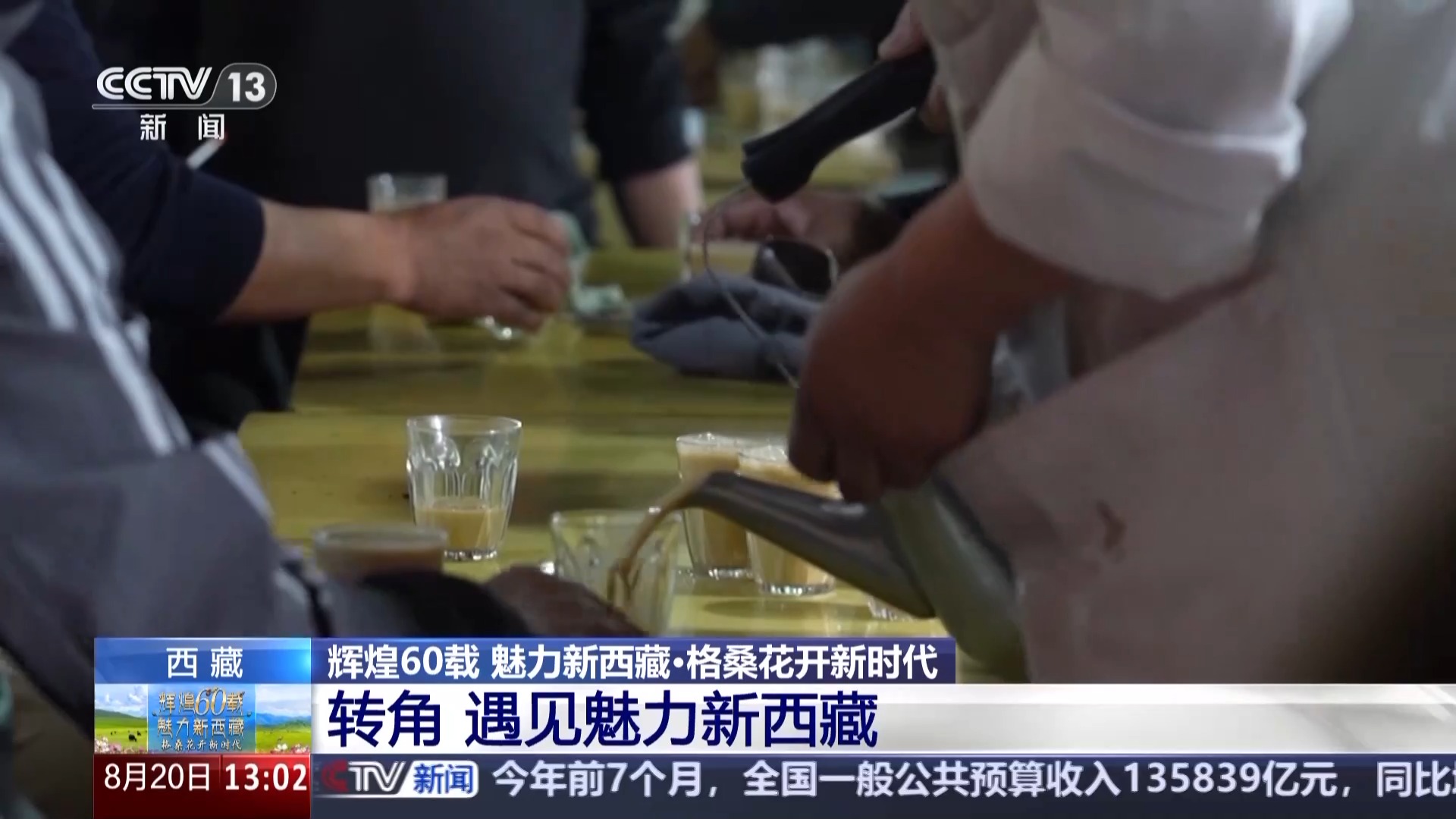
辉煌60载 魅力新西藏丨喝藏式特调、体验“旱地拔葱” 西藏旅游玩法上新
Yang Shi Xin Wen Ke Hu Duan· 2025-08-20 12:43
Group 1: Tourism and Local Culture - Lhasa, with a population of less than one million, has a vibrant café culture with hundreds of coffee shops [5] - The unique sweet tea, made from red tea, fresh milk, and sugar, is a popular local beverage, costing only one yuan per cup [3] - The integration of local ingredients into coffee, such as yak milk and barley popcorn, showcases the fusion of traditional Tibetan culture with modern coffee trends [6][8] Group 2: Business and Entrepreneurship - Local entrepreneurs like Tsom, who returned to Lhasa after working in Shanghai for ten years, are innovating by creating unique coffee blends that highlight local flavors [6][8] - The tourism market in Lhasa is evolving, with an increase in personalized travel experiences and a growing number of tourists, indicating a more prosperous economy [12] - The rise of travel photography as a popular trend in Lhasa reflects the changing expectations of tourists seeking unique and visually appealing experiences [12][14] Group 3: Urban Development and Aesthetics - The streets of Lhasa are characterized by colorful architecture, with no two windows being identical, reflecting the creativity and cultural richness of the local population [10] - The blend of ancient wisdom and modern vitality in Lhasa creates a unique atmosphere that attracts visitors [16]

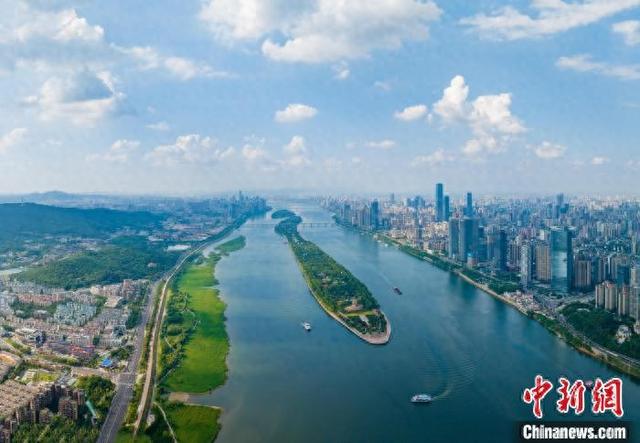
青春“湘”聚 近悦远来——青年创客湘江之畔背包逐梦
Zhong Guo Xin Wen Wang· 2025-06-07 00:12
Group 1 - Hunan is actively promoting youth entrepreneurship, inviting university students to start businesses in the region, reflecting a strong desire for talent and innovation-driven development [1][3] - The "Golden Seed" plan aims to cultivate young entrepreneurs by providing financial support, mentorship, and a comprehensive entrepreneurial guidance service system [5][8] - The 2025 "Golden Seed Cup" entrepreneurship competition attracted 52,000 university students globally, with 40,493 project submissions, indicating a significant interest in innovation among youth [3][5] Group 2 - Hunan's entrepreneurial ecosystem includes various financial support programs, such as the "Red Maple Plan," which has invested in nearly 100 early-stage tech projects, fostering the growth of high-tech enterprises [8][9] - The region has seen a 23.1% year-on-year increase in the number of university student-run businesses in the first quarter of this year, showcasing a vibrant entrepreneurial environment [11][12] - Hunan's policies and support systems are designed to address challenges faced by young entrepreneurs, such as lack of practical experience and market awareness, positioning entrepreneurship as a long-term strategic priority for regional development [14]
最低调的西藏城市,终于藏不住了
3 6 Ke· 2025-05-26 23:56
Core Viewpoint - The article highlights the unique cultural and natural beauty of Shannan, a city in Tibet, which is often overlooked by tourists. It emphasizes the region's rich history, stunning landscapes, and cultural significance, making it a hidden gem in the Tibetan plateau [2][3][6]. Group 1: Natural Attractions - Shannan is home to several renowned lakes, including Yamdrok Lake, which is one of the "Three Sacred Lakes of Tibet," and Pumo Yumco, known for its stunning blue ice [3][4]. - The region features a diverse ecosystem with over 40 rivers, fertile valleys, and abundant wildlife, contrasting with the typical perception of the Tibetan plateau as barren [4][7]. - The area also includes the "Peach Blossom Source" of Lebu Valley, which showcases a unique subtropical climate and rich biodiversity [4][7]. Group 2: Historical Significance - Shannan is recognized as the birthplace of Tibetan culture, being the site of the first Tibetan king, Nyatri Tsenpo, and the first palace, Yumbulagang [7][8]. - The region has historical ties to significant figures such as Songtsen Gampo and Princess Wencheng, with notable sites like Changzhug Monastery housing artifacts from their era [8][9]. - The valley is also known for its cultural heritage, including the origin of Tibetan opera and traditional crafts, reflecting a vibrant local culture [9]. Group 3: Cultural Identity - Shannan is characterized by its rich spiritual and cultural life, with local traditions such as the performance of Tibetan opera and the creation of colorful traditional clothing [9]. - The region is also associated with the famous Tibetan poet, Tsangyang Gyatso, whose life and works are deeply intertwined with the local culture [5][9]. - The article suggests that Shannan offers a unique blend of historical depth and natural beauty, making it a significant cultural hub in Tibet [10].
科技赋能“百千万工程”:华南农大与从化共筑湾区生态经济走廊
Nan Fang Nong Cun Bao· 2025-04-29 05:47
Core Insights - The collaboration between South China Agricultural University and Guangzhou Conghua District aims to enhance the green development demonstration zone, positioning it as a benchmark for ecological industrialization in the Greater Bay Area [1][2] Group 1: Collaboration and Initiatives - The recent activity marks a significant step in the journey towards establishing a modern agricultural technology county in collaboration with the local government [2] - The event featured a report by Professor Liu Linchuan, highlighting the college's history, discipline development, talent cultivation, and social services [2] Group 2: Ecological and Economic Development - Conghua District is leveraging its rich natural resources to innovate an "ecological restoration—product development—value conversion" closed-loop model, transforming ecological assets into economic benefits [5] - The district is implementing a comprehensive land consolidation pilot project, aiming to create a high-quality development area and accelerate the integration of the South China National Botanical Garden [5] Group 3: Technological Advancements - The college plans to integrate six national and provincial platforms to form interdisciplinary teams focused on ecological protection and industrial upgrades, enhancing the conversion rate of scientific achievements [6] - The emphasis is on addressing critical technological challenges and promoting the development of the forest economy, including beekeeping and medicinal plant cultivation [7] Group 4: Future Goals and Community Engagement - The district aims to conduct a comprehensive survey of wild plant resources and develop ecological education points, enhancing the green landscape and promoting the forest economy [7] - The university is committed to supporting the "Hundred-Thousand Project" and fostering agricultural productivity through continuous engagement and collaboration with local stakeholders [7][8]