
电动城际巴士

Search documents
环环相call:为买中国巴士“恼火”,德国财长此举不明智
Huan Qiu Shi Bao· 2025-12-25 06:48
Core Viewpoint - The recent order of over 3,300 buses by Deutsche Bahn, including approximately 200 electric intercity buses from Chinese company BYD, has sparked significant discussion in Germany, particularly regarding the implications for local industry and patriotism in procurement practices [1] Group 1: Industry Reactions - German Vice Chancellor and Finance Minister Christian Lindner expressed frustration over the order, advocating for a preference for domestic or European manufacturers [1] - The concept of "healthy domestic industry patriotism" was highlighted, suggesting that procurement should focus on long-term competitiveness rather than short-term market share [1] Group 2: Manufacturing and Procurement Insights - BYD's order of 200 buses is notable, as these vehicles are produced in Hungary, categorizing them as "European-made" [1] - The scrutiny of this procurement process raises questions about the political implications of purchasing foreign products, particularly in the context of German manufacturing and its historical reliance on the Chinese market [1] Group 3: Broader Implications for the Automotive Industry - The challenges faced by the German automotive industry are attributed to technological paradigm shifts rather than competition from foreign manufacturers [1] - A focus on preventing "Chinese cars" and excluding Chinese investments may hinder necessary self-reform and innovation within the German automotive sector [1]

德铁买中国巴士,德财长还“恼”了
Huan Qiu Wang· 2025-12-23 03:56
Core Viewpoint - The German Vice Chancellor and Finance Minister, Christian Lindner, expressed frustration over Deutsche Bahn's decision to purchase electric buses from the Chinese company BYD, reflecting concerns about the competitiveness of German automotive products [1][3][11]. Group 1: Order Details - Deutsche Bahn announced its largest bus order to date, totaling over 3,300 vehicles, with a value exceeding €1 billion, scheduled for delivery between 2027 and 2032 [3][12]. - The order primarily consists of hybrid and fully electric models, with most buses supplied by the German manufacturer MAN, while BYD will provide approximately 200 electric intercity buses produced at its factory in Hungary [3][12]. Group 2: Government and Industry Reactions - Lindner criticized the decision, advocating for a preference for German and European brands during procurement, citing examples of successful electric buses from Mercedes-Benz and MAN [3][11]. - Experts noted that Lindner's comments highlight the anxiety within Germany regarding the competitiveness of its automotive industry, particularly in light of declining sales in the Chinese market and the impact of U.S. tariffs [4][13]. Group 3: Broader Context - The announcement coincided with the EU's relaxation of the "fuel vehicle ban," raising concerns about the potential for Chinese electric vehicles to outpace German manufacturers [4][12]. - Industry experts indicated that the delay in the "fuel vehicle ban" could be a superficial victory for the EU, as it may inadvertently provide Chinese companies with more time to enhance their competitive edge [4][13].

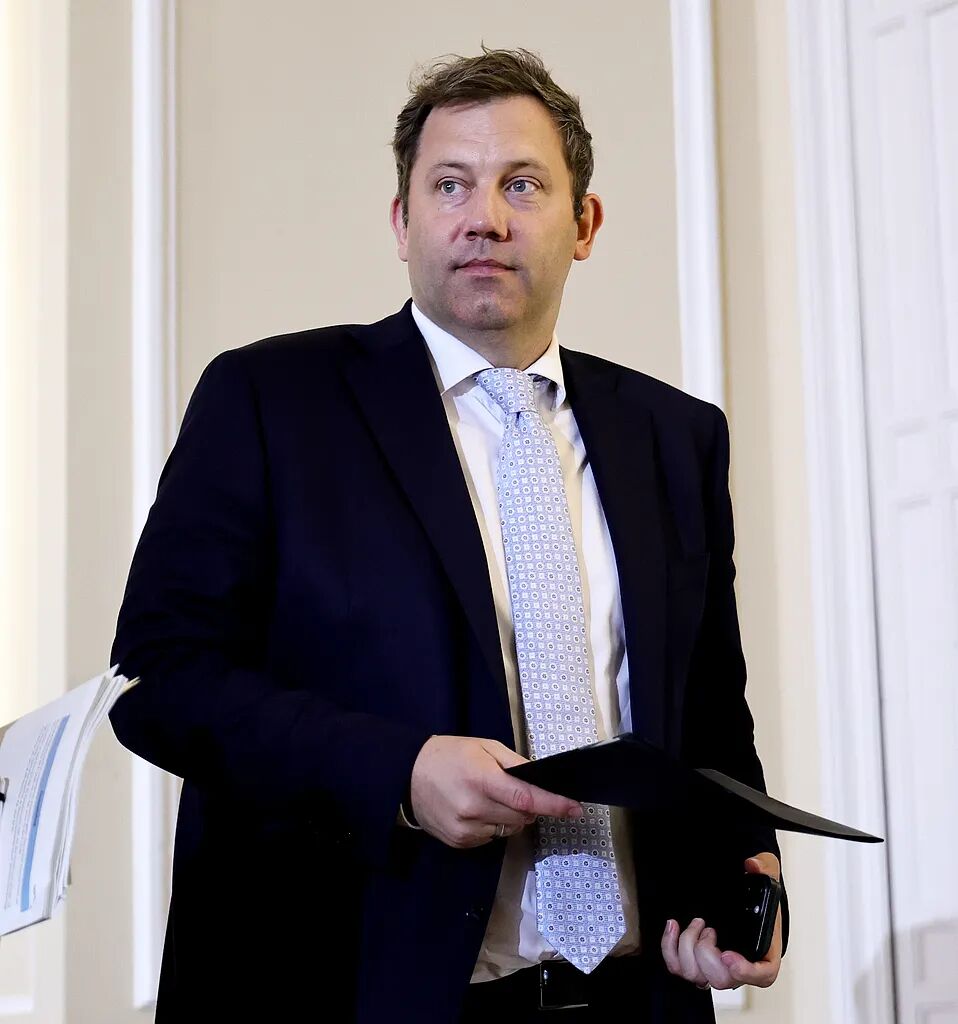
德铁买中国巴士,德财长“恼火”
Huan Qiu Shi Bao· 2025-12-23 03:56
Group 1 - The core issue revolves around the German railway company, Deutsche Bahn, ordering over 3,300 buses, including approximately 200 electric intercity buses from the Chinese company BYD, which has sparked controversy in Germany [1][2] - German Vice Chancellor and Finance Minister, Christian Lindner, expressed frustration over Deutsche Bahn's decision, advocating for a preference for German and European brands in public procurement [1] - The order from Deutsche Bahn is valued at over 1 billion euros, with delivery scheduled between 2027 and 2032, primarily consisting of hybrid and electric models, with most buses supplied by MAN and a small portion by BYD [1] Group 2 - The announcement of this large order coincides with the EU's relaxation of the "fuel vehicle ban," raising concerns about the competitive position of German automotive manufacturers against Chinese electric vehicle advancements [2] - Lindner acknowledged the significant progress made by China in electric vehicle technology, attributing it to strong government support, and highlighted the challenges faced by German manufacturers in catching up [2] - Experts suggest that the EU's delay in enforcing the "fuel vehicle ban" may provide Chinese companies with more time to enhance their competitive edge in the automotive market [2]
德财长“恼火”德国铁路公司买中国巴士,专家:折射德国焦虑其汽车产品竞争力
Huan Qiu Shi Bao· 2025-12-22 23:09
Group 1 - The core issue revolves around the German government's dissatisfaction with Deutsche Bahn's decision to order electric buses from the Chinese company BYD, reflecting concerns over the competitiveness of German automotive products [1][2] - Deutsche Bahn announced its largest bus order to date, totaling over 3,300 vehicles, with a value exceeding 1 billion euros, scheduled for delivery between 2027 and 2032 [1] - The order primarily consists of hybrid and fully electric models, with most buses supplied by the German company MAN, while BYD will provide approximately 200 electric intercity buses produced in Hungary [1] Group 2 - The announcement of this significant order coincides with the EU's relaxation of the "fuel vehicle ban," prompting discussions about the implications for the German automotive industry [2] - German Vice Chancellor and Finance Minister Christian Lindner expressed frustration over the order, emphasizing the need for a "healthy patriotism" in procurement decisions to favor German or European manufacturers [1][2] - Experts indicate that the relaxation of the "fuel vehicle ban" may provide a temporary advantage for European manufacturers, but it could also allow Chinese companies to further enhance their competitive edge in the automotive market [2]