
电源管理IC

Search documents
行业点评报告:AI侧提振+代工产能趋紧,模拟涨价线或全面开启
KAIYUAN SECURITIES· 2026-03-27 08:18
Investment Rating - The industry investment rating is "Overweight" (maintained) [1] Core Insights - The report highlights that the core driving force behind the price increase in the analog sector is the rising demand from AI servers and optical modules, alongside tightening foundry capacity [5][6] - The current price adjustment in the analog sector is driven by cost pressures from upstream materials and energy prices, which are forcing manufacturers to pass on costs [6] - The demand for analog chips is expected to grow due to the upgrade of AI server architectures and the increasing requirements for high-speed optical modules [7] Summary by Sections Industry Trends - The analog chip sector is experiencing a structural tightening in supply due to the continuous reduction of 8-inch wafer capacity, while demand remains stable from automotive and industrial control sectors [6] - Major foundries are operating at high capacity utilization rates, with the average utilization rate for global major wafer fabs expected to reach 90% by Q4 2025 [6] Growth Drivers - The transition to higher-speed optical modules (800G/1.6T) is creating new opportunities for analog components that meet higher bandwidth and lower power consumption requirements [7] - The promotion of low-power LPO solutions is driving demand for high-end TIA and DRIVER chips, which are essential for AI server performance [7] Beneficiaries - Companies expected to benefit from the growth in AI demand include: - 圣邦股份 (Sengbang) - 思瑞浦 (Siyu) - 纳芯微 (Naxinwei) - 杰华特 (Jiahuate) - 南芯科技 (Nanxin Technology) - 艾为电子 (Aiwei Electronics) - 晶丰明源 (Jingfeng Mingyuan) - 芯朋微 (Xinpengwei) - 帝奥微 (Diao Wei) [8]
芯片涨价潮,来势汹汹
半导体芯闻· 2026-03-23 10:24
Core Viewpoint - The global semiconductor industry is experiencing a significant price increase driven by supply-demand imbalances and rising costs, with major companies like Texas Instruments, Infineon, NXP, and others leading the charge [1][5]. Group 1: Price Increases by Major Companies - Texas Instruments (TI) announced a price increase of 15%-85% across all product lines, with the highest increases in industrial control and automotive electronics, reflecting tight capacity and rising costs [2][3]. - Infineon is raising prices for power switches and related chips by 5%-15%, driven by surging demand from AI data centers and increased manufacturing costs [3][4]. - NXP has also announced price adjustments due to significant increases in costs across the supply chain, although specific product categories and price ranges were not disclosed [4][5]. Group 2: Broader Industry Trends - Other companies such as ON Semiconductor, Analog Devices, and Vishay are also implementing price increases, indicating a widespread trend across the semiconductor industry [5][6]. - The price adjustments are largely attributed to rising costs of raw materials, energy, and logistics, which have become unsustainable for manufacturers [10][11]. - The semiconductor industry is witnessing a shift from a price war to a value war, as companies seek to maintain profitability amid rising costs [9][21]. Group 3: Supply Chain Dynamics - The semiconductor supply chain is under pressure due to rising costs of key materials, particularly precious metals, which are critical for chip production [10][11]. - The demand for semiconductors is surging in sectors such as AI, electric vehicles, and industrial automation, exacerbating supply shortages and enabling manufacturers to raise prices [12][13]. - The collective price increases from semiconductor manufacturers are expected to have a cascading effect throughout the supply chain, impacting downstream industries [20][21]. Group 4: Foundry Price Increases - Foundries are also raising their prices, with major players like TSMC and Samsung adjusting their pricing strategies due to increased operational costs and capacity constraints [15][16]. - The price hikes in wafer fabrication are further tightening the profit margins for chip designers, reinforcing the necessity for price adjustments across the board [15][19]. - The shift in focus from mature to advanced process nodes by leading foundries is contributing to a structural shortage in 8-inch wafer capacity, which is critical for many semiconductor applications [18][19].







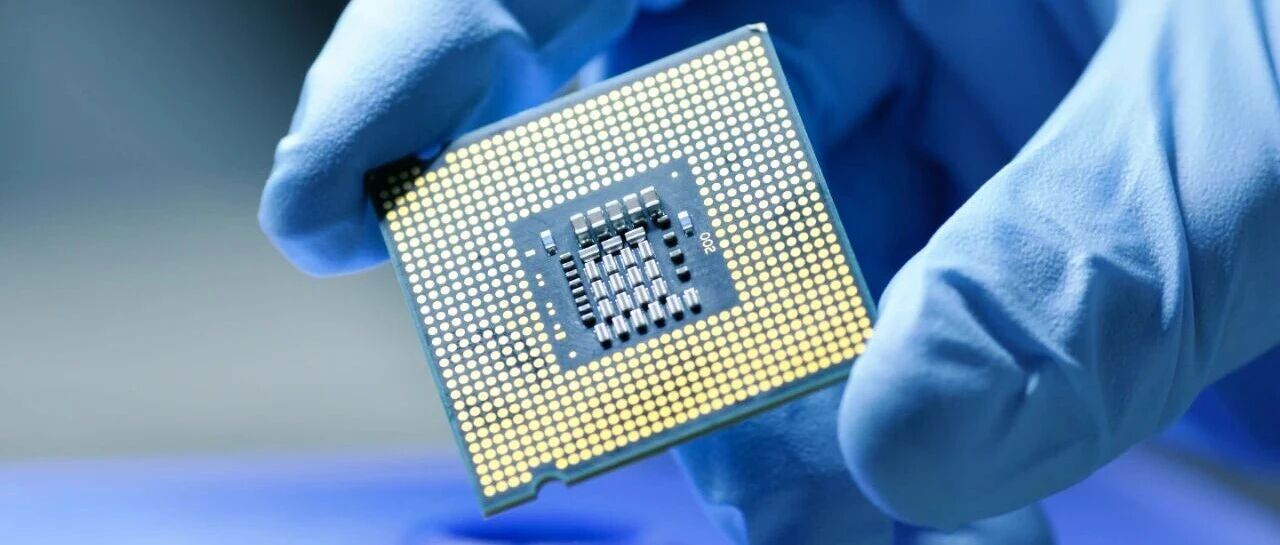
芯片,涨价潮!
半导体行业观察· 2026-03-22 02:42
Core Viewpoint - The global semiconductor industry is experiencing a significant price increase driven by supply-demand imbalances and rising costs, with major companies like Texas Instruments, Infineon, and NXP leading the charge [2][3][4]. Group 1: Price Increases by Major Companies - Texas Instruments (TI) announced a price increase of 15%-85% across all product lines, with the highest increases in industrial control and automotive electronics, reflecting tight capacity and rising costs [3]. - Infineon is raising prices for power switches and related chips due to surging demand from AI data centers, with increases expected to be 5%-15% for mainstream models and potentially higher for premium products [4][5]. - NXP is also adjusting prices due to significant cost increases across the supply chain, although specific product categories and price ranges have not been disclosed [6]. Group 2: Broader Industry Trends - Other companies such as ON Semiconductor, Analog Devices, and Vishay are joining the price increase trend, indicating a widespread adjustment across the semiconductor sector [6][7]. - The price adjustments are largely attributed to rising costs of raw materials, energy, and logistics, which are affecting all players in the industry [8][12]. Group 3: Cost Pressures and Supply Chain Dynamics - The surge in prices is primarily driven by skyrocketing costs of key raw materials, particularly precious metals, which are essential for semiconductor manufacturing [12][13]. - The semiconductor industry is facing a structural shift in demand, particularly from AI servers and electric vehicles, which is exacerbating supply constraints and allowing manufacturers to raise prices [15][16]. Group 4: Impact of Foundry Price Increases - The collective price increases from wafer foundries are further pressuring chip manufacturers to adjust their pricing strategies, as foundries raise their rates due to increased operational costs [18][19]. - Major foundries like TSMC and Samsung are shifting focus to advanced processes, leading to a reduction in capacity for older nodes, which is tightening supply for essential components [21][22]. Group 5: Domestic Market Response - Domestic semiconductor companies in China are also raising prices in response to global trends, with many following suit to address rising costs and maintain profitability [9][10]. - The price adjustments among domestic firms reflect a shift from a price war to a value-driven approach, indicating a potential recovery in profit margins [11][24].


第一创业晨会纪要-20260310
First Capital Securities· 2026-03-10 03:33
Macro Economic Group - In February, China's CPI year-on-year was 1.3%, up from 0.2% in January; core CPI year-on-year was 1.8%, up from 0.8% in January. Month-on-month, CPI increased by 1.0%, compared to 0.2% in January [4] - February's PPI year-on-year was -0.9%, an improvement from -1.4% in January; month-on-month, PPI remained stable at 0.4% [5] Industry Comprehensive Group - Texas Instruments (TI) is set to implement a price increase of 15% to 85% on various core products starting April 1, 2026, following previous targeted price adjustments in key sectors. This trend indicates a sustained rebound in semiconductor prices due to strong downstream demand and rising costs in raw materials and foundry capacity [10] - CATL reported a 39.2% year-on-year increase in lithium-ion battery sales for 2025, reaching 661 GWh, with revenue of 423.7 billion yuan, up 17%. The company expects to maintain a compound growth rate of around 25% from 2026 to 2030 [11] Consumer Group - The paper industry has seen price increases across various segments since Q4 2025, indicating a recovery in profitability and improved price order. The current assessment suggests a weak recovery and profitability improvement in the paper industry, with potential for further upward movement if price increases can be effectively transmitted to orders and shipments [13] - Sanrio reported a 32% year-on-year increase in revenue for FY2026 Q3, reaching 55.5 billion yen, and a 10% increase in net profit. The company has raised its full-year guidance, driven by sustained demand for core IP and a shift towards localized operations in key markets [14]

刚刚!宣布涨价85%!
国芯网· 2026-03-09 13:12
Core Viewpoint - Texas Instruments (TI) is set to implement a second comprehensive price increase on April 1, 2026, with expected adjustments ranging from 15% to 85% across various core products, including digital isolators and power management ICs [3][5]. Group 1: Price Adjustments - TI's upcoming price increase follows a previous adjustment targeting industrial control and automotive electronics, with increases between 10% and 30% [3]. - The sales team at TI has begun notifying certain distributors about the new pricing, with emails expected to be sent out in early March [5]. Group 2: Market Demand and Influences - The demand for analog and power management chips is being driven by sectors such as artificial intelligence servers, electric vehicles, and industrial equipment [5]. - Another major supplier, Infineon, is also planning a price increase effective April 1, 2026, with expected hikes between 5% and 15%, particularly for high-end products [5]. - The price increases are attributed to surging demand from large-scale AI data centers, as well as rising costs associated with wafer fabrication, raw materials, and energy [5].
扬杰科技(300373):AI驱动功率高增,多产品线全面布局
Orient Securities· 2026-03-02 10:47
Investment Rating - The report maintains a "Buy" rating for the company with a target price of 110.16 CNY based on a 36x PE valuation for comparable companies in 2026 [3][11][6]. Core Insights - The company is experiencing high growth driven by AI applications in power devices, with a focus on adapting its semiconductor products to meet the demands of AI servers and related technologies [10]. - The company has established special teams to enhance its presence in emerging markets such as drones, energy storage, humanoid robots, and AI servers, indicating a proactive approach to securing future growth [10]. - The company’s R&D expenses are projected to reach 341 million CNY in the first three quarters of 2025, supporting its initiatives in AI and emerging business sectors [10]. Financial Forecasts - The projected net profits for the company from 2025 to 2027 are 1.30 billion CNY, 1.66 billion CNY, and 1.97 billion CNY respectively, with adjustments made to revenue and gross margin estimates [3][11]. - Revenue is expected to grow from 5.41 billion CNY in 2023 to 10.12 billion CNY by 2027, reflecting a compound annual growth rate (CAGR) of approximately 15.9% [5][11]. - The gross margin is anticipated to improve from 30.3% in 2023 to 37.5% in 2027, indicating enhanced operational efficiency [5][11]. Market Performance - The company's stock price as of March 2, 2026, was 85.61 CNY, with a 52-week high of 93.68 CNY and a low of 37.35 CNY [6]. - The company has shown a strong absolute performance over the past year, with a 97.8% increase over 12 months [7].

里昂:重申对华虹半导体“跑赢大市”评级 料AI相关业务可持续快速增长
Zhi Tong Cai Jing· 2026-02-16 07:24
Core Viewpoint - Hua Hong Semiconductor's performance in Q4 last year and guidance for Q1 this year are generally in line with expectations, with growth in AI-related products offsetting declines in consumer electronics due to memory shortages [1] Group 1: Financial Performance - Hua Hong's Q4 performance and Q1 guidance are largely as anticipated, indicating stability in operations [1] - The company expects continued rapid growth in AI-related products such as power management ICs and microcontrollers (MCUs) [1] Group 2: Capacity and Investment - The new 12-inch wafer fab, Fab9A, is projected to reach maximum capacity this year, while the capacity enhancement of Fab9B will accelerate [1] - Capital expenditures are expected to slightly decrease in 2026 but will significantly increase in 2027 [1] Group 3: Analyst Ratings - Citi has raised its target price for Hua Hong to HKD 129.5 and reiterated a "outperform" rating [1]
里昂:重申对华虹半导体(01347)“跑赢大市”评级 料AI相关业务可持续快速增长
智通财经网· 2026-02-16 07:17
Core Viewpoint - Citi has released a report indicating that Hua Hong Semiconductor (01347) will reach maximum capacity at its new 12-inch wafer fab Fab9A this year, with Fab9B's capacity enhancement also accelerating. Capital expenditures are expected to slightly decline year-on-year in 2026 and significantly increase in 2027. The target price has been raised to HKD 129.5, maintaining an "outperform" rating [1] Group 1 - Hua Hong's Q4 performance last year and guidance for Q1 this year were generally in line with expectations [1] - AI-related products, including power management ICs and microcontrollers (MCUs), are anticipated to continue rapid growth, offsetting the sluggish performance in consumer electronics due to memory shortages [1]
26年1月台股电子板块景气跟踪:台积电营收环增20%创新高,淡季不淡
Shenwan Hongyuan Securities· 2026-02-13 11:21
Investment Rating - The report maintains a positive outlook on the semiconductor industry, particularly in the AI and HPC sectors, indicating a strong demand that supports revenue growth [2][5]. Core Insights - TSMC reported a record revenue of NT$401.26 billion in January 2026, a year-on-year increase of 36.8%, driven by strong demand in AI servers, HPC, and cloud data centers [2][5]. - The advanced packaging capacity remains tight, which is a key factor supporting revenue growth [5]. - The report highlights that the AI sector continues to drive demand, with companies like Xinxia and JY Electronics also reporting significant revenue increases [2][5][20]. Summary by Sections AI Sector - TSMC's revenue growth is attributed to the sustained demand for AI servers and advanced process technologies, maintaining high utilization rates [5]. - Xinxia's revenue reached NT$900 million in January 2026, up 28.5% year-on-year, reflecting the strong demand for server management chips [7]. - JY Electronics reported a revenue of NT$3.37 billion, a 41% increase year-on-year, driven by the rising complexity and demand for AI-related testing [8]. Mature Process - UMC, World Advanced, and PSMC reported revenues of NT$20.86 billion, NT$4.01 billion, and NT$4.62 billion respectively, with year-on-year growth rates of 5%, 18%, and 26% [16]. - PSMC's revenue reached a 39-month high, driven by rising prices in memory wafer foundry and increased demand for logic foundry [16]. Storage - Nanya Technology, Winbond, and Macronix reported revenues of NT$15.31 billion, NT$11.78 billion, and NT$3.02 billion respectively, with year-on-year growth rates of 608%, 94%, and 51% [17]. - Nanya indicated that various DRAM products may remain tight due to limited new capacity, particularly DDR4 and LPDDR4 [17]. End-Side Chips - MediaTek's revenue was NT$46.98 billion, down 8% year-on-year, with expectations of a significant decline in mobile terminal demand due to rising costs [18]. - The Smart Edge business is expected to grow, with data center ASIC revenue projected to exceed USD 1 billion in 2026 [20]. Passive Components - Yageo reported a revenue of NT$13.03 billion, a 27% year-on-year increase, driven by strong demand from AI-related applications [20].
成熟制程代工厂世界先进报价拟调涨15%
Jing Ji Ri Bao· 2026-02-09 23:27
Group 1 - The core viewpoint is that World Advanced plans to increase its foundry prices by 15% starting in April due to sustained high capacity utilization and rising demand in the AI server and high-performance computing sectors [1] - World Advanced has indicated a strong demand recovery and tightening supply conditions, which is expected to lead to price adjustments across mature process foundries, including UMC and Powerchip [1] - The company emphasizes a cautious approach to pricing strategy, aiming to reflect investment and capacity expansion costs through negotiations with clients, thereby establishing a mutually beneficial relationship [1] Group 2 - Powerchip has noted an increase in demand for power management ICs and related components driven by AI servers, leading to plans for a price increase in 8-inch wafer foundry services in March [2] - UMC has maintained its pricing discipline while optimizing its product mix, expecting a stable profit structure, with a projected moderate growth of 1% to 3% in the mature process market by 2026 [2] - There is an expectation that if World Advanced initiates a new round of price increases, both UMC and Powerchip are likely to follow suit, potentially leading to a sustained upward cycle in mature process pricing [2]