白族扎染产品

Search documents
非遗出海,他们这样做
Huan Qiu Wang· 2026-01-04 09:54
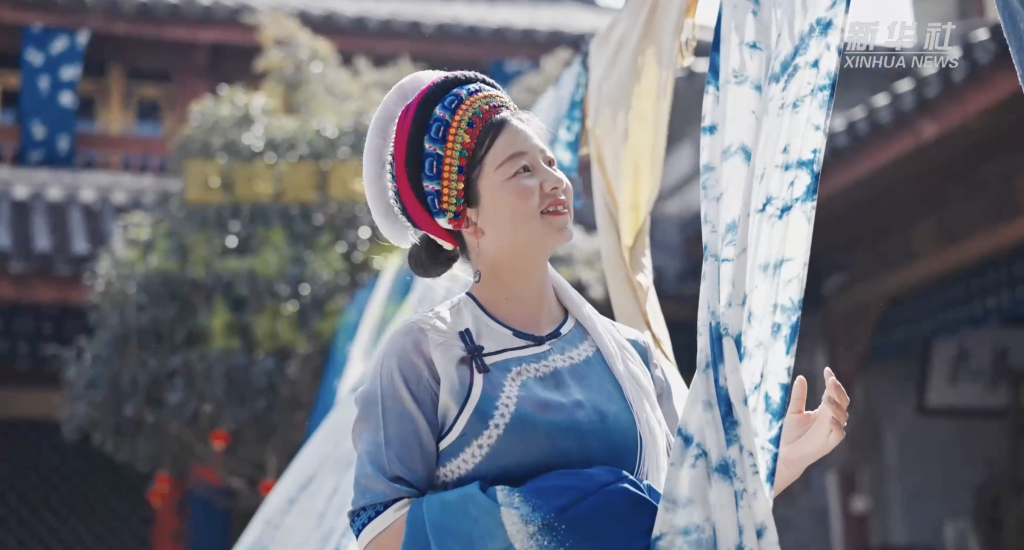
Group 1: Cultural Heritage and Innovation - The integration of digital technology into traditional cultural heritage is enabling Chinese intangible cultural heritage (ICH) to reach a global audience, with various stakeholders working together to promote creative transformation and innovative development [1][3] - Zhang Hanmin, a national-level representative inheritor of the Bai ethnic tie-dye technique, has successfully brought this traditional craft to international markets, emphasizing the importance of innovation and cultural confidence in product development [3][4][6] Group 2: Bai Tie-Dye Technique - Zhang Hanmin has developed over 50 plant dye color cards and more than 40 innovative tie-dye techniques, breaking the traditional color limitations and gaining international acclaim [4][6] - The Bai tie-dye products have expanded from traditional home goods to scarves and cultural creative products, collaborating with international brands to appeal to younger consumers [6][7] Group 3: Dehua Porcelain Industry - Dehua porcelain, recognized as a national intangible cultural heritage, has seen a 50% increase in ceramic flower pot exports in 2025, with the company exporting to over 50 countries and regions [8][9] - The Dehua ceramic industry is undergoing a transformation from traditional OEM to self-owned brands and high-end customization, with a focus on cultural output [10][12] Group 4: International Expansion and Brand Development - Dehua County has actively organized enterprises to participate in international exhibitions, leading to an annual export growth rate of over 10% [10] - The company has registered over 100 patents and trademarks to establish an international brand for its porcelain products, aiming for a deeper cultural exchange and recognition [10][12] Group 5: Cultural Events and Global Outreach - The Yuyuan Lantern Festival, a significant cultural event, has expanded its influence internationally, attracting around 400,000 visitors annually and showcasing Chinese intangible cultural heritage [12][13] - The festival has successfully held events in Paris and Thailand, enhancing cultural exchange and friendship through immersive experiences [14][15]


文化中国行|蓝续张瀚敏:让大理扎染在世界生根开花
Xin Hua She· 2025-11-22 07:52
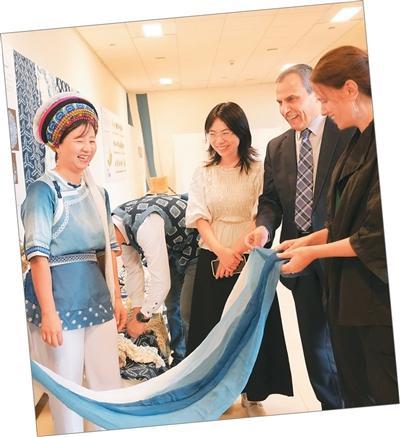
Core Viewpoint - The article highlights the innovative approach of Zhang Hanmin in preserving and promoting the traditional Bai ethnic tie-dyeing technique, blending it with modern aesthetics and expanding its reach globally [1]. Group 1: Company Overview - Zhang Hanmin founded the "Lanxu" brand in 2011 in Yunnan's Dali, with a mission to sustain the craftsmanship, lifestyle, and culture of tie-dyeing [1]. - The brand name "Lanxu" reflects the essence of the local landscape and the commitment to sustainable practices in art and design [1]. Group 2: Industry Impact - Zhang Hanmin has successfully integrated traditional Bai tie-dyeing techniques with modern design, creating a diverse range of products that appeal to younger audiences [1]. - The brand has participated in over 10 international art exhibitions across countries such as the UK, Thailand, UAE, Germany, and Finland, enhancing the visibility of Chinese craftsmanship on a global scale [1]. Group 3: Future Plans - A new "Lanxu Tie-Dye Art Museum" is being established in Xizhou, aiming to create an innovative space that combines tie-dyeing, art, and design, inviting global artists for collaboration [1]. - The initiative is driven by the belief that the wisdom embodied in tie-dyeing deserves global recognition [1].
非遗薪火燃新焰(文化中国行)
Ren Min Ri Bao Hai Wai Ban· 2025-08-19 22:55
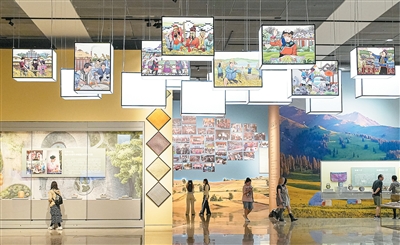
Core Viewpoint - The "Non-Heritage Youth - Achievements Exhibition of China's Intangible Cultural Heritage Inheritors Training Program" showcases over 1,000 outstanding works and academic research results from participants in the program, highlighting the importance of intangible cultural heritage in human civilization and its role in fostering creativity and emotional connection [7][8]. Group 1: Exhibition Overview - The exhibition is divided into four thematic areas: traditional crafts, performing arts, and features over 1,000 pieces from more than 140 participating institutions [7]. - The event is held at the China Intangible Cultural Heritage Museum, emphasizing the significance of intangible cultural heritage as a witness to historical evolution [7]. Group 2: Training Program Impact - The Non-Heritage Training Program targets various levels of intangible cultural heritage inheritors and ordinary practitioners, providing targeted training through collaboration with universities and institutions [8]. - Participants engage in professional knowledge learning and practical exchanges, expanding their creative horizons [8]. Group 3: Traditional Arts and Crafts - The exhibition includes traditional arts such as shadow puppetry, which has a rich history and diverse styles across regions, and was included in UNESCO's intangible cultural heritage list in 2011 [9]. - The program revitalizes traditional arts by engaging younger generations, as seen in the case of a student who found success in shadow puppetry through the program [9]. Group 4: Modern Integration of Traditional Crafts - Participants are encouraged to integrate traditional crafts into modern life, exemplified by a unique Zisha pottery piece that combines traditional techniques with contemporary aesthetics [10]. - The program supports various traditional crafts, including silk weaving, with institutions like Zhejiang University offering courses to enhance skills and broaden perspectives [10]. Group 5: Cultural and Economic Empowerment - The program empowers rural communities by promoting local intangible cultural heritage, such as the Yunwu tea culture in Jiangsu, which has led to job creation and tourism development [11]. - In Xinjiang, traditional crafts training has attracted nearly 800 participants, enhancing local cultural resources and skills [12]. Group 6: Global Outreach - Graduates of the training program are exploring international markets, with examples of young inheritors successfully exporting traditional crafts to countries like Japan and Thailand [14]. - The rise of e-commerce has facilitated the growth of local handicraft businesses, such as the silverware industry in Yunnan, which has expanded its market reach globally [15].